

Certain fruit trees thrive in Nebraska’s unique climate and soil conditions. Choosing the right varieties can lead to successful yields, particularly when considering wind resistance and soil quality.
Nebraska Climate and Soil for Fruit Trees
Nebraska experiences a continental climate characterized by hot summers and cold winters. The state has varying soil types ranging from sandy to clay, which influences the types of fruit trees that can be successfully cultivated. Wind is also a significant factor, as strong gusts can damage young trees or disrupt pollination. Selecting the right trees can mitigate these challenges.
Recommended Products
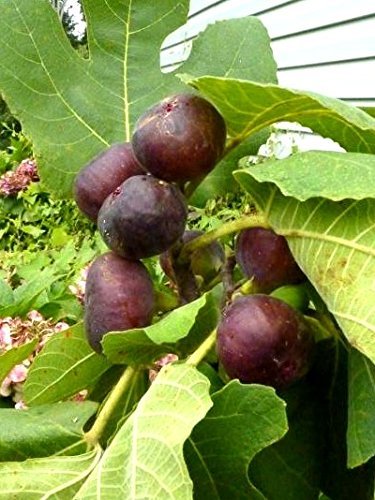
Includes Four Plants of "Chicago Hardy" Fig Trees with 4 Hello Organic Plant Tags. These are 2 inch rooted plants shipped in 2 inch tray pots and are 2-5 inches tall.
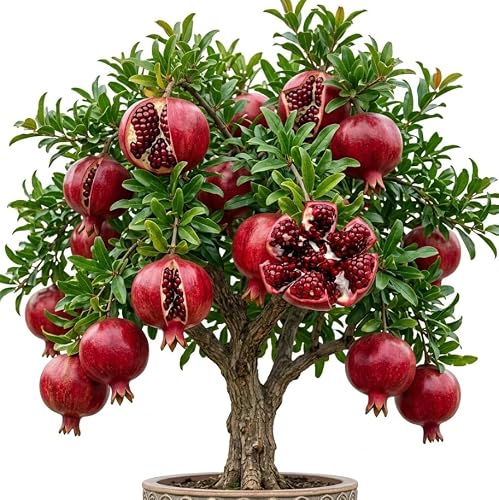
Each order includes a live red pomegranate plant, carefully grown and ready to thrive in your garden or home.

Product Quantity: 150+ wild organic plum seeds per packet; Ideal for starting a small orchard or food forest; Generous supply ensures successful germination
Best Fruit Varieties for Nebraska’s Climate
Choosing the right fruit varieties is essential for successful cultivation in Nebraska’s unique climate. With its varying temperatures and soil conditions, selecting hardy and adaptable trees can significantly impact yield and fruit quality. This section highlights the best fruit varieties suited for Nebraska, ensuring gardeners can thrive in their local environment.
Several fruit trees are well-suited for Nebraska’s climate and soil conditions. The following varieties are known for their resilience and productivity:
| Fruit Tree | Hardiness Zone | Soil Preference | Wind Resistance |
|---|---|---|---|
| Apple | 3-7 | Well-drained | High |
| Pear | 4-7 | Loamy | Moderate |
| Cherry | 4-7 | Well-drained | High |
| Peach | 5-8 | Sandy-loam | Moderate |
| Plum | 4-9 | Well-drained | Moderate |
These trees not only provide delicious fruit but also adapt well to the local environment.
Soil Testing and Preparation for Nebraska Fruit Trees
Understanding the soil composition and preparation is crucial for successfully growing fruit trees in Nebraska. This section delves into the importance of soil testing, the specific soil types found in the region, and the necessary steps to ensure optimal conditions for fruit tree cultivation. Proper preparation can significantly enhance growth and fruit production in Nebraska’s unique climate.
Before planting, proper soil preparation is essential. Testing soil pH and nutrient levels can guide amendments.
Most fruit trees prefer a pH between 6.0 and 7.0. Here are steps for effective soil preparation:
Test Soil: Use a home testing kit or send samples to a lab.
Amend Soil: Add compost or fertilizers based on test results.
Tillage: Loosen the soil to improve drainage and aeration.
Mulch: Apply organic mulch to retain moisture and suppress weeds.
Proper soil preparation enhances root development and overall tree health.
Young Fruit Tree Wind Protection Techniques
Young fruit trees in Nebraska face unique challenges from wind exposure, which can hinder their growth and development. Implementing effective wind protection techniques is essential for ensuring their survival and productivity. Understanding these methods can help gardeners cultivate resilient trees that thrive in the state’s variable climate.
Wind can severely impact young fruit trees, causing stunted growth or damage. Implementing protective measures can increase survival rates:
Windbreaks: Plant shrubs or trees as wind barriers.
Staking: Use stakes to support young trees until established.
Location: Position trees away from open areas where winds are strongest.
These strategies help young trees develop strong structures and reduce stress from high winds.
Nebraska Fruit Tree Watering Strategies
Effective watering is crucial for the success of fruit trees in Nebraska’s unique climate. With varying soil types and wind conditions, understanding the best practices for irrigation can significantly impact tree health and fruit yield. This section will explore tailored watering strategies that cater to the specific needs of fruit trees in the region.
Maintaining adequate moisture levels is crucial for fruit tree health. Nebraska’s climate can lead to dry conditions, especially during summer. Follow these watering techniques:
Deep Watering: Water deeply and less frequently to encourage deep root growth.
Drip Irrigation: Consider installing a drip irrigation system for efficient watering.
Mulching: Apply mulch around the base to retain moisture.
Regular maintenance ensures trees remain healthy and productive.
Fruit Tree Pest and Disease Strategies
Managing pests and diseases is crucial for the health and productivity of fruit trees in Nebraska. With the state’s unique climate and soil conditions, understanding effective strategies can help mitigate common threats. This section explores practical approaches to protect your fruit trees and ensure a bountiful harvest.
Pests and diseases can threaten fruit tree health and yield. Regular monitoring and proactive measures are essential.
Common pests include aphids and spider mites, while diseases may involve fungal infections. Implement these management strategies:
Regular Inspections: Check trees weekly for signs of pests or diseases.
Organic Treatments: Use neem oil or insecticidal soap for pest control.
Pruning: Remove dead or diseased branches to improve air circulation.
Taking these steps can help maintain healthy fruit trees.
Nebraska Fruit Harvesting Techniques
Harvesting fruit in Nebraska requires understanding the unique climate and soil conditions of the region. Effective techniques can enhance yield and fruit quality, ensuring that growers make the most of their trees. This section explores the best practices for harvesting various fruit types in Nebraska, tailored to its specific environmental challenges.
Proper harvesting techniques ensure fruit quality and longevity. Timing is crucial for optimal flavor and texture. Here’s how to harvest and store fruit effectively:
Harvest Timing: Pick fruit when fully ripe for the best taste.
Gentle Handling: Handle fruit carefully to avoid bruising.
Storage Conditions: Store in a cool, dry place to extend shelf life.
Following these guidelines maximizes the enjoyment of homegrown fruit.
Nebraska Fruit Tree Cultivation Strategies
Selecting the right fruit trees for Nebraska involves understanding local climate and soil conditions. Implementing effective soil preparation, wind protection, and maintenance strategies can lead to successful cultivation. Regular monitoring for pests and diseases further ensures healthy trees and fruitful harvests.
