

Growing persimmon trees in pots in South Dakota is feasible with the right techniques. To ensure success, select suitable potting materials and understand local climate challenges.
South Dakota Climate Effects on Persimmon Growth
Understanding how South Dakota’s unique climate influences the growth of persimmon trees is crucial for successful potting. The region’s temperature fluctuations, moisture levels, and soil conditions can significantly impact the health and productivity of these trees. This section delves into the specific climate factors that aspiring gardeners should consider when cultivating persimmons in pots.
South Dakota experiences a range of temperatures and conditions that can affect persimmon trees. The High Plains region features cold winters and variable summer temperatures. Understanding these conditions is crucial for selecting the right persimmon variety and potting strategy.
Consider the following factors:
Frost Dates: Late spring frosts can damage young trees.
Soil Type: Well-drained soil is essential for root health.
Sunlight: Full sun exposure is necessary for fruit production.
Best Persimmon Varieties for Container Growth
When considering persimmon trees for container growth in South Dakota, selecting the right variety is crucial for success. Certain types thrive better in pots, offering adaptability to the region’s unique climate and soil conditions. This section explores the best persimmon varieties that not only flourish in containers but also yield delicious fruit.
Choosing the right persimmon variety is essential for container growth in South Dakota. Some varieties are more suited for colder climates and can thrive in pots. The following options are recommended:
| Variety Name | Cold Hardiness | Fruit Type | Growth Habit |
|---|---|---|---|
| Fuyu | Zone 7 | Non-astringent | Compact |
| American Persimmon | Zone 4 | Astringent | Tall |
| Chocolate Persimmon | Zone 6 | Non-astringent | Medium |
Fuyu is popular for its sweet taste and compact growth. American persimmons are hardy but may require more space. Chocolate persimmons offer unique flavor and moderate growth.
Potting Materials for Healthy Persimmon Growth
Selecting the right potting materials is crucial for the successful growth of persimmon trees in South Dakota’s challenging climate. The right combination of soil, drainage, and nutrients will ensure that these trees thrive in a pot, adapting to the unique conditions of the High Plains. Understanding these materials can significantly impact the health and productivity of your persimmon trees.
Using the right potting materials is crucial for successful persimmon tree growth. The choice of pot, soil, and drainage methods can significantly impact health and productivity.
Recommended Products

Soft-sided fabric aeration container that has the rigidity to hold its shape

For sale are 2 American Persimmon trees that are approximately 6-15" tall and shipped bareroot

LIVE AMERICAN PERSIMMON TREES: Includes 2 potted American Persimmon live trees, measuring 6-12 inches tall. Trees may arrive as a dormant plant (without leaves) depending on the season, ready for planting.
Optimal Pot Sizes for Persimmons
Choosing the right pot size is crucial for the health and growth of persimmon trees, especially in the unique climate of South Dakota. Proper pot dimensions can significantly impact root development and overall tree vigor, making it essential to understand the optimal sizes for successful cultivation in containers. This section will explore the best pot sizes to ensure your persimmon trees thrive.
Choose a pot that is at least 15-20 gallons for optimal growth. Consider these options:
Plastic Pots: Lightweight and retain moisture well.
Clay Pots: Provide better aeration but can dry out quickly.
Self-Watering Pots: Help maintain consistent moisture levels.
Ideal Soil Mix for Persimmon Trees
Creating the right soil mix is crucial for the successful growth of persimmon trees in pots, especially in the challenging climate of South Dakota. The ideal soil should provide excellent drainage while retaining necessary moisture and nutrients. Understanding the specific requirements of persimmon trees will help ensure their health and productivity in container gardening.
A well-draining soil mix is vital. A recommended blend includes:
Potting Soil: Base for nutrients.
Perlite: Improves drainage.
Compost: Adds organic matter and nutrients.
Persimmon Pot Watering and Fertilization Guide
Proper watering and fertilization are crucial for the health of persimmon trees grown in pots, especially in the challenging climate of South Dakota. This guide offers essential tips to ensure your potted persimmons thrive, focusing on the specific needs of these trees in the High Plains environment. Understanding these practices will enhance growth and fruit production.
Proper watering and fertilization are key to thriving persimmon trees in pots. Overwatering can lead to root rot, while under-watering can stress the tree.
Recommended Products

Package contains 4 Pounds organic fruit and citrus fertilizer grains and is produced to avoid wasteful runoff, mess, hazards and smells

Made for Lemon & Citrus Trees – Formulated to support healthy growth in lemon and citrus plants.
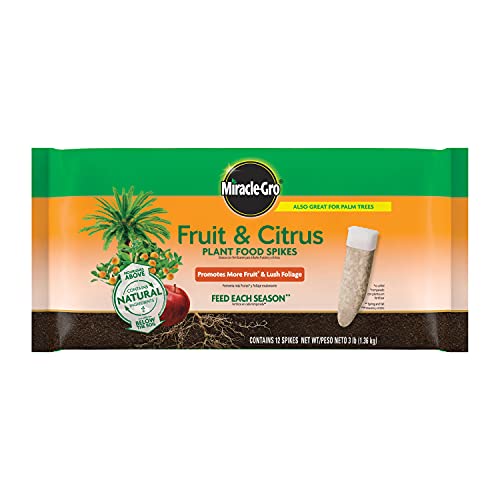
FORMULATED FOR CITRUS AND FRUIT TREES: Use these citrus fertilizer spikes on apple, orange, lemon, lime, and avocado trees; this formula is also great for feeding palm trees
Optimal Watering Practices for Potted Persimmons
Proper watering is crucial for the health of potted persimmon trees, especially in the unique climate of South Dakota. Understanding the specific moisture needs of these trees can help ensure they thrive in containers, promoting robust growth and fruit production. This section outlines the best practices for watering to keep your persimmons healthy and flourishing.
Follow these watering practices:
Water deeply once a week during the growing season.
Reduce frequency in winter months.
Ensure pots have drainage holes to prevent standing water.
Pot Fertilization Guidelines for Persimmons
Proper fertilization is crucial for the health and productivity of persimmon trees grown in pots, especially in the unique climate of South Dakota. Understanding the specific nutrient needs of these trees will help ensure robust growth and fruiting. Below are guidelines tailored to optimize pot fertilization for persimmons in this region.
Use a balanced fertilizer to support growth. Recommended practices include:
Apply fertilizer in early spring before new growth.
Use a slow-release formula for consistent nutrient supply.
Avoid fertilizing in late fall to prevent new growth before winter.
Pest and Disease Management for Persimmons
Managing pests and diseases is crucial for the health of persimmon trees grown in pots, especially in South Dakota’s unique climate. Understanding common threats and implementing effective control measures can help ensure these trees thrive, providing both beauty and fruit. This section outlines key strategies for maintaining the vitality of your potted persimmons.
Pests and diseases can threaten persimmon trees. Regular monitoring and preventive measures are essential for healthy growth.
Recommended Products

PRODUCT IMAGE DISCLAIMER: The main image is for reference only. The plant you receive may not look exactly the same as shown in the first image

SPECIAL FORMULA FOR EDIBLE GARDENING: Fruit, Citrus & Vegetable Insect Control is specially formulated for use on over 100 listed fruits, vegetables, and citrus plants to kill listed insects and prevent new infestations

TRIPLE PROTECTION FORMULA: 3-in-1 solution kills listed insects, controls listed diseases, and controls listed mites with one easy application
Pests Affecting Potted Persimmons
Potted persimmon trees can face various pest challenges, particularly in South Dakota’s unique climate. Understanding the specific pests that target these trees is essential for maintaining their health and productivity. This section will explore common pests that affect potted persimmons and provide practical solutions for managing them effectively.
Watch for these pests:
Spider Mites: Cause leaf discoloration.
Aphids: Can stunt growth and spread diseases.
Potting Disease Management for Persimmons
Managing diseases in potted persimmon trees is crucial for their health and productivity, especially in the unique climate of South Dakota. This section delves into effective strategies for preventing and addressing common diseases that can affect these trees, ensuring they thrive in containers while adapting to the challenges of the High Plains environment.
Implement these strategies:
Maintain good air circulation around the tree.
Remove fallen leaves to prevent fungal diseases.
Use organic pesticides as a last resort.
Persimmon Pot Care Best Practices
Caring for persimmon trees in pots requires specific techniques, especially in the unique climate of South Dakota. Understanding the best practices for pot care can help ensure these trees thrive despite the challenges posed by the High Plains environment. This section outlines essential tips for maintaining healthy, productive persimmon trees in containers.
The following table summarizes essential care practices for persimmon trees in pots.
| Care Aspect | Recommended Practice | Frequency |
|---|---|---|
| Watering | Deep watering | Weekly |
| Fertilization | Balanced fertilizer | Early spring |
| Pruning | Remove dead or crossing branches | Annually |
| Pest Control | Monitor and treat as needed | Monthly |
Regular attention to these practices will support healthy growth and fruit production.
Successful Potting Strategies for Persimmon Trees
Successfully potting persimmon trees in South Dakota requires careful consideration of local climate conditions and soil types. This section outlines effective strategies to ensure your trees thrive in pots, focusing on optimal pot size, soil composition, and watering practices tailored to the High Plains environment. Implementing these tips will help you cultivate healthy persimmon trees even in challenging conditions.
Growing persimmon trees in pots requires careful planning and attention to local conditions. Ensure you select the right variety, pot, and care regimen to maximize your chances of success. Regular monitoring and adjustments will lead to fruitful trees.
