

Growing pear trees in pots in New Hampshire is a viable option for those with limited space or poor soil conditions. With the right care and attention, these trees can thrive and produce fruit, even in a northern climate.
Best Pear Tree Varieties for Container Growth
When cultivating pear trees in pots, especially in New Hampshire’s unique climate, selecting the right variety is crucial for success. Some pear tree types thrive in containers, offering both beauty and fruitfulness while adapting well to limited space. This section explores the best pear tree varieties suited for container growth, ensuring gardeners can enjoy a fruitful harvest even in challenging conditions.
Choosing the appropriate pear tree variety is crucial for successful growth in pots. Some varieties are better suited for container life and northern climates. Look for dwarf or semi-dwarf varieties that are cold-hardy and can adapt to pot culture.
Bartlett: Popular for its sweet flavor and adaptability.
Bosc: Known for its unique shape and excellent storage qualities.
Seckel: A small, sweet pear that thrives in limited space.
Recommended Products

Home Orchard in a Pot: Experience the joy of homegrown pears with the American Plant Exchange Bartlett Pear Trees. These live, semi-self-pollinating fruiting trees, standing 3-4 feet tall in a 5-gallon pot, bring the allure of a home orchard to your outdoor landscape.


Product Quantity: 180+ premium bonsai fruit seeds across 5 varieties; Individual packs contain 40+ apple, 40+ lemon, 40+ orange, 20+ blueberry, and 40+ cherry seeds; Perfect for starting a diverse miniature orchard
Ideal Potting Environment for Pear Trees
Creating the right potting environment for pear trees in New Hampshire is essential for their growth and fruit production. Factors such as soil type, pot size, and drainage play crucial roles in ensuring these trees thrive in a container setting. Understanding these elements will help you cultivate healthy, productive pear trees even in a northern climate.
Creating the ideal potting environment is essential for your pear tree. The right pot, soil, and drainage will ensure healthy growth. Start with a pot that is at least 18 inches in diameter and has drainage holes.
Choose a pot made of clay or plastic.
Fill with high-quality potting mix that retains moisture but drains well.
Add slow-release fertilizer to promote growth.
Watering Techniques for Potted Pear Trees
Proper watering is crucial for the health of potted pear trees in New Hampshire’s unique climate. Understanding the specific needs of these trees will help ensure they thrive in containers, adapting to varying temperatures and moisture levels. This section explores effective watering techniques tailored for successful growth and fruit production.
Proper watering and fertilizing are key to maintaining healthy potted pear trees. Overwatering can lead to root rot, while underwatering can stress the tree.
Water deeply when the top inch of soil feels dry.
Fertilize every four to six weeks during the growing season with a balanced fertilizer.
| Task | Frequency |
|---|---|
| Watering | When top inch is dry |
| Fertilizing | Every 4-6 weeks |
Container Pruning Strategies for Pear Trees
Pruning pear trees in containers is essential for maintaining their health and productivity, especially in New Hampshire’s unique climate. By employing effective pruning strategies, gardeners can encourage optimal growth, enhance fruit quality, and manage the tree’s size within the confines of a pot. Understanding the specific techniques suited for potted pear trees will lead to a thriving garden experience.
Regular pruning helps maintain the shape and health of your pear tree. Pruning encourages airflow and sunlight penetration, which are vital for fruit production.
Remove dead or diseased branches as soon as they are noticed.
Thin out crowded branches to improve air circulation.
Shape the tree to maintain a manageable size.
Pest and Disease Management for Potted Pear Trees
Managing pests and diseases is crucial for the health of potted pear trees in New Hampshire. Given the unique challenges posed by the region’s climate and potential threats to these trees, understanding effective strategies for prevention and treatment can significantly enhance their growth and fruit production. This section explores the key practices to keep your potted pear trees thriving.
Potted pear trees can be susceptible to various pests and diseases. Regular monitoring and preventive measures are essential for maintaining tree health.
Inspect leaves for signs of aphids or spider mites.
Apply neem oil as a natural pesticide if pests are detected.
Watch for fungal diseases and ensure good air circulation.
Recommended Products
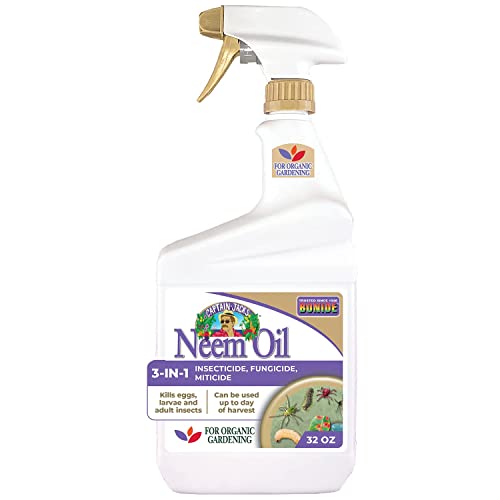
MULTI-PURPOSE BUG KILLER - Bonide Neem Oil is a perfect pest control solution for any garden dealing with mites, flies, mildew, and more. This product is a three-in-one fungicide, miticide, and insecticide.

PLANT DISEASE CONTROL: Natria Neem Oil acts as an insecticide and fungicide in one convenient spray; Ready-to-use trigger sprayer requires no mixing

Protect your oasis with 3 garden products in 1 from Captain Jack’s; Captain Jack’s Ready-to-Use Neem Oil spray for plants is a multi-purpose fungicide, insecticide and miticide for your lawn and garden
Winter Protection Strategies for Potted Pear Trees
Potted pear trees in New Hampshire face unique challenges during the harsh winter months. Effective winter protection strategies are essential to ensure their survival and health. This section explores practical methods to shield these trees from cold temperatures and harsh weather conditions, helping gardeners maintain their potted pear trees year-round.
Winter poses unique challenges for potted pear trees in New Hampshire. Protecting your trees during the cold months is vital for their survival.
Move pots to a sheltered location to shield from harsh winds.
Insulate pots with burlap or bubble wrap to protect roots from freezing.
Water sparingly during winter months, as trees enter dormancy.
Potted Pear Harvest Timing and Techniques
Understanding the optimal timing and techniques for harvesting potted pear trees is crucial for gardeners in New Hampshire. This section delves into the specific methods that ensure a successful yield, taking into account the unique climate and conditions of the region. With the right approach, you can enjoy a bountiful harvest from your potted pear trees.
Once your pear trees start producing fruit, knowing when and how to harvest is crucial. Timing can affect the flavor and texture of the pears.
Check for firmness and color change to determine ripeness.
Harvest by twisting gently to detach the fruit from the stem.
Store pears in a cool, dark place for optimal ripening.
Potted Pear Tree Problem Solutions
Growing pear trees in pots can present unique challenges, especially in New Hampshire’s climate. This section explores common issues faced by gardeners and offers practical solutions to ensure your potted pear trees thrive despite the limitations of container gardening. From addressing soil quality to managing temperature fluctuations, these insights will help you cultivate healthy, fruitful trees.
Identifying and addressing problems early can save your potted pear trees from decline. Common issues include yellowing leaves, poor fruit production, and stunted growth.
Yellowing leaves may indicate nutrient deficiency or overwatering.
Lack of fruit can result from insufficient sunlight or improper pruning.
Stunted growth often points to root-bound conditions or inadequate pot size.
| Issue | Possible Cause | Solution |
|---|---|---|
| Yellowing leaves | Overwatering | Adjust watering schedule |
| Lack of fruit | Insufficient sunlight | Move pot to sunnier location |
| Stunted growth | Root-bound | Repot into larger container |
Potted Pear Tree Care Strategies
To achieve success with potted pear trees, focus on proper variety selection, potting techniques, and ongoing care. Regular monitoring for pests and diseases will help maintain tree health. With diligence, you can enjoy homegrown pears even in New Hampshire’s challenging climate.
