

Have you ever wondered if monk fruit is actually a tree nut? With the rise of natural sweeteners, it’s easy to get confused about what’s safe for those with nut allergies. You might be looking for a healthier alternative to sugar but want to ensure it won’t trigger any reactions.
Key Takeaways
- Monk fruit, also known as Luo Han Guo, is a natural sweetener originating from Southeast Asia and not a tree nut, making it safe for those with nut allergies.
- This fruit contains zero calories and zero carbohydrates, making it suitable for various diets, including weight management and blood sugar control.
- The sweetness of monk fruit comes from mogrosides, natural compounds that offer antioxidant properties and promote digestive health.
- When choosing monk fruit products, look for labels that indicate “100% monk fruit extract” to avoid additives and potential allergens.
- Monk fruit can be used in various culinary applications, replacing traditional sweeteners in baking, cooking, and beverages while allowing for reduced calorie intake.
- Understanding the botanical classification of monk fruit can help dispel misconceptions about its safety for those with tree nut sensitivities.
Overview of Monk Fruit
Monk fruit, also known as Luo Han Guo, originates from Southeast Asia. This small, green fruit grows on the Siraitia grosvenorii plant. People cultivate monk fruit primarily for its natural sweetness, making it a popular sugar substitute.
The sweetness comes from mogrosides, which are unique compounds that give monk fruit its sweet flavor without adding calories. Many food manufacturers use monk fruit extract in products such as beverages, desserts, and snacks.
Monk fruit isn’t classified as a tree nut. It’s essential for those with nut allergies to know that monk fruit is safe for consumption. Unlike tree nuts, which come from specific plants, monk fruit is a fruit that grows in a vine-like form.
When purchasing monk fruit products, look for labels indicating “100% monk fruit extract” for the purest form. This ensures you avoid unnecessary additives and guarantees the health benefits associated with monk fruit sweeteners.
Nutritional Profile of Monk Fruit
Monk fruit offers a unique nutritional profile that makes it a popular choice among natural sweeteners. This fruit contains zero calories and no carbohydrates, making it suitable for various diets. Its sweetness comes from mogrosides, compounds that provide a sweet taste without the effects of regular sugars.
Health Benefits
Monk fruit boasts several health benefits beyond being a sugar substitute.
- Weight Management: Because it contains no calories, monk fruit helps you manage your weight without sacrificing sweetness.
- Blood Sugar Control: Monk fruit does not raise blood sugar levels, making it a safe option for individuals with diabetes.
- Antioxidant Properties: The mogrosides in monk fruit act as antioxidants, which can protect your body from oxidative stress and inflammation.
- Digestive Health: Monk fruit can promote gut health due to its natural sweetness without the digestive issues associated with sugar alcohols.
Potential Allergens
Monk fruit is not a tree nut, thereby posing minimal risk for those with nut allergies. While adverse reactions are rare, some individuals might experience sensitivities to monk fruit or the additives found in some monk fruit products. Always check labels for “100% monk fruit extract” to ensure the absence of allergens or additives. If you have any doubts, consult with a healthcare professional before incorporating monk fruit into your diet.
Monk Fruit vs. Tree Nuts
Monk fruit isn’t a tree nut, and knowing its classification helps clarify safety for those with allergies. Understanding monk fruit’s botanical characteristics can ease any concerns about its use as a sweetener.
Recommended Products
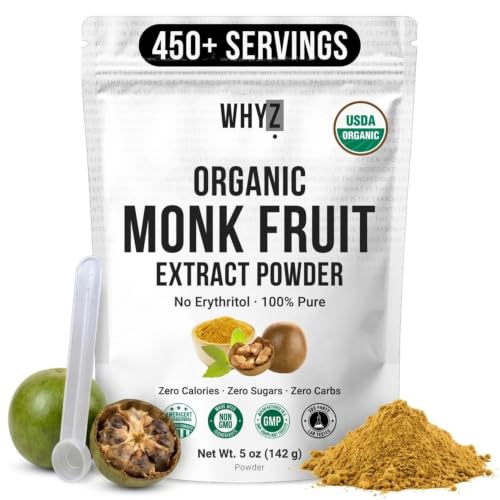
Offers 454 Servings: This organic pure monk fruit sweetener offers a great benefit. It can last for several months and so you'll be able to use it in many different recipes. With a long shelf life, it's ideal for people who are always on the go.
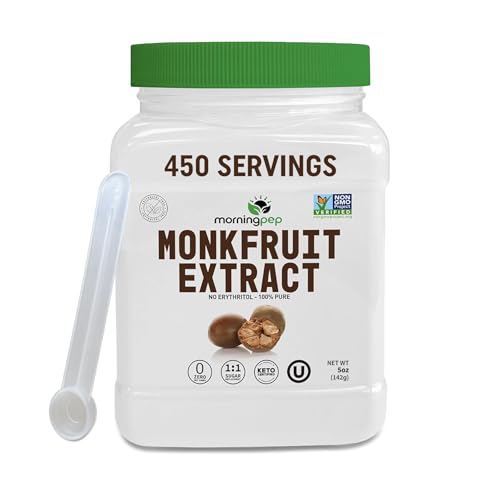
100% Pure Monk Fruit Extract: Crafted exclusively from pure monk fruit extract, delivering a clean, natural sweetness without any added ingredients, ensuring a premium, unadulterated sweetener.

ZERO-CALORIE LIQUID SWEETENER: Monk fruit, also known as Luo Han Guo, is our newest zero-calorie sweetener
Botanical Classification
Monk fruit, also known as Luo Han Guo, belongs to the gourd family, Cucurbitaceae. This family includes cucumbers, pumpkins, and squash. Unlike tree nuts that grow on trees, monk fruit grows on a vine in tropical environments. The sweet compounds in monk fruit, called mogrosides, differentiate it from nuts entirely. Since it comes from a plant related to vegetables, there’s no connection to tree nuts or their allergens.
Common Misconceptions
Many people confuse monk fruit with tree nuts due to its sweetness. It’s common to assume that all sweeteners might pose allergy risks. Monk fruit’s safe classification means those with tree nut allergies can enjoy it without worry. Always check for pure forms and read labels carefully to avoid potential cross-contamination. Remember, monk fruit’s unique origin and composition set it apart from nuts, making it a safe alternative for those with nut sensitivities.
Uses of Monk Fruit
Monk fruit offers various applications, particularly as a natural sweetener. Its unique properties cater to both culinary enthusiasts and health-conscious individuals.
Recommended Products

ZERO CALORIE MONK FRUIT SWEETENER: Enjoy the sweet taste you love with Monk Fruit In The Raw, an all-natural monk fruit sweetener with zero calories and zero net carbs.

SINGLE-INGREDIENT SWEETENER: Concentrated monk fruit extract delivers powerful sweetness so a small measure flavors many recipes, helping a single package last through extended use. The powdered format blends easily into beverages and batters for cooking and baking
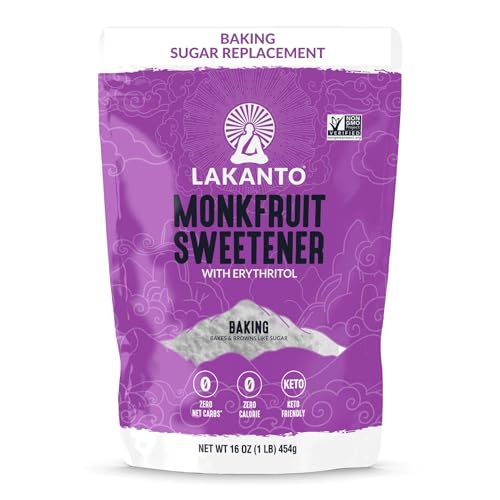
Better for Baking: Dissolves effortlessly, retains moisture, can control cookie spread, and provides better browning for your desserts
Sweetening Alternatives
Monk fruit serves as a versatile sweetening alternative. It’s significantly sweeter than sugar, meaning you can use less of it. A common ratio is one teaspoon of monk fruit sweetener replacing one cup of sugar, making it easy to reduce calorie intake without sacrificing flavor. This makes monk fruit ideal for those on low-carb or ketogenic diets. Additionally, monk fruit blends well with other sweeteners, allowing you to experiment with your favorite combinations.
Culinary Applications
Monk fruit shines in various culinary applications. You can use it in baking, cooking, and beverages. Incorporate monk fruit into recipes for desserts like cookies, cakes, and muffins. When using it in savory dishes, consider adding it to marinades or sauces for a hint of sweetness.
For beverages, monk fruit sweetener mixes well in coffee, tea, or smoothies. It dissolves easily, making it straightforward to incorporate into drinks. When cooking, keep in mind that monk fruit might not caramelize like sugar, so adjust your cooking techniques accordingly. Always check product labels for specific conversion guidelines, especially when using pre-packaged monk fruit sweeteners that may contain additional ingredients.
Conclusion
Monk fruit is a fantastic alternative for those looking to reduce sugar intake without compromising on taste. Its unique properties make it a safe choice for individuals with tree nut allergies.
As you explore the world of natural sweeteners, remember to look for pure monk fruit extract to ensure you’re getting the best quality. With its versatility in cooking and baking, you can enjoy delicious meals and treats while reaping the health benefits.
Feel free to experiment with monk fruit in your favorite recipes and savor the sweetness it brings to your diet. Enjoy your journey to healthier eating!
Frequently Asked Questions
Recommended Products

15X SWEETER THAN SUGAR: Our monk fruit drops are 15-20 times sweeter than sugar, making 6 drops as sweet as 1 full teaspoon of sugar. Zero Calories, Non-GMO, and No Fillers.

ZERO-CALORIE SWEETENER AND KETO DIET FRIENDLY: NOW Real Food Organic Monk Fruit Extract Powder is a pure powder with no additional ingredients. It has a delightfully vibrant, sweet taste with very little aftertaste

Clean Sweetness Without Erythritol: Add clean, effortless sweetness to your favorite drinks and recipes with Lakanto Pure Monk Fruit Extract Drops in Original. This zero-calorie, zero-sugar sweetener delivers pure, neutral sweetness without altering flavor profiles for coffee, tea, shakes, oatmeal, and more. A few drops support a reduced-sugar, better-for-you lifestyle with simple, natural sweetness. Erythritol free
What is monk fruit, and where does it come from?
Monk fruit, also known as Luo Han Guo, is a sweet fruit native to Southeast Asia. It is cultivated for its natural sweetness, which comes from unique compounds called mogrosides. These compounds provide sweetness without calories, making monk fruit a popular alternative to sugar.
Is monk fruit safe for individuals with nut allergies?
Yes, monk fruit is not classified as a tree nut, making it safe for those with nut allergies. It belongs to the gourd family, which is different from nuts, and its unique origin helps alleviate concerns about safety for individuals with these sensitivities.
What are the health benefits of monk fruit?
Monk fruit has several health benefits, including zero calories, blood sugar control, weight management, and antioxidant properties. It’s suitable for various diets, making it a healthy alternative to sugar.
How should I choose monk fruit products?
When selecting monk fruit products, look for labels that indicate “100% monk fruit extract” to ensure you’re getting the purest form. This helps avoid additives and potential allergens, allowing you to fully enjoy the health benefits.
Can monk fruit be used in cooking and baking?
Yes, monk fruit is versatile and can be used in various culinary applications, including baking, cooking, and beverages. However, always check for specific conversion guidelines on product labels, especially for pre-packaged monk fruit sweeteners.
Are there any side effects of consuming monk fruit?
While monk fruit poses minimal risk for most people, some individuals may experience sensitivities to monk fruit or its additives. It’s advisable to consult a healthcare professional if you have concerns or experience any adverse reactions.
How sweet is monk fruit compared to sugar?
Monk fruit is significantly sweeter than sugar, often requiring less to achieve the same level of sweetness in recipes. This makes it an excellent choice for reducing calorie intake while still enjoying sweet flavors.
