

Have you ever wondered when those delicious loquats will finally be ripe for picking? If you’ve planted a loquat tree or just enjoy the sweet fruit, knowing the right time can make all the difference.
Loquat trees are unique in their fruiting habits, and understanding their seasonal patterns can help you plan your harvest. This article will guide you through the timing of loquat fruiting, so you can enjoy the best of what your tree has to offer. Whether you’re a seasoned gardener or just curious about this delightful fruit, you’ll find valuable insights that can enhance your experience.
Key Takeaways
- Fruiting Season: Loquat trees typically bear fruit between late spring and early summer, with ripening times varying from April to June based on climate.
- Growing Requirements: Ideal conditions for loquat trees include a subtropical climate, well-drained slightly acidic to neutral soil, and at least six hours of direct sunlight daily.
- Seasonal Growth Cycle: The growth cycle starts with fragrant white flowers blooming from November to January, followed by fruit development and maturity by late spring.
- Factors Affecting Fruit Timing: Climate, variety, soil quality, and tree care practices, such as watering and fertilization, greatly influence when loquats ripen.
- Harvesting Tips: Ripe loquats are bright yellow to orange, slightly soft to the touch, and should be harvested using sharp scissors in the morning for optimal flavor.
- Storage Recommendations: Store harvested loquats in a cool, dry place, where they can last up to a week at room temperature or longer in the refrigerator.
Overview of Loquat Trees
Loquat trees (Eriobotrya japonica) thrive in warm climates and are often cultivated for their sweet, tangy fruit. These evergreen trees can grow up to 30 feet tall, featuring glossy, dark green leaves. You’ll find them in gardens, orchards, and even as ornamental plants.
Loquat trees produce fragrant white flowers that bloom in late fall through early winter. The fruit starts forming shortly after blossoming. Fruit ripening usually occurs between late spring and early summer, depending on your local climate. In regions with mild winters, expect to harvest as early as April. In cooler areas, ripening might extend to June or July.
You can prune loquat trees to encourage healthy growth. Pruning not only keeps the tree manageable but also promotes better fruit production. Aim to prune after harvesting for optimal results. Fertilize your loquat tree in early spring with a balanced fertilizer to support fruit development. Water the tree consistently, particularly during dry spells, to achieve good fruit quality.
Pests like loquat leaf scales and borers sometimes affect loquat trees. Regular inspection helps prevent serious infestations. If you notice signs of pests, treat the tree promptly with natural or chemical pesticides.
Growing Conditions for Loquat Trees
Loquat trees thrive under specific growing conditions that directly impact their fruit production. Focus on climate and soil to ensure healthy growth.
Recommended Products

Accurate Soil pH Testing: Dewildetradingco Soil pH Test Strips offer measurements of soil pH levels (pH 3.5-9). As an essential tool for every gardener and grower, these test strips help determine the optimal pH for various plants, such as outdoor plants, indoor plants, gardens, grass lawns, fruit trees, flowers, vegetables, and forest shrubs.

KNOW BEFORE YOU GROW | Grow the healthiest, sustainable lawn and garden with the most accurate and easy to use professional soil test kit on the market

PROFESSIONAL-GRADE ACCURACY: Engineered specifically for soil pH testing, delivering results quickly (in about 60 seconds). With a 3rd Generation, 3-pad ph tester strips design, our soil ph test kit ensures consistent, repeatable results for all your lawn, landscape and garden needs.
Climate Requirements
Loquat trees prefer a subtropical to mild temperate climate. Ideal temperature ranges are 50°F to 85°F. Trees may struggle in extreme heat or frost. You can enhance fruiting by providing protection from cold winds, especially during flowering. Locations with full sun exposure yield the best results. Aim for at least six hours of direct sunlight daily.
Soil Preferences
Loquat trees thrive in well-drained, slightly acidic to neutral soil. pH levels between 5.5 and 7.0 are optimal. Amending the soil with organic matter, like compost, promotes drainage and provides nutrients. Sandy loam or loamy soil types work best. Avoid heavy clay soils that retain water, as they can lead to root rot. Regular soil testing can help you monitor pH levels and adjust as necessary, ensuring your loquat trees grow strong and healthy.
Time of Year Loquat Trees Bear Fruit
Loquat trees typically bear fruit during the late spring and early summer months. This timing can vary based on your local climate and specific growing conditions.
Recommended Products
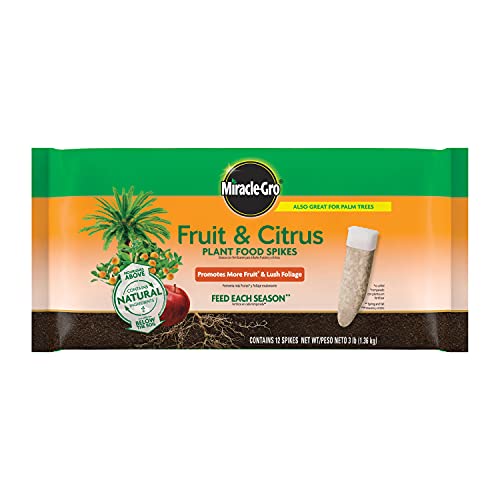
FORMULATED FOR CITRUS AND FRUIT TREES: Use these citrus fertilizer spikes on apple, orange, lemon, lime, and avocado trees; this formula is also great for feeding palm trees

Package contains 4 Pounds organic fruit and citrus fertilizer grains and is produced to avoid wasteful runoff, mess, hazards and smells

Made for Lemon & Citrus Trees – Formulated to support healthy growth in lemon and citrus plants.
Seasonal Growth Cycle
Loquat trees, or Eriobotrya japonica, start their growth cycle in late fall when they produce fragrant white flowers. These flowers usually bloom from November to January. After successful pollination, fruit develops over several months, with ripening occurring from April to June. By late spring, the fruit reaches maturity, ready for harvesting.
Factors Influencing Fruiting Time
Several factors influence when loquat trees bear fruit, including:
- Climate: Warmer climates encourage earlier flowering and fruiting. Mild winter temperatures promote flower development, leading to earlier fruiting in spring.
- Variety: Different loquat varieties may produce fruit at slightly different times. Selecting varieties based on local climate can optimize harvest timing.
- Soil Quality: Well-drained, nutrient-rich soil supports healthy tree growth and fruit production. Poor soil can delay fruit development.
- Water and Care: Adequate watering and proper tree care, such as timely fertilization, directly affect fruit yield and timing.
By understanding these factors, you can better plan your harvest and care for your loquat trees.
Harvesting Loquats
Harvesting loquats occurs when the fruit reaches maturity, typically between April and June. Knowing the right time to pick them ensures the best flavor and texture.
Recommended Products

【ANTI-SLIP HANDLE DESIGN】: The two-color anti-slip handle of the fruit pruning shears is ergonomically designed made of high purity PP+TRP secondary injection molding. Garden Pruning Shears handle is comfortable to grip and save energy. Garden shears has strong toughness and strength, which provides a strong grip and toughness for long-term use.

AMBIDEXTROUS DESIGN: Pruner shape is designed for both right and left-handed use while pruning indoor & outdoor plants such as shrubs, ornamental trees, vines, & flowers like roses; SoftGrip handle reduces hand fatigue & enhances comfort and control

Signs of Ripeness
- Color: Look for a bright yellow to orange hue on the fruit. Green loquats aren’t ready to eat.
- Texture: Gently squeeze the fruit. Ripe loquats feel slightly soft but not mushy.
- Size: Mature loquats reach about 1 to 2 inches in length.
- Shape: Fruits should appear plump and oval, indicating optimal ripeness.
Taste a fruit before harvesting. If it’s sweet with a hint of tartness, it’s perfect for picking.
- Timing: Harvest in the morning when temperatures are cooler. This preserves the fruit’s flavor and freshness.
- Tools: Use sharp, clean scissors or pruning shears. Avoid twisting the fruit off, which can damage the tree.
- Technique: Clip the stem close to the fruit. Collect loquats gently in a container to prevent bruising.
- Storage: Store picked loquats in a cool, dry place. They can last up to a week at room temperature or longer in the refrigerator.
Following these tips helps you enjoy the sweet, juicy reward of your loquat tree’s harvest at its best.
Conclusion
Understanding when your loquat trees bear fruit can make all the difference in your gardening experience. With their unique growing cycle and delicious fruit, planning for harvest time is key to enjoying the sweet rewards.
By keeping an eye on the signs of ripeness and following care tips, you can ensure a bountiful harvest. Whether you’re a seasoned gardener or just starting out, the joy of picking fresh loquats straight from your tree is truly special. So get ready to savor the flavors of your hard work and enjoy those juicy fruits when the time comes!
Frequently Asked Questions
When do loquats typically ripen?
Loquats usually ripen between late spring and early summer. Depending on your local climate, this can range from April to June. To get the best results, monitor your trees closely as they approach this timeframe.
What climate is best for loquat trees?
Loquat trees thrive in subtropical to mild temperate climates, ideally within temperatures ranging from 50°F to 85°F. Full sun exposure for at least six hours daily is essential for their growth and fruit production.
How should I care for my loquat tree?
To care for loquat trees, prune them after harvesting to promote healthy growth, fertilize in early spring, and provide consistent watering, particularly during dry spells. Regularly inspect for pests to maintain tree health.
What soil conditions are ideal for loquat trees?
Loquat trees prefer well-drained, slightly acidic to neutral soil with a pH between 5.5 and 7.0. Amending the soil with organic matter can help improve drainage and nutrient availability. Avoid heavy clay soils to prevent root rot.
How can I tell when loquats are ripe for harvesting?
Check for color, texture, size, and shape to determine ripeness. Tasting a fruit before harvesting is also recommended to ensure optimal flavor. Harvesting in the morning helps preserve freshness.
What tools do I need for harvesting loquats?
To harvest loquats, use a pair of hand pruners or scissors for a clean cut. A small basket can help collect the fruit without damaging the branches. Always handle the fruit carefully to avoid bruising.
How can I store harvested loquats?
Store harvested loquats in a cool, dry place. Keep them in a single layer to prevent bruising. They can also be refrigerated to prolong freshness, ideally consumed within a few days for the best flavor.
