

Wondering if you can trim your fruit trees in the summer? You’re not alone. Many gardeners face this question as they look to keep their trees healthy and productive. Summer pruning can seem tricky, but understanding the right techniques can make all the difference.
Key Takeaways
- Timing Matters: Trim fruit trees early in the summer when the tree has finished flowering but is still actively growing for optimal results.
- Understand Tree Varieties: Different fruit trees respond uniquely to summer pruning; for example, stone fruits benefit from early summer cuts.
- Limit Pruning Intensity: Avoid heavy pruning; limit cuts to 25% of the foliage to maintain tree vigor and prevent shock.
- Promote Health with Care: Use sharp, clean tools, and prune during dry weather to reduce the risk of disease and ensure clean cuts.
- Foster Growth: Focus on improving air circulation and sunlight exposure by removing crowded branches or dead limbs to enhance overall tree health.
- Consider Alternatives: If summer pruning is challenging, late winter or early spring pruning can be an effective and less stressful alternative.
Understanding Fruit Tree Pruning
Pruning fruit trees during summer can boost their health and fruit production. Understanding the techniques and timing involved is essential for achieving optimal results.
Benefits of Pruning Fruit Trees
- Improves Air Circulation: Pruning opens up the canopy, allowing better airflow. This circulation reduces the risk of disease and promotes healthy growth.
- Enhances Sunlight Exposure: Proper pruning directs sunlight to the inner branches. More light leads to increased fruit quality and yield.
- Encourages New Growth: Summer pruning encourages the development of new shoots. These new growths often yield more fruit in the upcoming season.
- Reduces Pests and Diseases: Removing dead or diseased limbs mitigates the chances of pest infestations. Keeping trees healthy decreases the likelihood of disease spread.
- Shapes the Tree: Pruning allows for better shaping of the tree. A well-structured tree enhances not only productivity but also aesthetic appeal.
- Assess the Tree’s Growth Stage: Early summer is ideal for pruning once the tree has finished flowering. At this stage, leaves are fully developed, making it easier to evaluate growth.
- Consider the Tree Variety: Different fruit trees respond differently to pruning. For instance, stone fruits can be pruned in early summer, while other types may benefit from late-summer cuts.
- Avoid Extreme Heat: Prune during cooler parts of the day. Morning or late afternoon provides a stress-free environment for the tree.
- Monitor Weather Conditions: Select a period of dry weather. Pruning during wet conditions increases vulnerability to diseases.
- Limit Heavy Pruning: Avoid excessive cuts in one go. Light, selective pruning maintains tree health and minimizes shock.
By grasping these key concepts, you enhance your ability to manage fruit trees effectively while maximizing their potential.
Can I Trim Fruit Trees in the Summer?
Yes, you can trim fruit trees in the summer. This practice, known as summer pruning, helps enhance the health and productivity of your trees when done correctly.
Recommended Products

Reduce Hand Strain: These micro tip snips are made to reduces hand fatigue which makes them great for those with arthritis, carpal tunnel, hand or wrist issues; Comfortable “grip” handles will make it easy to work for long-time use without making you feel hand pain
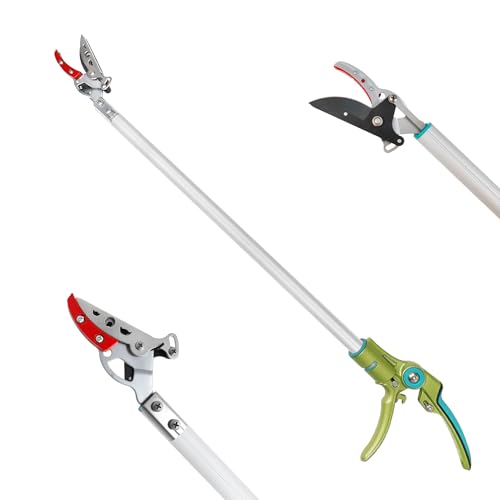
[REACH HIGH & STAY SAFE](No Ladder Required) Say goodbye to wobbly ladders! This 32inch long reach pole pruner offers an extra 30 inches of safe reach, allowing you to prune high branches or tall fruit trees while standing firmly on the ground. It’s the perfect extension tool for maintaining your backyard without the risk of falling.

LONG-LASTING SHARPNESS: Japanese SK5 bypass blade with titanium coating is tested through 5,000 cuts to maintain a sharp edge and deliver clean, consistent cuts on live stems and branches
Factors to Consider for Summer Trimming
- Tree Growth Stage: Assess whether your tree is actively growing. Ideal timing for pruning is when trees are in full leaf but not overgrown.
- Fruit Tree Variety: Some varieties respond better to summer pruning than others. For instance, stone fruit trees like peach and plum thrive with summer trimming, while others may require different techniques.
- Weather Conditions: Avoid pruning during extreme heat. Ideal conditions involve mild weather to prevent stress on the tree.
- Amount of Pruning: Limit heavy pruning to avoid shocking the tree. Removing no more than 25% of the foliage helps maintain tree vigor.
- Use Sharp Tools: Clean, sharp pruning shears ensure clean cuts, reducing the risk of disease.
- Remove Dead or Diseased Branches: Focus on cutting away any limp, dead, or diseased sections to encourage healthy growth.
- Thin Crowded Areas: Trim excess growth in crowded zones to improve air circulation and sunlight penetration.
- Cut at the Right Angle: Make cuts at a slight angle, which helps water runoff and prevents rot.
- Monitor New Growth: After pruning, keep an eye on the tree’s response. Healthy regrowth indicates successful pruning.
By following these guidelines, you can effectively manage your fruit trees during the summer and promote their overall health and yield.
Potential Risks of Summer Pruning
Summer pruning carries specific risks that can affect both fruit production and tree health. Understanding these potential issues helps you make informed decisions about your pruning practices.
Recommended Products

Seal & Protect Tree Wounds Fast: Thick 2X concentrated formula designed to coat and seal cuts, cracks, and bark damage. This tree wound sealer supports natural healing by creating a durable moisture-resistant layer. Works as a reliable tree wound dressing for pruning, storm recovery, or grafting.

★ 1. What you get: Professional convenient grafting tool set including a dual-use grafting pruner tool contain 2 extra replaceable blades, a wrench and a screwdriver, along with 36pcs wide rubber bands, 150 thick rubber bands and 1 grafting tape, packed in a black wallet to meet all your needs

1:EXTENDABLE REACH FOR LADDER-FREE SAFETY – Acting as both a reliable tree pruner and a fruit picker pole, this tool effortlessly extends from 3.28 to 5.25 FT to reach high branches up to 10 FT from the ground. The innovative rotating and locking head allows for precise angles without unstable ladders or risky stretching, ensuring maximum safety.
Impact on Fruit Production
Pruning in summer can negatively influence fruit production if not executed properly. Cutting too much foliage removes the leaves that provide energy for fruit development. Without enough leaves, the tree may produce fewer and smaller fruits. In addition, late summer pruning might expose developing fruits to sunburn, affecting quality and taste.
To avoid these issues, limit pruning to 25% of the tree’s foliage. Focus on removing dead or crowded branches rather than heavy cuts, ensuring that the tree retains enough leaves for optimal fruiting.
Tree Health Concerns
Summer pruning can pose health risks to fruit trees. High humidity and rising temperatures increase the chance of disease, particularly if cuts do not heal quickly. Open wounds are susceptible to pathogens, which can lead to rot or infestations.
To minimize health risks, always use sharp, clean tools for pruning. Cut at proper angles and avoid heavy cuts during hot weather. Additionally, monitor weather conditions closely and aim to prune during dry periods to discourage disease spread. Consider applying a protective sealant on larger cuts to help protect against potential infections.
Alternatives to Summer Pruning
If summer pruning doesn’t suit your plans, consider these alternatives for maintaining the health of your fruit trees.
Late Winter or Early Spring Pruning
Late winter or early spring serves as an optimal time for pruning fruit trees. During this period, the trees are dormant, reducing stress from pruning. Cutting back branches now encourages vigorous growth in spring, promoting healthy fruiting. Focus on removing dead, damaged, or crossing branches to improve overall health. Aim to make clean cuts at a slight angle, preventing moisture buildup on wounds.
Thinning Techniques
Thinning provides an excellent strategy to improve air circulation and light penetration without heavy pruning. Remove excess fruits and smaller branches at their base, allowing the tree to allocate resources to remaining fruits. For instance, spacing apples about 6 to 8 inches apart enhances fruit quality. Use sharp, clean tools to make precise cuts and minimize the risk of disease. This targeted action boosts tree vigor while ensuring a bountiful harvest.
Conclusion
Summer pruning can be a great way to keep your fruit trees healthy and productive. By following the right techniques and being mindful of your tree’s needs you can enhance air circulation and sunlight exposure. Just remember to limit heavy pruning to avoid stressing your trees too much.
With the right approach you’ll encourage new growth while minimizing risks like sunburn or disease. Whether you choose to prune in summer or stick to the traditional late winter or early spring methods it’s all about finding what works best for your specific trees. Embrace the journey of caring for your fruit trees and enjoy the rewards they bring in the seasons to come.
Frequently Asked Questions
Is summer pruning beneficial for fruit trees?
Summer pruning can greatly benefit fruit trees by improving air circulation, increasing sunlight exposure, and encouraging new growth. When done correctly, it can lead to healthier trees and increased fruit production.
What are the risks of summer pruning?
Improper summer pruning techniques can harm fruit production by removing essential leaves and exposing fruits to sunburn. It’s important to limit pruning to 25% of the tree’s foliage and cut during suitable weather conditions.
When is the best time to prune fruit trees?
While summer pruning can be effective, late winter or early spring is often the best time to prune fruit trees. This approach reduces stress on the tree and promotes vigorous growth in the spring.
How much should I prune during the summer?
Limit summer pruning to 25% of your fruit tree’s foliage. This helps maintain tree vigor while removing any dead or crowded branches for better air circulation and light penetration.
What tools are best for summer pruning?
Using sharp, clean tools is crucial for summer pruning. This ensures clean cuts that minimize damage and reduce the risk of disease in your fruit trees.
Which fruit trees benefit most from summer pruning?
Stone fruit trees, like cherries and peaches, typically respond better to summer pruning. Assess the specific variety of your trees to determine the best approach for each type.
How can I minimize disease risks when pruning in summer?
To minimize disease risks during summer pruning, use sharp tools, cut during dry periods, and apply protective sealants on larger cuts. Monitor weather conditions to avoid pruning during high humidity.
