

Growing fig trees in Boise, ID can be successful with the right techniques tailored for high desert conditions. Proper selection of varieties, soil preparation, and care practices will ensure healthy growth and fruit production.
Best Fig Varieties for Boise’s Climate
Choosing the right fig varieties is crucial for success in Boise’s climate. The high desert environment presents unique challenges, including temperature fluctuations and low humidity. Opt for varieties that are known for their resilience and ability to thrive in such conditions.
Celeste: Sweet and small, this variety is cold-hardy and produces fruit early in the season.
Brown Turkey: Known for its adaptability, this variety yields large fruits and can withstand varying temperatures.
Kadota: A reliable choice that offers a unique flavor and is resistant to pests.
| Fig Variety | Cold Hardiness | Fruit Size | Taste Profile |
|---|---|---|---|
| Celeste | Zone 6 | Small | Sweet |
| Brown Turkey | Zone 6 | Large | Mild |
| Kadota | Zone 7 | Medium | Sweet |
Recommended Products


🍇 Sweet, Medium-Sized Figs – Rich flavor with glossy dark purple skin and vibrant interior.

Soil Amendments for Fig Tree Health
To cultivate healthy fig trees in Boise’s high desert climate, understanding soil amendments is crucial. The right nutrients and soil structure can significantly enhance growth and fruit production. This section will explore the essential amendments needed to create an optimal environment for your fig trees to thrive.
Soil preparation is vital for fig tree health. High desert soils can be rocky and nutrient-poor, requiring amendments to support growth.
Test Soil pH: Aim for a pH between 6.0 and 6.5 for optimal nutrient uptake.
Amend Soil: Incorporate organic matter such as compost or well-rotted manure to improve soil structure and fertility.
Ensure Drainage: Fig trees dislike standing water, so ensure your planting site has good drainage.
Fig Tree Soil Preparation Techniques
Preparing the right soil is crucial for the successful growth of fig trees in Boise’s high desert climate. This section outlines effective techniques to ensure your soil is well-draining, nutrient-rich, and conducive to healthy fig tree development. By focusing on these preparation methods, you can create an optimal environment for your trees to thrive.
Dig a Hole: Create a hole twice the width of the root ball and deep enough to accommodate the roots.
Mix Amendments: Combine native soil with compost and other organic materials.
Backfill: Place the amended soil back into the hole, ensuring no air pockets remain.
Irrigation Strategies for Fig Trees in Boise
Effective irrigation is crucial for growing fig trees in Boise’s high desert climate, where water availability can be limited. Understanding the specific needs of these trees will help ensure they thrive despite the region’s challenges. This section outlines practical irrigation strategies tailored to the unique conditions of Boise, enabling successful fig cultivation.
Proper watering is essential for fig tree success in Boise’s dry climate. Fig trees require consistent moisture, especially during the growing season.
Deep Watering: Water deeply but infrequently to encourage deep root growth.
Mulching: Apply a 2-3 inch layer of mulch around the base to retain moisture and regulate soil temperature.
Monitor Soil Moisture: Use a moisture meter to ensure soil remains adequately moist but not saturated.
Recommended Products
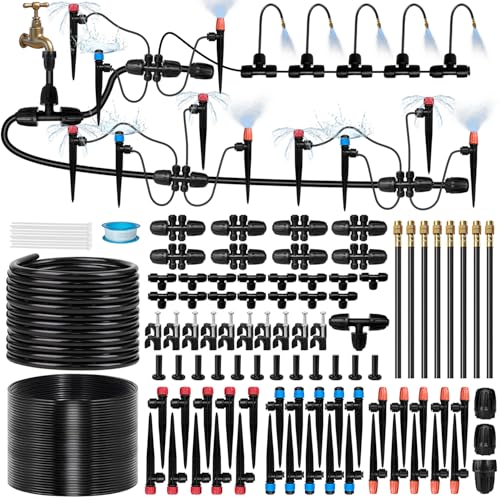
【Upgraded Tube Design & Water Saving】 Our garden watering system is upgraded to 1/2” diameter to support high water pressure. The 1/2” tee connector allows seamless splitting into 2 independent zones for customized watering schedules. By delivering moisture directly to root zones, this drip Irrigation system significantly reduces evaporation and runoff—saving more water compared to conventional sprinklers while eliminating the need for manual watering.
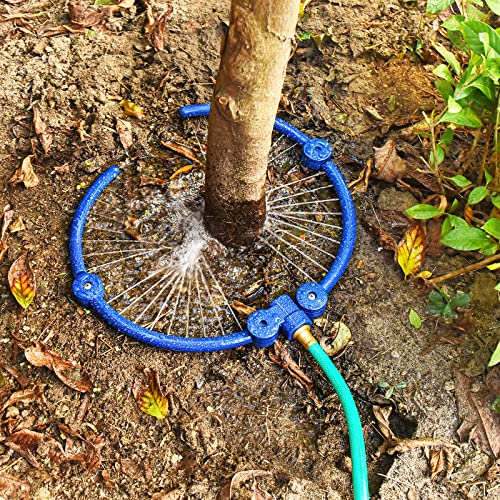
【Specially Designed for Trees and Shrubs】 The Watering Ring is a multi-purpose irrigation ring that attaches to a garden hose to efficiently water young trees shrubs vegetables or flower beds using drip or trickle irrigation.It directs water to the root perimeter of the plant to give them a good start during the first two growing seasons or through periods of drought.

NO MORE HARD INSTALLATION - SET UP IN MINUTES. Tired of struggling with stiff barbed fittings? This drip irrigation system features quick-connect fittings that let you push, lock, and secure tubing effortlessly. No tools, no leaks, just a smooth setup experience. Enjoy a frustration-free installation and get your garden watering system running in minutes.
Fig Tree Watering Guide for Boise
Watering fig trees in Boise’s high desert climate requires a tailored approach to ensure healthy growth and fruit production. Understanding the unique moisture needs of these trees is crucial, especially given the region’s dry conditions. This guide will provide essential tips for effectively watering fig trees to thrive in Boise.
| Season | Frequency | Amount |
|---|---|---|
| Spring | Weekly | 1-2 gallons |
| Summer | Every 5-7 days | 2-3 gallons |
| Fall | Bi-weekly | 1 gallon |
Fertilization Strategies for Fig Trees
Fertilizing fig trees is crucial for their growth and fruit production, especially in the unique climate of Boise, ID. Understanding the specific nutrient needs and the best timing for fertilization can significantly enhance the health and yield of your trees. This section will explore effective fertilization strategies tailored for the high desert environment.
Fertilizing your fig trees appropriately will enhance growth and fruit production. High desert soils often lack essential nutrients, making fertilization necessary.
Choose Fertilizer: Use a balanced fertilizer with equal parts nitrogen, phosphorus, and potassium.
Apply in Spring: Fertilize in early spring before new growth begins.
Follow Instructions: Adhere to the recommended application rates to avoid over-fertilization.
Recommended Products

ARE YOU STARVING YOUR FIDDLE LEAF FIG? Fiddle leaf fig plants require precise nutrients to thrive, promoting their growth, vitality, and robust root systems. Our exclusive Fiddle Leaf Fig Plant Food offers a tailored plant food solution, ensuring optimal nourishment for your beloved plant. Say goodbye to alternatives and provide your fiddle leaf fig with the care it truly deserves.
![𝐁𝐄𝐒𝐓𝐒𝐄𝐋𝐋𝐄𝐑 10-10-10 Plant Fertilizer Slow Release | 10 10 10 All Purpose Fertilizer for Fruit Trees, Evergreens, Vegetables, Arborvitae, Fig Trees, Shrubs, Pines, Oaks, Flowers [8 OZ]](https://m.media-amazon.com/images/I/51-q3qOxQSL._SL500_.jpg)
🌱 ALL-PURPOSE PLANT FOOD - Balanced 10-10-10 NPK fertilizer supports strong root development, lush foliage, and vibrant blooms for vegetables, flowers, trees, shrubs, and lawns.

FEED YOUR FICUS: Contains micronutrients for Fiddle Leaf Fig Trees. These indoor plants need nutrients, in addition to light and water to promote healthy growth and prevent brown spots on leaves
Fertilizer Application for Fig Trees
Proper fertilizer application is crucial for the healthy growth of fig trees, especially in Boise’s high desert climate. Understanding the specific nutrient needs of these trees will help ensure robust fruit production and overall vitality. This section will outline effective fertilization strategies tailored to the unique conditions of the region.
Granular Fertilizer: Apply 1 pound per tree for younger trees, increasing to 2-3 pounds for mature trees.
Liquid Fertilizer: Dilute according to package instructions and apply every 4-6 weeks during the growing season.
Pest Control Strategies for Fig Trees
Managing pests is crucial for the health and productivity of fig trees, especially in Boise’s unique high desert environment. Understanding common pests and implementing effective control strategies can help ensure your trees thrive and produce abundant fruit. This section outlines practical approaches to safeguard your fig trees from potential threats.
Pest management is crucial for maintaining healthy fig trees. High desert conditions can attract specific pests that may harm your trees.
Common Pests: Watch for fig beetles, aphids, and spider mites.
Natural Predators: Encourage beneficial insects like ladybugs to control pest populations.
Organic Sprays: Use insecticidal soap or neem oil as a preventative measure.
Fig Tree Pest Control Techniques
Managing pests is crucial for the health of fig trees, especially in Boise’s unique high desert environment. Understanding the common pests that affect these trees and implementing effective control techniques will help ensure a bountiful harvest. This section will explore practical strategies to protect your fig trees from infestations and promote their overall vitality.
| Pest | Symptoms | Control Method |
|---|---|---|
| Fig Beetles | Holes in leaves | Handpicking or traps |
| Aphids | Curling leaves | Insecticidal soap |
| Spider Mites | Webbing on leaves | Neem oil application |
Fig Tree Cultivation Strategies for Boise
Growing fig trees in Boise’s high desert climate presents unique challenges and opportunities. Understanding the specific cultivation strategies tailored to this region is essential for successful growth and fruit production. This section will explore effective techniques to help you thrive in cultivating fig trees amidst Boise’s distinct environmental conditions.
Growing fig trees in Boise requires attention to variety selection, soil preparation, watering, fertilization, and pest control. Implementing these strategies will lead to a thriving fig tree that produces delicious fruit in the high desert climate.
