

Thinking about planting a loquat tree but worried about how much work it will take to care for it?
Taking care of a loquat tree involves tasks like pruning, watering, fertilizing, pest control, and harvesting.
It's important to consider the time and effort these tasks will need.
Understanding how much work it takes to care for a loquat tree can help you decide if it's the right choice for your garden.
Key Takeaways
- Pruning and maintenance of loquat trees is important for their health and shape.
- Proper watering and soil moisture management are crucial for root development.
- Loquats thrive in well-draining soil with a slightly acidic to neutral pH.
- Implementing a proactive and integrated pest control strategy is essential to minimize pesticide use.
Pruning
When pruning your loquat tree, it's essential to carefully consider the branches that need to be removed to maintain its health and shape. Pruning techniques play a crucial role in the overall well-being of your tree.
Start by removing any dead, damaged, or diseased branches. This will help promote healthy growth and prevent the spread of infections.
Additionally, you should prune to maintain an open center in the tree, allowing sunlight and air to penetrate the canopy.
Seasonal timing is also important. It's best to prune your loquat tree during late winter or early spring before new growth begins. Avoid heavy pruning in the fall as it can stimulate new growth that may be damaged by winter frosts.
Recommended Products

CLEAN CUTS FOR LIVE GROWTH: Bypass blade design is ideal for pruning delicate flower stems and green growth, helping reduce crushing and plant damage while cutting stems and small branches up to 5/8” in diameter

IDEAL BRANCH TRIMMER: 28" Steel blade garden bypass lopper that glides through up to 1.5" thick branches for easy cuts; Works well for trimming tree branches to maintain your yard and garden, and to encourage overall plant health and appearance

LONG-LASTING SHARPNESS: Japanese SK5 bypass blade with titanium coating is tested through 5,000 cuts to maintain a sharp edge and deliver clean, consistent cuts on live stems and branches
Watering
To ensure the continued health and vitality of your loquat tree, it's important to establish a proper watering routine that complements the careful pruning techniques you've employed.
Maintaining optimal soil moisture is crucial for the root development of your loquat tree. Loquats prefer well-draining soil, so be mindful not to overwater. During the growing season, check the soil moisture regularly by feeling the top few inches of soil.
Water the tree deeply when the soil feels dry to the touch, ensuring that the water reaches the root zone. Adjust the frequency of watering based on weather conditions, as loquats may need more water during hot and dry periods.
Consistent and mindful watering will support healthy root development, leading to a flourishing and productive loquat tree.
Fertilizing
For optimal growth and fruit production, nourish your loquat tree with a balanced fertilizer in early spring. Proper fertilizing is crucial for maintaining the health and productivity of your loquat tree. Here's what you need to know about fertilizing your loquat tree:
- Soil composition: Loquat trees thrive in well-draining soil with a slightly acidic to neutral pH. Before fertilizing, it's essential to ensure that the soil has the right balance of nutrients and organic matter to support the tree's growth.
- Seasonal schedule: Fertilize your loquat tree in early spring before new growth begins. This helps provide the necessary nutrients for the upcoming growing season. Avoid fertilizing in late summer or fall, as this can stimulate new growth that may be susceptible to frost damage.
- Use a balanced fertilizer with equal parts nitrogen, phosphorus, and potassium to promote healthy foliage, strong roots, and fruit development.
- Consider conducting a soil test to determine any specific nutrient deficiencies and adjust your fertilizing routine accordingly.
Recommended Products
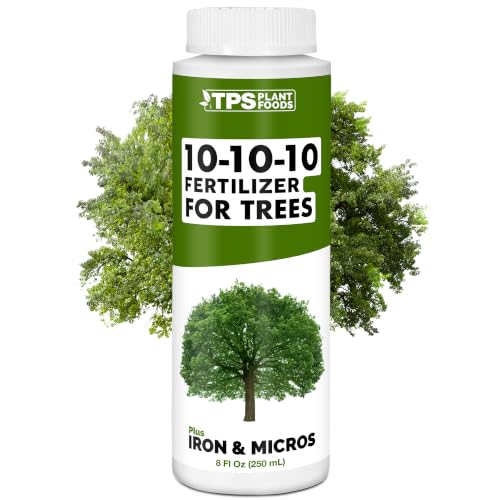
Supports Roots, Foliage & Structure – Helps encourage strong roots and steady plant development.

🍋 EXPLOSIVE HARVEST: GardenWise ignites a remarkable yield boost. Its scientific blend, featuring 6% nitrogen for growth, 4% phosphorus for flowering, and 6% potassium for fruit quality, culminates in an abundance of flavorful, aromatic fruits. This is more than growth; it's a nutrient-powered revolution in your citrus yield.

Essentials for Fruit Production- With a balanced NPK of 6-3-3 we made sure to pack this liquid plant food with all the important macronutrients such as nitrogen, phosphorus, and potassium plus micronutrients like zinc and manganese
Pest Control
To effectively protect your loquat tree from pests, it is essential to implement a proactive and integrated pest control strategy that includes regular monitoring and appropriate interventions. Integrated pest management (IPM) emphasizes the use of natural remedies and beneficial insects to minimize the need for pesticides. Below is a table summarizing common pests and recommended pest control methods for loquat trees.
| Pest | Control Methods |
|---|---|
| Aphids | Introduce ladybugs, use insecticidal soap |
| Fruit Flies | Hang sticky traps, remove fallen fruit regularly |
| Scale Insects | Prune affected branches, apply horticultural oil |
| Caterpillars | Handpick caterpillars, use Bacillus thuringiensis (Bt) |
| Spider Mites | Release predatory mites, mist tree to increase humidity |
Implementing IPM and encouraging beneficial insects can significantly reduce the need for pesticides, promoting a healthy and balanced ecosystem for your loquat tree.
Recommended Products

INSECT KILLER: Fast-acting formula kills listed insects including aphids, Japanese beetles, caterpillars, whiteflies, and other listed pests on contact

KILLS LISTED FRUIT & CITRUS TREE INSECTS: Controls Asian Citrus Psyllid, Whiteflies, Aphids Thrips, Citrus Leafminers, Leafhoppers, Blackfly, Mealybugs, Scales, Avocado Lacebugs, Oriental Beetles, Flea Beetles, Sharpshooters, and Spittlebugs

No chemical exposure to applicator or the environment
Harvesting
When harvesting your loquat tree, it's important to wait until the fruit is fully ripe before picking. This ensures that the fruits are sweet and ready to be enjoyed. To harvest your loquats effectively, follow these steps:
- Check for fruit ripeness by gently squeezing a few fruits. Ripe loquats will yield slightly to pressure and have a vibrant orange color.
- Use pruning shears or scissors to carefully cut the stems of the ripe fruits, making sure not to damage the tree or the surrounding fruits.
- Store harvested loquats in a cool, dry place, such as the refrigerator, to extend their shelf life. They can also be stored in a ventilated container at room temperature for a few days.
- Enjoy the delicious fruits fresh, or incorporate them into various culinary delights like jams, pies, and salads.
Harvesting ripe loquats is a rewarding and enjoyable task that allows you to savor the fruits of your labor.
Conclusion
To care for a loquat tree requires some effort, but the payoff is worth it. By tending to its needs and ensuring a healthy environment, you can enjoy a bountiful harvest of delicious fruit.
With dedication, your loquat tree will continue to thrive and provide you with sweet, juicy loquats for years to come.
