

Loquat trees, known for their tasty fruit and attractive leaves, are causing concerns in some places. They're considered invasive in the United States, Australia, New Zealand, South Africa, and Spain. This means they can harm the local environment.
But why are they a problem in these areas, and what does it mean for the landscapes there? Let's explore the reasons behind this classification and the impact it has.
Key Takeaways
- Loquat trees are considered invasive in the United States, Australia, New Zealand, South Africa, and Spain.
- They pose a threat to native vegetation, disrupt ecosystems, and lead to biodiversity loss.
- Management strategies in these countries include targeted removal, restrictions on planting, and public awareness campaigns.
- The cultural value of loquat trees, particularly in Spain, presents a challenge in balancing their cultivation and environmental impact.
United States
In the United States, loquat trees have become a concern due to their invasive nature and potential impact on native ecosystems. Regulations regarding loquat trees vary by state, with some states classifying them as invasive species and restricting their cultivation and propagation.
The impact on local ecosystems is a major concern, as loquat trees can outcompete native plants for resources, leading to a decrease in biodiversity. Additionally, their dense foliage can alter the structure of natural habitats, affecting the wildlife that depend on them.
Efforts to control the spread of loquat trees involve removing existing trees and preventing new ones from being planted. Understanding the regulations and potential impact on local ecosystems is crucial for managing the presence of loquat trees in the United States.
Australia
Loquat trees, known for their invasive nature in the United States, have also become a concern in Australia due to their potential impact on native ecosystems. In Australia, loquat trees have been observed outcompeting native vegetation and altering the structure of natural habitats. Their rapid spread poses a threat to the biodiversity of local flora and fauna. To address this issue, various management strategies have been implemented to control the spread of loquat trees in Australia.
| Management Strategies | Description |
|---|---|
| Manual Removal | Hand-pulling or cutting down young loquat trees to prevent further seed dispersal. |
| Herbicide Application | Targeted use of herbicides to control established loquat tree populations in sensitive areas. |
| Public Awareness Campaigns | Educating the public about the invasive nature of loquat trees and promoting responsible landscaping practices. |
Efforts are ongoing to minimize the impact of loquat trees on Australia's delicate ecosystems and preserve native biodiversity.
Recommended Products

Thorough Eradication with No Regrowth: Quickly tackles weeds and small trees (stem diameter: 1/4" - 2") by pulling out stubborn root balls entirely, stopping regrowth permanently. Eliminates the need for repeated seasonal pruning, saving labor and time to wipe out harmful invasive plants in one go.

Permanent Root Removal: Engineered to remove invasive woody plants by the roots, Tree Popper ensures complete extraction for a long-lasting solution. Designed with unparalleled leverage, it makes removing tough plants with stems up to 2 inches effortless and effective, leaving surrounding plants untouched and reducing regrowth.
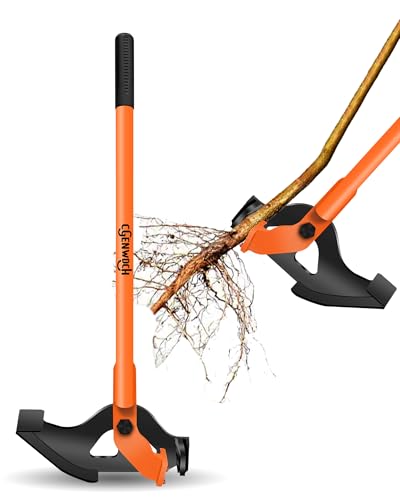
Permanent Eradication: Sapling puller can quickly deal with weeds and small trees with stem diameters of 1/4" - 3/4", and completely pull out their stubborn root balls to prevent regrowth, without seasonal pruning, saving time and cost. Completely remove harmful invasive plants once and for all
New Zealand
Amidst the lush landscapes of New Zealand, the encroachment of loquat trees has sparked concerns about their potential impact on the country's native ecosystems.
The ecological impact of loquat trees in New Zealand is significant, as they can outcompete native vegetation and disrupt the balance of local flora and fauna. These invasive trees have the potential to alter the structure and function of natural ecosystems, posing a threat to biodiversity.
To address this issue, various management strategies are being implemented, including targeted removal of loquat trees in sensitive ecological areas, public awareness campaigns to prevent further spread, and the promotion of native species to restore damaged habitats.
Recommended Products

Uproots 1/4" to 1-3/8" Woody Stems – Designed for removing saplings, small trees, woody weeds, brush, shrubs, vines, and invasive plants with stem diameters from 1/4" to 1-3/8". This heavy-duty tree puller grips close to the plant base and uses leverage to help pull out the root system more effectively than cutting stems at ground level, helping reduce regrowth.

INDUSTRIAL-GRADE STRENGTH & DURABILITY: Engineered from 100% high-strength 65Mn manganese steel with advanced seamless welding, this tree removal tool is built for heavy-duty reliability. This professional design withstands over 240 lbs of vertical pulling force, ensuring consistent performance in rocky soil and heavy clay without snapping or bending
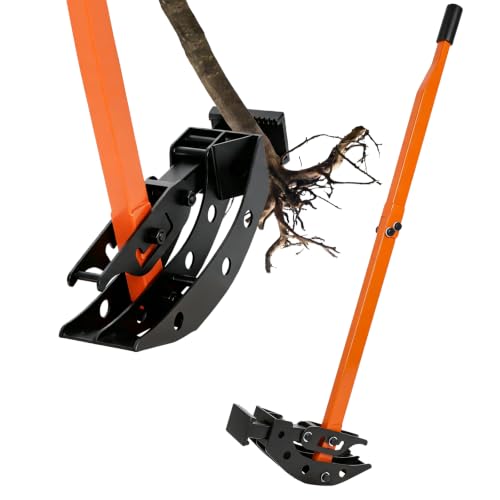
Versatile Stump & Root Removal Tool – This tree puller tool effectively removes stumps, roots, brush, vines, and saplings from 0.25 to 2 inches. The root cutter design quickly clears unwanted plants without damaging surrounding soil. A reliable stump remover for gardeners.
South Africa
The encroachment of loquat trees in New Zealand highlights the global impact of these invasive plants, and South Africa is no exception. Loquat trees, originally introduced for their fruit, have become a concern due to their environmental impact in South Africa.
These trees can outcompete native species, leading to biodiversity loss and altered ecosystems. The government has implemented management strategies to control their spread, including targeted removal and restrictions on planting.
Economically, the presence of loquat trees can have implications for agricultural activities, as they may interfere with crop production and water availability.
Culturally, loquat trees hold significance, but their invasive nature has prompted a reevaluation of their role in the South African landscape.
Balancing their cultural value with their environmental impact remains a challenge for conservation efforts in South Africa.
Spain
Nestled among the vibrant landscapes of Spain, loquat trees have established a significant presence with their lush foliage and clusters of golden fruits dotting the countryside. The cultivation of loquat trees in Spain has been a longstanding tradition, with the fruit being enjoyed fresh, or used in preserves and desserts.
However, the introduction of loquat trees has also had an environmental impact in Spain, as they can spread rapidly and outcompete native vegetation, altering the local ecosystem.
Loquat Trees in Spain:
- Cultivation: Spaniards have cultivated loquat trees for generations, making them an integral part of the country's agricultural heritage.
- Adaptability: Loquat trees thrive in Spain's Mediterranean climate, providing a source of fresh, juicy fruits for locals and visitors alike.
- Environmental Impact: The rapid spread of loquat trees in Spain has raised concerns about their potential to disrupt the balance of native flora and fauna.
Conclusion
In regions like the United States, Australia, New Zealand, South Africa, and Spain, loquat trees have proven to be invasive and disruptive to local ecosystems. It's crucial to recognize the impact of introducing non-native species and take steps to prevent their spread.
Being mindful of the environmental consequences can help preserve the balance of these delicate ecosystems.
