

Transform your backyard into a bustling wildlife haven with loquat trees as the main attraction. These trees offer juicy fruit and shelter, attracting a variety of creatures.
But how can you create such a thriving ecosystem in your yard? Let's explore the simple steps to turn your outdoor space into a wildlife paradise for animals of all sizes.
Key Takeaways
- Loquat trees are beneficial for wildlife as they provide a valuable food source and contribute to wildlife conservation.
- Choosing the right location for loquat trees is important, considering their foliage and fruit production, and ensuring well-draining, slightly acidic soil with sufficient sunlight.
- Planting and caring for loquat trees involves proper soil conditions, regular watering, pruning for optimal fruit production, and considering planting multiple trees for pollination.
- Loquat trees attract wildlife, including birds and beneficial insects, enhance biodiversity, and create a healthy habitat when maintained through pruning, pest control, fertilization, and mulching.
Benefits of Loquat Trees for Wildlife
Loquat trees provide a valuable food source and shelter for a variety of wildlife, making them an essential component of a thriving ecosystem.
The fruit production of loquat trees contributes significantly to wildlife conservation by offering a nutritious and abundant food source for birds, squirrels, and other animals.
Additionally, the dense foliage of loquat trees provides shelter and nesting sites for various species, promoting ecosystem diversity.
By incorporating loquat trees into sustainable landscaping practices, you can create a habitat that supports and attracts a wide range of wildlife, ultimately contributing to the preservation of local fauna.
These trees not only enhance the beauty of your landscape but also play a crucial role in supporting and maintaining the delicate balance of the ecosystem.
Choosing the Right Location for Loquat Trees
When selecting the right location for loquat trees, consider how their foliage and fruit production can contribute to providing a valuable food source and shelter for wildlife, ultimately supporting the delicate balance of the ecosystem. To ensure healthy growth and abundant fruit production, it's crucial to plant loquat trees in an area with well-draining, slightly acidic soil. Loquats thrive in full sun but can tolerate partial shade, so choose a location with at least 6-8 hours of sunlight daily. Here's a brief overview of the ideal soil and sunlight requirements for loquat trees:
| Ideal Soil | Sunlight Requirements |
|---|---|
| Well-draining | Full sun to partial shade |
| Slightly acidic | 6-8 hours of sunlight daily |
| Rich in organic matter |
Recommended Products

【Ideal pH Balance】Our citrus soil is carefully calibrated to maintain an optimal pH level between 6.0 and 7.1, ensuring your citrus trees can absorb essential nutrients efficiently and thrive
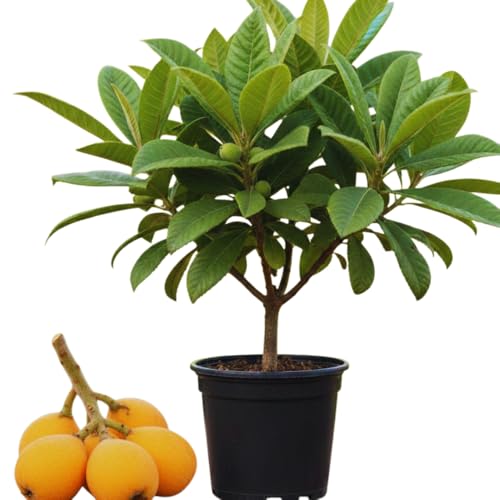
Produces sweet, golden loquat fruits when mature, ideal for home gardens or patios. No ship to CA

100% Natural: Special custom blend for olive trees in containers
Planting and Caring for Loquat Trees
Consider the following tips for successfully planting and caring for your loquat trees to ensure their optimal growth and fruit production.
- When planting, choose a well-draining soil with a pH of 6.5-7.5.
- Loquats require regular watering, especially during dry spells, but be cautious not to overwater as it can lead to root rot. Implement a watering schedule, providing consistent moisture without waterlogging the roots.
- To encourage disease resistance, maintain good air circulation around the tree by spacing them appropriately.
- Pruning techniques should focus on removing dead or diseased branches while shaping the tree for optimal fruit production.
- Loquats are self-fertile, but to boost pollination and fruit yield, consider planting multiple trees.
- Lastly, monitor for pests and implement pest control measures when necessary to safeguard the tree's health and productivity.
Recommended Products

Protect Your Vegetables and Fruits: LCHUANG Garden Netting is great for orchards, greenhouses, gardens, nurseries, patios, and shrubs. This Bird Netting with a zipper can protect blueberries, tomatoes, trees, fruits, flowers, vegetables, and potted plants from insects, birds, and bugs, which helps the plants grow normally.

Package include: the package include 2 packs of garden bug netting, the size is 3.2 x 4.9 feet, easy to use and large enough to fit the plants easily,Ideal for protecting plants from insects, pests, birds and many other animals.

STRONG TREE PROTECTION: 3 large 8×8 ft nets provide full coverage for medium to large fruit trees, effectively protecting fruits from birds, insects, squirrels and other pests. Minimizes gaps to ensure reliable, all-around fruit protection.
Attracting Wildlife With Loquat Trees
To create a thriving ecosystem around your loquat trees, it's important to understand how these trees can attract a diverse range of wildlife.
- Birdwatching opportunities: The sweet aroma and abundance of fruit on loquat trees draw various bird species, providing an excellent chance for birdwatching right in your own backyard.
- Natural insect control: Loquat trees attract beneficial insects, such as ladybugs and lacewings, which help control harmful pests in your garden, creating a natural balance without the need for chemical pesticides.
- Wildlife photography and biodiversity enhancement: The presence of wildlife around loquat trees offers fantastic opportunities for capturing stunning wildlife photographs, while also contributing to the overall enhancement of biodiversity in your environment.
Loquat trees truly serve as a magnet for a vibrant array of wildlife, making them a valuable addition to any habitat.
Maintaining a Healthy Habitat With Loquat Trees
To ensure a healthy and thriving habitat with loquat trees, regular pruning and proper pest control are essential. Pruning helps maintain the trees' shape, promotes air circulation, and encourages fruit production. Meanwhile, pest control is crucial for preventing infestations that can harm the trees and disrupt the ecosystem balance. By incorporating these practices, you can promote biodiversity and create a sustainable environment for various wildlife species. Here's a table outlining the key maintenance tasks for loquat trees:
| Maintenance Task | Frequency |
|---|---|
| Pruning | Annually |
| Pest Inspection | Monthly |
| Pest Control | As needed |
| Fertilization | Bi-annually |
| Mulching | Annually |
Recommended Products

2-in-1 Saw & Pruning Scissors Cutting System: This manual tree pruner combines a durable saw blade for thicker branches and pruning scissors for smaller branches, allowing you to handle different trimming tasks with one versatile tool. Reduce tool switching and improve daily tree maintenance efficiency.

Sharp Mn Steel Blade for Fast & Clean Cuts: This pole saw uses a sharp three-sided edge with a double-sided barb design to grip branches securely and cut smoothly from multiple angles. The Mn steel blade is durable, rust-resistant, and lightweight, delivering fast, clean cuts. Precision-ground teeth discharge sawdust to avoid clogging, while the soft-wrapped handle ensures comfort during long use and can be replaced easily when needed.

VERSATILE PRUNING AND CUTTING SET: 2-tool combo helps tackle both live green growth and deadwood, making it easy to prune branches, trim plants, and cut through tougher material
Conclusion
In cultivating a wildlife habitat with loquat trees, you have created a nurturing environment for local wildlife. Through thoughtful selection of location, diligent tree care, and deliberate wildlife attraction, you have fostered a thriving ecosystem.
The loquat trees not only offer sustenance and refuge for animals, but also contribute to the natural beauty and richness of the surroundings. With continued care, you can enjoy a flourishing wildlife habitat supported by the presence of loquat trees.
How will your wildlife habitat evolve over time?
Happy gardening!
