
Close Menu
    Fruit Tree Hub
    • Home
    • Apple Trees
    • Lemon Trees
    • Mango Trees
    • Orange Trees
    • More Trees
      • Best Fruit Trees
      • Apricot Trees
      • Cherry Trees
      • Fig Trees
      • Lime Trees
      • Mulberry Trees
      • Peach Trees
      • Pear Trees
      • Plum Trees
      • Pomegranate Trees
    • Tips and Advice
      • Tools
    • About Us
      • Contact
      • Privacy Policy
    Fruit Tree Hub
    Home»Tips and Advice»How to Prop Up Heavy Fruit Tree Branches for a Healthier Harvest and Stronger Trees
    Tips and Advice

    How to Prop Up Heavy Fruit Tree Branches for a Healthier Harvest and Stronger Trees

    Martha JacksonBy Martha JacksonNovember 20, 20248 Mins Read
    Share Facebook Twitter Pinterest WhatsApp Email
    Share
    Facebook Twitter LinkedIn Pinterest Telegram Email

    Have you ever watched your beloved fruit tree struggle under the weight of its own bounty? It’s a common sight—branches bending and bowing, risking breakage just when you’re looking forward to a delicious harvest. You’re not alone in this; many gardeners face the same challenge.

    Contents show
    1 Key Takeaways
    2 Understanding Heavy Fruit Tree Branches
    2.1 Common Causes of Branch Load
    3 Tools and Materials for Prop Support
    3.1 Recommended Supports
    4 Step-by-Step Guide on How to Prop Up Heavy Fruit Tree Branches
    4.1 Choosing the Right Location for Support
    5 Maintenance and Care After Supporting Branches
    5.1 Regular Checks on Support Structures
    5.2 Pruning Tips for Healthier Growth
    6 Conclusion
    7 Frequently Asked Questions
    7.1 What causes fruit tree branches to become overloaded?
    7.2 How can I tell if my fruit tree branches are under stress?
    7.3 What materials do I need to support overloaded branches?
    7.4 How do I properly support heavy fruit tree branches?
    7.5 How often should I inspect the support structures?
    7.6 What pruning tips can help with branch support?

    Key Takeaways

    • Understand Causes of Branch Stress: Overproduction of fruit, poor pruning practices, adverse weather, and tree species are key factors that contribute to heavy branches.
    • Identify Signs of Stress: Watch for bending, cracking, leaf drop, and reduced growth in branches, indicating the need for support.
    • Use Appropriate Tools for Support: Equip yourself with tree props, stakes, ropes, sandbags, and pruning shears to effectively manage branch load.
    • Follow a Step-by-Step Support Guide: Assess branch condition, select strong points for props, secure with ropes, and use weights if necessary to stabilize branches.
    • Commit to Regular Maintenance: Inspect support structures bi-weekly, adjust as needed, and prune correctly to maintain tree health and resilience.
    • Promote Healthy Growth: Prune excess fruit and damaged branches to foster better air circulation and support future growth.

    Understanding Heavy Fruit Tree Branches

    Gardening enthusiasts often confront the challenge of heavy fruit tree branches. Understanding how various factors contribute to this stress can help you manage your trees more effectively.

    Common Causes of Branch Load

    1. Excessive Fruit Production: Heavy yields can weigh down branches significantly. Trees may produce more fruit than they can support.
    2. Poor Pruning Practices: Neglecting proper pruning creates overly dense canopies. A dense canopy traps weight, increasing the risk of branches bending or breaking.
    3. Environmental Conditions: Strong winds, rain, or snow can exacerbate branch load. Severe weather may lead to additional stress, especially on already burdened branches.
    4. Tree Species: Certain fruit tree varieties naturally bear heavier fruit. Understanding your specific tree type helps you anticipate its branch load.
    MUST READ
    When Do Lemon Trees Produce Fruit: Essential Tips for Healthy Growth and Maximum Yield
    1. Bending or Sagging: Noticeable bending can indicate excessive load. If branches lean toward the ground, they may be at risk of breaking.
    2. Cracking: Visible cracks or splits in bark signal that branches are under duress. Inspect these areas regularly for any signs of deterioration.
    3. Leaf Drop: If leaves fall prematurely, it might stem from branch stress. An impaired branch may not provide enough support for healthy foliage.
    4. Reduced Growth: Stunted growth or poor fruit quality can reveal underlying issues. Monitoring your tree’s overall health is essential for maintaining vigor.

    By recognizing these common causes and signs of stress, you can proactively support and care for your fruit trees.

    Tools and Materials for Prop Support

    To support heavy fruit tree branches effectively, gather the right tools and materials. Using appropriate equipment makes it easier to prevent damage to your trees.

    Recommended Products

    Pelopy 2 Pcs Adjustable Stainless Steel Fruit Tree Branch Support Pole with Crutch, Prevents Fruit Tree Branch Breakage, Adjusts to 41.3''-72.8'' for Leaning Trees on Standard 2.6'' Lumber
    Pelopy 2 Pcs Adjustable Stainless Steel Fruit Tree Branch Support Pole with Crutch, Prevents Fruit Tree Branch Breakage, Adjusts to 41.3''-72.8'' for Leaning Trees on Standard 2.6'' Lumber

    Telescopic Design for More Tree Species: Our adjustable branch support pole extends from 41.3 inches to 72.8 inches, offering flexible height adjustment to protect various trees and shrubs. It effectively prevents branch breakage caused by heavy fruit, snow, or strong winds. Ideal for orchards, backyards, and gardens, this support helps safeguard your harvest while being versatile enough for fruit trees, young seedlings, and ornamental plants

    VIEW LATEST PRICE

    As an affiliate, we earn on qualifying purchases.

    Fruit Tree Branch Support – Metal Limb Brace, Adjustable Crutch Rod | Rustproof Gardening Prop, Heavy-Duty Straightener with Height Control During Outdoor Plant Training, Orchard Use, Flowering Tree
    Fruit Tree Branch Support – Metal Limb Brace, Adjustable Crutch Rod | Rustproof Gardening Prop, Heavy-Duty Straightener with Height Control During Outdoor Plant Training, Orchard Use, Flowering Tree

    Weather-Resistant Design: Constructed of high-grade alloy, this long-lasting tree branch support maintains its integrity through all weather conditions, providing unwavering reliability and minimizing replacements

    VIEW LATEST PRICE

    As an affiliate, we earn on qualifying purchases.

    Happy Trees Decorative Lifelike Realistic Artificial Fake Fruit Decor (Set of 12) (Multiple Fruits)
    Happy Trees Decorative Lifelike Realistic Artificial Fake Fruit Decor (Set of 12) (Multiple Fruits)

    Mixed fruits: mango, orange, red delicious apple, peach, green pear, purple grape(36 grain), 6 kinds of fruit, 2 of each.

    MUST READ
    What Fruit Trees Cross Pollinate for Better Yields and Quality Harvests
    VIEW LATEST PRICE

    As an affiliate, we earn on qualifying purchases.

    Recommended Supports

    1. Tree Props: Adjustable tree props provide sturdy support. Look for models designed specifically for fruit trees.
    2. Stakes: Wooden or metal stakes work well. They offer additional stability when placed strategically.
    3. Ropes and Straps: Durable ropes or straps keep branches secure. Use soft straps to avoid damaging the bark.
    4. Sandbags: Filled sandbags can act as weighted anchors. They remain steady in windy conditions.
    5. Crutches: Wooden crutches or similar items offer strong support. They can prop up multiple branches at once.
    1. Pruning Shears: Keep shears handy for necessary pruning. Trimming excess fruit lightens the load on branches.
    2. Gloves: Use sturdy gardening gloves to protect your hands. They prevent skin cuts and scrapes during handling.
    3. Measuring Tape: A measuring tape helps determine the height of branches. This measurement ensures accurate prop placement.
    4. Ladder: A stable ladder allows easy access to high branches. Ensure it’s positioned securely to avoid accidents.
    5. Level: A level tool ensures that supports remain even. Proper leveling prevents additional strain on branches.

    Gather these tools and materials to support your fruit tree branches effectively and maintain a healthy harvest.

    Step-by-Step Guide on How to Prop Up Heavy Fruit Tree Branches

    To successfully support heavy fruit tree branches, you’ll need to follow a few straightforward steps. This guide provides clarity on choosing the right location and applying effective techniques for support.

    Recommended Products

    Kalinar Tree Crutch (1-Pack) - Durable Support for Fruit Tree Branches - Prevents Breakage from Heavy Fruit or Snow - Fits 2x2 Lumber, T-Bar, Stakes & More - Pole Not Included
    Kalinar Tree Crutch (1-Pack) - Durable Support for Fruit Tree Branches - Prevents Breakage from Heavy Fruit or Snow - Fits 2x2 Lumber, T-Bar, Stakes & More - Pole Not Included

    Protect Your Branches From Breaking – You can keep your fruit trees safe from snapping under the weight of heavy fruit, snow, or strong winds. The Tree Crutch helps you protect your harvest and avoid costly damage.

    VIEW LATEST PRICE

    As an affiliate, we earn on qualifying purchases.

    2 Set Stainless Steel Tree Support Pole with Crutch, 18-60.6 Inch Adjustable Tree Branch Support for Fruit Trees Leaning Plant Breakage Prevention
    2 Set Stainless Steel Tree Support Pole with Crutch, 18-60.6 Inch Adjustable Tree Branch Support for Fruit Trees Leaning Plant Breakage Prevention

    COST-EFFECTIVE VALUE PACK: You will get 2 set tree support kit, including 2*tree crutch, 6*connecting rods and 2*base rod. Say goodbye to costly branch damage caused by heavy fruit, thick snow, or strong winds. The tree branch support can protect your harvest and avoid tree damage. The tree supports for leaning tree is the safeguard for maintaining healthy, productive trees season after season

    MUST READ
    How to Make Dragon Fruit Tree Bear Fruit: Essential Tips for Successful Growing
    VIEW LATEST PRICE

    As an affiliate, we earn on qualifying purchases.

    GEZICHTA 10 PCS Tree Stake Support Bands, Heavy Duty Adjustable Interlock Tree Plant Ties, Reusable Garden Plants Shrub Ties 9.4 inch(Green), free size
    GEZICHTA 10 PCS Tree Stake Support Bands, Heavy Duty Adjustable Interlock Tree Plant Ties, Reusable Garden Plants Shrub Ties 9.4 inch(Green), free size

    【Adjustable Length】Our tree straps are made of quality materials that can provide strong support to your trees. The tree straps cable tie provides flexible connection support for plants, providing enough space to promote the normal growth of trees and prevent their deformation. When the plant is growing fast, the length of the plant tie wire can be easily adjusted to fit your plant.

    VIEW LATEST PRICE

    As an affiliate, we earn on qualifying purchases.

    Choosing the Right Location for Support

    1. Assess the Damage: Examine the branches for bending or cracking. This assessment helps in determining how much support is necessary.
    2. Identify the Strongest Point: Look for a point near the base of the branch, about one-third of the way from the trunk. This area often bears the most weight.
    3. Consider Sunlight and Water: Ensure the location allows for sunlight and rain access to the tree. Avoid placing support that could hinder growth or air circulation.
    4. Survey the Ground: Choose a firm, level area around the base of the tree. This ensures stability for the support system without sinking into the ground.
    1. Use Adjustable Tree Props: Set up adjustable tree props directly beneath the stressed branches. Position them at a 45-degree angle for maximum support and stability.
    2. Incorporate Wooden or Metal Stakes: Insert durable stakes into the ground around the tree’s base. Secure the branch to the stake using ropes or straps, maintaining flexibility for growth.
    3. Secure with Ropes or Straps: Tie the branch to the support using strong ropes or straps. Ensure the ties are snug but not overly tight, allowing for natural movement.
    4. Employ Sandbags for Extra Weight: Place filled sandbags around the base of the tree as additional grounding support. This method can be helpful in windy conditions.
    5. Try Wooden Crutches: For branches needing immediate support, utilize wooden crutches. Position these crutches carefully under the branches and secure them in place.

    By following these practical steps and techniques, you can effectively prop up heavy fruit tree branches and protect them from damage during fruiting seasons.

    MUST READ
    What is the Best Manure for Fruit Trees to Maximize Growth and Fruit Production

    Maintenance and Care After Supporting Branches

    Maintaining supported branches is crucial for the longevity and productivity of your fruit trees. Regular inspections and proper pruning can greatly enhance the health of your trees.

    Recommended Products
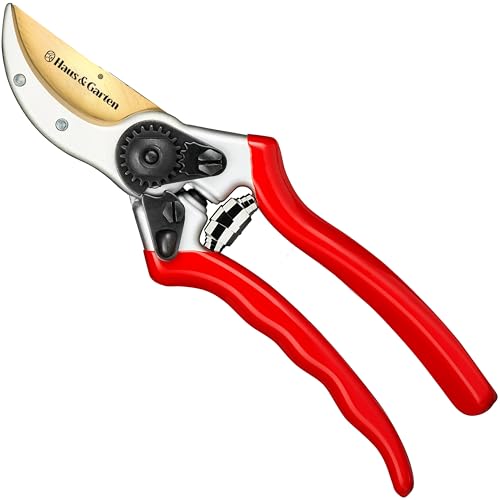
    gonicc 8" Professional Premium Titanium Bypass Pruning Shears (GPPS-1003), Hand Pruners, Garden Clippers.
    gonicc 8" Professional Premium Titanium Bypass Pruning Shears (GPPS-1003), Hand Pruners, Garden Clippers.

    Drop-forged construction delivers exceptional durability and sturdiness for long-term heavy garden use.

    VIEW LATEST PRICE

    As an affiliate, we earn on qualifying purchases.

    Fiskars Bypass Pruning Shears, 5/8" Cut Capacity Gardening Scissors, Self-Cleaning Sap Groove Prevents Sticking, Non-Slip Grip for Cutting Stems & Branches, Sharp Steel Blades w/ Low-Friction Coating
    Fiskars Bypass Pruning Shears, 5/8" Cut Capacity Gardening Scissors, Self-Cleaning Sap Groove Prevents Sticking, Non-Slip Grip for Cutting Stems & Branches, Sharp Steel Blades w/ Low-Friction Coating

    CLEAN CUTS FOR LIVE GROWTH: Bypass blade design is ideal for pruning delicate flower stems and green growth, helping reduce crushing and plant damage while cutting stems and small branches up to 5/8” in diameter

    VIEW LATEST PRICE

    As an affiliate, we earn on qualifying purchases.

    VOTREK® Pruning Shears, 8.5” Professional Garden Pruner with Jam-Proof Spring & Ever-Sharp SK5 Blade, Ergonomic Bypass Clippers for Rose, Tree Trimming, Heavy Duty Bonsai Scissor for Weak Hand
    VOTREK® Pruning Shears, 8.5” Professional Garden Pruner with Jam-Proof Spring & Ever-Sharp SK5 Blade, Ergonomic Bypass Clippers for Rose, Tree Trimming, Heavy Duty Bonsai Scissor for Weak Hand

    What Makes VT-C800 Unique? Jam-Proof Sealed Spring | Ever-Sharp Dual-Coated SK5 Blades | Easy Thumb Lock | Backed by Lifetime Support

    VIEW LATEST PRICE

    As an affiliate, we earn on qualifying purchases.

    Regular Checks on Support Structures

    Inspect support structures every two weeks. Look for signs of wear, such as fraying ropes or loose stakes. Adjust them if they’re shifting or if the branch seems heavier than before. Ensure that branches remain free and unobstructed. If they grow into the support, reposition the braces to allow for natural movement. Regular maintenance fosters resilience and prevents future damage.

    Pruning Tips for Healthier Growth

    Prune excess fruit and overcrowded branches right after harvest. Removing some fruit alleviates weight and encourages better air circulation. Use sharp pruning shears to make clean cuts at a 45-degree angle. Focus on weak or damaged branches. Cut back to a healthy bud or lateral branch. This technique promotes stronger growth in the following season. Clean your tools regularly to prevent disease spread. Remember, strategic pruning not only supports the current harvest but reinforces the structural integrity of your fruit trees for years to come.

    MUST READ
    How Long for Fuji Apple Tree to Bear Fruit: Tips for Successful Growing and Care

    Conclusion

    Taking care of heavy fruit tree branches can feel overwhelming but with the right approach you can protect your trees and enjoy a bountiful harvest. By recognizing the signs of branch stress and employing effective support techniques you’re setting your trees up for success.

    Regular maintenance and strategic pruning will not only keep your branches healthy but also enhance the overall vitality of your trees. Remember to check your supports frequently and adjust them as needed to accommodate growth.

    With a little effort and attention your fruit trees can thrive year after year bringing you joy and delicious fruits. So grab those tools and get ready to nurture your garden into a fruitful paradise.

    Frequently Asked Questions

    What causes fruit tree branches to become overloaded?

    Excessive fruit production, inadequate pruning, environmental conditions, and specific tree species contribute to overloaded branches. Gardeners often see their fruit trees heavily laden, which can lead to bent or broken branches if not properly managed.

    How can I tell if my fruit tree branches are under stress?

    Signs of branch stress include noticeable bending, cracking, leaf drop, and reduced growth. Recognizing these indicators is essential for timely intervention to protect your fruit trees and ensure a healthy yield.

    What materials do I need to support overloaded branches?

    You’ll need adjustable tree props, wooden or metal stakes, durable ropes or straps, filled sandbags, and wooden crutches. Having pruning shears, gardening gloves, a measuring tape, ladder, and level tool on hand is also recommended for effective support.

    How do I properly support heavy fruit tree branches?

    Start by assessing the damage and identifying the strongest point on the branch. Use adjustable tree props at a 45-degree angle, secure with ropes, and supplement with wooden or metal stakes and sandbags for stability while ensuring access to sunlight and water.

    How often should I inspect the support structures?

    It’s advisable to inspect support structures every two weeks. Regular checks help in identifying any wear and ensure that branches remain unobstructed—this practice is crucial for the ongoing health of your fruit trees.

    What pruning tips can help with branch support?

    After harvest, remove excess fruit and overcrowded branches to reduce weight and improve air circulation. Strategic pruning reinforces the structural integrity of fruit trees, promoting healthier growth and preventing future branch stress.

    Share. Facebook Twitter Pinterest LinkedIn Tumblr Email
    martha jackson
    Martha Jackson

      Martha Jackson is an accomplished freelance writer and editor with a strong interest in gardening. With a degree in English from the University of California, Berkeley, Martha has over 15 years of experience writing for a variety of publications. She is passionate about making gardening accessible to all and is always seeking out new techniques and innovations.

      Related Posts

      How Long Until Avocado Trees Bear Fruit and Tips for Faster Growth at Home

      February 20, 2025

      What Yellow Fruit Grows on Trees and Their Delicious Health Benefits

      February 20, 2025

      How to Air Layer Fruit Trees: A Step-by-Step Guide for Successful Propagation

      February 20, 2025

      When Do Grapefruit Trees Produce Fruit and How to Maximize Your Harvest

      February 20, 2025

      What Is a Fast Growing Fruit Tree: Discover Quick-Yield Options for Your Garden

      February 20, 2025

      Do Cherry Blossom Trees Have Fruit? Discover the Truth About Their Edibility and Benefits

      February 20, 2025
      Leave A Reply Cancel Reply

      Affiliate Disclosure

      As an Amazon Associate I earn from qualifying purchases.

      Recommended Reading

      How to Assemble and Prune with Fiskars Power Lever Tree Pruner

      Growing a Florida Tangerine Tree: Timeline from Planting to Harvest 🍊

      When Do Lychee Trees Fruit: A Guide to Timing and Care for Optimal Harvests

      How to Transplant Raspberries for a Bountiful Harvest: Essential Steps and Care Guide

      How to Plant Blackberries from Seed: A Complete Guide for Healthy Growth and Harvest

      Papaya Trees in a Pot in Illinois (Indoor and Patio Care Guide)

      What Fruit Trees Are Native to Florida and How to Grow Them for a Thriving Garden

      Why Is My Nectarine Tree Not Producing Fruit: Common Issues and Solutions for Gardeners

      How to Protect Large Fruit Trees from Frost: Effective Tips to Safeguard Your Garden

      How to Trim Tangerine Trees for Healthy Growth and Quality Fruit: Winter and Post-Harvest Pruning Guide

      Fruit Tree Hub

      Fruit Tree Hub is a website dedicated to providing you everything you need to grow fruit trees successfully at in your own yard.

      Contact us at: [email protected]

      - AFFILIATE DISCLOSURE: As an Amazon Associate I earn from qualifying purchases.

      Latest Posts

      Mulberry Trees in Houston, TX: Managing High Humidity and Rain

      Pear Trees in a Pot in Indiana: Midwestern Growing Secrets

      Nectarine Trees in a Pot in New Jersey: Garden State Secrets

      Mango Trees in a Pot in Massachusetts (Coastal Growth Secrets)

      Jujube Trees in Kansas: Heat and Wind Survival Secrets

      Can Plum Trees Grow in Pennsylvania? Keystone State Tips

      Best Persimmon Trees for Florida: Subtropical Growth Strategies

      Can Tangerine Trees Grow in a Pot in Houston, TX? Humidity Tips

      Categories
      • Almond Trees
      • Apple Trees
      • Apricot Trees
      • Best Fruit Trees
      • Blackberry
      • Cantaloupe
      • Cherry Trees
      • Crochet Ideas
      • Crochet Ideas for Beginners
      • Cucamelon
      • Easy Crochet Ideas
      • Easy Knitting Projects
      • Fig Trees
      • Grapefruit Trees
      • Grapes
      • Guava Trees
      • Honeydew
      • Jujube Trees
      • Kiwi
      • Knitting For Beginners
      • Knitting Ideas
      • Knitting Inspiration
      • Lemon Trees
      • Lime Trees
      • Loquat Trees
      • Mango Trees
      • Mulberry Trees
      • Nectarine Trees
      • Olive Trees
      • Orange Trees
      • Papaya Trees
      • Peach Trees
      • Pear Trees
      • Persimmon Trees
      • Planting
      • Plum Trees
      • Pomegranate Trees
      • Quince Trees
      • Raspberry
      • Reviews
      • Small Crochet Ideas
      • Star Fruit Trees
      • Summer Crochet Ideas
      • Tamarind Trees
      • Tangerine Trees
      • Tips and Advice
      • Tools
      • Uncategorized
      • Walnut Trees
      © 2026 Fruit Tree Hub
      • Home
      • About Us
      • Contact
      • Privacy Policy
      • Terms and Conditions
      • Disclaimer
      • Editorial Policy
      • Affiliate Disclosure

      Type above and press Enter to search. Press Esc to cancel.