
Close Menu
    Fruit Tree Hub
    • Home
    • Apple Trees
    • Lemon Trees
    • Mango Trees
    • Orange Trees
    • More Trees
      • Best Fruit Trees
      • Apricot Trees
      • Cherry Trees
      • Fig Trees
      • Lime Trees
      • Mulberry Trees
      • Peach Trees
      • Pear Trees
      • Plum Trees
      • Pomegranate Trees
    • Tips and Advice
      • Tools
    • About Us
      • Contact
      • Privacy Policy
    Fruit Tree Hub
    Home»Tips and Advice»How Long for Fuji Apple Tree to Bear Fruit: Tips for Successful Growing and Care
    Tips and Advice

    How Long for Fuji Apple Tree to Bear Fruit: Tips for Successful Growing and Care

    Martha JacksonBy Martha JacksonNovember 8, 20248 Mins Read
    Share Facebook Twitter Pinterest WhatsApp Email
    Share
    Facebook Twitter LinkedIn Pinterest Telegram Email

    Are you dreaming of biting into a crisp Fuji apple straight from your own tree? You’re not alone! Many gardeners share the excitement of growing their own fruit, but they often wonder how long it takes for a Fuji apple tree to start producing.

    Contents show
    1 Key Takeaways
    2 Understanding Fuji Apple Trees
    2.1 Origin and Characteristics
    2.2 Ideal Growing Conditions
    3 How Long for Fuji Apple Tree to Bear Fruit
    3.1 Factors Influencing Fruit Bearing Time
    3.2 Typical Timeframes for Growth
    4 Care and Maintenance for Healthy Growth
    4.1 Pruning Techniques
    4.2 Fertilization and Soil Needs
    5 Common Challenges in Growing Fuji Apple Trees
    5.1 Pests and Diseases
    5.2 Weather Impact
    6 Conclusion
    7 Frequently Asked Questions
    7.1 How long does it take for Fuji apple trees to bear fruit?
    7.2 What conditions are ideal for growing Fuji apple trees?
    7.3 How can I encourage my Fuji apple trees to produce more fruit?
    7.4 What are common pests that affect Fuji apple trees?
    7.5 What diseases should I watch for with Fuji apple trees?

    Understanding the timeline can help you plan and manage your expectations. In this article, you’ll discover the factors that influence fruit-bearing and learn tips to encourage your tree to thrive. Whether you’re a seasoned gardener or just getting started, this information will help you enjoy the sweet rewards of your hard work.

    Key Takeaways

    • Timeline for Fruit Production: Fuji apple trees typically bear fruit within 3 to 5 years after planting, with significant production starting around the fifth year.
    • Essential Growing Conditions: These trees thrive in USDA zones 5 to 9, requiring well-drained soil, full sunlight for 6-8 hours daily, and regular watering while avoiding overwatering.
    • Importance of Pollination: Planting compatible apple varieties nearby can enhance pollination and improve fruit yield.
    • Tree Maintenance: Regular pruning and disease management are crucial for promoting healthy growth and improving fruit production.
    • Common Challenges: Be aware of pests like apple maggots and codling moths, as well as weather impacts such as frost and excessive rainfall, which can affect tree health and yield.
    • Soil and Fertilization Needs: Maintaining nutrient-rich soil and appropriate fertilization practices will support the healthy growth of Fuji apple trees.
    MUST READ
    Do Fruit Trees Attract Animals

    Understanding Fuji Apple Trees

    Fuji apple trees are popular among gardeners due to their sweet, crisp apples and high yield. These trees can enhance any garden, but understanding their specifics is key for successful growth.

    Recommended Products

    Fuji Apple Tree - Grow Fresh Fruit - Live Plant Shipped 3 Feet Tall by DAS Farms
    Fuji Apple Tree - Grow Fresh Fruit - Live Plant Shipped 3 Feet Tall by DAS Farms

    Do not transplant into a container, only the ground. All pictures are of fully grown plants. Sizes shipped are in the title and description. Deciduous plants do not have leaves in the winter.

    VIEW LATEST PRICE

    As an affiliate, we earn on qualifying purchases.

    Apple, Plum & Pear Trees (3-Pack) – Dwarf Fruit Trees, Easy Grow Backyard Orchard Starter Kit (3 Pack - 1 of Each Tree)
    Apple, Plum & Pear Trees (3-Pack) – Dwarf Fruit Trees, Easy Grow Backyard Orchard Starter Kit (3 Pack - 1 of Each Tree)

    🌳 3-Pack Fruit Tree Bundle Includes live apple, plum, and pear trees—perfectly paired for a diverse and productive backyard orchard.

    VIEW LATEST PRICE

    As an affiliate, we earn on qualifying purchases.

    Fuji Apple Tree, Large Sweet Apples, Late-Season, Deciduous, Long Refrigerated Life, 1 gal Nursery Pot, 2-3 ft. Tree Height (Due to Agricultural Laws, we Cannot Ship to CA, AZ, AK, or HI)
    Fuji Apple Tree, Large Sweet Apples, Late-Season, Deciduous, Long Refrigerated Life, 1 gal Nursery Pot, 2-3 ft. Tree Height (Due to Agricultural Laws, we Cannot Ship to CA, AZ, AK, or HI)

    Due to agricultural laws, we CANNOT SHIP TO CA, AZ, AK, or HI - orders will be cancelled if you ship to one of these states

    VIEW LATEST PRICE

    As an affiliate, we earn on qualifying purchases.

    Origin and Characteristics

    Fuji apples originated in Japan during the late 1930s. They are a hybrid of two American varieties: Red Delicious and Ralls Janet. Fuji apples are known for their large size, firm texture, and a balance of sweetness and tartness. They typically have a red-orange hue with yellow streaks. These trees can grow to heights of 12 to 15 feet, making them suitable for both home gardens and orchards. With proper care, Fuji apple trees can produce fruit for over 30 years.

    Ideal Growing Conditions

    Fuji apple trees thrive in USDA hardiness zones 5 to 9. They’re best planted in well-drained soil rich in organic matter. Aim for a soil pH between 6.0 and 7.0 for optimal growth. Sunlight is vital; these trees need full sun for at least 6 to 8 hours each day. Additionally, proper watering is essential, especially during dry spells. Avoid overwatering, as this can lead to root rot. Providing adequate space for air circulation between trees promotes healthy growth and reduces disease risk.

    MUST READ
    Where Do Fruit Trees Grow Best: Tips for Selecting the Perfect Location and Conditions

    How Long for Fuji Apple Tree to Bear Fruit

    Fuji apple trees typically take time to produce fruit, with several factors influencing this timeframe.

    Factors Influencing Fruit Bearing Time

    1. Age of the Tree: Fuji apple trees often bear fruit within 3 to 5 years after planting. Younger trees need extra time to establish their root systems.
    2. Pollination: Cross-pollination is crucial for better fruit yields. Planting a compatible apple variety nearby aids in pollination and can enhance fruiting.
    3. Growing Conditions: Optimal conditions greatly affect growth. Well-drained soil, ample sunlight, and regular watering promote healthy trees that produce fruit sooner.
    4. Tree Maintenance: Regular pruning and disease management improve air circulation and sunlight exposure. Healthy, well-maintained trees tend to produce fruit more reliably.
    5. Temperature: Fuji apple trees thrive in regions with distinct seasonal changes. Areas with cold winters and warm summers typically yield better fruit production.

    Typical Timeframes for Growth

    Fuji apple trees start producing significant amounts of fruit about 4 to 5 years after planting.

    Year After PlantingExpected Fruit Production
    1None
    2Few apples (if any)
    3Limited fruit (1-10 apples)
    4Moderate crop (10-50 apples)
    5Full production (50+ apples)

    By understanding these timeframes and factors, you’ll better anticipate your Fuji apple tree’s journey to fruit-bearing.

    Care and Maintenance for Healthy Growth

    Caring for your Fuji apple tree ensures it thrives and bears fruit. Proper maintenance includes pruning, fertilization, and soil management.

    Recommended Products
    16oz Apple Tree Fertilizer - Makes 16 Gallons of Apple Tree Fertilizer, Nutrient-Rich Plant Food for Fruit Trees - Promotes Strong Branches, Healthy Foliage, and Juicy Apples
    16oz Apple Tree Fertilizer - Makes 16 Gallons of Apple Tree Fertilizer, Nutrient-Rich Plant Food for Fruit Trees - Promotes Strong Branches, Healthy Foliage, and Juicy Apples

    2X MORE VALUE: The 16 oz Apple Fertilizer for fruit trees makes 16 gallons of apple tree spray, while the bigger size 32 oz bottle makes 32 gallons for your apple trees live plants.

    VIEW LATEST PRICE

    As an affiliate, we earn on qualifying purchases.

    Down To Earth All Natural Fertilizers Organic Fruit Tree - Plant Food for Apples, Pears, Plums and Tropical Fruit Trees 6-2-4, 5 lb
    Down To Earth All Natural Fertilizers Organic Fruit Tree - Plant Food for Apples, Pears, Plums and Tropical Fruit Trees 6-2-4, 5 lb

    Down to Earth Fruit Tree is a five pound box of all natural fertilizer with 6-2-4 formula and is listed by the Organic Materials Review Institute (OMRI) for use in organic production

    MUST READ
    Will Citrus Trees Grown from Seed Produce Fruit: A Guide to Successful Home Gardening
    VIEW LATEST PRICE

    As an affiliate, we earn on qualifying purchases.

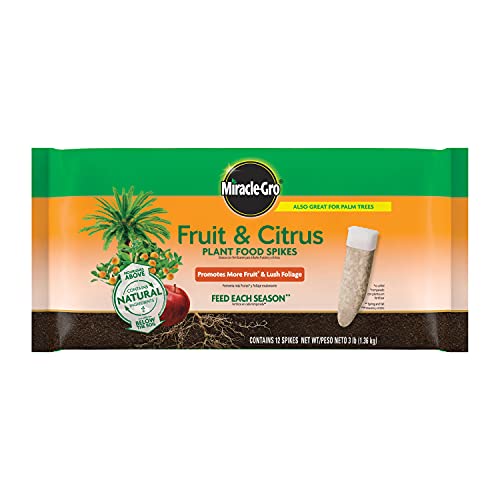
    Miracle-Gro Fruit & Citrus Plant Food Spikes - 10-15-15 NPK Easy-To-Use Nutrition for Fruit and Citrus Trees, Plant Fertilizer, 12 Spikes, 3 lb.
    Miracle-Gro Fruit & Citrus Plant Food Spikes - 10-15-15 NPK Easy-To-Use Nutrition for Fruit and Citrus Trees, Plant Fertilizer, 12 Spikes, 3 lb.

    FORMULATED FOR CITRUS AND FRUIT TREES: Use these citrus fertilizer spikes on apple, orange, lemon, lime, and avocado trees; this formula is also great for feeding palm trees

    VIEW LATEST PRICE

    As an affiliate, we earn on qualifying purchases.

    Pruning Techniques

    Pruning encourages healthy growth and increases fruit production. Start pruning in late winter or early spring before new growth begins.

    1. Remove Dead Wood: Cut back any dead or damaged branches. This step promotes tree health.
    2. Thin Out Crowded Branches: Trim excess branches to improve air circulation and sunlight penetration. Aim for an open center to enhance sunlight access.
    3. Shape the Tree: Maintain a central leader structure by selecting one main trunk and short side branches. This shape supports stability and fruiting.
    4. Annual Maintenance: Perform light pruning each year to maintain shape and health. Avoid heavy pruning, which can stress the tree.

    Fertilization and Soil Needs

    Fuji apple trees thrive in nutrient-rich, well-drained soil. Adequate fertilization boosts growth and fruiting.

    1. Soil Testing: Test your soil to determine nutrient levels. Adjust your fertilization plan according to test results.
    2. Fertilizer Application: Use a balanced fertilizer, such as a 10-10-10 NPK mix, during early spring. This timing supports new growth.
    3. Organic Amendments: Incorporate compost or well-rotted manure into the soil each year. These amendments enhance soil structure and provide essential nutrients.
    4. Watering Practices: Keep the soil consistently moist, especially during dry spells. Deep watering encourages root development while avoiding over-watering.

    By following these care and maintenance strategies, your Fuji apple tree will grow strong and productive, leading to bountiful harvests of delicious apples.

    Common Challenges in Growing Fuji Apple Trees

    Growing Fuji apple trees comes with unique challenges that require attention and care. Understanding these challenges helps ensure a fruitful harvest.

    MUST READ
    When to Plant Fruit Trees Colorado: Best Times for Thriving Growth and Bountiful Harvests

    Recommended Products

    BioAdvanced Fruit & Citrus Tree Insect Control Concentrate - Pest Control for Gardens - 2 Month Infestation Prevention - Treats Up to 9 Fruit Trees - 32 oz Bottle
    BioAdvanced Fruit & Citrus Tree Insect Control Concentrate - Pest Control for Gardens - 2 Month Infestation Prevention - Treats Up to 9 Fruit Trees - 32 oz Bottle

    KILLS LISTED FRUIT & CITRUS TREE INSECTS: Controls Asian Citrus Psyllid, Whiteflies, Aphids Thrips, Citrus Leafminers, Leafhoppers, Blackfly, Mealybugs, Scales, Avocado Lacebugs, Oriental Beetles, Flea Beetles, Sharpshooters, and Spittlebugs

    VIEW LATEST PRICE

    As an affiliate, we earn on qualifying purchases.

    Mysora 12 Pack Moth Sticky Paper for Apple Trees – Triangular Hanging Sticky Boards with Included Pads, for Orchard & Garden Plant Monitoring Use
    Mysora 12 Pack Moth Sticky Paper for Apple Trees – Triangular Hanging Sticky Boards with Included Pads, for Orchard & Garden Plant Monitoring Use

    [Sturdy Material for Outdoor Use]: designed with reliable and sturdy PP material, these hanging sticky papers are crafted to withstand outdoor conditions; They are highly suitable for placement around apple trees, orchards, and home gardens to help you observe and monitor the environment

    VIEW LATEST PRICE

    As an affiliate, we earn on qualifying purchases.

    Fuji Apple Tree, 1 Gallon Live Nursery Pot, Sweet, Crisp Fruit | Arbor Day Foundation (Due to Agricultural Laws, Unavailable to CA, WA or AZ)
    Fuji Apple Tree, 1 Gallon Live Nursery Pot, Sweet, Crisp Fruit | Arbor Day Foundation (Due to Agricultural Laws, Unavailable to CA, WA or AZ)

    DELICIOUS FALL HARVEST – Produces medium to large apples with a sweet, crisp flavor, perfect for fresh eating, baking, or making cider

    VIEW LATEST PRICE

    As an affiliate, we earn on qualifying purchases.

    Pests and Diseases

    Pests and diseases pose significant threats to Fuji apple trees. Common pests include:

    • Apple Maggot: This pest lays eggs in the fruit, causing damage as larvae feed.
    • Codling Moth: Larvae burrow into fruit, leading to decay.
    • Aphids: These small insects suck sap, weakening trees and spreading diseases.

    For effective pest management, consider using insect barriers or organic pesticides. Regular inspections for signs of infestation also prove beneficial.

    Diseases like fire blight and powdery mildew can affect tree health. Proper spacing allows air circulation, reducing disease risk. Treatment options include fungicides and pruning infected branches.

    Weather Impact

    Weather plays a critical role in the success of Fuji apple trees.

    • Frost: Late spring frosts can damage blossoms, leading to poor fruit yield. Consider planting trees in a sheltered area to mitigate this risk.
    • Rainfall: Excessive rain can cause root rot, while insufficient water stresses trees. Ensure a balanced watering regimen, targeting 1 inch per week, especially during dry periods.
    • Temperature Extremes: Fuji apple trees thrive in areas with cold winters and moderate summers. Gardens in regions with extreme heat or cold may struggle. Use mulch to retain soil moisture and regulate temperature.
    MUST READ
    Where to Buy Non GMO Fruit Trees and Grow Your Own Healthy Garden Options

    By addressing pest issues and minimizing weather risks, you’ll improve your chances of growing healthy Fuji apple trees that bear fruit successfully.

    Conclusion

    Growing your own Fuji apple tree is an exciting journey filled with anticipation. With the right care and attention you’ll soon be rewarded with sweet and crisp apples. Remember that patience is key as it typically takes 3 to 5 years for your tree to start producing fruit.

    By focusing on proper maintenance and understanding the factors that influence fruiting you can set yourself up for success. Whether you’re a seasoned gardener or just starting out the joy of harvesting your own apples will make all the effort worthwhile. Enjoy the process and happy gardening!

    Frequently Asked Questions

    How long does it take for Fuji apple trees to bear fruit?

    Fuji apple trees typically take 3 to 5 years to begin producing fruit. Factors like the age of the tree, pollination, growing conditions, and maintenance can influence this timeline.

    What conditions are ideal for growing Fuji apple trees?

    Fuji apple trees thrive in well-drained soil with ample sunlight and consistent watering. Ensuring these conditions promotes healthy growth and better fruit production.

    How can I encourage my Fuji apple trees to produce more fruit?

    To enhance fruit yields, consider cross-pollinating your Fuji apple trees with compatible apple varieties. Regular pruning, proper fertilization, and maintaining good soil quality also help.

    What are common pests that affect Fuji apple trees?

    Common pests include apple maggots, codling moths, and aphids. Implementing insect barriers and organic pesticides can help manage these threats effectively.

    What diseases should I watch for with Fuji apple trees?

    Key diseases include fire blight and powdery mildew. Proper spacing, regular pruning, and timely treatments can mitigate these issues and keep your trees healthy.

    Share. Facebook Twitter Pinterest LinkedIn Tumblr Email
    martha jackson
    Martha Jackson

      Martha Jackson is an accomplished freelance writer and editor with a strong interest in gardening. With a degree in English from the University of California, Berkeley, Martha has over 15 years of experience writing for a variety of publications. She is passionate about making gardening accessible to all and is always seeking out new techniques and innovations.

      Related Posts

      How Long Until Avocado Trees Bear Fruit and Tips for Faster Growth at Home

      February 20, 2025

      What Yellow Fruit Grows on Trees and Their Delicious Health Benefits

      February 20, 2025

      How to Air Layer Fruit Trees: A Step-by-Step Guide for Successful Propagation

      February 20, 2025

      When Do Grapefruit Trees Produce Fruit and How to Maximize Your Harvest

      February 20, 2025

      What Is a Fast Growing Fruit Tree: Discover Quick-Yield Options for Your Garden

      February 20, 2025

      Do Cherry Blossom Trees Have Fruit? Discover the Truth About Their Edibility and Benefits

      February 20, 2025
      Leave A Reply Cancel Reply

      Affiliate Disclosure

      As an Amazon Associate I earn from qualifying purchases.

      Recommended Reading

      Growing Apple Trees in Maine (The Ultimate Cold-Hardy Guide)

      How to Create a Papaya Tree Orchard

      Growing Plum Trees in New York (Upstate Soil and Winter Tips)

      How Do You Keep Squirrels Out of Your Fruit Trees: Effective Methods and Tips for Gardeners

      How to Keep Squirrels Out of Your Fruit Trees: Effective Tips and Techniques for Gardeners

      Mastering Grafting Techniques: Successfully Graft a Tangerine Tree

      What Fruit Trees Can Grow in Georgia and How to Care for Them Effectively

      Top Fruit Trees for South GA: Choosing the Best Varieties for Your Garden

      Top Picks for Pleaching: Best Fruit Trees to Enhance Your Garden

      When Will Your Grapefruit Tree Bear Fruit? Learn the Timelines and Harvesting Tips

      Fruit Tree Hub

      Fruit Tree Hub is a website dedicated to providing you everything you need to grow fruit trees successfully at in your own yard.

      Contact us at: [email protected]

      - AFFILIATE DISCLOSURE: As an Amazon Associate I earn from qualifying purchases.

      Latest Posts

      Can Pomegranate Trees Grow in Los Angeles, CA? Pro Secrets

      Fig Trees in Austin, TX (Central Texas Growing Secrets)

      Papaya Trees in District of Columbia (Urban Microclimate Tips)

      Jujube Trees in Colorado (High Altitude Success Secrets)

      Nectarine Trees in San Antonio, TX (South Texas Success Secrets)

      Growing Persimmon Trees in Texas (Lone Star State Variety Guide)

      Growing Tangerine Trees in a Pot in Pennsylvania (Pro Tips)

      Can Mango Trees Grow in Alabama? Climate and Zone Analysis

      Categories
      • Almond Trees
      • Apple Trees
      • Apricot Trees
      • Best Fruit Trees
      • Blackberry
      • Cantaloupe
      • Cherry Trees
      • Crochet Ideas
      • Crochet Ideas for Beginners
      • Cucamelon
      • Easy Crochet Ideas
      • Easy Knitting Projects
      • Fig Trees
      • Grapefruit Trees
      • Grapes
      • Guava Trees
      • Honeydew
      • Jujube Trees
      • Kiwi
      • Knitting For Beginners
      • Knitting Ideas
      • Knitting Inspiration
      • Lemon Trees
      • Lime Trees
      • Loquat Trees
      • Mango Trees
      • Mulberry Trees
      • Nectarine Trees
      • Olive Trees
      • Orange Trees
      • Papaya Trees
      • Peach Trees
      • Pear Trees
      • Persimmon Trees
      • Planting
      • Plum Trees
      • Pomegranate Trees
      • Quince Trees
      • Raspberry
      • Reviews
      • Small Crochet Ideas
      • Star Fruit Trees
      • Summer Crochet Ideas
      • Tamarind Trees
      • Tangerine Trees
      • Tips and Advice
      • Tools
      • Uncategorized
      • Walnut Trees
      © 2026 Fruit Tree Hub
      • Home
      • About Us
      • Contact
      • Privacy Policy
      • Terms and Conditions
      • Disclaimer
      • Editorial Policy
      • Affiliate Disclosure

      Type above and press Enter to search. Press Esc to cancel.