

Growing banana trees in Arkansas requires careful planning and attention to local climate conditions. Homeowners can successfully cultivate these tropical plants by selecting the right varieties and following specific care guidelines. Understanding the challenges and opportunities in this region will enhance your chances of a fruitful harvest.
Best Banana Varieties for Arkansas Climate
Choosing the right banana variety is crucial for successful cultivation in Arkansas’s unique climate. Certain types thrive better than others, offering homeowners the best chance for a fruitful harvest. This section will explore the most suitable banana varieties that can withstand local conditions while providing delicious yields.
Choosing the appropriate banana varieties is crucial for success in Arkansas. The climate can be challenging for tropical plants, so select varieties that are more tolerant to cooler temperatures. Consider the following options:
Dwarf Cavendish: This variety is compact and produces sweet bananas. It is well-suited for home gardens.
Blue Java: Known for its unique flavor and silvery-blue skin, this variety can withstand cooler temperatures.
Raja Puri: A hardy variety that yields small, sweet bananas and adapts well to different soil conditions.
Recommended Products

CHOOSE YOUR FAVORITE BANANA VARIETY – Select from Grand Nain, Dwarf Cavendish, Double Mahoi, Curly Tiny, or Basjoo Banana plants. Each variety offers unique characteristics, from sweet edible fruit to striking ornamental foliage and cold-hardy landscape performance.

Live Plants for Planting 🌱 – Includes 4 rooted Musa basjoo banana plants, ready to plant in your garden or large pots.
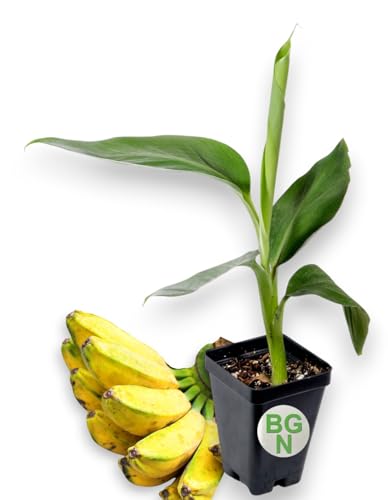
Size and Growth: The California Gold Banana plant is compact yet striking, reaching a mature height of about 5 to 7 feet. This manageable size makes it perfect for smaller spaces, urban gardens, or even as a potted plant on patios and balconies. Despite its smaller stature compared to other banana varieties, it delivers lush, wide leaves that lend a distinctly tropical feel to any setting.
Site Preparation for Banana Trees
Preparing the right site is crucial for successfully growing banana trees in Arkansas. The specific climate and soil conditions of the region require careful consideration to ensure optimal growth and fruit production. This section outlines essential steps for site preparation, helping homeowners create an ideal environment for their banana trees to thrive.
Proper site preparation is essential for healthy banana trees. Choose a location that receives full sun and has well-draining soil. Follow these steps to prepare your planting area:
Clear the area of weeds and debris.
Test the soil pH, aiming for a range between 5.5 and 7.0.
Amend the soil with organic matter, such as compost or well-rotted manure, to improve fertility and drainage.
Effective Watering Practices for Banana Trees
Proper watering is crucial for the health and productivity of banana trees, especially in Arkansas’s varying climate. Understanding the specific needs of these tropical plants can significantly enhance their growth and fruiting potential. This section outlines effective watering practices tailored for homeowners looking to cultivate thriving banana trees.
Watering is critical for the growth of banana trees. These plants thrive in moist conditions but are susceptible to root rot if overwatered. Implement the following watering practices:
Water deeply and infrequently to encourage deep root growth.
Use mulch around the base to retain moisture and regulate soil temperature.
Monitor soil moisture levels regularly to avoid overwatering.
| Watering Method | Frequency | Notes |
|---|---|---|
| Deep watering | Once a week | Adjust based on rainfall |
| Drip irrigation | Daily | Ideal for consistent moisture |
| Rainwater collection | As needed | Sustainable option |
Recommended Products
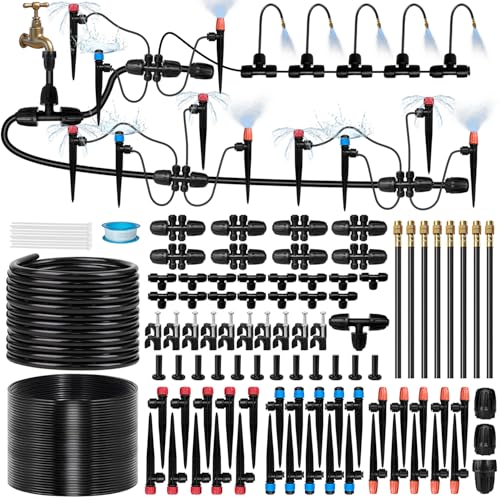
【Upgraded Tube Design & Water Saving】 Our garden watering system is upgraded to 1/2” diameter to support high water pressure. The 1/2” tee connector allows seamless splitting into 2 independent zones for customized watering schedules. By delivering moisture directly to root zones, this drip Irrigation system significantly reduces evaporation and runoff—saving more water compared to conventional sprinklers while eliminating the need for manual watering.

NO MORE HARD INSTALLATION - SET UP IN MINUTES. Tired of struggling with stiff barbed fittings? This drip irrigation system features quick-connect fittings that let you push, lock, and secure tubing effortlessly. No tools, no leaks, just a smooth setup experience. Enjoy a frustration-free installation and get your garden watering system running in minutes.

【High Quality】Our Drip Irrigation Emitters are made of durable plastic. Rugged nylon construction helps keep the project placed and lasting performance for longer life in any weather.
Fertilization Strategies for Banana Trees
Fertilizing banana trees is crucial for achieving healthy growth and abundant fruit production, especially in Arkansas’ unique climate. Understanding the specific nutrient needs of these tropical plants will help homeowners optimize their fertilization strategies. This section outlines effective methods and tips to ensure your banana trees thrive throughout the growing season.
Fertilization plays a significant role in the health of banana trees. Use a balanced fertilizer to ensure adequate nutrient supply. Consider these guidelines:
Apply a slow-release fertilizer every three months during the growing season.
Supplement with potassium-rich fertilizers to enhance fruit quality.
Monitor plant growth and adjust fertilizer application based on leaf color and overall health.
Pest Control Strategies for Banana Trees
Effective pest control is essential for maintaining healthy banana trees in Arkansas. Homeowners face unique challenges due to the region’s climate and local pest populations. Understanding the most common pests and implementing targeted strategies can significantly enhance the growth and yield of your banana plants.
Pest and disease management is vital for the success of your banana trees. Common issues include aphids, spider mites, and fungal infections. Implement these strategies:
Inspect plants regularly for signs of pests or disease.
Use insecticidal soap or neem oil for pest control.
Ensure good air circulation around plants to prevent fungal growth.
Recommended Products


3-IN-1 GARDEN SPRAY - Earth’s Ally 3-in-1 Plant Spray is an insecticide, miticide and fungicide. The houseplant pest spray effectively kills and controls soft-bodied insects and common plant diseases with a synergistic blend of essential oils.
Winter Care Strategies for Banana Trees
Winter can pose significant challenges for banana trees in Arkansas, where colder temperatures can threaten their health and growth. Homeowners need to adopt specific care strategies to protect these tropical plants during the colder months. Understanding the best practices for winter care can ensure that banana trees thrive and remain healthy year-round.
Arkansas winters can be harsh for banana trees. Proper winter preparation will help protect your plants. Follow these steps:
Mulch heavily around the base to insulate roots.
Cover plants with frost cloth during cold snaps.
Consider digging up smaller plants and potting them indoors for the winter.
Banana Harvesting Techniques for Flavor
Harvesting bananas at the right time and using proper techniques can significantly enhance their flavor, making the effort of growing them in Arkansas worthwhile. Understanding the ideal ripeness indicators and methods for cutting and handling the fruit will ensure a delicious yield. This section delves into effective harvesting strategies tailored for homeowners eager to enjoy the best taste from their banana trees.
Once your banana trees bear fruit, proper harvesting techniques will ensure the best flavor. Wait until the bananas are fully developed and the skin starts to yellow. Follow these steps for harvesting:
Cut the entire bunch with a sharp knife.
Allow bananas to ripen at room temperature.
Store ripe bananas in the refrigerator to prolong freshness.
Do not harvest bananas too early as this affects flavor and texture.
Banana Tree Success Strategies for Arkansas
Growing banana trees in Arkansas can be a rewarding endeavor for homeowners eager to cultivate tropical plants in their gardens. However, the unique climate and soil conditions of the region require specific strategies to ensure successful growth and fruit production. This section outlines effective techniques tailored to Arkansas’ environment, helping you maximize your banana tree’s potential.
Successfully growing banana trees in Arkansas requires careful selection of varieties, proper site preparation, and diligent care. By following these guidelines, homeowners can enjoy a rewarding gardening experience and a bountiful harvest.
