

Banana trees can grow in Baltimore, MD, but success depends on proper urban soil management and climate considerations. With the right techniques, including soil amendments and microclimate creation, you can cultivate banana trees even in this region.
Baltimore’s Climate Impact on Banana Tree Growth
Baltimore’s climate presents unique challenges and opportunities for growing banana trees. With its humid subtropical climate, the region experiences distinct seasonal variations that can affect the viability of these tropical plants. Understanding how local weather patterns and temperature fluctuations influence banana tree growth is essential for successful cultivation in urban settings.
Baltimore has a humid subtropical climate, which can support banana tree growth. However, winter temperatures can drop below freezing, posing a challenge. Selecting cold-hardy varieties and implementing protective strategies will enhance your chances of success.
Recommended Products

CHOOSE YOUR FAVORITE BANANA VARIETY – Select from Grand Nain, Dwarf Cavendish, Double Mahoi, Curly Tiny, or Basjoo Banana plants. Each variety offers unique characteristics, from sweet edible fruit to striking ornamental foliage and cold-hardy landscape performance.

Delicious Bananas: The Namwah Banana Tree produces sweet, creamy bananas that are perfect for fresh eating, cooking, and desserts, making it a delightful addition to your garden.
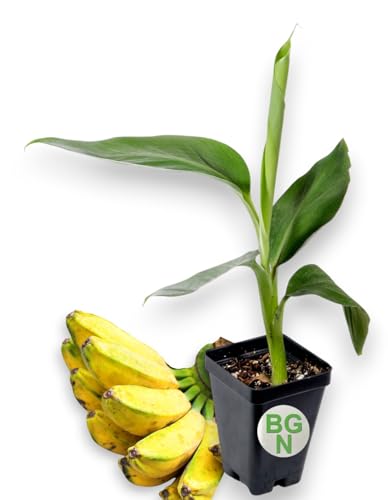
Size and Growth: The California Gold Banana plant is compact yet striking, reaching a mature height of about 5 to 7 feet. This manageable size makes it perfect for smaller spaces, urban gardens, or even as a potted plant on patios and balconies. Despite its smaller stature compared to other banana varieties, it delivers lush, wide leaves that lend a distinctly tropical feel to any setting.
Best Banana Tree Varieties for Urban Climates
When considering banana trees for urban environments like Baltimore, it’s essential to choose varieties that thrive in cooler temperatures and limited space. Certain types are better suited for these conditions, offering resilience and adaptability while still producing delicious fruit. This section explores the best banana tree varieties that can flourish in urban climates, ensuring a successful gardening experience.
Not all banana trees thrive equally in colder climates. Some varieties are better suited for urban environments. Consider the following options:
Dwarf Cavendish: Compact and produces sweet fruit.
Basjoo: Cold-hardy and primarily ornamental.
Musa acuminata: Known for its resilience and adaptability.
Urban Soil Nutrient Management for Bananas
Urban soil management is crucial for successfully growing banana trees in Baltimore, MD. Understanding the specific nutrient needs of banana plants can help urban gardeners optimize soil conditions, ensuring healthy growth and fruit production. This section delves into effective strategies for managing soil nutrients tailored to the unique challenges of urban environments.
Urban soil often lacks the nutrients necessary for healthy banana trees. Proper soil management is essential. Focus on these steps:
Test Soil pH: Aim for a pH between 5.5 and 7.0.
Amend with Organic Matter: Incorporate compost or well-rotted manure to improve soil structure and fertility.
Ensure Drainage: Banana trees prefer well-drained soil. Consider raised beds if drainage is an issue.
| Soil Component | Recommended Action | Purpose |
|---|---|---|
| pH Level | Test and adjust | Optimal nutrient uptake |
| Organic Matter | Add compost | Improve fertility |
| Drainage | Create raised beds | Prevent root rot |
Watering Strategies for Banana Trees
Successfully growing banana trees in Baltimore requires careful attention to watering strategies, given the region’s unique climate and soil conditions. Proper hydration is essential for these tropical plants to thrive, especially during the warmer months. Understanding the best practices for watering can significantly enhance growth and fruit production in an urban setting.
Banana trees require consistent moisture but dislike soggy roots. Implement effective watering strategies to maintain soil moisture.
Drip Irrigation: Provides a steady supply of water directly to the roots.
Mulching: Retains soil moisture and regulates temperature.
Monitor Soil Moisture: Use a moisture meter to avoid overwatering.
Winter Strategies for Banana Tree Protection
In Baltimore, the winter months pose significant challenges for banana trees, which thrive in warmer climates. To ensure their survival during the colder season, it is essential to implement effective protection strategies that address the unique urban soil conditions. This section outlines practical methods to safeguard banana trees from frost and freezing temperatures.
Winter protection is crucial for banana trees in Baltimore. Implement these strategies to safeguard your plants:
Cover with Frost Cloth: Use breathable fabric on cold nights.
Mulch Heavily: Insulate the roots with straw or wood chips.
Create Microclimates: Plant near south-facing walls to absorb heat.
Banana Tree Fertilization Timing Guide
Understanding the optimal timing for fertilizing banana trees is crucial for successful growth, especially in urban environments like Baltimore, MD. This guide outlines the best practices for fertilization throughout the growing season, ensuring that your banana trees receive the necessary nutrients at the right moments to thrive in local soil conditions.
Regular fertilization supports the growth of banana trees. Follow this schedule for optimal results:
Early Spring: Apply a balanced fertilizer to kickstart growth.
Mid-Summer: Use a high-potassium fertilizer to promote fruiting.
Late Fall: Fertilize lightly before winter to strengthen roots.
| Fertilization Timing | Type of Fertilizer | Purpose |
|---|---|---|
| Early Spring | Balanced (10-10-10) | Promote growth |
| Mid-Summer | High-Potassium (5-10-15) | Enhance fruiting |
| Late Fall | Low-Nitrogen | Strengthen roots |
Urban Banana Tree Growth Challenges
Growing banana trees in Baltimore presents unique challenges due to the region’s urban soil conditions. Factors such as soil quality, drainage, and temperature fluctuations can significantly impact the health and productivity of these tropical plants. Understanding these challenges is essential for urban gardeners aiming to cultivate banana trees successfully in this climate.
Urban banana trees may face specific challenges. Recognizing and addressing these issues is vital.
Yellow Leaves: Indicates nitrogen deficiency. Adjust fertilization.
Wilting: May signal overwatering. Check drainage and reduce watering frequency.
Pests: Watch for aphids and spider mites. Use insecticidal soap as needed.
Always monitor local weather conditions to protect banana trees from unexpected cold snaps.
Urban Banana Cultivation Best Practices
Growing banana trees in Baltimore presents unique challenges due to the urban environment and specific soil conditions. Understanding the best practices for urban banana cultivation can help gardeners maximize their success, ensuring that these tropical plants thrive even in less-than-ideal climates. This section outlines effective strategies for nurturing banana trees in an urban setting.
Growing banana trees in Baltimore requires attention to climate, soil, and care techniques. By following these guidelines, you can successfully cultivate banana trees in an urban setting.
