
Close Menu
    Fruit Tree Hub
    • Home
    • Apple Trees
    • Lemon Trees
    • Mango Trees
    • Orange Trees
    • More Trees
      • Best Fruit Trees
      • Apricot Trees
      • Cherry Trees
      • Fig Trees
      • Lime Trees
      • Mulberry Trees
      • Peach Trees
      • Pear Trees
      • Plum Trees
      • Pomegranate Trees
    • Tips and Advice
      • Tools
    • About Us
      • Contact
      • Privacy Policy
    Fruit Tree Hub
    Home»Tips and Advice»How Long Before Pear Trees Bear Fruit: Essential Tips for Faster Harvesting
    Tips and Advice

    How Long Before Pear Trees Bear Fruit: Essential Tips for Faster Harvesting

    Martha JacksonBy Martha JacksonDecember 19, 20247 Mins Read
    Share Facebook Twitter Pinterest WhatsApp Email
    Share
    Facebook Twitter LinkedIn Pinterest Telegram Email

    Have you ever wondered how long it takes for pear trees to reward you with delicious fruit? If you’re thinking about planting one or already have a young tree in your yard, you’re not alone in your curiosity. Many gardeners find themselves eagerly anticipating that first harvest, but the timeline can be a bit tricky.

    Contents show
    1 Key Takeaways
    2 Understanding Pear Trees
    2.1 Types of Pear Trees
    2.2 Growing Conditions
    3 Factors Affecting Fruit Bearing
    3.1 Age of the Tree
    3.2 Variety of Pear
    4 Timeframe for Bearing Fruit
    4.1 General Timeline
    4.2 Early vs Late Bearers
    5 Tips to Encourage Fruiting
    5.1 Proper Care and Maintenance
    5.2 Pollination Requirements
    6 Conclusion
    7 Frequently Asked Questions
    7.1 When do pear trees start producing fruit?
    7.2 What factors influence when pear trees produce fruit?
    7.3 How long does it take for different pear varieties to bear fruit?
    7.4 What care practices help accelerate fruit production?
    7.5 Do pear trees need cross-pollination?

    Understanding the factors that influence fruit-bearing can save you time and frustration. This article will guide you through the typical growth stages of pear trees, helping you set realistic expectations. By the end, you’ll know what to look for and how to care for your tree to enjoy those sweet pears sooner.

    Key Takeaways

    • Fruit-bearing Timeline: Pear trees typically start producing fruit between 3 to 6 years, depending on the variety and growing conditions.
    • Variety Matters: Early-bearing varieties like Bartlett and Bosc generally yield fruit sooner (3-5 years), while others like Asian pear may take longer (5-7 years).
    • Optimal Growing Conditions: Ensure your pear tree receives at least 6-8 hours of sunlight daily, well-draining soil, and consistent watering to encourage healthy growth and fruit production.
    • Maintenance Practices: Regular pruning, fertilizing in early spring, and maintaining soil moisture are crucial for promoting fruiting and tree health.
    • Pollination Requirements: Most pear trees need cross-pollination with another variety nearby to maximize fruit set, so plant compatible varieties together.
    MUST READ
    What Insecticide to Use on Fruit Trees for Effective Pest Control and Healthy Harvests

    Understanding Pear Trees

    Understanding pear trees helps you set realistic expectations for fruit production. Various factors influence the timeline for when trees bear fruit.

    Types of Pear Trees

    Different types of pear trees exist, each with distinct characteristics. Here are some popular varieties:

    • Bartlett: This variety produces sweet, juicy pears and typically begins bearing fruit in 3 to 5 years.
    • Bosc: Known for its rich flavor and long neck, Bosc pears can start producing in about 4 to 6 years.
    • Anjou: These pears are versatile, with smooth skin and reliable yields, beginning to bear fruit in 4 to 5 years.
    • Asian Pear: Unique for its crisp texture, this pear variety often bears fruit within 3 to 5 years.

    Choosing the right type impacts when you’ll enjoy your first harvest.

    Growing Conditions

    Optimal growing conditions affect the health and productivity of your pear trees. Focus on these key aspects:

    • Sunlight: Pear trees thrive in full sunlight, requiring at least 6 to 8 hours per day.
    • Soil: Well-draining soil is crucial. Loamy or sandy soils work best, with a pH level between 6.0 and 6.8.
    • Water: Regular watering is essential during the growing season. Aim for about 1 inch of water weekly.
    • Fertilization: Use a balanced fertilizer in early spring to encourage growth and fruiting.

    Providing these conditions supports vigorous growth and can accelerate fruit production.

    Factors Affecting Fruit Bearing

    Understanding the factors that affect fruit-bearing helps you manage expectations and encourages successful gardening.

    Recommended Products

    Flordahome Pear Tree, Fruit Bearing, Excellent for Southern States, Deciduous, Ornamental Value, 5 gal, Nursery Pot, 3-4 ft Tall, (Due to Agricultural Laws, we Cannot Ship to CA, AZ, AK, or HI)
    Flordahome Pear Tree, Fruit Bearing, Excellent for Southern States, Deciduous, Ornamental Value, 5 gal, Nursery Pot, 3-4 ft Tall, (Due to Agricultural Laws, we Cannot Ship to CA, AZ, AK, or HI)

    Pyrus communis 'Flordahome'

    MUST READ
    How to Keep Bees Away from Fruit Trees: Effective Strategies for Safe Harvesting
    VIEW LATEST PRICE

    As an affiliate, we earn on qualifying purchases.

    GATHINESS Fruit Tree Support Fork for Peach Branches and Plant Branches, Iron Material with Straps, Stable Noninvasive Design Prevents Winter Snow Load Damage in Orchards and Gardens, Matte
    GATHINESS Fruit Tree Support Fork for Peach Branches and Plant Branches, Iron Material with Straps, Stable Noninvasive Design Prevents Winter Snow Load Damage in Orchards and Gardens, Matte

    Custom fit adjustable: the tree branch support fork features a flexible design to fit a wide range of limb sizes and tree ages, supporting branches during heavy fruitbearing or adverse weather, like storms or snowloads,replacement fork heads only,pear tree branch support

    VIEW LATEST PRICE

    As an affiliate, we earn on qualifying purchases.

    Abaodam Fruit Tree Support Fork Iron Branch Brace with Straps for Snow Load
    Abaodam Fruit Tree Support Fork Iron Branch Brace with Straps for Snow Load

    Custom fit adjustable: the tree branch support fork features a flexible design to fit a wide range of limb sizes and tree ages, supporting branches during heavy fruitbearing or adverse weather, like storms or snowloads,tree leaning tree straightening,plum tree branch brace

    VIEW LATEST PRICE

    As an affiliate, we earn on qualifying purchases.

    Age of the Tree

    Age plays a significant role in when pear trees bear fruit. Typically, pear trees start producing fruit between 3 to 6 years old. Younger trees often focus on growing roots and leaves rather than fruit. For instance, a 3-year-old pear tree may not produce any fruit, while a 5-year-old tree has a higher likelihood of yielding its first pears. Regular care during these early years, such as proper watering and fertilization, encourages quicker maturity.

    Variety of Pear

    Different varieties of pear trees influence the timeframe for fruit-bearing. For example, Bartlett and Bosc pear trees generally produce fruit sooner, maturing around 4 to 5 years. In contrast, Asian pear trees may take up to 6 years to bear fruit. Choosing a variety that aligns with your timeline goals increases satisfaction. Researching specific varieties helps you pick the best match for your garden and desired harvest time.

    MUST READ
    How Do I Know If My Peach Tree Will Fruit: Key Signs and Care Tips for a Bountiful Harvest

    Timeframe for Bearing Fruit

    Understanding when pear trees bear fruit helps you plan your gardening efforts. The timeline varies based on several factors, including the variety of the tree and its age.

    Recommended Products

    Pear Tree Fertilizer, Liquid Plant Food for More Fruit, 32 oz
    Pear Tree Fertilizer, Liquid Plant Food for More Fruit, 32 oz

    Supports Fruit Production & Growth – Helps promote consistent fruit development, healthy foliage, and overall tree performance.

    VIEW LATEST PRICE

    As an affiliate, we earn on qualifying purchases.

    Down To Earth All Natural Fertilizers Organic Fruit Tree - 6-2-4, 5 lb
    Down To Earth All Natural Fertilizers Organic Fruit Tree - 6-2-4, 5 lb

    Down to Earth Fruit Tree is a five pound box of all natural fertilizer with 6-2-4 formula and is listed by the Organic Materials Review Institute (OMRI) for use in organic production

    VIEW LATEST PRICE

    As an affiliate, we earn on qualifying purchases.

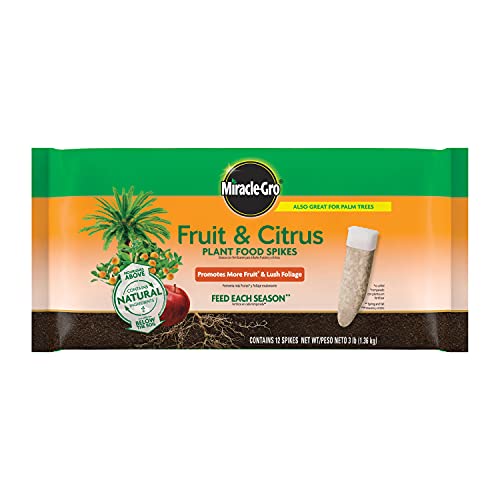
    Farmer's Secret Fruit Tree Booster Fertilizer - Super Concentrated and Phosphorus Rich - Formulated for All Fruit Trees Including Peach, Banana, and Apple (32oz)
    Farmer's Secret Fruit Tree Booster Fertilizer - Super Concentrated and Phosphorus Rich - Formulated for All Fruit Trees Including Peach, Banana, and Apple (32oz)

    Let our professionally formulated plant food help your fruit tree grow healthy, strong AND abundantly producing
    VIEW LATEST PRICE

    As an affiliate, we earn on qualifying purchases.

    General Timeline

    Typically, pear trees start producing fruit between 3 to 6 years old. Factors such as the tree’s health, growing conditions, and care practices influence the timeframe. For instance, a tree in optimal conditions may bear fruit earlier, while one in poor soil might take longer. Here’s a breakdown of approximate timelines for common pear varieties:

    VarietyAverage Time to Bear Fruit
    Bartlett3-5 years
    Bosc4-6 years
    Anjou4-6 years
    Asian Pear5-7 years

    Early vs Late Bearers

    Different pear varieties show distinct patterns in fruit-bearing. Early bearers, like Bartlett and Bosc, typically produce fruit sooner, making them ideal for impatient gardeners. Late bearers, such as Asian pear trees, might take longer to yield fruit but often provide a unique taste and texture. Knowing the type of pear tree you have enables better planning for harvest expectations.

    MUST READ
    How to Plant Passion Fruit Tree: A Complete Guide for Thriving Growth and Bountiful Harvest

    To encourage quicker fruit production, focus on proper care. For instance, fertilizing in spring and ensuring adequate water supply promotes healthy growth.

    Tips to Encourage Fruiting

    Enhancing the fruiting process of your pear trees involves several key care practices. By nurturing your trees properly and understanding their needs, you can enjoy a fruitful harvest sooner.

    Proper Care and Maintenance

    Maintain your pear trees with regular grooming. Prune during the dormant season to remove dead or diseased branches and improve air circulation. Fertilize with a balanced fertilizer in early spring to provide essential nutrients. Water consistently, ensuring the soil is moist but not soggy. Add mulch around the base to preserve soil moisture and regulate temperature. Keep an eye out for pests and diseases. Treat any issues early to prevent stress on the tree, which can delay fruit production.

    Pollination Requirements

    Check the pollination needs of your pear tree variety. Most pear trees require cross-pollination for optimal fruit set. Plant at least two different pear varieties within 50 feet of each other for best results. Trees like Bartlett and Bosc are great companions, as they bloom around the same time. Monitor blooming periods and ensure they overlap, as this increases pollination chances. Consider hand pollination using a small brush if natural pollinators are scarce in your area.

    Conclusion

    Growing pear trees can be a rewarding experience as you watch them flourish and eventually bear fruit. With the right care and attention your patience will pay off when those sweet pears finally appear. Remember to consider the variety you choose since some will bear fruit sooner than others.

    MUST READ
    How Many Times Papaya Tree Bear Fruit and Tips for Maximizing Your Harvest

    By providing optimal growing conditions and ensuring proper pollination you’ll set yourself up for success. So whether you’re just starting or nurturing a young tree keep nurturing it and soon enough you’ll be enjoying the fruits of your labor. Happy gardening and may your pear trees thrive!

    Frequently Asked Questions

    When do pear trees start producing fruit?

    Pear trees usually begin to bear fruit between 3 to 6 years after planting. However, this timeline can vary based on the tree’s variety, age, and growing conditions.

    What factors influence when pear trees produce fruit?

    Several factors affect fruit production in pear trees, including the tree’s age, variety, growing conditions, and care practices. Younger trees focus on root and leaf growth, while optimal sunlight and soil conditions can encourage quicker maturation.

    How long does it take for different pear varieties to bear fruit?

    Typically, Bartlett pears bear fruit in 3-5 years, Bosc and Anjou in 4-6 years, and Asian pears in 5-7 years. Early bearers are great for quick enjoyment, while late varieties offer unique flavors.

    What care practices help accelerate fruit production?

    To promote faster fruiting, provide spring fertilization, ensure consistent watering to keep the soil moist, and prune during the dormant season for healthy growth. Proper care is key to a fruitful harvest.

    Do pear trees need cross-pollination?

    Yes, most pear trees require cross-pollination to set fruit effectively. It’s beneficial to plant at least two different varieties within 50 feet to ensure effective pollination and enhance fruit yield.

    Share. Facebook Twitter Pinterest LinkedIn Tumblr Email
    martha jackson
    Martha Jackson

      Martha Jackson is an accomplished freelance writer and editor with a strong interest in gardening. With a degree in English from the University of California, Berkeley, Martha has over 15 years of experience writing for a variety of publications. She is passionate about making gardening accessible to all and is always seeking out new techniques and innovations.

      Related Posts

      How Long Until Avocado Trees Bear Fruit and Tips for Faster Growth at Home

      February 20, 2025

      What Yellow Fruit Grows on Trees and Their Delicious Health Benefits

      February 20, 2025

      How to Air Layer Fruit Trees: A Step-by-Step Guide for Successful Propagation

      February 20, 2025

      When Do Grapefruit Trees Produce Fruit and How to Maximize Your Harvest

      February 20, 2025

      What Is a Fast Growing Fruit Tree: Discover Quick-Yield Options for Your Garden

      February 20, 2025

      Do Cherry Blossom Trees Have Fruit? Discover the Truth About Their Edibility and Benefits

      February 20, 2025
      Leave A Reply Cancel Reply

      Affiliate Disclosure

      As an Amazon Associate I earn from qualifying purchases.

      Recommended Reading

      How to Make Christmas Fruit Tree: A Festive Step-by-Step Guide for Holiday Cheer

      Olive Trees in a Pot in Maine (Winter Indoor Survival Guide)

      How Long Does It Take to Grow Grapes from Seed? Expert Guide for Successful Cultivation

      Can Quince Trees Grow in Iowa? Expert Midwestern Advice

      Is Neem Tree Fruit Edible? Exploring Its Benefits and Culinary Uses

      What Size Pot for Cucamelon Plant: Choosing the Right Container for Healthy Growth

      Growing Apricot Trees in Irvine, CA (Mastering Coastal Soil)

      Quince Trees in a Pot in North Carolina (Expert-Tested Methods)

      Mango Trees in a Pot in Kentucky (Bluegrass Region Potting Guide)

      Do All Mango Trees Bear Fruit: Key Factors for a Bountiful Harvest Revealed

      Fruit Tree Hub

      Fruit Tree Hub is a website dedicated to providing you everything you need to grow fruit trees successfully at in your own yard.

      Contact us at: [email protected]

      - AFFILIATE DISCLOSURE: As an Amazon Associate I earn from qualifying purchases.

      Latest Posts

      Can Olive Trees Grow in New Jersey? Garden State Growth Tips

      Can Star Fruit Trees Grow in Missouri? Expert Variety Guide

      How to Grow Jujube Trees in Las Vegas, NV: Desert Growth

      Mango Trees in Illinois: Indoor and Greenhouse Growth Secrets

      Growing Papaya Trees in Oklahoma: High Heat Resilience

      Tamarind Trees in a Pot in Ohio (Complete Maintenance Manual)

      Can Fig Trees Grow in Long Beach, CA? Coastal Salt Tips

      Plum Trees in District of Columbia (Urban Microclimate Tips)

      Categories
      • Almond Trees
      • Apple Trees
      • Apricot Trees
      • Best Fruit Trees
      • Blackberry
      • Cantaloupe
      • Cherry Trees
      • Crochet Ideas
      • Crochet Ideas for Beginners
      • Cucamelon
      • Easy Crochet Ideas
      • Easy Knitting Projects
      • Fig Trees
      • Grapefruit Trees
      • Grapes
      • Guava Trees
      • Honeydew
      • Jujube Trees
      • Kiwi
      • Knitting For Beginners
      • Knitting Ideas
      • Knitting Inspiration
      • Lemon Trees
      • Lime Trees
      • Loquat Trees
      • Mango Trees
      • Mulberry Trees
      • Nectarine Trees
      • Olive Trees
      • Orange Trees
      • Papaya Trees
      • Peach Trees
      • Pear Trees
      • Persimmon Trees
      • Planting
      • Plum Trees
      • Pomegranate Trees
      • Quince Trees
      • Raspberry
      • Reviews
      • Small Crochet Ideas
      • Star Fruit Trees
      • Summer Crochet Ideas
      • Tamarind Trees
      • Tangerine Trees
      • Tips and Advice
      • Tools
      • Uncategorized
      • Walnut Trees
      © 2026 Fruit Tree Hub
      • Home
      • About Us
      • Contact
      • Privacy Policy
      • Terms and Conditions
      • Disclaimer
      • Editorial Policy
      • Affiliate Disclosure

      Type above and press Enter to search. Press Esc to cancel.