

Have you ever planted a cherry tree only to watch it stand there, green and beautiful but without a single fruit? You’re not alone. Many gardeners face this frustrating situation, wondering what went wrong.
Key Takeaways
- Types of Cherry Trees: Understand the difference between sweet cherry trees (requiring cross-pollination) and sour cherry trees (often self-pollinating) to choose the best variety for your needs.
- Ideal Growing Conditions: Ensure your cherry trees are planted in well-drained sandy loam soil, receive full sunlight for at least six hours daily, and maintain soil moisture without waterlogging to promote healthy fruit production.
- Pollination Strategies: Choose compatible cherry tree varieties to enhance cross-pollination, and create a pollinator-friendly garden by planting attracting flowers and limiting pesticide usage.
- Consistent Care: Water regularly—about 1 inch per week—using methods that encourage deep root growth, and amend your soil’s pH as necessary for optimal growth.
- Common Issues Awareness: Be vigilant about pests and diseases, such as aphids and brown rot, and take preventive measures to mitigate these threats for better fruit yield.
- Environmental Factors: Monitor temperature requirements and ensure adequate sunlight and soil drainage to foster cherry tree health and maximize fruit-bearing potential.
Understanding Cherry Trees
Cherry trees play a vital role in producing delicious fruit, but understanding their specific needs is essential for successful growth. Knowing the types of cherry trees and their ideal growing conditions helps ensure they bear fruit.
Types of Cherry Trees
You can choose from two main types of cherry trees: sweet and sour.
- Sweet Cherry Trees (Prunus avium): These produce large, sweet fruits. Popular varieties include Bing and Rainier. Sweet cherries thrive in warmer climates and require cross-pollination from another sweet variety.
- Sour Cherry Trees (Prunus cerasus): These yield smaller, tart fruits, great for cooking and baking. Varieties like Montmorency and Morello are common. Sour cherries can often self-pollinate, making them easier for beginners.
Ideal Growing Conditions
Cherry trees flourish under specific growing conditions, and meeting these conditions maximizes fruit production.
- Soil Requirements: Well-drained, sandy loam soil works best. Aim for a pH level between 6.0 and 7.0. Avoid heavy clay or overly wet soil, which impedes root growth.
- Sunlight Need: Cherry trees require full sun for at least six hours daily. Planting in a bright location enhances fruit development.
- Watering Practices: Regular watering, especially during dry spells, is crucial. Keep the soil consistently moist but never waterlogged to promote healthy growth.
- Temperature Tolerance: Cherry trees prefer temperatures between 60°F and 75°F during the growing season. Protect them from frost, especially in early spring when buds emerge.
By recognizing these types and conditions, you can cultivate healthy cherry trees that bear fruit successfully.
Essential Care Practices
Cherry trees require specific care to thrive and produce fruit. Focus on soil quality and watering techniques to ensure your trees reach their full potential.
Recommended Products

Kindly NOTE: This soil tester can not be applied to test pH value of any other liquid. If the soil is too dry the indicator will not move, and water it before testing.

KNOW BEFORE YOU GROW | Grow the healthiest, sustainable lawn and garden with the most accurate and easy to use professional soil test kit on the market

Accurate Soil pH Testing: Dewildetradingco Soil pH Test Strips offer measurements of soil pH levels (pH 3.5-9). As an essential tool for every gardener and grower, these test strips help determine the optimal pH for various plants, such as outdoor plants, indoor plants, gardens, grass lawns, fruit trees, flowers, vegetables, and forest shrubs.
Soil Requirements
Cherry trees prefer well-drained sandy loam soil. This type of soil encourages healthy root development. Test the soil pH; it should range between 6.0 and 7.0 for optimal growth. If soil is too acidic, consider adding lime to raise the pH. If it’s too alkaline, incorporate elemental sulfur to lower it. Amending soil with organic matter, such as compost, enhances drainage and nutrient content. Additionally, avoid overly compacted soil since it restricts root expansion and water absorption.
Watering Techniques
Water your cherry trees consistently, especially during dry spells. Aim for about 1 inch of water per week. Use a soaker hose or drip irrigation to deliver moisture directly to the roots, minimizing evaporation. Water deeply but less frequently to encourage deep root growth. During fruit development, monitor moisture levels closely. Insufficient water may lead to poor fruit size and quality. Adjust your watering schedule based on rainfall, hot weather, and tree age, as younger trees typically require more frequent watering.
Pollination Tips
Successful cherry tree fruit production depends on effective pollination. Proper techniques and awareness of your tree’s variety lead to fruitful yields.
Choosing the Right Varieties
Select sweet cherry trees that require cross-pollination with compatible varieties to enhance fruit development. Examples of popular pairings include ‘Bing’ and ‘Lapins’ or ‘Stella’ and ‘Rainier.’ If you opt for sour cherry trees, consider cultivars like ‘Montmorency,’ which often self-pollinate and thrive in various conditions. By choosing the right varieties, you increase your chances of producing fruit.
Attracting Pollinators
Encourage pollinators like bees in your garden to boost cherry tree fertilization. Here are effective strategies:
- Create a Pollinator-Friendly Garden: Plant flowers that bloom at the same time as your cherry trees, such as lavender or bee balm.
- Limit Pesticides: Minimize chemical use during the blooming season to protect beneficial insects.
- Provide Water Sources: Set up shallow water dishes or puddles to help pollinators stay hydrated.
Implementing these tips attracts butterflies and bees to your garden, ensuring your cherry trees achieve optimal pollination.
Common Issues and Solutions
Cherry trees might face several challenges that prevent them from bearing fruit. Addressing these common issues ensures your tree produces healthy cherries.
Recommended Products
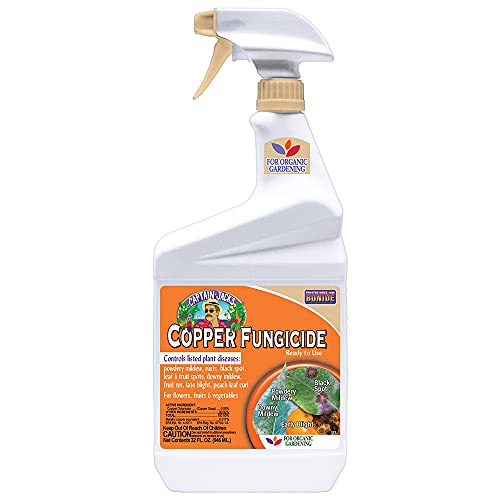
Control fungus and disease in your garden with Captain Jack’s ready-to-use Liquid Copper Fungicide!

Control diseases and insects in your garden with Captain Jack’s Fruit Tree Spray Concentrate! Use on a variety of listed fruits, nuts and citrus plants.

KILLS LISTED FRUIT & CITRUS TREE INSECTS: Controls Asian Citrus Psyllid, Whiteflies, Aphids Thrips, Citrus Leafminers, Leafhoppers, Blackfly, Mealybugs, Scales, Avocado Lacebugs, Oriental Beetles, Flea Beetles, Sharpshooters, and Spittlebugs
Pests and Diseases
Pests can harm cherry trees, impacting their ability to bear fruit. Common pests include:
- Aphids: These small insects suck sap from leaves, causing wilting. Use insecticidal soap to control them.
- Spider Mites: These tiny creatures create webbing and can lead to leaf drop. Increase humidity or use neem oil for management.
- Cherry Fruit Fly: It lays eggs in fruit, causing them to rot. Use traps to monitor and treat infestations with organic pesticides.
Diseases also pose risks. Common diseases include:
- Brown Rot: This fungal disease leads to fruit decay. Apply fungicides during bloom and prune infected branches promptly.
- Leaf Curl: This condition results from viral infections, causing leaves to distort. Remove infected foliage and control aphids, which can spread viruses.
Environmental Factors
Environmental factors significantly influence cherry tree health and fruit production. Key aspects include:
- Temperature: Cherry trees require a chill period of 500-1,000 hours below 45°F. Consider your climate before planting.
- Soil Drainage: Well-drained sandy loam prevents root rot. Test your soil and amend as necessary to improve drainage.
- Sunlight: Cherry trees thrive in full sun for at least six hours daily. Ensure your planting site receives adequate sunlight.
By recognizing and addressing these pests, diseases, and environmental factors, you can enhance your cherry tree’s chances of bearing fruit successfully.
Conclusion
Getting your cherry tree to bear fruit can feel like a challenge but with the right care and understanding you can enjoy a bountiful harvest. By ensuring your tree has the ideal growing conditions and the proper pollination partners you’ll set the stage for success.
Don’t forget to keep an eye on pests and diseases that could hinder your tree’s progress. With a little patience and dedication your cherry tree can thrive and reward you with delicious fruit for years to come. Happy gardening!
Frequently Asked Questions
Why are my cherry trees not producing fruit?
Cherry trees may fail to produce fruit due to several reasons such as poor pollination, inadequate sunlight, or improper growing conditions. Ensure your cherry trees have suitable companions for cross-pollination, receive at least six hours of sunlight, and are watered correctly.
What type of soil is best for cherry trees?
Cherry trees thrive in well-drained sandy loam soil with a pH between 6.0 and 7.0. Improving soil drainage and nutrients through organic matter will promote healthier growth and increase the likelihood of fruit production.
How often should I water my cherry trees?
Cherry trees should receive about 1 inch of water per week. It’s advisable to use methods like soaker hoses or drip irrigation to ensure moisture reaches the roots effectively, especially during dry spells.
Do sweet cherry trees need to be cross-pollinated?
Yes, sweet cherry trees require cross-pollination to produce fruit effectively. Plant compatible varieties, such as ‘Bing’ and ‘Lapins’, to ensure successful pollination and fruit set.
What are common pests that affect cherry trees?
Common cherry tree pests include aphids, spider mites, and cherry fruit flies. Management strategies can include using insecticidal soap and organic pesticides to protect your trees and promote healthy fruit production.
How can I enhance pollination for my cherry trees?
To enhance pollination, select compatible sweet cherry varieties, create a pollinator-friendly garden with flowering plants, minimize pesticide use during blooming, and provide water sources for pollinators to thrive.
What diseases should I watch out for with cherry trees?
Common diseases affecting cherry trees include brown rot and leaf curl. Regular monitoring, proper pruning, and treatment with fungicides can help manage these diseases and protect fruit production.
What environmental factors affect cherry tree growth?
Environmental factors like chill hours, soil drainage, and adequate sunlight significantly impact cherry tree health. Ensure your trees experience necessary winter chill and optimal conditions for robust growth and fruiting.
