

Have you ever wondered why your olive tree isn’t producing any fruit? You’re not alone. Many olive tree owners face this frustrating issue, especially after putting in the time and care to nurture their plants.
Key Takeaways
- Tree Maturity: Olive trees typically take 3 to 5 years to start producing fruit; younger trees are not yet ready to fruit.
- Pollination Needs: Cross-pollination is essential for many olive tree varieties; consider planting compatible trees nearby to enhance fruit production.
- Climate Requirements: Olive trees thrive in Mediterranean climates with warm, dry summers. Ensure your tree receives adequate sunlight and protection from extreme weather.
- Care Practices: Proper watering and fertilization are crucial; water deeply and infrequently, and use balanced fertilizers in spring to support growth.
- Pest and Disease Management: Regularly monitor for pests and diseases that can affect fruit production, and take prompt action to manage any infestations.
- Pruning and Seasonal Awareness: Prune your olive tree at the right times to promote healthy growth and monitor for flowering during the appropriate seasons to anticipate fruiting.
Understanding Olive Tree Fruiting
Olive trees generally need specific conditions to produce fruit. Understanding these conditions helps determine why your olive tree might not be fruiting.
Factors Affecting Fruiting
- Age of the Tree
Olive trees typically start bearing fruit at around 3 to 5 years of age. If your tree is younger, it may not be ready to fruit yet. - Pollination
Some olive tree varieties require cross-pollination to produce fruit. If you have only one tree, consider planting another compatible variety nearby. - Climate Conditions
Olive trees thrive in Mediterranean climates. They need warm temperatures and dry summers. If your area is too cold or humid, fruiting may be limited. - Soil Quality
Well-drained soil is essential for olive trees. Poor soil conditions can restrict nutrient uptake. Test your soil and amend it with organic matter if needed. - Watering Practices
Overwatering or underwatering can hinder fruit production. Maintain consistent moisture without waterlogging the roots. Deep watering during dry spells promotes better growth.
Seasonal Considerations
- Dormancy Period
Olive trees experience a dormancy period in winter. During this time, they store energy for the upcoming growing season. Look for signs of new growth in spring, indicating that flowering, and thus fruiting, may follow. - Flowering Season
Olive trees typically flower between April and June. Pay attention during this period; if your tree doesn’t flower, it likely won’t produce fruit.
- Fertilization
Use a balanced fertilizer designed for fruit trees, applying it in early spring. Follow package instructions to avoid over-fertilizing, which can lead to excessive foliage growth at the expense of fruiting. - Pruning Techniques
Regular pruning fosters air circulation and light penetration. Prune in late winter or early spring to encourage flower production and remove any dead or diseased branches. - Pest Control
Monitor for pests and diseases that could impact flowering. Using organic pest control methods helps maintain tree health and encourages fruit production.
By addressing these factors, you can help your olive tree thrive and increase its chances of producing olives.
Common Reasons for Non-Fruiting
You might notice your olive tree thriving but not producing any fruit. Understanding common reasons for non-fruiting can help you identify and resolve the issue.
Recommended Products
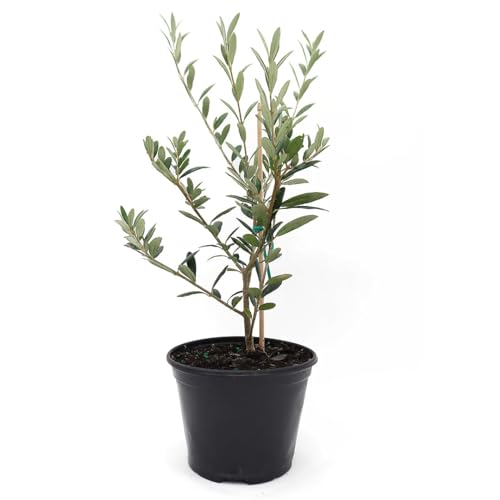
TIMELESS ELEGANCE: The Olive Tree is a symbol of timeless elegance and grace. With its slender, silvery leaves and twisting branches, this tree adds a touch of Mediterranean charm to any home. Embrace the beauty of ancient civilizations as you bring the allure of olive groves to your own garden or home.

Gourmet Home Gardening: Cultivate a taste of the Mediterranean in your own backyard with the Arbequina Olive Tree. This exquisite variety is renowned for its high-quality olives, perfect for homemade olive oil and culinary creations. Elevate your cooking experience with the authentic flavors of freshly harvested olives, right from your garden.

50 Memorial Gift Wrap Tags: Includes 50 Tree cross-shaped writable gift tags designed for funeral favors, sympathy gifts, remembrance gatherings, and celebration-of-life events. Each tag measures approximately 3"hx2"lx0.02"w, perfect for gift bags, keepsake boxes, bouquets, and favor packaging.
Lack of Pollination
Pollination plays a crucial role in fruit production. Olive trees often require cross-pollination to set fruit. If your tree stands alone without a compatible male tree nearby, it may struggle to produce olives. Adding a second tree of a different variety can enhance pollination and increase fruit yield.
Insufficient Maturity
Olive trees need time to mature before they bear fruit. Generally, an olive tree takes about 3 to 5 years to produce olives after planting. If your tree is younger than this, patience is necessary. Regular care and proper nutrition will support its growth and eventual fruiting.
Environmental Factors
Environmental conditions significantly influence fruit production. Olive trees thrive in Mediterranean climates, characterized by hot, dry summers and mild, wet winters. Factors like extreme temperatures, inadequate sunlight, and poor drainage can hinder fruiting. Ensure your tree receives at least 6 hours of sunlight daily, and adjust watering practices to avoid over- or under-watering.
Care and Maintenance Tips
Maintaining your olive tree properly is key to encouraging fruit production. Focus on essential practices like watering and fertilizing to boost your tree’s health.
Recommended Products

2X MORE VALUE: 16 oz of Olive outdoor & indoor plant fertilizer makes 16 gallons of fruit tree spray, while the bigger size 32 oz bottle makes 32 gallons for lasting care of your olive tree live plant.

Water Soluble phosphorus and potassium
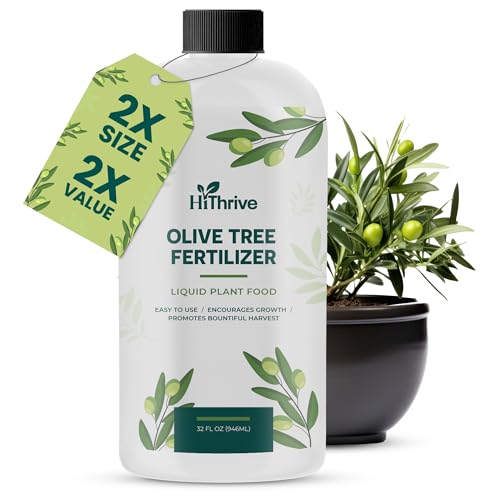
2X MORE VALUE: 16 oz of Olive outdoor & indoor plant fertilizer makes 16 gallons of fruit tree spray, while the bigger size 32 oz bottle makes 32 gallons for lasting care of your olive tree live plant.
Proper Watering Techniques
Water your olive tree deeply but infrequently. Aim for about 1-2 inches of water every two weeks during the growing season. Adjust your watering schedule based on rainfall. If the leaves droop or turn yellow, it may signal overwatering. Monitor soil moisture by sticking your finger about an inch into the soil; if it feels dry, it’s time to water. Avoid allowing the roots to sit in water, as this can lead to root rot.
Fertilization Needs
Fertilize your olive tree in early spring with a balanced fertilizer. Use one with equal parts nitrogen, phosphorus, and potassium, like a 10-10-10 formula. Applying 1-2 pounds of fertilizer per year helps support healthy growth. If you notice leaves yellowing, consider a nitrogen-rich fertilizer to enhance green foliage. Avoid fertilizing during the dormant season, typically late fall to early spring, as this can hinder flowering and fruiting.
Identifying Pests and Diseases
Identifying pests and diseases is crucial for maintaining the health of your olive tree and ensuring fruit production. Issues like infestation or infections can severely impact your tree’s ability to bear olives.
Recommended Products

3-in-1 FORMULA: Aphid spray for outdoor plants for use on roses, flowers, shrubs and trees to control listed insects, disease and mites

3-IN-1 PLANT CARE: 3-In-1 Insect, Disease & Plant Mite Control provides insect control, disease control, and plant mite control all in one; Rainproof protection starts in 4 hours and lasts up to 14 days
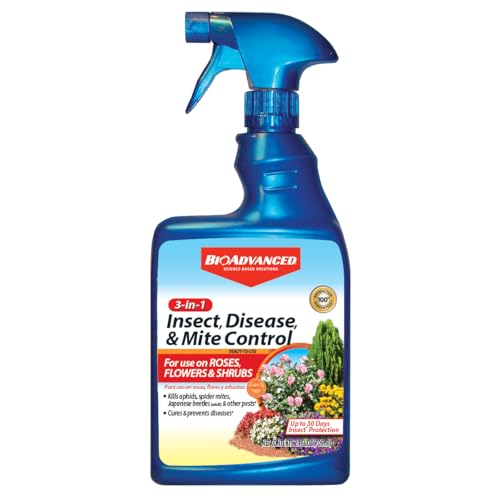
INSECT KILLER: Army worm killer. Also kills insects such as Aphids, Spider Mites, Japanese Beetles, Caterpillars, and other listed insects
Common Pests Affecting Olive Trees
- Olive Fruit Fly: This insect lays eggs in fruits, causing damage. Look for small, punctured holes on ripe olives.
- Olive Moth: Larvae of this moth feed on leaves and fruit. Check for webbing or small caterpillars on foliage.
- Scale Insects: These pests suck sap from the tree, leading to yellowing leaves. Identify them by their small, waxy shells on branches or leaves.
- Aphids: These tiny insects cluster on new growth. They produce a sticky substance, leading to black sooty mold.
- Spider Mites: Fine webbing on leaves is a sign. They thrive in hot, dry conditions and can cause leaf drop.
- Leaf Spot Disease: Look for circular, dark spots on leaves, often surrounded by a yellow halo. Affected leaves may drop prematurely.
- Root Rot: Yellowing leaves and a general decline in vigor may indicate overwatering and root issues. Inspect the root zone for mushy roots.
- Anthracnose: This fungal disease manifests as dark lesions on leaves and stems. It can lead to defoliation if not controlled.
- Olive Knot: Caused by bacteria, it results in gnarled knots on wood. These knots can weaken the tree structure over time.
Regularly inspect your olive trees for signs of pests and diseases. Early detection allows for prompt action, improving your chances of successful fruit production.
Conclusion
If your olive tree isn’t fruiting it can be frustrating but you’re not alone in this. By paying attention to the factors that influence fruit production you can create an environment where your tree thrives. Whether it’s ensuring proper pollination or adjusting your watering and fertilization practices every little change can make a difference.
Stay observant for pests and diseases as they can sneak in and disrupt your tree’s health. With a bit of patience and care your olive tree could soon reward you with its delicious fruit. Enjoy the journey of nurturing your tree and watching it grow.
Frequently Asked Questions
Why aren’t my olive trees producing fruit?
Olive trees may not produce fruit due to several factors, including insufficient maturity, lack of proper pollination, and unfavorable environmental conditions. Younger trees typically require 3 to 5 years before they start bearing fruit. Ensure optimal climate conditions, as extreme temperatures and inadequate sunlight can affect production.
What can I do to encourage fruiting in my olive trees?
To encourage fruiting, ensure your olive trees are well-maintained. Provide adequate water (1-2 inches every two weeks), use a balanced fertilizer in early spring, and implement proper pruning techniques. Regularly check for pests and diseases that may hinder fruit production.
How important is pollination for olive trees?
Pollination is crucial for olive trees as many varieties require cross-pollination to set fruit. Planting compatible varieties nearby can enhance pollination, leading to better fruit production. Consider factors such as wind and insect activity, which can also influence pollination success.
What environmental conditions do olive trees need?
Olive trees thrive in Mediterranean climates, which offer mild winters and warm, dry summers. They require full sun for at least 6 hours a day and well-draining soil to grow successfully. Avoid extreme temperatures and ensure proper humidity levels to promote healthy growth and fruiting.
When do olive trees bloom and what is the dormancy period?
Olive trees typically bloom in late spring, with flowering occurring after a period of dormancy in winter. Understanding these cycles helps ensure you provide the right care during these critical times, impacting overall fruit production.
