

Have you noticed your fruit tree struggling? Maybe the leaves are turning brown or the fruit isn’t as plentiful as it used to be. You’re not alone; many gardeners face the challenge of reviving a sad-looking tree.
Key Takeaways
- Understand Your Tree’s Needs: Ensure your fruit tree receives 6 to 8 hours of direct sunlight daily and well-draining soil for optimal growth.
- Identify Common Problems: Regularly check for pests and diseases, and take corrective action like pruning, using organic treatments, and monitoring air circulation.
- Implement Proper Watering Techniques: Water your tree deeply and infrequently based on soil moisture levels, and apply mulch to retain moisture.
- Recognize When to Seek Help: Be alert to signs of severe damage, such as extensive browning, dead branches, or persistent pest infestations that may require professional assistance.
- Choose the Right Arborist: Select a certified arborist with credentials and experience specific to fruit trees, and ensure they have liability insurance for added protection.
Understanding Fruit Tree Needs
Understanding the needs of your fruit tree helps maintain its health and productivity. Proper care ensures your tree thrives and produces bountiful fruit each season.
Recommended Products

Accurate Soil pH Testing: Dewildetradingco Soil pH Test Strips offer measurements of soil pH levels (pH 3.5-9). As an essential tool for every gardener and grower, these test strips help determine the optimal pH for various plants, such as outdoor plants, indoor plants, gardens, grass lawns, fruit trees, flowers, vegetables, and forest shrubs.

Kindly NOTE: This soil tester can not be applied to test pH value of any other liquid. If the soil is too dry the indicator will not move, and water it before testing.

KNOW BEFORE YOU GROW | Grow the healthiest, sustainable lawn and garden with the most accurate and easy to use professional soil test kit on the market
Sunlight Requirements
Your fruit tree requires full sunlight for optimal growth. Most fruit trees need 6 to 8 hours of direct sun daily. Location plays a crucial role; plant the tree in an area free from shading by buildings or other trees. For example, apple and peach trees flourish in sunny spots. If you’re unsure about the sunlight levels, observe the area throughout the day to confirm it gets enough light.
Soil Quality and Drainage
Soil quality directly impacts the health of your fruit tree. Well-draining soil prevents root rot and encourages healthy growth. Test your soil for pH levels; most fruit trees prefer slightly acidic to neutral soil, typically between 6.0 and 7.0. Amend your soil with organic matter like compost to enhance its structure and nutrient content. Also, check for drainage; dig a hole and fill it with water. If it drains slowly, consider raising the planting bed to improve drainage. Proper preparation leads to strong, productive trees.
Common Problems Faced by Fruit Trees
Fruit trees encounter various problems that can impact their health and productivity. Identifying these challenges early helps in taking appropriate action to ensure your tree thrives.
Recommended Products
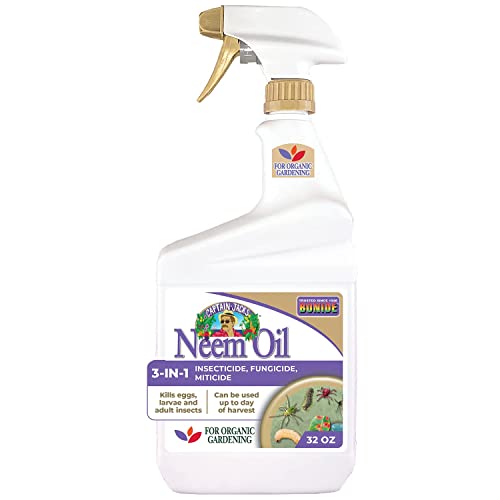
Protect your oasis with 3 garden products in 1 from Captain Jack’s; Bonide Captain Jack’s Ready-to-Use Neem Oil spray for plants is a multi-purpose fungicide, insecticide and miticide for your lawn & garden

PLANT DISEASE CONTROL: Natria Neem Oil acts as an insecticide and fungicide in one convenient spray; Ready-to-use trigger sprayer requires no mixing

FUNGAL DISEASE CONTROL: Prevents and controls black spot on roses, powdery mildew, rust, downy mildew, and other listed fungal diseases when applied on a 7–14 day schedule
Pests and Diseases
Pests and diseases pose significant threats to fruit trees. Common pests include aphids, spider mites, and fruit flies, which can damage leaves and fruit. To manage pests, consider these strategies:
- Inspect Regularly: Check leaves and fruit for insects or webbing.
- Use Natural Predators: Introduce ladybugs or lacewings to control aphid populations.
- Apply Neem Oil: This organic treatment works against various pests and is safe for beneficial insects.
Diseases, such as powdery mildew and root rot, can hinder growth. Prevention and control measures include:
- Ensure Air Circulation: Space trees appropriately to promote airflow.
- Water Wisely: Avoid overhead watering to minimize fungal infections.
- Remove Diseased Parts: Prune affected branches or fruit promptly.
Environmental Stressors
Environmental factors can affect the health of your fruit tree. Stressors might include temperature fluctuations, inadequate sunlight, or poor soil conditions. Here’s how to alleviate these issues:
- Monitor Temperature: Protect trees from extreme cold by covering them or using mulch.
- Provide Adequate Sunlight: Ensure your tree receives 6 to 8 hours of direct sunlight daily.
- Improve Soil Quality: Test soil pH and amend it to achieve the ideal slightly acidic to neutral range.
Understanding and addressing these common problems helps maintain a healthy fruit tree that’s productive year after year.
Techniques to Save a Fruit Tree
Understanding the right techniques can significantly improve the health of your struggling fruit tree. Here are effective methods to restore its vitality.
Recommended Products
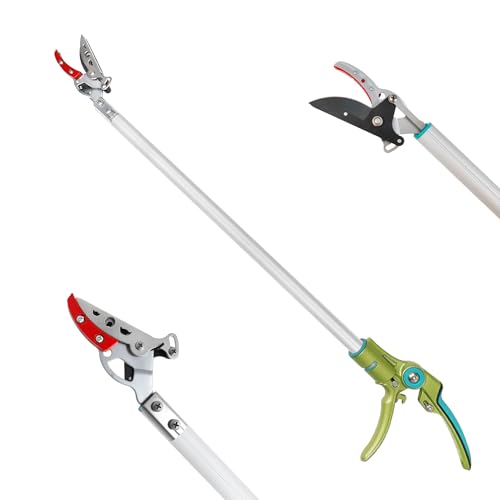
[REACH HIGH & STAY SAFE](No Ladder Required) Say goodbye to wobbly ladders! This 32inch long reach pole pruner offers an extra 30 inches of safe reach, allowing you to prune high branches or tall fruit trees while standing firmly on the ground. It’s the perfect extension tool for maintaining your backyard without the risk of falling.


UPGRAFE PROFESSIONAL GARDENING GRAFTING TOOLS: Professional grafting set, including 2 in 1 grafting pruning tools, 3 replaceable blades, a grafting knife, a pruning shears, a screwdriver, a wrench, 3 grafting films, and 45 colorful tag cards
Pruning and Maintenance
Pruning is essential for healthy fruit trees. Start by removing dead or diseased branches to encourage new growth. Focus on thinning crowded areas to improve air circulation. When pruning, follow these steps:
- Use sharp, clean tools: This reduces the risk of disease transfer.
- Cut at a 45-degree angle: This promotes faster healing.
- Remove suckers and water sprouts: These compete for nutrients.
Regular maintenance promotes better fruit production. Fertilize your tree in early spring with a balanced fertilizer, offering nutrients for growth and fruiting. Keeping the base of the tree clear of weeds and debris also supports health.
Proper Watering Practices
Watering properly ensures your fruit tree gets the moisture it needs without becoming waterlogged. Follow these watering practices:
- Check the soil moisture: Insert your finger about 2 inches into the soil. If it’s dry, it’s time to water.
- Water deeply and infrequently: Aim for 1-2 inches of water weekly, especially during dry spells. This encourages deep root growth.
- Apply mulch: A 2-3 inch layer of mulch helps retain soil moisture while reducing weed competition.
Monitor for signs of overwatering, such as yellowing leaves. Adjust your watering schedule based on rainfall and temperature. Consistency in watering keeps your tree healthy and productive.
When to Seek Professional Help
Sometimes, despite your best efforts, a fruit tree may need professional assistance. Recognizing when to call in an expert can rescue your tree and ensure its long-term health.
Signs of Severe Damage
Look for these indicators that may signal serious issues with your fruit tree:
- Extensive Browning: If the majority of the leaves are turning brown and dropping, the tree’s health is compromised.
- Dead Branches: Check for branches that do not exhibit any signs of life, such as buds or fresh growth.
- Gnarled Trunks or Limbs: Severe cracks or unusual growth patterns on the trunk can indicate internal damage or disease.
- Root Problems: If the tree exhibits stunted growth or leaning, inspect the roots for decay or suffocation.
- Persistent Pest Infestations: If natural control methods fail, constant pest presence might necessitate expert intervention.
Address these signs immediately, as they can lead to irreversible damage or tree loss.
Choosing the Right Certified Arborist
Selecting a qualified arborist can make a significant difference in your fruit tree’s recovery. Consider the following tips:
- Check Credentials: Look for certified arborists with credentials from organizations like the International Society of Arboriculture (ISA).
- Ask for Recommendations: Seek referrals from local garden centers or neighbors who’ve had positive experiences.
- Review Experience: Confirm the arborist’s experience with fruit trees specifically, as different species have unique needs.
- Observe Insurance: Ensure the arborist carries liability insurance to protect against potential damage during their work.
- Request Estimates: Obtain written estimates from multiple professionals for comparison. Ensure estimates include a clear breakdown of services.
Taking these steps helps guarantee that your fruit tree gets the best care possible.
Conclusion
Taking care of your fruit trees can feel overwhelming at times but remember you’re not alone in this journey. With a little patience and the right techniques you can revitalize your trees and enjoy the fruits of your labor.
Pay attention to their needs and tackle any issues as they arise. Whether it’s pests diseases or environmental stressors addressing these challenges promptly will make all the difference.
And don’t hesitate to reach out for help if things get too tough. Finding a certified arborist can provide the expertise you need to ensure your trees thrive for years to come. Happy gardening and may your fruit trees flourish!
Frequently Asked Questions
What are common symptoms of struggling fruit trees?
Struggling fruit trees often display symptoms like browning leaves, reduced fruit production, and wilting. These issues can arise from environmental stressors, poor soil conditions, or pest infestations. Recognizing these signs early can help address the underlying causes.
How much sunlight do fruit trees need?
Fruit trees generally require full sunlight for 6 to 8 hours daily. Ensuring they are planted in an area free from shading is vital for their overall health and productivity. Adequate sunlight is essential for photosynthesis and fruit development.
What type of soil is best for fruit trees?
Fruit trees thrive in well-draining soil that is slightly acidic to neutral. Enhancing soil quality with organic matter can improve its structure and drainage, providing an ideal environment for healthy root growth and fruit production.
How can I manage pests and diseases in my fruit trees?
Regular inspections and preventive measures are key in managing pests and diseases. Use natural predators, apply neem oil, and maintain good air circulation around the tree. Promptly remove diseased parts to prevent further spread.
What techniques can help save struggling fruit trees?
To save struggling fruit trees, perform regular pruning, remove dead or diseased branches, and thin crowded areas for better airflow. Fertilize in early spring, keep the base weed-free, and water deeply but infrequently for optimal health.
When should I seek professional help for my fruit trees?
Seek professional help if you notice extensive browning, dead branches, or root problems. Persistent pest infestations or gnarled trunks are also signs of severe damage. Early intervention can prevent irreversible harm to your trees.
How can I find a certified arborist for my fruit trees?
To find a certified arborist, check their credentials and seek recommendations from trusted sources. Review their experience with fruit trees, confirm their liability insurance, and obtain written estimates to ensure quality care for your trees.
