

Are your fruit trees looking a bit tired after winter? Spring is the perfect time to give them the care they need to thrive. Whether you’re a seasoned gardener or just starting out, understanding how to treat your trees can make all the difference in your harvest.
Key Takeaways
- Spring Care is Crucial: Treating fruit trees in spring is essential to support their health and productivity after winter dormancy.
- Promote Growth: Proper care early in the season enhances growth, improves root strength, and increases fruit yield.
- Pest and Disease Prevention: Regular inspections and timely applications of organic pesticides help reduce pest and disease risks.
- Pruning and Cleaning: Proper pruning and clearing debris declutters the tree, allowing better air circulation and light penetration.
- Watering Strategies: Implement deep watering techniques to maintain soil moisture while using mulch to retain moisture and suppress weeds.
- Soil and Fertilization: Amending soil with organic matter and applying balanced fertilizers boost nutrient availability and overall tree health.
Importance Of Treating Fruit Trees In Spring
Treating fruit trees in spring is essential for their health and productivity. Spring marks the time when trees awaken after winter dormancy, and proper care enhances their growth.
Promotes Healthy Growth
Healthy trees produce more fruit. By providing proper nutrients and care, you boost canopy development and root system strength.
Prevents Pests and Diseases
Spring treatments reduce the risk of pests and diseases. Inspect leaves and branches for signs of trouble, like discoloration or webbing. Apply organic pesticides or fungicides early to protect your trees.
Improves Fruit Quality
Quality fruit develops from healthy trees. Regular care during spring results in larger, tastier fruit. Consider using slow-release fertilizers to nourish your trees and encourage consistent growth.
Encourages Proper Pruning
Pruning in spring promotes better air circulation. Remove dead or damaged branches to prevent disease spread. This practice opens up the tree, ensuring sunlight reaches all areas.
Increases Yield
Protection and nurturing in spring lead to higher yields. A well-maintained tree produces more fruit than one neglected during this crucial time.
Enhances Soil Health
Spring treatments improve soil health. Aerating the soil and adding organic matter provides nutrients, enhancing water retention and root development.
Provides a Strong Foundation
Treating your fruit trees sets the stage for future growth. With proper spring treatment, you’ll establish a healthy growing season, ensuring that your trees thrive throughout the year.
Preparing Your Fruit Trees For Spring
Preparing your fruit trees for spring involves key steps to ensure optimal growth and productivity. Focus on pruning and cleaning to give your trees a healthy start.
Recommended Products

LONG-LASTING SHARPNESS: Japanese SK5 bypass blade with titanium coating is tested through 5,000 cuts to maintain a sharp edge and deliver clean, consistent cuts on live stems and branches

Reduce Hand Strain: These micro tip snips are made to reduces hand fatigue which makes them great for those with arthritis, carpal tunnel, hand or wrist issues; Comfortable “grip” handles will make it easy to work for long-time use without making you feel hand pain

DUAL CUTTING POWER: VERSATILE PRUNING COMBO --- With both Pruning Shears and Pruning Snip, this combo delivers unmatched versatility. Whether you're delicately trimming flowers and shrubs, tackling thicker tree branches, or tending to your vegetable and fruit garden, our combo pack excels in all areas. They're also perfect for landscaping projects and maintaining the health and appearance of indoor plants. With this pack, you have a versatile tool that simplifies your gardening tasks.
Pruning Techniques
Pruning enhances tree structure and promotes fruit production. Follow these steps:
- Select the Right Time: Prune during late winter or early spring before new growth begins.
- Use Clean Tools: Always use sharp, clean pruning shears to avoid disease transmission.
- Remove Dead or Diseased Wood: Cut away any branches showing signs of life. This helps prevent the spread of disease.
- Thin Out Crowded Areas: Ensure good air circulation by removing branches that overlap or grow inward.
- Shape the Tree: Maintain a balanced structure by trimming back long branches and encouraging a central leader for better sunlight penetration.
Cleaning Your Orchard
Cleaning your orchard sets the stage for healthy growth. Here’s how to do it:
- Clear Debris: Remove fallen leaves, fruit, and any other debris from around the trees. This reduces pest habitats.
- Inspect for Pests: Look for any signs of pests or disease on branches or the ground.
- Maintain Soil Health: Rake and compost organic material to improve soil fertility.
- Check Mulch Levels: Replenish mulch around the base of the trees. Mulch retains moisture and regulates soil temperature.
By following these pruning techniques and cleaning tips, you prepare your fruit trees for robust growth and fruitful harvests throughout the season.
Essential Treatments For Spring
Spring treatments are essential for nurturing your fruit trees. These practices set the stage for strong growth and productive harvests.
Recommended Products

FORMULATED FOR CITRUS AND FRUIT TREES: Use these citrus fertilizer spikes on apple, orange, lemon, lime, and avocado trees; this formula is also great for feeding palm trees

Package contains 4 Pounds organic fruit and citrus fertilizer grains and is produced to avoid wasteful runoff, mess, hazards and smells

Balanced Organic Nutrition – Supplies a 6‑3‑3 NPK ratio along with calcium, sulfur, iron, and zinc to foster healthy foliage, flowering, and fruit.
Fertilization Best Practices
Fertilization boosts tree health and fruit production. Start with a soil test to determine nutrient needs. Apply a balanced fertilizer containing nitrogen, phosphorus, and potassium, often labeled as N-P-K ratios. Use organic options like compost or well-rotted manure, which enrich the soil naturally.
- Timing: Fertilize in early spring as trees come out of dormancy.
- Amount: Generally, apply 1 pound of fertilizer per inch of trunk diameter.
- Application: Spread fertilizer evenly around the tree, keeping it a few inches away from the trunk to avoid burning.
Monitor your trees throughout the growing season. Adjust fertilizer types based on their response.
Pest And Disease Management
Pest and disease management ensures healthy fruit production. Inspect your trees regularly for signs of pests or diseases.
- Monitoring: Check leaves, branches, and fruit for signs of trouble.
- Preventive Sprays: Use horticultural oils or insecticidal soaps to prevent infestations. Apply at the first sign of pests.
- Natural Predators: Encourage beneficial insects, like ladybugs, which feed on aphids.
- Pruning: Remove unhealthy or infested branches promptly to stop the spread of diseases.
Implementing these strategies in spring promotes healthy growth, reduces pest damage, and maximizes fruit quality.
Watering And Irrigation Strategies
Watering is essential for fruit tree health in spring. Focus on maintaining adequate moisture as trees begin to grow after winter dormancy. Implement these strategies to optimize watering and irrigation.
Recommended Products

SAVE TIME AND EFFORT: This plant watering kit has everything you need to get started with drip irrigation and precisely water up to ten individual plants. Use the kit to build, expand, or repair a drip irrigation system
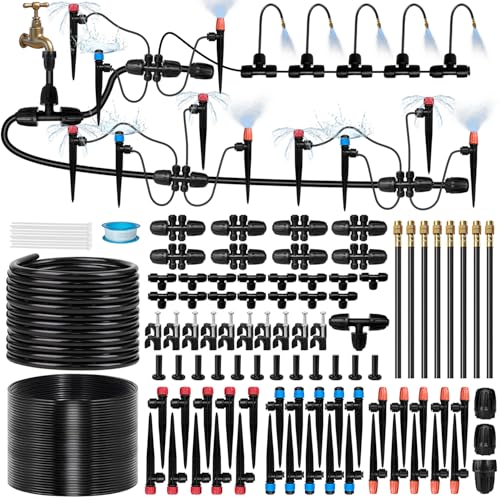
【Upgraded Tube Design & Water Saving】 Our garden watering system is upgraded to 1/2” diameter to support high water pressure. The 1/2” tee connector allows seamless splitting into 2 independent zones for customized watering schedules. By delivering moisture directly to root zones, this drip Irrigation system significantly reduces evaporation and runoff—saving more water compared to conventional sprinklers while eliminating the need for manual watering.

Unique Design: 1/4" drip emitter ensures wide water passages, large deep and wide cross-section that improves clogging resistance for Garden Pots, Trees and Shrubs
Assess Soil Moisture
Check soil moisture levels regularly. Stick your finger about two inches into the soil. If it feels dry, your tree needs water. Monitoring moisture helps prevent both overwatering and underwatering.
Water Deeply
Deliver water directly to the root zone. Water trees slowly and deeply, allowing the soil to absorb moisture effectively. Aim for about one to two inches of water per week, depending on rainfall. Deep watering encourages strong root development.
Use Mulch
Apply a two-to-four-inch layer of organic mulch around the base of the tree. Mulch retains moisture, regulates soil temperature, and reduces weed competition. Keep mulch a few inches away from the trunk to prevent rot.
Irrigation Systems
Consider using drip irrigation systems. Drip irrigation delivers water directly to the roots and minimizes evaporation. Adjust the system to water slowly and deeply, ensuring even moisture distribution.
Timing
Water in the early morning or late afternoon. These times reduce evaporation and allow water to penetrate the soil more effectively. Avoid watering during the hottest part of the day.
Fertilization
Combine watering with fertilization techniques. Dilute liquid fertilizers in water and apply them during irrigation. This method ensures nutrients reach the root system while maintaining moisture.
Adjust for Varieties
Different fruit tree varieties may require specific watering needs. Research the needs of your particular tree species. Adjust your watering schedule based on your trees’ specific requirements.
Observe Tree Health
Monitor your trees closely for signs of stress. Wilting leaves or soft, discolored fruit can indicate watering issues. Adjust your watering practices as needed to ensure healthy growth.
Applying these watering and irrigation strategies supports the overall health and productivity of your fruit trees. Healthy trees thrive when you deliver the right moisture at the right time.
Maintenance Tips For Healthy Growth
Pruning Techniques
- Remove dead or diseased wood. This prevents the spread of infections.
- Thin crowded areas. This improves airflow and sunlight exposure.
- Shape the tree. Use pruning techniques that encourage vertical growth.
Soil Management
- Test soil for nutrients. Use a DIY kit, or send samples to a lab.
- Amend soil as needed. Add compost or organic matter to improve fertility.
- Mulch around the base. Use 2-4 inches of mulch to retain moisture and suppress weeds.
Fertilization Strategy
- Apply balanced fertilizer. Follow package instructions for quantity and timing.
- Monitor tree growth. Adjust fertilization based on observed tree health.
- Use organic options. Consider fish emulsion or compost tea for nutrients.
Pest and Disease Prevention
- Inspect trees regularly. Look for signs of pests or diseases to catch issues early.
- Apply preventive sprays. Use eco-friendly solutions at the beginning of the season.
- Encourage natural predators. Attract birds and beneficial insects to help control pests.
Watering Practices
- Assess soil moisture weekly. Stick your finger about an inch into the soil.
- Water deeply but infrequently. Aim for 1-2 inches of water per week.
- Consider a drip irrigation system. This targets roots directly and reduces water waste.
- Fertilize before new growth begins. Early spring is the ideal time.
- Use slow-release fertilizers. This ensures nutrients are available throughout the growing season.
- Adjust based on specific tree needs. Different fruit tree varieties require different nutrient levels.
By following these maintenance tips, you support the healthy growth of your fruit trees, setting them up for a bountiful season.
Conclusion
Taking the time to care for your fruit trees in spring can make all the difference in their health and productivity. By following the right practices like pruning fertilizing and watering you’re setting the stage for a fruitful season ahead.
Remember to keep an eye out for pests and diseases while nurturing your trees. This proactive approach not only boosts your harvest but also enhances the overall health of your garden.
With a little effort and attention your fruit trees will thrive and reward you with delicious fruit for seasons to come. Enjoy the process and watch your garden flourish!
Frequently Asked Questions
Why is spring care important for fruit trees?
Spring care is crucial as it marks the awakening of trees from dormancy. Proper treatment during this time enhances growth, prevents pests and diseases, and significantly impacts fruit quality and yield. Healthy trees can produce more fruit, making spring care vital for both beginners and experienced gardeners.
What are the essential steps for preparing fruit trees in spring?
Essential steps include pruning and cleaning. Pruning involves removing dead or diseased wood, thinning crowded areas, and shaping the tree for sunlight. Cleaning the orchard by clearing debris, inspecting for pests, and maintaining soil health ensures that trees are primed for optimal growth and productivity.
How can I effectively prune my fruit trees?
Effective pruning entails choosing the right time and using clean tools. Focus on removing any dead or diseased wood, thinning crowded branches for better airflow and sunlight, and shaping the tree to encourage vertical growth. This promotes healthy development and maximizes fruit production.
What fertilization practices should I follow in spring?
Start with a soil test to determine nutrient needs. In early spring, apply a balanced fertilizer based on the test results. Follow the recommended application methods and monitor tree growth, adjusting the fertilizer amount as needed for optimal health and productivity.
How do I manage pests and diseases in my fruit trees?
Regular monitoring is key for pest and disease management. Conduct periodic inspections, apply preventive sprays, and encourage natural predators in your orchard. These practices help maintain tree health and reduce potential damage, ensuring a strong foundation for fruit production.
What watering strategies are best for fruit trees in spring?
To support fruit tree health, assess soil moisture regularly. Water deeply to encourage strong root development, and consider using mulch to retain moisture. Drip irrigation systems can provide efficient water delivery, while watering during early mornings minimizes evaporation.
How can I maintain soil health for my fruit trees?
Maintaining soil health involves testing for nutrients, amending with compost, and mulching to retain moisture. Regularly monitor soil conditions and incorporate organic matter to enhance soil structure and nutrient availability, providing a fertile environment for healthy tree growth.
What additional maintenance tips can I follow for my fruit trees?
Beyond pruning and watering, maintain healthy growth by regularly inspecting for pests, using preventive sprays, and encouraging beneficial insects. Implementing proper soil management, fertilization strategies, and consistent care will ensure robust growth and a bountiful harvest throughout the season.
