

Have you ever noticed little nibble marks on your fruit trees and wondered who’s raiding your harvest? If you’ve got a garden full of delicious fruits, the last thing you want is for rats to spoil your hard work. These pesky critters can quickly turn a bountiful crop into a disappointing loss.
Key Takeaways
- Understanding Rat Threats: Rats can significantly damage fruit trees by consuming fruits and harming the tree structure, leading to reduced yields.
- Identifying Infestation Signs: Common indicators of rat activity include nibbled fruits, droppings, gnaw marks, burrows, and noises during the night.
- Effective Prevention Techniques: Utilize physical barriers like fencing and tree guards, maintain a clean environment, and store compost properly to deter rats.
- Natural Deterrents: Consider planting mint, lavender, and marigolds, as well as using essential oils like peppermint and eucalyptus to create an unwelcoming atmosphere for rats.
- Chemical Solutions: Commercial rat repellents that contain natural ingredients can be effective; apply them safely following the product guidelines.
- Regular Monitoring: Conduct weekly inspections and implement long-term management strategies, such as rotating deterrents and collaborating with neighbors to maintain a rat-free environment.
Understanding the Problem
Rats pose a significant threat to fruit trees. These pests not only damage your fruits but also disrupt your gardening efforts.
Importance of Protecting Fruit Trees
Protecting your fruit trees ensures a healthy harvest. Rats can consume fruits and damage the tree structure, leading to reduced yields. Maintaining the integrity of your trees helps sustain their health and vitality. Healthy trees produce better fruit quality, increasing your gardening success.
Common Signs of Rat Infestation
Identifying rat infestation early aids in effective management. Look for these signs around your fruit trees:
- Nibbled Fruits: Damage on ripe or developing fruits indicates rat activity.
- Droppings: Small, dark droppings near the base of trees suggest rodent presence.
- Gnaw Marks: Chew marks on the bark or branches reveal rat feeding.
- Burrows: Holes or burrows near the roots can point to nesting or hiding areas.
- Noises: Scratching or scurrying sounds during the night may indicate rats are active.
By recognizing these signs, you can take proactive steps to protect your fruit trees.
Effective Prevention Strategies
Keeping rats away from fruit trees requires a combination of physical barriers and maintenance practices. Implementing these strategies helps protect your harvest and promotes healthy tree growth.
Recommended Products

✅【Premium Heavy-Duty Material for Long-Lasting Protection】 VITI Fruit Trees Netting Crafted from reinforced polyethylene with UV-resistant coating, this netting is designed to withstand harsh weather conditions, including sun exposure, rain, and wind, without tearing or degrading over time. Unlike flimsy alternatives, its tear-resistant structure ensures multi-season use, saving you replacement costs.

Size: Deer netting size 7 feet x 100 feet; garden netting mesh size 3/4"; color: black; Easy to use accessories included: 10pcs installation nails & 50pcs cable ties
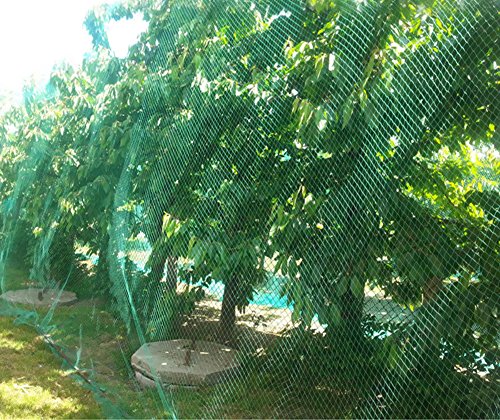
Excellent Material & Quality: Our bird netting is made of strong and durable PE with high stretch, light-weight but not tear easily; It is anti-UV and tough enough to withstand the effects of the sun and bad weather conditions, so you can use the garden netting repeatedly until the end of the season; The size of the poultry netting mesh refers to the measured length straightened from the far left to the far right
Physical Barriers
- Install Fencing: Use wire mesh fencing around your fruit trees. Ensure the mesh has small openings, no larger than half an inch, to prevent rats from squeezing through. Bury the bottom of the fence at least six inches deep to deter burrowing.
- Tree Guards: Apply tree guards, like metal or plastic wraps, around the tree trunks. Position them at least two feet high to prevent rats from climbing up and accessing the fruits.
- Catch Traps: Set up catch traps near the base of the trees. Place them in areas with signs of rat activity, such as droppings or gnaw marks. Traps effectively capture and control the local rat population.
- Keep Areas Clean: Regularly clean the area around your fruit trees. Remove fallen fruits and debris that attract rats. Dispose of any rotting fruit promptly.
- Store Compost Properly: If you compost, use rodent-proof bins. Store compost away from your trees and ensure it doesn’t become a food source for rats.
- Control Vegetation: Trim back overgrown bushes, shrubs, and grass near your fruit trees. Maintain a clean landscape to eliminate hiding spots for rats.
- Use Natural Deterrents: Incorporate natural methods such as planting mint or using essential oils like peppermint or citrus oils around your trees. These scents can deter rats from approaching.
By applying these prevention strategies, you can significantly reduce the likelihood of rats invading your fruit trees. Protecting your harvest leads to healthier fruits and a more satisfying gardening experience.
Natural Deterrents
Natural deterrents can effectively keep rats away from your fruit trees while maintaining an eco-friendly garden. Here are some practical options to consider:
Recommended Products

Pet-Friendly & Family-Safe Formula – Mighty Mint is a top pick for pet parents looking for a natural pest control solution. Safe to use around dogs, cats, and kids when applied as directed—no harsh fumes or dangerous chemicals, just powerful peppermint protection you can trust.

Repels Rodents From Homes & Storage Areas: This indoor rodent repellent spray uses peppermint oil and cinnamon oil to help prevent mice from nesting and chewing in enclosed spaces, garages, attics, basements, cupboards, and storage areas. A practical peppermint spray mouse deterrent for indoors.
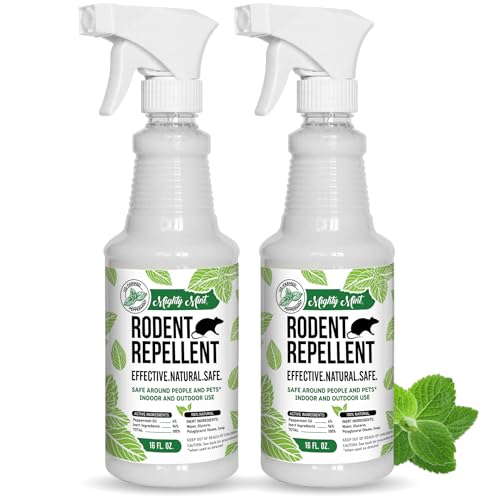
Pet-Friendly & Family-Safe Formula: Mighty Mint is a top pick for pet parents seeking natural pest control. Safe around dogs, cats, and kids when applied as directed; no harsh fumes, just peppermint protection you can trust.
Planting Repellent Vegetation
Planting specific herbs and flowers around your fruit trees can deter rats. Consider the following choices:
- Mint: Rats dislike its strong scent. Plant mint in various areas around your trees for added protection.
- Lavender: Its fragrance is unappealing to many rodents. Use it as a border plant near your fruit trees.
- Marigolds: These bright flowers not only repel rats but also other pests such as aphids. Arrange them strategically around the base of your trees.
By incorporating these plants, you’ll create an environment that’s less inviting to rats.
Using Essential Oils
Essential oils serve as another potent natural deterrent against rats. Here’s how to use them effectively:
- Peppermint Oil: Mix a few drops with water in a spray bottle. Spray this mixture around your trees and nearby areas to create a rat-repellent barrier.
- Eucalyptus Oil: Similar to peppermint, eucalyptus oil has a strong scent that rats find unpleasant. Apply it in areas where rats may enter your garden.
- Cedarwood Oil: This oil can also deter rats. Soak cotton balls in cedarwood oil and place them around the base of your trees.
Ensure to reapply these oils regularly, especially after rainfall or heavy watering, to maintain their effectiveness.
Chemical Solutions
Chemical solutions provide various effective options for deterring rats from your fruit trees. These products range from commercial repellents to professional-grade rodenticides, each with specific applications and benefits.
Recommended Products

Repels Rodents From Homes & Storage Areas: This indoor rodent repellent spray uses peppermint oil and cinnamon oil to help prevent mice from nesting and chewing in enclosed spaces, garages, attics, basements, cupboards, and storage areas. A practical peppermint spray mouse deterrent for indoors.

Natural peppermint oil formula, safe mouse repellent without chemical hazards: Mouse deterrent interferes with rodent senses through smell, say goodbye to the dangerous residues of traditional chemical agents. 24 individually packaged, suitable for long-term protection in multiple scenes throughout the house.

KEEP MOUSE AWAY INSTEAD OF KILL THEM: Our mouse repellent for car engines is made of natural peppermint oils ingredients which emit a scent, making mouse dizzy and preventing rats and mice invading your home, car, camper, garage, truck, or RV. Experimental proofs this way to repel mouse is effective.
Commercial Rat Repellents
Commercial rat repellents offer a simple and effective way to keep rats away. Look for products containing natural ingredients like peppermint oil or synthetic compounds designed to be unpleasant to rodents. Many of these are available as sprays that you can mist around the base of your trees or onto the foliage. Some popular brands include:
- Rodent Defense: Uses peppermint oil as its main ingredient, known for its ability to ward off rats naturally.
- Havahart Critter Ridder: A granular formula that combines natural ingredients and strong scents to create an unwelcoming environment for rodents.
Always read the instructions on the label to ensure proper usage and effectiveness.
Safe Application Methods
Safe application methods ensure you protect your plants and the environment while using chemical solutions. Follow these steps for effective and responsible usage:
- Choose the Right Product: Ensure the repellent or rodenticide is safe for garden use and labeled for fruit trees.
- Apply During Calm Weather: Spray on a dry, windless day to prevent drift and maximize coverage on your trees.
- Wear Protective Gear: Use gloves and a mask to avoid direct contact with chemicals.
- Follow Dosage Recommendations: Adhere to the recommended amounts to avoid harming beneficial insects or the environment.
- Reapply as Needed: Many repellents lose potency over time. Reapply based on the product instructions, especially after rainfall.
Incorporating these chemical solutions into your gardening routine can help protect your fruit trees and ensure a fruitful harvest.
Monitoring and Maintenance
Regular monitoring and maintenance ensure that your fruit trees remain safe from rat invasions. These proactive steps help identify problems early and maintain a deterrent environment.
Regular Inspections
Inspect your fruit trees weekly for signs of rat activity. Look for nibbled fruits, droppings, or gnaw marks on the trunk or branches. Check the ground around the base for burrows or nests. By noticing these signs early, you can act quickly to manage any infestation. Use a flashlight for night inspections, as rats are more active after dusk. Keeping a record of your findings helps track any changes, allowing for more effective interventions.
Long-Term Management Tips
Implementing long-term management strategies keeps rats at bay.
- Install Physical Barriers: Use wire mesh fencing around the perimeter of your garden. Ensure the mesh extends below the ground to prevent burrowing.
- Maintain Cleanliness: Regularly remove fallen fruits and debris. Dispose of food scraps properly and keep compost bins rodent-proof.
- Plant Repellant Vegetation: Surround your fruit trees with plants like mint or lavender that deter rats.
- Rotate Deterrents: Change your application of essential oils or repellents every few weeks to prevent rats from becoming accustomed to them.
- Collaborate with Neighbors: Share information about pest control with nearby gardeners. A community approach often yields better results.
By implementing these practices, you’ll successfully manage and prevent rat interference, leading to better fruit yields and a more enjoyable gardening experience.
Conclusion
Keeping rats away from your fruit trees doesn’t have to be a daunting task. With a mix of proactive measures and regular monitoring you can create an environment that discourages these pesky invaders.
By implementing barriers maintaining cleanliness and using natural deterrents you’ll not only protect your harvest but also enjoy the satisfaction of a thriving garden. Remember that a little effort goes a long way in ensuring your fruits remain safe and delicious. Happy gardening and may your trees flourish without unwanted visitors!
Frequently Asked Questions
What damage do rats cause to fruit trees?
Rats can significantly damage fruit trees by eating fruits, gnawing on branches, and disrupting tree structure. This activity can lead to reduced yields and fruit quality, ultimately frustrating gardeners who strive for healthy harvests.
How can I recognize a rat infestation in my garden?
Common signs of a rat infestation include nibbled fruits, rat droppings, gnaw marks on tree bark, visible burrows, and strange noises at night. Early detection is crucial for preventing further damage to your fruit trees.
What preventive measures can I take against rats in my garden?
Effective prevention strategies include installing wire mesh fencing, applying tree guards, and setting up catch traps. Additionally, maintain a clean garden by removing fallen fruits and debris to minimize attraction for rats.
Are there natural deterrents for keeping rats away?
Yes, planting repellent vegetation like mint, lavender, and marigolds can help deter rats. You can also use essential oils, such as peppermint and eucalyptus, as natural repellents for your fruit trees.
What chemical solutions are available for rat control?
Chemical solutions include commercial repellents and professional-grade rodenticides. When using these products, ensure safe application by following instructions and considering the safety of surrounding plants and animals.
How often should I monitor my fruit trees for rat activity?
Inspect your fruit trees weekly for signs of rat activity. Regular monitoring allows you to catch infestations early and take necessary measures to protect your plants effectively.
What long-term strategies can I implement for rat management?
Long-term strategies for pest control include maintaining cleanliness, rotating deterrents, collaborating with neighbors for a community approach, and consistently using physical barriers to guard your fruit trees against rats.
