

Are you thinking about planting an olive tree but unsure when you’ll see those delicious fruits? You’re not alone. Many new gardeners find themselves eager to enjoy their homegrown olives but are left wondering how long the wait will be.
Key Takeaways
- Growth Stages: Olive trees have distinct growth phases, from seed germination to full production, which can span 15 to 20 years.
- Initial Fruit Production: Most olive trees start bearing fruit between 5 to 7 years, with some varieties like Arbequina producing as early as 3 years.
- Influencing Factors: Climate, soil quality, variety, watering, and pruning techniques significantly affect the growth rate and fruiting timeline of olive trees.
- Optimal Care Practices: Providing full sunlight, maintaining well-drained soil, and implementing effective pruning can enhance olive tree health and encourage earlier fruiting.
- Challenges: Be aware of pests, diseases, and environmental stressors as they can negatively impact olive tree yields and overall health. Regular monitoring and integrated pest management are essential for successful cultivation.
Understanding Olive Tree Growth
Olive trees undergo a specific growth cycle that influences when they produce fruit. Knowing this cycle helps you understand what to expect as your tree matures.
Olive Tree Life Cycle
Olive trees progress through distinct stages in their life cycle:
- Seed Germination: Starts when you plant an olive seed, which can take 1 to 3 weeks to sprout.
- Seedling Stage: The emerging plant grows for about 6 months, developing its roots and leaves.
- Juvenile Phase: Lasting 3 to 6 years, this phase focuses on vegetative growth with minimal fruit production.
- Mature Phase: Typically begins around age 5 to 7, where the tree can start producing a limited number of olives.
- Full Production: Achieves optimal yield between 15 to 20 years, producing abundant fruit annually.
These stages highlight that patience is key when growing olive trees.
Factors Affecting Growth Rate
Several factors influence how long it takes for olive trees to produce fruit:
- Variety: Different olive tree varieties, like Arbequina or Manzanilla, have varying maturity timelines. Some begin fruiting in as little as 3 years, while others may take longer.
- Climate: Olive trees thrive in Mediterranean climates with hot, dry summers and mild winters. Inappropriate temperatures can slow growth.
- Soil Quality: Well-draining, nutrient-rich soil promotes quicker growth and fruiting. Poor soil can hinder development.
- Watering: While olive trees are drought-tolerant, consistent watering during dry spells supports healthy growth and fruiting.
- Pruning Practices: Proper pruning techniques help encourage airflow and sunlight, boosting the tree’s overall health and fruit production.
Understanding these factors enables you to create an optimal environment for your olive trees, enhancing the chances of a fruitful harvest.
The Timing of Olive Tree Fruit Production
Olive trees take several years to begin producing fruit, requiring patience and care from the gardener. Understanding the timeline and influencing factors can enhance your gardening experience.
Typical Timeframe for Bearing Fruit
Olive trees typically begin to bear fruit between 5 to 7 years after planting. However, optimal fruit production occurs around 15 to 20 years of age. Factors such as tree health, environmental conditions, and care routines can influence this timeframe. For the best results, provide regular maintenance and monitor the tree’s growth closely.
Differences Between Olive Varieties
Different olive varieties exhibit varying timelines for fruit production.
- Arbequina: This variety tends to bear fruit as early as 3 years after planting. It’s a favorite for its early yield and adaptability.
- Kalamata: Typically, this variety starts producing fruits around 5 to 7 years, and it requires specific growing conditions to thrive.
- Frantoio: Similar to Kalamata, Frantoio also takes about 5 to 7 years to fruit, but offers a robust yield in suitable climates.
Choosing the right variety for your climate and care practices can impact how soon you harvest olives.
Cultivation Tips for Faster Fruiting
You can significantly speed up the fruiting process of olive trees by following essential cultivation tips. Understanding the optimal conditions and techniques helps promote healthy growth and enhances fruit yield.
Recommended Products

🌳Olive & Fruit Trees: 6-4-6 fertilizer for fruit trees—ideal olive tree fertilizer for potted & outdoor trees; supports healthy growth and fruiting.

Made for Olive Trees - This olive tree fertilizer is formulated specifically to support healthy growth and long-term vitality in olive trees.
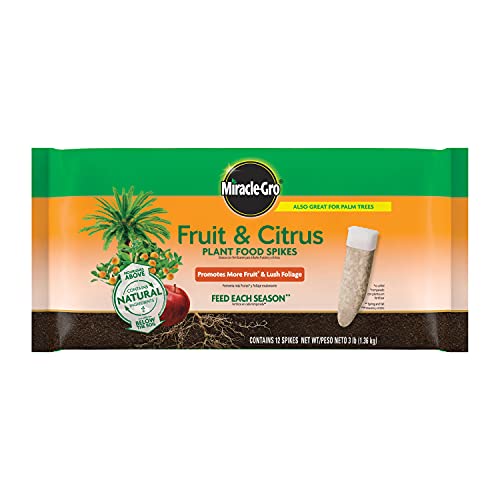
FORMULATED FOR CITRUS AND FRUIT TREES: Use these citrus fertilizer spikes on apple, orange, lemon, lime, and avocado trees; this formula is also great for feeding palm trees
Optimal Growing Conditions
Creating the right environment is crucial for olive trees. Ensure good drainage in the soil; they thrive in well-drained sandy or loamy soils. Aim for a soil pH between 6 and 8. Consider the following conditions:
- Sunlight: Provide full sun for at least 6 to 8 hours daily. More sunlight helps increase fruit production.
- Temperature: Maintain a climate with temperatures between 60°F and 80°F. Olive trees can tolerate heat but are sensitive to frost.
- Watering: Water deeply but infrequently. Allow the soil to dry out between watering sessions to prevent root rot.
Pruning Techniques
Pruning is vital for maximizing fruit production. It encourages healthy growth and improves air circulation. Follow these pruning tips:
- Remove Dead or Diseased Branches: Start by cutting off any damaged or dead branches. This prevents disease spread and allows for new growth.
- Thin Out Crowded Areas: Target thick areas to improve light penetration. Aim for an open center, enabling sunlight to reach all parts of the tree.
- Shape for Height and Spread: Maintain a manageable height and spread for harvesting. Aim for a height of around 6 to 8 feet for ease.
By focusing on optimal growing conditions and implementing effective pruning techniques, you can foster a thriving olive tree that bears fruit sooner.
Common Challenges in Olive Tree Fruiting
Olive tree fruiting can face several common challenges. Understanding these obstacles helps you manage your trees effectively.
Recommended Products

Control diseases and insects in your garden with Captain Jack’s Fruit Tree Spray Concentrate! Use on a variety of listed fruits, nuts and citrus plants.

PLANT DISEASE CONTROL: Natria Neem Oil acts as an insecticide and fungicide in one convenient spray; Ready-to-use trigger sprayer requires no mixing

Commercial-Strenth Garlic Extract Concentrate: Garlic Barrier is a highly concentrated liquid garlic extract designed for farms, orchards, gardens, and greenhouse operations. Mixes easily with water and applies with common sprayers, providing an efficient solution for growers, landscapers, and serious gardeners managing larger planting areas.
Pests and Diseases
Pests can damage olive trees and reduce fruit production significantly. Common pests include:
- Olive Fruit Fly: This insect lays eggs in olives, leading to decay.
- Scale Insects: These pests suck sap from leaves, weakening the tree.
- Spider Mites: They create webs and cause leaf yellowing.
Diseases also threaten olive trees, such as:
- Olive Knot: A disease caused by bacteria, resulting in galls on branches.
- Superbole: A fungal infection causing fruit drop and leaf loss.
To combat these issues, you can implement integrated pest management practices. Regularly inspect your trees, apply organic pesticides when necessary, and promote beneficial insects like ladybugs to keep pests at bay.
Environmental Stressors
Environmental stressors significantly affect olive tree health and fruiting. Factors to consider include:
- Drought: Insufficient water can stunt growth and reduce yields.
- Frost: Cold temperatures can damage young fruits and branches.
- Excessive Heat: Prolonged high temperatures might cause sunburn on fruits.
To mitigate these stresses, ensure proper irrigation. Adequate water during dry spells improves tree health. Use mulch to retain moisture and regulate soil temperature. If frost is a concern, consider protection methods like frost cloths or moving young trees indoors on chilly nights.
By addressing pests, diseases, and environmental stressors, you enhance your olive trees’ chances of thriving and producing fruit efficiently.
Conclusion
Growing your own olive trees can be a rewarding journey filled with anticipation. While it may take some time for your trees to start bearing fruit it’s important to remember that patience pays off. By choosing the right variety and providing optimal care you can set the stage for a fruitful harvest.
Keep an eye on factors like soil quality and climate conditions to help your trees thrive. With the right practices in place you’ll not only enjoy watching your olive trees grow but also savor the delicious fruits of your labor down the road. Happy gardening!
Frequently Asked Questions
When do olive trees start producing fruit?
Olive trees typically start producing fruit between 5 to 7 years of age. Some faster-growing varieties, like Arbequina, may yield fruit as early as 3 years.
What factors affect the growth rate of olive trees?
Growth rates depend on several factors, including the tree variety, climate conditions, soil quality, watering practices, and effective pruning techniques.
How can I speed up fruit production in olive trees?
To enhance fruit production, ensure optimal growing conditions with well-drained soil, 6 to 8 hours of sunlight daily, and maintain proper watering.
What are common pests and diseases affecting olive trees?
Common pests include the olive fruit fly, scale insects, and spider mites. Diseases like olive knot and superbole can also affect production.
What are effective pest management practices for olive trees?
Implement integrated pest management, conduct regular inspections, and promote beneficial insects to manage pests effectively and protect tree health.
How can environmental stressors affect olive trees?
Environmental stressors like drought, frost, and extreme heat can hinder olive tree health and fruiting. Proper irrigation and using mulch can help mitigate these stresses.
What are good pruning practices for olive trees?
Effective pruning includes removing dead or diseased branches and thinning out crowded areas to improve light penetration. Shape the tree for better height and spread.
