

Have you ever woken up to find your beloved fruit trees covered in frost? It’s a heart-sinking moment that can leave you worried about your harvest. Frost can be sneaky, striking when you least expect it and threatening the blooms and fruits you’ve nurtured all season.
Key Takeaways
- Understand Frost Impact: Frost can severely damage fruit trees by affecting buds, blossoms, and fruit; recognizing signs of frost damage is crucial for timely intervention.
- Location Matters: Choose sunny, well-ventilated locations for planting fruit trees, ideally on slopes to encourage cold air drainage, which reduces frost risk.
- Select Cold-Hardy Varieties: Opt for frost-resistant fruit tree varieties suited to your region’s hardiness zone to enhance resilience against freezing temperatures.
- Implement Protective Measures: Effective strategies include covering trees with blankets or tarps during frost nights and using row covers and mulch to insulate and retain warmth.
- Long-Term Strategies: Planting windbreaks and installing irrigation systems can create a microclimate to protect fruit trees from frost while managing soil temperature effectively.
Understanding Frost and Its Impact on Fruit Trees
Frost poses a significant threat to fruit trees, creating anxiety for gardeners. Understanding what frost is and how it affects your trees is essential for effective protection strategies.
What Is Frost?
Frost forms when the temperature drops below 32°F (0°C) during the night. This drop causes moisture in the air to freeze, creating ice crystals on surfaces, including your fruit trees. Types of frost include radiation, advection, and hoarfrost, each stemming from different weather conditions. A sudden frost can happen in early spring or late fall, often catching gardeners off guard.
How Frost Affects Fruit Trees
Frost can damage various parts of the fruit tree. Buds, blossoms, and young fruits are especially vulnerable. When temperatures reach freezing, the water inside plant cells expands and may rupture the cell walls. Signs of frost damage include browning or wilting of leaves and flowers. In severe cases, frost can kill the entire bloom, leading to reduced yields. Protect your trees promptly to minimize these effects and improve your harvest’s chances.
Prevention Techniques
Protecting your fruit trees from frost involves several effective strategies. These techniques can minimize damage and help ensure a bountiful harvest.
Recommended Products

The Large plant cover is perfect for Plant size 55''-70"high and 84''-94" round, Heavy-weight FRCs (1.77oz./sq. yard): usually used to extend the growing season in spring and fall, allow 40%-60% light transmittance, and recommend 3°-8°F of freeze protection

PACKAGE: The package includes 4Pcs plant covers,will meet your daily use or replacement. Measuring 31.5" x 47.3", the plant protector is waterproof, windproof.
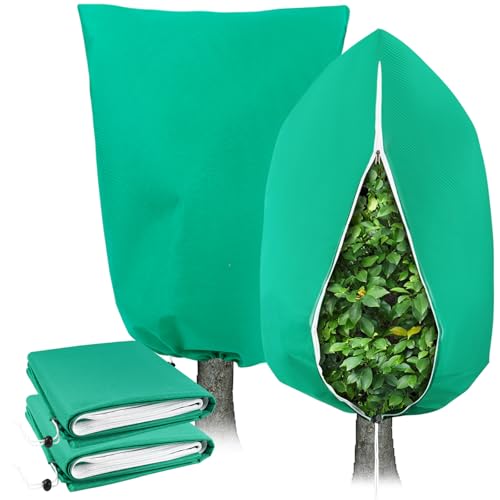
PLANT COVERS FREEZE PROTECTION FOR WINTER:You will receive 2 pack 47 * 72 inch frost blankets cloths for outdoor plants, designed specifically for outdoor plant protection, which can resist frost, snow, rain, wind, hail, animals, insects, birds, etc. Frost cloths for outdoor plants providing sufficient coverage space and is very suitable for shrubs, small trees, flowers, vegetables, etc
Selecting the Right Location
Choosing the right spot for your fruit trees is crucial. Look for areas that receive ample sunlight and have good air circulation. Planting trees on slopes helps cold air drain away, shielding them from frost. Avoid low-lying areas where cold air settles. If possible, position your trees near structures that absorb heat during the day, releasing warmth at night. This method creates a microclimate that can reduce frost risk.
Choosing Cold-Hardy Varieties
Selecting cold-hardy fruit tree varieties enhances resilience against frost. Opt for varieties known to thrive in your hardiness zone. For instance, if you’re in a colder climate, consider apples like ‘Honeycrisp’ or pears like ‘Bartlett.’ These varieties withstand lower temperatures better than others. Research local adaptation of fruit trees, as some develop frost tolerance over time. Always check with local nurseries or extension services for advice on the best options for your area.
Protective Measures for Frost Nights
Frost nights pose a significant risk to your fruit trees. Implementing effective protective measures ensures your trees remain safe from potential frost damage.
Recommended Products

Upgrade Rounded Top Plant Covers: The plant covers freeze protection adopt a newly upgraded dome expansion design, creating maximum 3D protective insulation space. It outperforms flat covers of the same size, effectively reducing the risk of branch/leaf breakage, and provides a warm, safe overwintering environment for trees, shrubs, flowers, vegetables, and other outdoor plants in autumn and winter

📦 A Set of Multi-size with Side Zipper Design:Our all-in-one winter plant frost kit includes 6 protective covers in 3 practical sizes: 23.6×31.5",31.5×47.2",47.2×70.9".Unique vertical side zipper on each cover for super easy installation and daily inspection.No need to buy separate covers for different greenery!Small sizes fit potted saplings & miniature plants, medium ones match garden bushes,and large oversized wraps perfectly shelter tall shrubs.
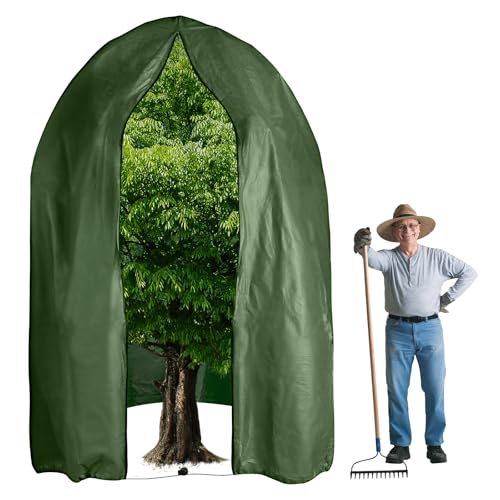
Extra Large Size:Our winter plant covers are designed with a super large size,It is about 110"x79", which is large enough to fit the plants easily, suit for protecting large plants and provides better protection from wind,snow,ice frost damage
Covering Trees with Blankets or Tarps
Covering your trees can create a barrier against frost. Use blankets or tarps specifically designed for weather protection. Make sure these covers reach the ground to trap heat. Secure them with stakes or weights to prevent them from being blown away by wind. Remove the covers after temperatures rise above freezing to allow your trees to breathe.
Using Row Covers and Mulch
Row covers offer another effective layer of protection. These lightweight fabrics allow light and moisture to reach your plants while shielding them from cold temperatures. Drape them over your fruit trees, ensuring the covers touch the ground for insulation. Additionally, applying mulch around the base of your trees retains soil warmth. Use organic materials like straw, wood chips, or shredded leaves to create a blanket that helps regulate soil temperature.
Utilizing these strategies protects your fruit trees against frost and promotes healthier growth during the colder months.
Long-Term Strategies
Long-term strategies help protect your fruit trees from frost over time. Two effective methods include planting windbreaks and installing irrigation systems.
Recommended Products

The 14-inch (1.16 ft) DEEP DRIP Watering Stake delivers water and nourishes medium-sized or landscape variety plants like shrubs, vines, and small trees; right at the roots....
Planting Windbreaks
Planting windbreaks shields your fruit trees from cold winds, which can lower temperatures and increase frost risk. Use trees or shrubs to create a barrier around your orchard.
- Select suitable plants: Choose hardy species that thrive in your climate. Options include junipers, pines, and spruces.
- Position strategically: Place windbreaks on the north and west sides of your orchard to block prevailing cold winds.
- Space appropriately: Ensure adequate spacing between plants, typically 5-10 feet apart, to allow air circulation while still providing protection.
As windbreaks mature, they create a microclimate that can keep your fruit trees warmer during frosty nights.
Installing Irrigation Systems
Installing irrigation systems helps manage soil temperature and can reduce frost damage. Proper irrigation can warm up the air around your trees during cold nights.
- Choose the right system: Consider drip irrigation or overhead sprinklers. Drip systems deliver water directly to the roots, while sprinklers create a fine mist that can warm the air.
- Timing is crucial: Activate the system before temperatures drop, ideally during the evening when frost is likely to form.
- Monitor soil moisture: Keep soil adequately moist, as wet soil holds heat better than dry soil.
Implementing these irrigation strategies adds a layer of defense against frost and encourages the healthy growth of your fruit trees.
Conclusion
Protecting your fruit trees from frost is essential for a bountiful harvest. By taking proactive steps and implementing both immediate and long-term strategies, you can significantly reduce the risk of frost damage. Remember to choose the right location for planting and consider the benefits of cold-hardy varieties.
When frost threatens, don’t hesitate to cover your trees and use mulch to keep the soil warm. With a little planning and care, you can create a thriving environment for your trees that stands strong against the chill. Enjoy the beauty and bounty of your fruit trees while keeping them safe from the frost!
Frequently Asked Questions
What causes frost on fruit trees?
Frost occurs when temperatures drop below 32°F (0°C), leading to the formation of ice crystals. This can happen overnight, especially in clear skies with low humidity. Cold air settles in low-lying areas, putting fruit trees at risk, especially during sensitive growth stages.
How does frost damage fruit trees?
Frost can harm various parts of fruit trees, primarily buds, blossoms, and young fruits. Damage may manifest as browning or wilting of leaves and flowers, potentially resulting in reduced yields for gardeners due to loss of blooms and fruits.
What are effective frost protection techniques for fruit trees?
To protect fruit trees from frost, consider covering them with blankets or tarps to trap heat, using row covers for insulation, and applying mulch around the base to retain soil warmth. Planting in well-drained, sunny areas also helps reduce frost risk.
Which fruit tree varieties are more resistant to frost?
Cold-hardy fruit tree varieties are best suited for colder climates. Options like apples, pears, and certain cherry varieties tend to withstand frost better. Consult with local nurseries for specific varieties that thrive in your area.
How can I improve air circulation around my fruit trees?
Selecting the right planting location is crucial. Avoid low areas where cold air settles, plant trees on slopes, and establish windbreaks with hardy plants like junipers or spruces. Proper spacing allows better air circulation, reducing frost risk.
When should I activate irrigation systems for frost protection?
Activate irrigation systems before temperatures drop, as wet surfaces can help warm the air around the trees. Using drip irrigation or overhead sprinklers can be effective strategies to manage soil temperature and minimize frost damage.
What role do windbreaks play in frost protection?
Windbreaks shield fruit trees from cold winds that lower temperatures and increase frost risk. Planting hardy species like pines or spruces on the north and west sides of your orchard can help create a more sheltered and warmer microclimate.
