

Using copper fungicide on pomegranate trees effectively combats various fungal diseases that threaten their health and yield. This treatment is particularly useful for preventing issues like powdery mildew and leaf spot, ensuring robust growth and fruit production.
Identifying Fungal Threats to Pomegranate Trees
Pomegranate trees are susceptible to various fungal diseases that can significantly impact their health and yield. Understanding the specific fungal threats they face is crucial for effective management and prevention. This section delves into the common fungal pathogens that affect pomegranate trees, helping growers recognize and address these challenges promptly.
Pomegranate trees are susceptible to several fungal diseases that can severely impact their growth and fruit quality. Common issues include powdery mildew, leaf spot, and fruit rot. Recognizing the symptoms early is crucial for effective treatment.
Fungal Infection Symptoms on Pomegranates
Fungal infections can significantly impact the health and yield of pomegranate trees. Identifying the symptoms early is crucial for effective management and treatment. This section outlines the key signs of fungal infections to help growers recognize and address these issues promptly.
Identifying the signs of fungal infections can help in timely intervention. Look for the following symptoms:
Powdery Mildew: White, powdery spots on leaves.
Leaf Spot: Dark, circular spots on foliage.
Fruit Rot: Soft, decayed areas on fruit.
| Symptom | Primary Suspect | Difficulty (1-5) |
|---|---|---|
| Powdery Mildew | Fungal Spores | 3 |
| Leaf Spot | Fungal Infection | 4 |
| Fruit Rot | Fungal Infection | 5 |
Advantages of Copper Fungicide for Pomegranates
Copper fungicide offers a reliable solution for protecting pomegranate trees from various fungal diseases. Its effectiveness in preventing infections while promoting healthy growth makes it a valuable tool for gardeners and farmers alike. Understanding the specific advantages of using copper fungicide can help ensure a robust and fruitful pomegranate harvest.
Copper fungicide is a widely used treatment for various fungal diseases. Its effectiveness lies in its ability to disrupt fungal cell function. This treatment offers several advantages:
Broad-Spectrum Protection: Targets multiple fungal pathogens.
Preventive Action: Effective before symptoms appear.
Environmentally Friendly: Less harmful to beneficial insects.
Recommended Products
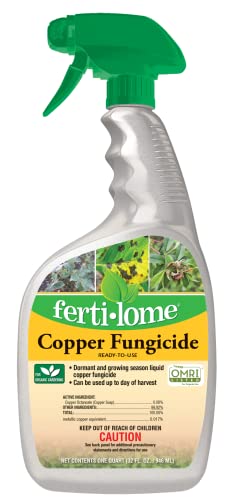
VERSATILE FUNGICIDE - This product fights Needle Blight, Blackspot, Anthracnose, Leaf and Fruit Spot, Cedar Apple Rust, Powdery Mildew, Early and Late Blight on Tomatoes, and Peach Leaf Curl.

Neudorff Copper Fungicide Controls Listed Plant Diseases: Powdery Mildew, Rusts, Black Spot, Leaf & Fruit Spot, Downy Mildew, Fruit Rot, Late Blight, Peach Leaf Curl and Other Listed Diseases.

Applying Copper Fungicide for Pomegranates
Applying copper fungicide on pomegranate trees is a crucial step in protecting these plants from various fungal diseases. This method not only enhances the health of the trees but also ensures a more fruitful harvest. Understanding the correct application techniques and timing is essential for maximizing the effectiveness of this treatment.
Proper application of copper fungicide is essential for achieving the best results. Follow these steps for effective treatment:
Choose the Right Product: Select a copper fungicide that suits your needs.
Prepare the Solution: Mix according to the manufacturer’s instructions.
Apply Evenly: Use a sprayer to coat leaves and stems thoroughly.
Repeat as Necessary: Reapply every 7-14 days, especially during wet conditions.
Application Safety Guidelines for Copper Fungicide
When using copper fungicide on pomegranate trees, it is essential to adhere to specific safety guidelines to protect both the plants and the applicator. Proper handling and application techniques can minimize risks while ensuring effective disease control. Understanding these safety measures will help maintain healthy trees and promote a successful growing season.
Safety is paramount when using any chemical treatment. Always take the following precautions:
Wear Protective Gear: Use gloves, goggles, and a mask.
Avoid Windy Days: Apply when there is minimal wind to prevent drift.
Keep Pets and Children Away: Ensure the area is clear during application.
Recommended Products

Control plant common plant diseases in your home garden with Copper Fungicide Spray or Dust from Bonide!

Control fungus and disease in your garden with Captain Jack’s ready-to-spray Liquid Copper Fungicide!
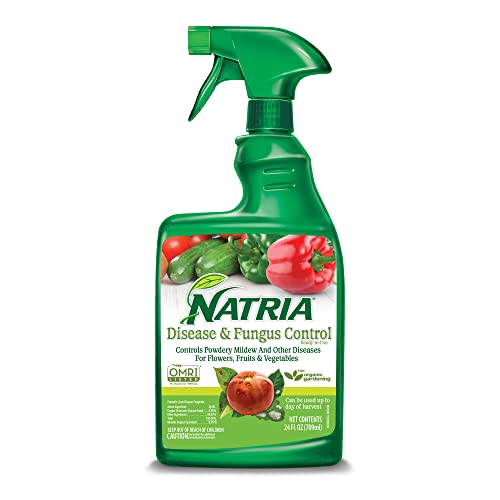
DISEASE CONTROL: Disease & Fungus Control controls powdery mildew, rust, black spot, fruit rot, downy mildew, late blight, and other listed diseases
Optimal Application Timing for Copper Fungicide
Understanding the best times to apply copper fungicide is crucial for protecting pomegranate trees from disease. This section delves into the optimal timing for applications, ensuring that the fungicide is most effective in safeguarding your trees against fungal infections while promoting healthy growth.
Timing your application can significantly enhance its effectiveness. The best times to apply include:
Early Spring: Before new growth begins.
During Flowering: To protect blossoms from fungal infections.
Post-Rainfall: After wet conditions, when fungal spores are prevalent.
Pomegranate Tree Health Monitoring Tips
Monitoring the health of pomegranate trees is essential for preventing disease and ensuring robust fruit production. By regularly assessing various factors such as soil conditions, leaf appearance, and overall tree vigor, growers can identify early signs of stress or disease. Implementing these monitoring tips will help maintain the vitality of pomegranate trees and enhance their resilience against potential threats.
Regular monitoring of pomegranate trees is essential for ongoing health. Check for new symptoms and assess the effectiveness of treatments. Consider these maintenance tips:
Inspect Regularly: Look for signs of disease or pest activity.
Prune Affected Areas: Remove infected leaves or branches to prevent spread.
Maintain Soil Health: Ensure good drainage and nutrient levels.
Effective Alternatives to Copper Fungicide
While copper fungicide is a popular choice for managing diseases in pomegranate trees, various effective alternatives exist that can provide similar protective benefits. Exploring these options can help growers maintain plant health while minimizing potential drawbacks associated with copper use. Understanding these alternatives is essential for developing a comprehensive disease management strategy.
While copper fungicide is effective, consider these alternatives for a holistic approach:
Neem Oil: Acts as a natural fungicide and insect repellent.
Sulfur: Another organic option for controlling fungal diseases.
Biological Controls: Introduce beneficial microbes to outcompete pathogens.
Copper Fungicide Application Guidelines
Applying copper fungicide to pomegranate trees is crucial for effective disease management. Proper application techniques can significantly enhance the health and yield of these trees while minimizing the risk of fungal infections. Understanding the guidelines for application ensures that growers can protect their crops efficiently and sustainably.
Using copper fungicide on pomegranate trees provides an effective defense against fungal diseases. Regular monitoring and timely application are key to maintaining tree health and maximizing fruit yield.
Recommended Products

For control of disease on vegetables, ornamentals, Fruit and nut crops & algae in turfgrass

DISEASE CONTROL - Liqui-Cop is designed to prevent a wide variety of plant diseases including anthracnose, brown rot, blight, downy mildew, botrytis blight, leaf spot and many more.

DISEASE CONTROL - Liqui-Cop, Copper-Count-N, is designed to prevent a wide variety of plant diseases including anthracnose, brown rot, blight, downy mildew, botrytis blight, leaf spot and many more.
