

Have you ever watched helplessly as deer munch on your young fruit trees? It’s frustrating to put in all that effort only to see your hard work eaten away. You’re not alone; many gardeners face this challenge, especially when trying to protect their precious plants.
Key Takeaways
- Understand Deer Behavior: Recognizing how deer consume and damage young fruit trees is crucial for effective deterrence strategies.
- Use Physical Barriers: Installing tall fences and protective tree guards is one of the most reliable methods to keep deer away from your trees.
- Implement Natural Repellents: Scents such as human hair, soap, and predator urine can effectively deter deer from approaching your young fruit trees.
- Consider Chemical Repellents: Commercial and DIY repellents made from bitter or spicy substances can add an extra layer of protection against deer.
- Regular Maintenance is Key: Conduct frequent checks on barriers and deterrents to ensure they remain effective over time, especially during peak deer activity seasons.
- Adapt Strategies: Be flexible and adjust your protective measures based on observed deer behavior and the effectiveness of your current methods.
Understanding the Problem
Deer damage to young fruit trees is a significant concern for many gardeners. Recognizing the reasons behind deer attraction and their behaviors helps in implementing effective deterrents.
Importance of Protecting Young Fruit Trees
Protecting young fruit trees is crucial for maintaining your garden’s health and productivity. Young trees are particularly vulnerable, as their tender bark and foliage attract hungry deer. If left unprotected, continuous feeding can hinder growth, lead to disease, and, in severe cases, cause tree death. Investing time and resources in safeguarding these plants helps secure your future harvests.
Common Deer Behaviors
Deer exhibit specific behaviors that contribute to the damage of young fruit trees.
- Eating: Deer consume leaves, buds, and bark, making them a substantial threat to young trees.
- Browsing: Deer prefer tender, new growth. This behavior often results in the removal of branches and foliage.
- Rubberizing: During mating season, male deer rub their antlers on young trees, stripping bark and causing injury that may invite pests and pathogens.
- Traveling: Deer frequently use established paths, so it’s common to find them near your fruit trees if they feel safe in your garden.
Understanding these behaviors enables you to develop targeted strategies for keeping deer away.
Effective Deterrents
Protecting your young fruit trees involves implementing various deterrents to keep deer at bay. Here are some effective strategies:
Recommended Products

Over 100,000 Repeat Customers - For over 20 years Deer Out is the trusted brand for professional gardeners, landscapers and farmers alike. Works Great!

Control diseases and insects in your garden with Captain Jack’s Fruit Tree Spray Concentrate! Use on a variety of listed fruits, nuts and citrus plants.

Over 100,000 Repeat Customers - For over 20 years Deer Out is the trusted brand for professional gardeners, landscapers and farmers alike. Works Great!
Physical Barriers
Utilizing physical barriers is one of the most effective ways to deter deer.
- Fencing: Install a fence at least 8 feet tall to prevent deer from jumping over. Use materials like wire, wood, or plastic mesh.
- Tree Guards: Wrap tree bases with hardware cloth or commercial tree guards to shield bark from deer damage.
- Netting: Cover young trees with netting to prevent deer from reaching branches and foliage.
Natural Repellents
Natural repellents are another great option for keeping deer away, often utilizing scents that deer find unpleasant.
- Human Hair: Scatter human hair around the base of trees. The smell can deter deer.
- Soap: Hang bars of fragrant soap, such as Irish Spring, in trees. The strong scent is known to repel deer.
- Predator Urine: Use coyote or fox urine around your garden. This scent signals danger to deer.
Chemical Repellents
Chemical repellents offer another layer of protection, using specific compounds to deter deer.
- Commercial Repellents: Apply ready-to-use deer repellents that contain bitter or spicy substances. Look for products with ingredients like capsaicin, garlic, or putrescent egg solids.
- DIY Sprays: Create a homemade repellent by mixing water with hot pepper sauce or a strong-smelling ingredient. Apply it regularly, especially after rain.
By combining these methods, you can create a multi-faceted approach to protect your young fruit trees from deer damage.
Best Practices for Implementation
Implementing effective strategies to keep deer away from your young fruit trees requires attention to detail and consistency. Here’s how to make the most of physical deterrents and repellent solutions.
Recommended Products
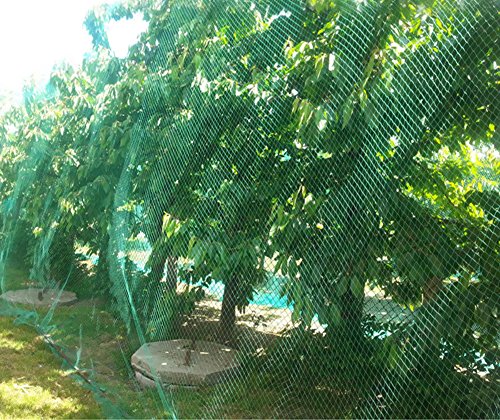
Excellent Material & Quality: Our bird netting is made of strong and durable PE with high stretch, light-weight but not tear easily; It is anti-UV and tough enough to withstand the effects of the sun and bad weather conditions, so you can use the garden netting repeatedly until the end of the season; The size of the poultry netting mesh refers to the measured length straightened from the far left to the far right

2.6 x 50 FT Deer Fencing: Constructed from tough, high‑density polyethylene (HDPE), it is built to be UV‑resistant, weatherproof, reusable and resistant to rot and rust. This garden fencing won't tear easily even with animal bites, provides a heavy‑duty, long‑lasting barrier that reliably shields your garden from deer, dogs, chicken and other foraging animals for years to come

Proper Installation of Fencing
- Select the Right Material: Choose strong materials like welded wire or chain link, which withstand wear and tear. Opt for a fence height of at least 8 feet to prevent deer from jumping over.
- Ensure Secure Installation: Bury the fence 1-2 feet underground to prevent deer from digging underneath. Use sturdy posts to support the fencing and ensure it stays upright.
- Maintain Visibility: Position the fence at a distance from the trees. This prevents deer from reaching through or jumping against it.
- Regularly Inspect: Check the fencing for any damage or gaps. Quick repairs help maintain its integrity and effectiveness.
- Choose Effective Repellents: Use natural options like human hair, which you can collect from a hair salon. Predator urine, found at gardening or hunting stores, proves highly effective.
- Make DIY Sprays: Combine 1 tablespoon of hot pepper sauce with a quart of water and a few drops of dish soap. Shake and spray around the fruit trees to create a strong deterrent.
- Apply Regularly: Reapply repellent solutions after rain or every few weeks to maintain effectiveness. Deer become accustomed to scents that fade over time.
- Combine Methods: Use repellents alongside physical barriers for added protection. This multi-faceted approach increases the chances of keeping deer at bay.
Monitoring and Maintenance
Monitoring and maintenance play vital roles in protecting your young fruit trees from deer. Regular attention helps ensure that your protective measures remain effective and relevant.
Recommended Products

【48" Tall Tree Protectors from Deer】Package comes with 4 packs of metal mesh with the width 13" and height 48", You can assemble 4 packs of tree guards that are 48” tall. For easy transportation, we roll the wire mesh horizontally and package it. Just follow the attached manual for installation when using it!

【12 Packs of Tree Guard】Package comes with 12 packs of metal cylindrical shape tree protectors with the height 16-1/2" and diameter 5-1/2", 120pcs cable zip ties, 24pcs metal stakes. With this ideal kit, you can customize a suitable tree guard to protect the trunk of your saplings

24-Inch Extra Tall Shield – Provide 2 feet of vertical protection for your shrubs, fruit tree saplings, and tall flowers like peonies or lilies. The extra height effectively prevents larger animals like rabbits, racoon, chicken and small deer from reaching your precious foliage.
Regular Checks of Barriers
Conduct regular checks of your barriers, such as fencing and tree guards. Inspect for any signs of wear or damage. Look for gaps where deer could squeeze through or areas where fencing may need reinforcement. Make sure tree guards are securely fastened and free from debris that might attract deer. Perform these checks at least once a month, or more frequently during peak deer activity seasons, such as fall and winter.
Adjusting Strategies Over Time
Adjust strategies over time to adapt to changing conditions and deer behaviors. If deer seem to bypass your current defenses, consider altering your approach. You might need to increase the height of your fencing or change the location of your barriers. Experiment with different types of repellents to see what works best in your specific environment. Keeping an eye on deer activity in your area enables you to fine-tune your methods for more effective protection. Regularly assess the effectiveness of your combined deterrents, and don’t hesitate to switch tactics if you notice diminishing results.
Conclusion
Keeping deer away from your young fruit trees doesn’t have to be a daunting task. With the right combination of physical barriers and natural or chemical repellents you can create an effective shield against these hungry visitors.
Regular monitoring and maintenance are key to ensuring your defenses remain strong. By staying proactive and adjusting your strategies as needed you’ll not only protect your trees but also nurture them to thrive for years to come.
With a little effort and creativity you can enjoy the fruits of your labor without the worry of deer damage. Happy gardening!
Frequently Asked Questions
Why do deer eat young fruit trees?
Deer are attracted to young fruit trees because of their tender bark and foliage. This makes them particularly vulnerable as the trees provide an easy source of food for deer, especially during spring and summer when new growth appears.
What are the signs of deer damage on fruit trees?
Signs of deer damage include missing leaves, stripped bark, and broken branches. You may also notice deer tracks around the base of the tree and fur caught on the bark, indicating that deer have been present.
How can I protect my young fruit trees from deer?
Protect your young fruit trees by using physical barriers like fencing or tree guards. Additionally, consider applying natural repellents such as human hair, soap, or predator urine, and commercial chemical repellents to deter deer.
What type of fence is best for keeping deer out?
A tall fence, at least 8 feet high, is recommended to effectively keep deer away. Be sure to install it securely and consider burying part of the fence underground to prevent deer from jumping over or digging underneath.
How often should I reapply deer repellents?
Reapply deer repellents every few weeks, especially after rain or heavy winds. Regular application ensures that the scent remains strong and effective in deterring deer from your young fruit trees.
What natural deterrents work against deer?
Natural deterrents include human hair, bar soap with strong scents, and predator urine. These substances create unpleasant odors that can make the area less appealing to deer.
How can I monitor the effectiveness of my deer protection methods?
Regularly check barriers for wear and inspect your trees for further damage. Keep an eye on deer activity in your garden and adjust your deterrent methods as needed, based on what seems most effective.
Can deer cause permanent damage to young fruit trees?
Yes, continuous feeding by deer can hinder growth, lead to diseases, and even cause the death of young fruit trees. Protecting them from early damage is crucial for their long-term health and productivity.
