

Have you ever wondered how long it takes for a mandarin tree to bear fruit? If you’re thinking about planting one or already have a young tree, you might be eager to enjoy those sweet, juicy mandarins. Growing your own fruit can be rewarding, but understanding the timeline is key to managing your expectations.
Key Takeaways
- Timeline for Fruiting: Mandarin trees typically take 3 to 5 years to bear fruit, influenced by factors such as the tree’s age and variety.
- Growth Stages: Understanding the growth stages—seed germination, seedling, juvenile, and mature tree—helps in managing expectations for fruit production.
- Varietal Differences: Different varieties (e.g., Clementine, Satsuma, Honey Mandarin) have varied timelines for fruiting, with some yielding fruit as early as 2-3 years.
- Optimal Growing Conditions: Mandarins thrive in well-drained soil, receive 6-8 hours of sunlight, and require consistent watering and proper fertilization for successful growth.
- Pest and Disease Management: Regular monitoring for pests and diseases, along with maintaining tree hygiene, is essential for a healthy mandarin tree.
- Harvesting Technique: Observe signs of ripeness such as color, texture, and ease of detachment, and follow best harvesting practices to ensure high-quality fruits.
Understanding Mandarin Trees
Mandarin trees are delightful additions to any garden, offering sweet fruit and vibrant foliage. Knowing their growth stages and factors that impact fruiting helps you manage expectations and care for your tree effectively.
Recommended Products

COMPLETE 3-IN-1 CITRUS NUTRITION KIT - Everything Your Trees Need Professional-grade fertilizer system includes slow-release NPK granules (6-month supply), liquid micronutrient concentrate (makes 32oz), and calcium supplement (makes 32oz). Specially formulated for lemon, orange, lime, grapefruit, and all citrus varieties in containers and pots.


Growth Stages of Mandarin Trees
- Seed Germination: Mandarin seeds require warmth and moisture. Germination takes approximately 2 to 8 weeks.
- Seedling Stage: Once germinated, seedlings grow for about 6 to 12 months before being transplanted outdoors.
- Juvenile Stage: In the juvenile stage, trees focus on establishing roots and foliage. This phase typically lasts 2 to 4 years.
- Mature Tree: A mandarin tree enters maturity at around 3 to 5 years. Fruiting often starts during this period, but full production may take longer.
- Variety: Different mandarin varieties, such as Satsuma or Clementine, have unique growth rates and fruiting times.
- Climate: Warm, subtropical climates boost growth. Cold temperatures can delay fruiting.
- Soil Quality: Well-drained, nutrient-rich soil enhances growth. Poor soil can stunt tree development.
- Watering Practices: Consistent watering promotes healthy roots. Insufficient water leads to stress and slow growth.
- Pruning Techniques: Proper pruning encourages air circulation and sunlight exposure, accelerating growth.
By understanding these growth stages and influencing factors, you can nurture your mandarin tree to fruit successfully.
How Long Do Mandarin Trees Take To Fruit?
Mandarin trees typically take 3 to 5 years to bear fruit after planting. Several factors affect this timeline, so understanding them will help you cultivate your tree effectively.
Recommended Products

For sale is one Clementine Mandarin tree that is approximately 2-5 inches tall and shipped in a pot
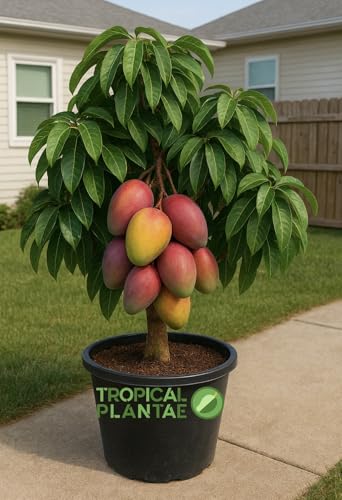
Imagine stepping into your backyard a few months from now and seeing a beautiful grafted Haden mango tree, growing stronger every day — a tree that will soon reward you with one of the most classic, flavorful mangoes ever grown.

For sale is one Grafted Owari Satsuma Tree that is approximately 2 to 3 feet tall and shipped in a gallon pot
Age of the Tree
The age of your mandarin tree plays a significant role in its ability to produce fruit. Young trees, usually about 1 to 2 years old, focus on establishing roots and foliage, which are crucial for growth. At around 3 years, trees may start forming blossoms, while fruit production often begins in the 4th or 5th year. If you’ve planted a grafted tree, you might see fruit sooner, sometimes within 2 years.
Variety of Mandarin
The specific variety of mandarin directly influences the time it takes to produce fruit. Some popular varieties include:
- Clementine: These often yield fruit within 3 years.
- Satsuma: Generally produces fruit around the 3 to 4-year mark.
- Honey Mandarin: These trees may take about 4 to 5 years to produce.
Each variety has its own growth rate, so consider choosing one that fits your timeline and local climate conditions.
Care and Maintenance for Fruit Production
Caring for your mandarin tree enhances its potential for fruit production. Focus on these essential practices for optimal results.
Recommended Products

FORMULATED FOR CITRUS AND FRUIT TREES: Use these citrus fertilizer spikes on apple, orange, lemon, lime, and avocado trees; this formula is also great for feeding palm trees

CITRUS PLANT FOOD: This avacado, mango and citrus fruit tree fertilizer feeds plants for up to 3 months and nourishes above and below the soil

Supports Growth & Root Development – Orange plant food that helps promote strong roots, healthy foliage, and consistent plant growth.
Optimal Conditions for Growth
Mandarin trees thrive in specific conditions.
- Sunlight: Provide at least 6 to 8 hours of direct sunlight daily. Bright, sunny spots boost growth and fruiting.
- Soil: Use well-draining, sandy loam with a pH between 6.0 and 7.0. Soil quality affects nutrient absorption.
- Watering: Implement deep watering once a week, allowing the topsoil to dry slightly between waterings. Overwatering leads to root rot.
- Fertilization: Apply citrus-specific fertilizers during the growing season. Balanced nutrients support overall health and fruit production.
- Temperature: Maintain temperatures between 60°F and 85°F. Protect from frost, as temperatures below 28°F can damage plants.
Common Pests and Diseases
Monitor your mandarin tree for potential threats to its health.
- Pests: Pay attention to aphids, spider mites, and scale insects. Regularly inspect leaves and stems for signs of infestation. Use insecticidal soap or neem oil for treatment.
- Diseases: Watch for root rot and citrus greening. Root rot appears as yellowing leaves and a sluggish tree. Citrus greening leads to misshapen fruit and leaf mottling. Implement proper watering practices and remove infected trees promptly.
- Prevention: Maintain tree hygiene by clearing fallen leaves and debris. Healthy practices reduce the risk of pest and disease outbreaks.
Following these care guidelines ensures your mandarin tree stays healthy and productive, resulting in a bountiful harvest in years to come.
Harvesting Mandarin Fruits
Harvesting mandarin fruits requires attention to detail and timing. Understanding when to pick your mandarins ensures you enjoy the best flavor and sweetness.
Signs of Ripeness
Look for specific indicators to determine when your mandarins are ripe for picking:
- Color: Mandarins should exhibit a deep, vibrant orange color. Any green tinges indicate they aren’t ready.
- Texture: When ripe, the skin feels slightly soft to the touch but not mushy.
- Size: Mandarins typically reach full size before they ripen. Measure your fruit against the known size for the variety you planted.
- Ease of Detachment: Ripe mandarins often come off the tree with minimal effort. Gently twist the fruit; if it releases easily, it’s ready.
- Taste: Sampling a few fruits can confirm ripeness. If the flavor is sweet and juicy, the time to harvest has arrived.
Best Practices for Harvesting
Utilize these best practices to ensure a successful harvest:
- Timing: Harvest in the morning when temperatures are cooler. This helps maintain the fruit’s quality.
- Tools: Use pruning shears or scissors to avoid damaging the tree or other fruits.
- Technique: Cut the stem about an inch above the fruit, avoiding any forceful twisting or pulling.
- Handling: Handle mandarins gently to prevent bruising. Place them in soft containers to protect their skin.
- Frequency: Monitor your tree regularly to pick fruits as they ripen. Daily checks can help you gather fruits at their best.
By recognizing the signs of ripeness and practicing careful harvesting techniques, you can collect delicious mandarin fruits that enhance your gardening experience.
Conclusion
Growing your own mandarin tree can be a rewarding journey. With a little patience and care you can look forward to enjoying sweet fruits in just a few years. Remember to consider the variety you choose and the specific conditions in your garden.
By providing the right environment and tending to your tree’s needs you’ll set the stage for a bountiful harvest. Keep an eye on your tree and enjoy the process as it matures. Before you know it you’ll be savoring the delicious taste of your homegrown mandarins. Happy gardening!
Frequently Asked Questions
How long does it take for a mandarin tree to bear fruit?
Mandarin trees typically start to bear fruit after 3 to 5 years of growth. Younger trees, around 1 to 2 years old, focus on root and foliage development, while fruit production often begins during the 4th or 5th year. Grafted trees may produce fruit sooner, sometimes within 2 years.
What factors influence a mandarin tree’s fruit production?
Several factors affect fruit production in mandarin trees, including the tree variety, climate conditions, soil quality, watering practices, and pruning techniques. Proper care and ideal growing conditions can significantly enhance fruit yield.
What are the best practices for growing mandarins?
To successfully grow mandarins, provide 6 to 8 hours of direct sunlight daily, use well-draining sandy loam soil with a pH of 6.0 to 7.0, water deeply once a week, and apply citrus-specific fertilizers during the growing season.
How can I tell when my mandarins are ripe?
Mature mandarins show signs of ripeness through specific characteristics such as color, texture, size, and ease of detachment from the tree. Taste testing can also help determine their readiness for harvest.
What pests and diseases should I watch for on mandarin trees?
Common pests include aphids and spider mites, while diseases such as root rot and citrus greening can threaten tree health. Regular monitoring and implementing prevention strategies are vital for keeping your mandarin tree healthy.
