

Tired of struggling with overgrown shrubs in your garden? Ever wondered which shrub lopper can make your pruning tasks a breeze? Imagine effortlessly trimming those unruly branches without breaking a sweat. In this article, we’ll explore the world of shrub loppers and help you find the perfect tool to elevate your gardening game.
Have you found yourself wrestling with dull, inefficient loppers that just don’t cut it? Picture a tool that slices through branches like butter, making your pruning sessions not only efficient but enjoyable. Say goodbye to hand fatigue and hello to precision cuts with the best shrub lopper by your side. Get ready to transform your gardening experience with the right equipment in hand.
Join us as we delve into the realm of shrub loppers, uncovering the key features that set the top contenders apart. Whether you’re a seasoned gardener or just starting, arming yourself with the best shrub lopper can make all the difference in achieving that well-manicured garden you’ve always dreamed of.
The Importance of Choosing the Right Shrub Lopper
When it comes to garden maintenance, having the right tools can make all the difference. Selecting the best shrub lopper for your needs is crucial for efficient and effective pruning. Here’s why it matters:
- Precision Cuts: A sharp and high-quality shrub lopper ensures clean and precise cuts on your shrubs, promoting healthy growth and aesthetic appeal in your garden.
- Minimized Effort: With the proper tool, cutting through thick branches becomes effortless, reducing strain on your hands and arms during pruning sessions.
- Increased Safety: Choosing a well-designed shrub lopper enhances safety measures while working in the garden, preventing potential accidents and injuries.
- Longevity and Durability: Investing in a durable and reliable shrub lopper means you’ll have a tool that lasts for years, saving you money in the long run.
When selecting a shrub lopper, consider factors such as blade material, handle ergonomics, and cutting capacity to ensure it meets your specific gardening needs. Make an informed decision to enjoy a smooth and efficient pruning experience.
Factors to Consider When Selecting a Shrub Lopper
When choosing the best shrub lopper, it’s crucial to keep a few essential factors in mind to ensure it meets your gardening needs effortlessly. Here are some key considerations:
- Blade Material: Opt for hardened steel blades for durability and precision cuts.
- Handle Ergonomics: Look for comfortable grips that reduce strain on your hands and arms during use.
- Cutting Capacity: Consider the maximum thickness of branches the lopper can cut for efficiency.
Remember, selecting the right shrub lopper can make your pruning tasks easier and more effective.
Recommended Products

GARDENING ESSENTIAL: Steel blade plant shears with extendable handles ideal for a variety of pruning tasks like making high or hard-to-reach cuts, trimming flower stems, maintaining your herb garden, and more to encourage overall plant health
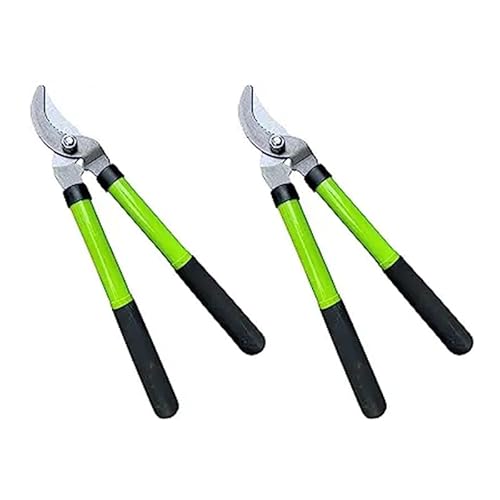
CUT, TRIM & PRUNE: With these 15 inch bypass loppers, cutting and trimming your branches, hedges, shrubs, bushes and trees is easy, thanks to High Carbon Steel Blades and Comfortable Grips. Keep your bushes and trees healthy and pretty!

CLEAN BYPASS CUT CAPACITY: With a strong bypass cutting mechanism and durable blade materials, this lopper cleanly trims branches up to 1-1/4 inch thick, making it ideal for green wood, vines, shrubs or small fruit tree limbs while preserving healthy growth and preventing crushing of live wood.
Top Features to Look for in a High-Quality Shrub Lopper
Choosing a high-quality shrub lopper is crucial for efficient gardening. Here are the top features to consider:
Blade Material:
- Hardened steel blades offer durability and long-lasting sharpness for precise cuts.
Handle Ergonomics:
- Look for comfortable grips that reduce strain on your hands and arms during extended use.
Cutting Capacity:
- Ensure the lopper’s cutting capacity meets your specific pruning needs, whether for small twigs or thicker branches.
Safety Features:
- Features such as safety locks and non-slip handles are essential for accident prevention.
- Opt for a lopper that is lightweight and well-balanced for ease of handling and maneuverability.
Remember, selecting a shrub lopper with these key features will make your pruning tasks more manageable and enjoyable.
Comparison of the Best Shrub Loppers on the Market
When it comes to choosing the best shrub lopper for your gardening needs, it’s essential to review some of the top options available. Here, we compare a few high-quality shrub loppers to help you make an informed decision:
| Feature | Brand A | Brand B | Brand C |
|---|---|---|---|
| Blade Material | Titanium Steel | Hardened Steel | Carbon Steel |
| Cutting Capacity | 1.5 inches | 1.25 inches | 1.75 inches |
| Handle Design | Ergonomic grip | Rotating handle | Shock-absorbing |
| Safety Features | Locking mechanism | Non-slip grips | Safety lock |
| Weight | 2.5 lbs | 3 lbs | 2.2 lbs |
| Price Range | $30 – $40 | $25 – $35 | $35 – $45 |
Consider your specific needs and gardening tasks when comparing these shrub loppers. Each brand offers unique features that cater to different preferences and cutting requirements.
Make an informed choice based on blade material, cutting capacity, handle comfort, safety features, weight, and budget to ensure you select the best shrub lopper for your gardening projects.
Tips for Maximizing the Efficiency of Your Shrub Lopper
Maintain Sharp Blades:
- Regularly sharpen blades to ensure clean cuts.
- Replace blades when they become dull to avoid damaging plants.
Proper Grip and Technique:
- Hold the lopper securely with both hands for stability.
- Cut branches at a slight angle to promote plant growth and prevent water accumulation.
Consider Branch Size:
- Use the appropriate size lopper for the branch diameter.
- Avoid forcing the shear on branches larger than its recommended capacity.
Maintenance is Key:
- Clean and lubricate lopper regularly to prevent rust and ensure smooth operation.
- Store lopper in a dry place to prolong its lifespan.
| Maintenance Tasks | Frequency |
|---|---|
| Sharpening Blades | Every season |
| Cleaning and Lubricating | After each use |
| Storage | When not in use |
Safety First:
- Wear appropriate protective gear, including gloves and goggles, when using a lopper.
- Be mindful of your surroundings and avoid cutting near power lines or structures.
- Avoid overexertion by taking breaks during prolonged use.
- For extensive pruning, consider hiring a professional arborist for assistance.
Conclusion
You’ve now learned valuable insights on how to make the most out of your shrub lopper. By maintaining sharp blades, using proper techniques, and considering branch size, you can enhance efficiency. Remember the importance of regular maintenance tasks like cleaning and lubricating. Safety should always be a top priority, so wear protective gear, be mindful of your surroundings, and avoid overexertion. Taking breaks and seeking professional help for extensive pruning can make your gardening tasks easier and safer. With these tips in mind, you’re well-equipped to tackle your shrub trimming with confidence. Happy lopping!
Frequently Asked Questions
How do I maximize the efficiency of my shrub lopper?
To maximize the efficiency of your shrub lopper, make sure to keep the blades sharp, maintain a proper grip, consider the branch size for cutting, and engage in maintenance tasks like cleaning, lubricating, and proper storage.
What safety measures should I follow when using a shrub lopper?
When using a shrub lopper, always wear protective gear, be cautious of your surroundings, avoid overexertion, take breaks during extended use, and consider hiring a professional arborist for extensive pruning tasks.
