

Have you ever wondered if your peach tree will surprise you with a bountiful harvest every year? If you’ve planted one, you might be eager to know what to expect from it. Peach trees can be a delightful addition to your garden, but their fruiting habits can sometimes leave you scratching your head.
Understanding whether peach trees bear fruit annually is key to managing your expectations and caring for your tree. This article will guide you through the factors that influence fruit production, helping you make sense of your tree’s behavior. By the end, you’ll have a clearer picture of what to anticipate and how to ensure your peach tree thrives.
Key Takeaways
- Biennial Fruiting: Peach trees often produce fruit every other year rather than annually, influenced by factors like age and environmental conditions.
- Age Matters: Younger trees (under three years) typically do not bear fruit, while those between four and twelve years old yield more reliably.
- Environmental Requirements: Adequate chilling hours in winter (700 to 1,000 hours) and well-drained soil are essential for optimal fruit production.
- Variety Selection: Different peach tree varieties, such as freestone and clingstone, exhibit unique fruiting habits; understanding these can help choose the right tree for your needs.
- Pruning for Productivity: Regular, proper pruning during late winter or early spring enhances air circulation and sunlight exposure, which in turn boosts fruit development.
- Monitoring Health: Regular observation for pests, diseases, and overall tree health is crucial to ensure robust fruit production and maintain a healthy peach tree.
Overview of Peach Trees
Peach trees thrive in warm climates with well-drained soil. They grow best in USDA hardiness zones 5 through 9. These trees can reach heights of 15 to 25 feet and spread about the same distance. Their beautiful pink flowers bloom in early spring, immediately preceding the leaves.
Peach trees are deciduous, losing their leaves in fall before winter dormancy. You can find two primary types of peach trees: freestone and clingstone. Freestone peaches have flesh that easily separates from the pit, while clingstone peaches have flesh that adheres to the pit.
Fruiting Cycles
Peach trees typically bear fruit biennially, meaning they may produce fruit every other year. Factors like tree age, climate, pest issues, and pruning techniques influence their fruiting patterns. Young trees, under three years old, may not bear fruit yet. Even established trees can skip a year or produce a smaller crop due to environmental stress or poor growing conditions.
Enhancing Fruit Production
To promote fruit production, ensure adequate water during crucial growth stages. Fertilizing with nitrogen-rich products in early spring supports robust growth. Regular pruning improves air circulation and sunlight exposure, encouraging healthier fruit development.
Pollination Needs
Many peach trees benefit from cross-pollination for better yields. Planting multiple varieties can increase fruit set, so consider adding a different type of peach tree. Self-pollinating trees, such as ‘Contender’ and ‘Redhaven,’ also perform well in solitary settings.
Monitoring these factors ensures peach trees remain productive. You get to enjoy abundant fruit harvests when you maintain their health and environment.
Factors Influencing Fruit Production
Several factors influence the fruit production of peach trees. Understanding these elements helps you maximize the yield and quality of your harvest.
Recommended Products
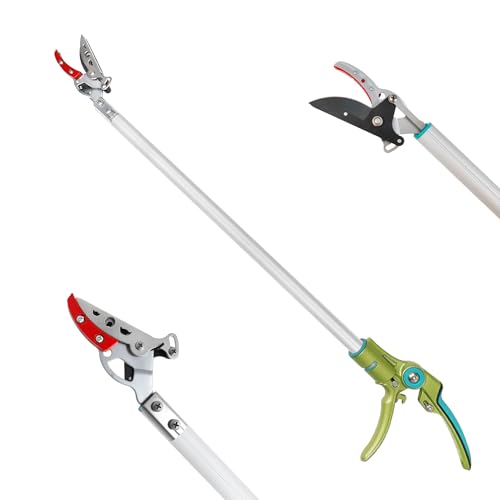
[REACH HIGH & STAY SAFE](No Ladder Required) Say goodbye to wobbly ladders! This 32inch long reach pole pruner offers an extra 30 inches of safe reach, allowing you to prune high branches or tall fruit trees while standing firmly on the ground. It’s the perfect extension tool for maintaining your backyard without the risk of falling.
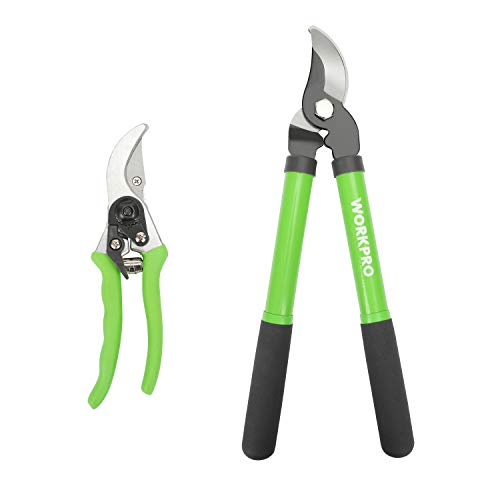
Ideal for pruning flowers and other garden plants

Tree Age and Maturity
Tree age significantly impacts fruit production. Young peach trees, typically less than three years old, focus on establishing roots and foliage rather than producing fruit. In contrast, mature trees often bear fruit consistently. Generally, trees around four to six years old start yielding a notable crop, reaching peak production between eight and twelve years. After this period, production may fluctuate due to fatigue or environmental stresses.
Environmental Conditions
Environmental conditions create the foundation for fruit production. Peach trees thrive in warm climates, requiring 700 to 1,000 hours of chilling temperatures (between 32°F and 45°F) during winter. Inadequate chilling leads to poor flowering and reduced yields. Soil quality also plays a crucial role; well-drained, sandy loam with a pH of 6.0 to 6.8 supports optimal growth. Additionally, consistent moisture and a proper balance of sunlight enhance fruit set and development.
Pruning Practices
Pruning practices directly affect fruit production. Regular pruning encourages new growth and improves air circulation, reducing the risk of disease. Aim to prune during late winter or early spring. Focus on removing dead or crowded branches, allowing sunlight to reach more of the tree. This enhances fruit development and increases overall yield. Avoid over-pruning, as this can stress the tree, leading to a decrease in fruit production.
Do Peach Trees Bear Fruit Every Year?
Peach trees don’t bear fruit every year. Many varieties produce fruit biennially, meaning they yield a harvest every other year. Several factors influence this pattern.
Recommended Products

Due to agricultural laws, we cannot ship to CA, AZ, AK, or HI - orders will be refunded if you ship to one of these states
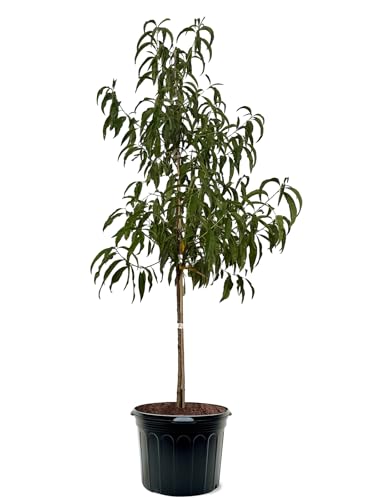
**Due to agricultural laws, we CANNOT SHIP TO CA, AZ, AK, or HI - orders will be cancelled if you ship to one of these states**
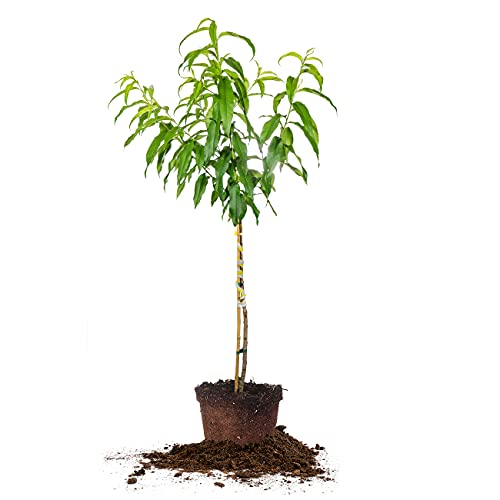
for growers looking for a warm weather loving fruit cultivar the flordaKing peach tree is the perfect choice. this fruit tree produces sweet peaches and tolerates warm humid environments
Varieties of Peach Trees
Different peach tree varieties exhibit unique fruiting habits. Here are some common types:
- Freestone Peach Trees: These varieties release their flesh easily from the pit. They often produce fruit consistently when mature.
- Clingstone Peach Trees: These varieties have flesh that clings to the pit. They may show more irregular fruiting compared to freestone types.
- Low-Chill Peach Trees: Designed for warmer climates, they can bear fruit annually in favorable conditions.
Understanding these varieties helps you choose the right tree based on your climate and desired harvest frequency.
Common Issues Affecting Fruiting
Several common issues can impact whether your peach tree bears fruit annually:
- Tree Age: Young peach trees may focus on root establishment and not yield fruit. Mature trees produce fruit more reliably.
- Climate Conditions: Sufficient chilling hours in winter are essential for fruiting. Inadequate chill can result in poor yields.
- Environmental Factors: Pest infestations and diseases can also hinder fruit production. Monitor your tree regularly to catch problems early.
- Pruning Practices: Incorrect pruning can affect fruiting. Proper techniques stimulate growth and help create a more fruitful canopy.
Addressing these factors helps you promote a healthier, more productive peach tree.
Care and Maintenance Tips
Peach trees require specific care to ensure they produce fruit effectively. Follow these tips for optimal growth and harvest.
Fertilization Recommendations
Fertilize peach trees in early spring. Use a nitrogen-rich fertilizer, such as a 10-10-10 or 12-12-12 blend. Apply about 1 to 1.5 pounds per year for young trees, and increase to 2 to 4 pounds for mature trees. Spread fertilizer evenly around the tree’s drip line to encourage root absorption. Additionally, consider applying compost or well-rotted manure in the fall. This enriches the soil and supports overall tree health.
Pest and Disease Management
Monitor peach trees regularly for pests such as aphids, spider mites, and peach tree borers. Use insecticidal soap or neem oil to treat infestations early. For diseases, maintain good air circulation by spacing trees appropriately and pruning dead or diseased branches. Apply fungicide as necessary when humidity levels are high to prevent issues like brown rot and leaf curl. Always read and follow label instructions for any treatments.
Implementing these care tips enhances your peach tree’s chances of strong fruit production.
Conclusion
Peach trees can be a delightful addition to your garden but understanding their fruiting habits is key to enjoying a bountiful harvest. While they often bear fruit every other year there are ways to encourage more consistent production.
By providing the right care like proper watering and fertilization you can help your trees thrive. Remember to consider factors like tree age and climate as they play a significant role in fruiting.
With a little attention and the right practices you’ll be well on your way to enjoying juicy peaches from your own backyard. Happy gardening!
Frequently Asked Questions
What are the fruiting habits of peach trees?
Peach trees typically produce fruit biennially, meaning they bear harvest every other year. Various factors, such as tree age, climate, and pruning, influence their fruiting patterns. Young trees focus on establishing roots, while mature trees yield consistently.
What conditions do peach trees need to thrive?
Peach trees prefer warm climates with well-drained soil. They require chilling hours during winter for optimal growth and fruit production. Ensuring good soil drainage and a suitable temperature range is crucial for healthy development.
What are the two main types of peaches?
The two primary types of peaches are freestone and clingstone. Freestone peaches have flesh that easily separates from the pit, while clingstone peaches have flesh that clings to the pit. Each type has distinct culinary uses and flavor profiles.
How can I enhance fruit production in peach trees?
To enhance fruit production, ensure adequate watering, apply nitrogen-rich fertilizers, and perform regular pruning. Additionally, planting multiple varieties may improve pollination and overall fruit yield.
Why is cross-pollination important for peach trees?
Many peach trees benefit from cross-pollination, where pollen from one tree fertilizes another, leading to improved fruit sets and yields. Planting compatible varieties nearby can significantly enhance overall production.
What role does tree age play in fruit production?
Tree age significantly affects fruit production. Young peach trees focus on establishing a strong root system and may not produce fruit in their early years. Mature trees, however, tend to produce consistently and abundantly.
What common issues affect peach tree fruiting?
Common issues affecting fruiting include tree age, climate conditions, environmental factors like pests and diseases, and pruning practices. Monitoring these factors is essential for maintaining healthy, productive peach trees.
What care do peach trees need for effective fruit production?
For effective fruit production, peach trees should be fertilized in early spring with nitrogen-rich blends and receive compost in the fall. Regular monitoring for pests and diseases is also vital, using treatments such as insecticidal soap or fungicides when needed.
