

Have you ever looked out at your fruit trees only to see birds feasting on your hard-earned harvest? It’s a frustrating sight, especially after all the effort you put into nurturing those trees. You’re not alone—many gardeners face this challenge, and it can feel like a losing battle.
Key Takeaways
- Understand Bird Attraction: Birds are drawn to fruit trees due to the availability of food, shelter, and nesting spots, making it crucial to mitigate their impact.
- Identify Problematic Species: Familiarize yourself with common birds like starlings, sparrows, crows, blue jays, and robins that typically invade fruit trees.
- Utilize Physical Barriers: Implement protective measures such as bird netting, row covers, and cages to physically prevent birds from accessing your fruits.
- Employ Deterrents and Scare Tactics: Use reflective objects, wind chimes, predator decoys, and noise makers to create an unwelcoming environment for birds.
- Maintain Regular Monitoring: Consistently check for bird activity and adapt strategies accordingly to protect your fruit trees effectively throughout the growing season.
- Consider Safe Chemical Solutions: Use bird-repellent sprays that are non-toxic and safe for edible plants to discourage birds without risking harm to your harvest.
Understanding The Problem
Birds are often attracted to fruit trees, leading to significant loss for gardeners. Understanding why birds gravitate towards these trees helps you address the issue effectively.
Why Birds Are Attracted To Fruit Trees
Fruit trees provide an abundant food source. Birds enjoy ripe fruits because they offer essential nutrients, vitamins, and sugars. Sweet-smelling fruits like peaches, cherries, and apples naturally draw birds in. Additionally, trees offer shelter and nesting spots, making them appealing habitats. The combination of food and safety can lead to high bird traffic around your garden.
Common Bird Species That Feed On Fruits
Several bird species commonly invade fruit trees. Some of the most frequent offenders include:
- Starlings: These birds are notorious for raiding gardens. They’re often found in flocks, increasing the amount of damage they can cause.
- Sparrows: Sparrows love various fruits and can quickly strip trees bare.
- Crows: Crows are intelligent and persistent, easily breaching defenses to get to your fruit.
- Blue Jays: Known for their vibrant plumage, blue jays also favor berries and softer fruits.
- Robins: These birds search for berries and will not hesitate to munch on ripe fruits.
Identifying these species helps you implement targeted strategies to protect your fruit trees.
Prevention Methods
Keeping birds away from fruit trees requires several effective strategies. You can protect your crops with physical barriers and scare tactics.
Recommended Products
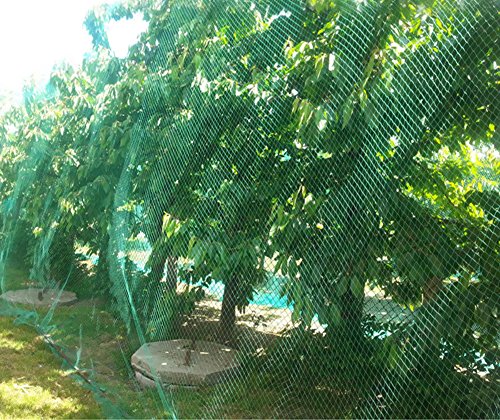
Excellent Material & Quality: Our bird netting is made of strong and durable PE with high stretch, light-weight but not tear easily; It is anti-UV and tough enough to withstand the effects of the sun and bad weather conditions, so you can use the garden netting repeatedly until the end of the season; The size of the poultry netting mesh refers to the measured length straightened from the far left to the far right

✅【Premium Heavy-Duty Material for Long-Lasting Protection】 VITI Fruit Trees Netting Crafted from reinforced polyethylene with UV-resistant coating, this netting is designed to withstand harsh weather conditions, including sun exposure, rain, and wind, without tearing or degrading over time. Unlike flimsy alternatives, its tear-resistant structure ensures multi-season use, saving you replacement costs.

Keep Bird & Bugs Away: Our bird netting is made from high-quality, ultra-fine mesh cloth with HDPE material, which is both lightweight and durable. It protects your flowers, berry plants, fruit trees, and garden crops throughout the growing season while keeping birds and insects away.
Physical Barriers
Physical barriers provide reliable protection against birds.
- Netting: Use bird netting to cover your trees. This mesh prevents birds from accessing fruits while allowing sunlight and rain to nourish the plants.
- Row Covers: Lightweight row covers can also deter birds while protecting young fruits and foliage. Ensure that the covers allow for some ventilation.
- Cages: Build cages using wooden frames covered in wire mesh. Place these over smaller trees or shrubs for maximum security.
Implementing these barriers can eliminate direct access to your fruits, greatly reducing bird damage.
Deterrents And Scare Tactics
Deterrents and scare tactics create an unwelcoming environment for birds.
- Reflective Objects: Hang reflective materials, like old CDs or aluminum foil strips, around your trees. The sunlight creates movement and shines reflections that scare birds away.
- Wind Chimes: Install wind chimes for added sound and movement. The noise can startle birds, encouraging them to seek food elsewhere.
- Predator Decoys: Place decoys of predators, like owls or hawks, near your trees. Rotating the positions of these decoys keeps them effective.
- Noise Makers: Use noise-making devices, such as radios or motion-activated alarms, to create disturbances that keep birds on alert.
Combining these deterrents with physical barriers offers a comprehensive approach to thwart birds from ruining your harvest.
Maintenance Strategies
Keeping birds off your fruit trees requires consistent effort and adaptability. Regular maintenance ensures that your strategies remain effective throughout the growing season.
Recommended Products

Size: Deer netting size 7 feet x 100 feet; garden netting mesh size 3/4"; color: black; Easy to use accessories included: 10pcs installation nails & 50pcs cable ties

Protective bird netting effectively protects fruit, vegetation, chicken and berries from thieving birds and other other animals. Harsh Weather resistant, protect your plants without harming birds and other animals.

Convenient Zipper and Drawstring Design---Our Fruit Tree Netting for Cicadas has a user - friendly, durable zipper. It makes accessing fruit trees & blueberry bushes easy during trimming, watering, or harvesting. No more struggling with complex closures or removing the whole net. This is especially useful for cicada protection. The attached drawstring enhances functionality, allowing you to secure the net tightly around plants. This combo ensures easy handling & a snug fit, even in windy conditions, making plant maintenance stress - free.
Regular Monitoring
Monitor your fruit trees frequently. Check for signs of bird activity, such as peck marks or droppings. Identify which bird species are most problematic and adjust your strategies accordingly. Early intervention helps maintain your fruit’s integrity. Use binoculars to spot birds from a distance and keep track of their behavior. Note peak activity times and specific fruits that attract these birds.
Seasonal Adjustments
Adapt your strategies seasonally. As fruits ripen at different times, adjust your deterrents to match. For instance, add or remove netting based on the fruit’s stage of ripeness. In spring, when fruit trees bloom, enhance your scare tactics. As summer approaches, ensure that barriers are intact to protect the growing fruit. In fall, once the harvest is complete, remove any temporary barriers. This flexibility helps maximize protection while maintaining the health of your trees.
Chemical Solutions
Chemical solutions can effectively deter birds from fruit trees. These products often incorporate ingredients that are displeasing to birds while remaining safe for the environment.
Recommended Products

Control diseases and insects in your garden with Captain Jack’s Fruit Tree Spray Concentrate! Use on a variety of listed fruits, nuts and citrus plants.

HELPS DETER BIRDS FROM OUTDOOR AREAS — Plant-based formula helps discourage unwanted bird activity around gardens, landscapes, patios, walkways, and other outdoor spaces.

KILLS LISTED FRUIT & CITRUS TREE INSECTS: Controls Asian Citrus Psyllid, Whiteflies, Aphids Thrips, Citrus Leafminers, Leafhoppers, Blackfly, Mealybugs, Scales, Avocado Lacebugs, Oriental Beetles, Flea Beetles, Sharpshooters, and Spittlebugs
Bird-Repellent Sprays
Bird-repellent sprays serve as a popular option. These sprays contain substances that create an unpleasant taste or odor for birds, making your fruits less appealing. For instance, some sprays utilize natural ingredients like capsaicin, derived from hot peppers, which deters birds without harming them. Applying these sprays regularly, especially during peak ripening seasons, enhances their effectiveness. Always follow the manufacturer’s instructions for application rates and timing to ensure optimal results.
Safe Usage Guidelines
Safety is paramount when using chemical solutions. Always choose bird-repellent products labeled as non-toxic or safe for edible plants, ensuring no harmful residues remain on your fruit. Test sprays on a small area of the tree before full application to avoid plant damage. Apply sprays during calm weather to minimize drift and maximize adherence to fruits. Reapply after rain or heavy watering to maintain effectiveness. Store any leftover products in a cool, dry place, out of reach of children and pets, to prevent accidental ingestion.
Conclusion
Keeping birds off your fruit trees doesn’t have to be a daunting task. With a mix of physical barriers and creative deterrents you can protect your hard-earned harvest. It’s all about finding the right balance that works for your specific situation.
Regular monitoring and being adaptable to changing conditions will go a long way in ensuring your trees thrive. Remember to consider seasonal adjustments and the unique behaviors of the bird species in your area.
By taking these proactive steps you can enjoy the fruits of your labor without sharing them with feathered friends. Happy gardening and may your trees be bountiful this season!
Frequently Asked Questions
Why do birds eat fruit from my trees?
Birds are attracted to fruit trees because they offer a rich food source filled with essential nutrients, vitamins, and sugars. Additionally, these trees provide shelter and nesting spots, making them an ideal environment for many bird species to forage.
Which bird species typically invade fruit trees?
Common bird species that may invade fruit trees include starlings, sparrows, crows, blue jays, and robins. Identifying these species can help gardeners implement effective strategies to protect their crops successfully.
What are effective strategies to protect fruit from birds?
To protect fruit from birds, you can use physical barriers like bird netting and row covers, along with scare tactics such as hanging reflective objects and placing predator decoys. Combining these methods enhances effectiveness and keeps birds at bay.
How can I monitor bird activity around my trees?
Regularly check your fruit trees for signs of bird activity, such as droppings or missing fruit. Keeping a close eye on your trees helps you adapt and modify your protective strategies based on the specific bird species’ behaviors.
Are bird-repellent sprays safe to use on my fruit?
Yes, many bird-repellent sprays contain natural ingredients, like capsaicin, that can deter birds while being safe for your fruits. Always follow safe usage guidelines and test a small area before applying it widely. Reapply after rain for best results.
