
Close Menu
    Fruit Tree Hub
    • Home
    • Apple Trees
    • Lemon Trees
    • Mango Trees
    • Orange Trees
    • More Trees
      • Best Fruit Trees
      • Apricot Trees
      • Cherry Trees
      • Fig Trees
      • Lime Trees
      • Mulberry Trees
      • Peach Trees
      • Pear Trees
      • Plum Trees
      • Pomegranate Trees
    • Tips and Advice
      • Tools
    • About Us
      • Contact
      • Privacy Policy
    Fruit Tree Hub
    Home»Climbing Fruit»Blackberry»How to Get Seeds Out of Blackberries for Jam: Tips for Seedless Perfection
    Blackberry

    How to Get Seeds Out of Blackberries for Jam: Tips for Seedless Perfection

    Lucy SmithBy Lucy SmithAugust 9, 20246 Mins Read
    Share Facebook Twitter Pinterest WhatsApp Email
    Share
    Facebook Twitter LinkedIn Pinterest Telegram Email

    Have you ever found yourself frustrated by the pesky seeds in your blackberry jam? Picture this: you’re excited to enjoy a delicious spread on your toast, only to be met with an unwelcome crunch from those tiny seeds. But fear not! In this article, we’ll show you a simple and effective way to extract those seeds and create the perfect smooth blackberry jam.

    Contents show
    1 Key Takeaways
    2 Understanding Blackberry Seeds
    2.1 Why Remove Seeds?
    2.2 Challenges in Removing Seeds
    3 Methods for Removing Seeds from Blackberries
    3.1 Using a Food Mill
    3.2 Using a Fine Mesh Strainer
    3.3 Using a Blender and Strainer Combo
    4 Preparing Blackberry Jam
    4.1 Ingredients Needed
    4.2 Step-by-Step Jam Making Process
    5 Tips for Perfect Blackberry Jam
    5.1 Cooking Techniques
    6 Conclusion
    7 Frequently Asked Questions
    7.1 Q: Why is it important to remove seeds from blackberry jam?
    7.2 Q: What are effective methods for removing seeds from blackberries?
    7.3 Q: What tips can help in making perfect blackberry jam?

    Key Takeaways

    • Removing blackberry seeds is essential for achieving a smooth texture in jam.
    • Challenges include the small size and abundance of seeds, requiring patience and precision during extraction.
    • Effective methods for seed removal include using a food mill, fine mesh strainer, or blender with a strainer attachment.
    • Ingredients needed for making blackberry jam include fresh blackberries, sugar, and lemon juice.
    • Tips for perfect jam-making include slow cooking, consistent stirring, testing for set consistency, skimming foam, proper sealing, sterilization of jars, cooling before storage, labeling jars, and understanding shelf life.

    Understanding Blackberry Seeds

    Blackberries are delicious fruits with a unique flavor; however, their seeds can sometimes be an unwelcome addition to your jam. Here’s why it’s essential to remove the seeds and the challenges you might face in doing so.

    MUST READ
    Ultimate Guide on How to Prune Blackberries in Fall for a Thriving Garden

    Why Remove Seeds?

    When making blackberry jam, removing the seeds is crucial for achieving a smooth texture. The tiny seeds can affect the overall consistency of the jam, making it less enjoyable to spread on your favorite breakfast treats like toast or scones. By taking the time to extract the seeds, you ensure that your jam is velvety and free of any unwanted grittiness.

    Challenges in Removing Seeds

    One of the main challenges when extracting blackberry seeds is their small size and abundance. Separating them from the juicy pulp can be a tedious task, requiring patience and precision. Additionally, if not done correctly, you may lose some of the flavorful pulp along with the seeds, impacting the taste and richness of your homemade jam. Despite these challenges, with the right techniques and tools at hand, you can successfully conquer seed removal for a delightful blackberry jam experience.

    Methods for Removing Seeds from Blackberries

    If you’re tired of seeds in your blackberry jam, here are some effective methods to help you achieve that smooth texture you desire.

    Recommended Products
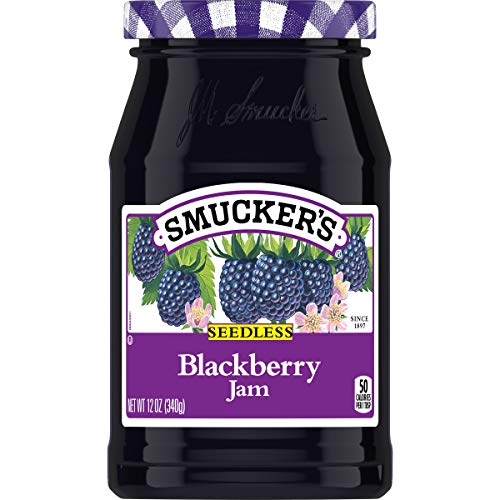
    Smucker's Seedless Blackberry Jam, 12 Ounces
    Smucker's Seedless Blackberry Jam, 12 Ounces

    Contains 1- 12 Ounce Jar of Smucker's Seedless Blackberry Jam

    VIEW LATEST PRICE

    As an affiliate, we earn on qualifying purchases.

    365 by Whole Foods Market, Fruit Spread Blackberry Organic, 17 Ounce (Pack of 2)
    365 by Whole Foods Market, Fruit Spread Blackberry Organic, 17 Ounce (Pack of 2)

    The information below is per-pack only

    VIEW LATEST PRICE

    As an affiliate, we earn on qualifying purchases.

    Cooper's Mill Seedless Blackberry Jam
    Cooper's Mill Seedless Blackberry Jam

    Seedless Blackberry Jam

    VIEW LATEST PRICE

    As an affiliate, we earn on qualifying purchases.

    MUST READ
    Growing Blackberries from Berries: A Complete Guide to Homegrown Harvests

    Using a Food Mill

    A food mill is a handy tool for removing seeds from blackberries. Here’s how to do it:

    • Start by washing your blackberries thoroughly.
    • Place the berries in the food mill and turn the crank to crush them.
    • The pulp will be separated from the seeds, giving you seedless puree perfect for jam making.

    Using a Fine Mesh Strainer

    A fine mesh strainer can also help you get rid of those pesky seeds. Follow these steps:

    • Rinse the blackberries and place them in a bowl.
    • Press down on the berries with a spoon over the strainer to extract the pulp while leaving behind the seeds.

    Using a Blender and Strainer Combo

    Combining a blender with a strainer is another effective method. Here’s what you need to do:

    • Blend the blackberries until they form a puree.
    • Pour the puree through a fine mesh strainer, pressing down with a spoon to separate out the seeds.

    Preparing Blackberry Jam

    When it comes to making delicious blackberry jam, the key lies in removing those pesky seeds for a smooth texture. Here’s how you can prepare your blackberries for jam-making success.

    Recommended Products

    Mrs. Miller's Amish Homemade Blackberry Jam 18 oz/509g - 2 Jars
    Mrs. Miller's Amish Homemade Blackberry Jam 18 oz/509g - 2 Jars
    VIEW LATEST PRICE

    As an affiliate, we earn on qualifying purchases.

    Smucker's Seedless Blackberry Jam, 18 Ounces
    Smucker's Seedless Blackberry Jam, 18 Ounces

    CONTAINS: One 18-oz. jar of Smucker’s Seedless Blackberry Jam; Packaging May Vary

    VIEW LATEST PRICE

    As an affiliate, we earn on qualifying purchases.

    The Dutch Kettle Amish Homemade Style Blackberry Jam Seeded 2 - 19 oz Reusable Jars All Natural Non-GMO No Preservatives
    The Dutch Kettle Amish Homemade Style Blackberry Jam Seeded 2 - 19 oz Reusable Jars All Natural Non-GMO No Preservatives

    Quality Amish made in North Carolina

    VIEW LATEST PRICE

    As an affiliate, we earn on qualifying purchases.

    MUST READ
    How to Grow Blackberries in Containers: Tips for Successful Harvest and Delicious Recipes

    Ingredients Needed

    To get started on your blackberry jam adventure, you’ll need the following ingredients:

    • Fresh blackberries
    • Sugar
    • Lemon juice

    Step-by-Step Jam Making Process

    Follow these simple steps to transform your blackberries into a delectable seedless jam:

    1. Prepare the Blackberries: Wash your fresh blackberries thoroughly and remove any stems or leaves.
    2. Mash the Berries: Using a food mill or blender with a strainer attachment, mash the berries to extract their puree while leaving behind the seeds.
    3. Strain the Puree: Pass the mashed berries through a fine mesh strainer to separate out any remaining seeds and obtain a smooth puree.
    4. Cook with Sugar: In a saucepan, combine the blackberry puree with sugar and lemon juice, then cook over low heat until thickened.
    5. Jar Your Jam: Once your jam reaches the desired consistency, transfer it into sterilized jars and seal them for storage.

    Tips for Perfect Blackberry Jam

    When aiming for the perfect blackberry jam, there are some essential tips to keep in mind that will help you achieve a delicious and smooth texture. Here are some practical suggestions to enhance your jam-making process:

    Recommended Products

    Blackberry Seed Strainer, 2-Pack 200 Mesh Fine Sieve with Press Tool | PP frame filters pulp and seeds for jams, juice, cold brew, and purees, with smooth edges for comfortable kitchen prep
    Blackberry Seed Strainer, 2-Pack 200 Mesh Fine Sieve with Press Tool | PP frame filters pulp and seeds for jams, juice, cold brew, and purees, with smooth edges for comfortable kitchen prep

    FINE 200-MESH FILTERING: The extra fine mesh strainer separates blackberry seeds and pulp for smoother jam, juice, fruit puree, and homemade sauces.

    VIEW LATEST PRICE

    As an affiliate, we earn on qualifying purchases.

    The Dutch Kettle Amish Homemade Style Blackberry Seeded Jam 2/19 Oz Jars with Fabric Toppers
    The Dutch Kettle Amish Homemade Style Blackberry Seeded Jam 2/19 Oz Jars with Fabric Toppers

    Authentic Amish Homestyle: Experience the taste of tradition with The Dutch Kettle jams and jellies, crafted in Hamptonville, North Carolina, USA, using time-honored Amish methods

    MUST READ
    Growing Blueberries and Blackberries Together: Tips for Successful Co-Cultivation
    VIEW LATEST PRICE

    As an affiliate, we earn on qualifying purchases.

    Blackberry Seed Strainer, Ultra-Fine Mesh 304 Food Grade Stainless Steel, 6.3 Inch Conical Deep Body with Silicone Handle, Dishwasher Safe for Jam & Fruit Puree
    Blackberry Seed Strainer, Ultra-Fine Mesh 304 Food Grade Stainless Steel, 6.3 Inch Conical Deep Body with Silicone Handle, Dishwasher Safe for Jam & Fruit Puree

    Mesh Strainer Made for Blackberry Seeds: 40 Mesh Ultra Fine Filter Designed Specifically for Blackberry Seeds, seed-free fruit puree and jam. the 0.5-1 mm fine mesh catches berry seeds, pulp, and small particles so your jam and fruit puree come out smooth.

    VIEW LATEST PRICE

    As an affiliate, we earn on qualifying purchases.

    Cooking Techniques

    1. Slow Cooking: Patience is key when making blackberry jam. Slow cooking the blackberries with sugar and lemon juice allows the flavors to meld together beautifully, resulting in a rich and flavorful jam.
    2. Stirring Consistently: While cooking the blackberry mixture, make sure to stir it regularly to prevent it from sticking to the bottom of the pot and ensure even heat distribution.
    3. Testing for Set: To determine if your jam has reached the desired consistency, perform a simple wrinkle test. Place a small amount of hot jam on a chilled plate – if it wrinkles when pushed with your finger, it’s ready.
    4. Skimming Foam: As your jam cooks, foam may rise to the surface. Skim off this foam using a spoon or ladle to achieve a clear and glossy finish.
    5. Proper Sealing: When jarring your blackberry jam for storage, ensure proper sealing by following canning guidelines or refrigerating promptly for short-term use.
    1. Sterilization: Before filling your jars with freshly made blackberry jam, sterilize them properly by either boiling them or using a dishwasher to prevent any contamination.
    2. Cooling Process: Allow your freshly jarred blackberry jam to cool at room temperature before transferring it to cold storage like the refrigerator or pantry shelves.
    3. Labeling Jars: To stay organized and easily identify different batches of jams, don’t forget to label each jar with the date of preparation.
    4. Shelf Life: Properly stored homemade blackberry jam can last up to one year when stored in ideal conditions away from direct sunlight and extreme temperatures.
    MUST READ
    Do Blackberries Need Full Sun? Enhancing Growth, Quality, and Productivity

    Conclusion

    You’ve learned valuable techniques for removing pesky seeds from blackberries to achieve that perfect, smooth jam texture. By using tools like a food mill or a fine mesh strainer, you can effortlessly create seedless puree for your delicious jams. Remember to take your time and follow the steps carefully to ensure a successful outcome. With tips on slow cooking, consistent stirring, testing for set, and proper sealing, you’re well-equipped to make the best blackberry jam possible. So go ahead, put your newfound knowledge into practice and enjoy the satisfaction of creating homemade jam with a delectably smooth finish!

    Frequently Asked Questions

    Q: Why is it important to remove seeds from blackberry jam?

    A: Removing seeds ensures a smooth texture in the jam and enhances the overall eating experience.

    Q: What are effective methods for removing seeds from blackberries?

    A: Methods include using a food mill, a fine mesh strainer, or a blender with a strainer combo.

    Q: What tips can help in making perfect blackberry jam?

    A: Tips include slow cooking, consistent stirring, testing for set, skimming foam, proper sealing, sterilization, cooling process, labeling jars, and understanding shelf life.

    Share. Facebook Twitter Pinterest LinkedIn Tumblr Email
    lucy smith
    Lucy Smith
    • Website

    Lucy Smith is a highly experienced horticulturist with a passion for fruit tree cultivation. She holds a degree in Horticulture from the University of California, Davis, and has worked in various roles in the industry. With over 10 years of experience, Lucy is dedicated to using eco-friendly methods for sustainable gardening practices.

    Related Posts

    Growing Blackberries in a Pot: Tips for Success and Bountiful Harvests

    August 23, 2024

    How to Grow Blackberries in North Texas: Tips for a Bountiful Harvest

    August 23, 2024

    Growing Blackberries in Containers: Tips for Success and Space-Saving Solutions

    August 23, 2024

    Growing Blackberries in Partial Shade: Tips for Healthy Bushes and Bountiful Harvests

    August 23, 2024

    How to Grow Raspberries and Blackberries: A Complete Guide for Home Cultivation

    August 23, 2024

    Pruning Blackberries in Summer: Tips for Healthy Growth and Bountiful Harvests

    August 23, 2024
    Leave A Reply Cancel Reply

    Affiliate Disclosure

    As an Amazon Associate I earn from qualifying purchases.

    Recommended Reading

    What Fruit Trees Should Not Be Planted Together for a Thriving Garden and Maximum Harvest

    Banana Trees in North Carolina: Piedmont and Mountain Success

    Growing Cantaloupe in a Container: Tips for Juicy Harvests

    Fig Trees in Mississippi: Southern Success and Soil Tips

    Top Fruit Trees for Zone 9a: Choosing the Perfect Varieties for Year-Round Harvest

    What Is a Hand Lopper? Choosing the Perfect Tool for Your Garden Needs

    Jujube Trees in Jacksonville, FL: Tropical Planting Guide

    Mango Trees in a Pot in North Dakota (Extreme Cold Protection)

    Can Quince Trees Grow in Idaho? Cold-Hardy Variety Secrets

    How to Make Apple Trees Produce Fruit: Key Steps for a Bountiful Harvest

    Fruit Tree Hub

    Fruit Tree Hub is a website dedicated to providing you everything you need to grow fruit trees successfully at in your own yard.

    Contact us at: [email protected]

    - AFFILIATE DISCLOSURE: As an Amazon Associate I earn from qualifying purchases.

    Latest Posts

    18 Coastal Crochet Tops in White and Neutral Shades

    16 Retro Crochet Tops Built Around Multicolor Granny Squares

    16 Modest Crochet Tops Featuring Higher Necklines

    19 Cottagecore Crochet Tops With Square Necklines

    13 Ruffled Crochet Tops With Flared Hems

    19 Lace Crochet Tops Featuring Intricate Openwork

    14 Floral Crochet Tops Inspired by Botanical Motifs

    20 Boho Crochet Halter Tops for Festival Outfits

    Categories
    • Almond Trees
    • Apple Trees
    • Apricot Trees
    • Best Fruit Trees
    • Blackberry
    • Cantaloupe
    • Cherry Trees
    • Christmas Crochet Ideas
    • Crochet Bag Ideas
    • Crochet Blanket Ideas
    • Crochet Dress Ideas
    • Crochet Ideas
    • Crochet Ideas for Beginners
    • Crochet Top Ideas
    • Cucamelon
    • Easy Crochet Ideas
    • Easy Knitting Projects
    • Fall Crochet Ideas
    • Fig Trees
    • Grapefruit Trees
    • Grapes
    • Guava Trees
    • Halloween Crochet Ideas
    • Honeydew
    • Jujube Trees
    • Kiwi
    • Knitting For Beginners
    • Knitting Ideas
    • Knitting Inspiration
    • Lemon Trees
    • Lime Trees
    • Loquat Trees
    • Mango Trees
    • Mulberry Trees
    • Nectarine Trees
    • Olive Trees
    • Orange Trees
    • Papaya Trees
    • Peach Trees
    • Pear Trees
    • Persimmon Trees
    • Planting
    • Plum Trees
    • Pomegranate Trees
    • Quince Trees
    • Raspberry
    • Reviews
    • Small Crochet Ideas
    • Star Fruit Trees
    • Summer Crochet Ideas
    • Tamarind Trees
    • Tangerine Trees
    • Tips and Advice
    • Tools
    • Uncategorized
    • Walnut Trees
    • Winter Crochet Ideas
    © 2026 Fruit Tree Hub
    • Home
    • About Us
    • Contact
    • Privacy Policy
    • Terms and Conditions
    • Disclaimer
    • Editorial Policy
    • Affiliate Disclosure

    Type above and press Enter to search. Press Esc to cancel.