

Are pests munching on your fruit trees and ruining your harvest? You’re not alone. Many gardeners face the same struggle, watching their hard work threatened by pesky insects. It can be frustrating to see your trees suffer when all you want is a bountiful crop.
Key Takeaways
- Pest Control is Essential: Regular monitoring and timely pest control are critical for maintaining healthy fruit trees and ensuring quality harvests.
- Identify Common Pests: Familiarize yourself with pests like aphids, caterpillars, and spider mites, and their signs to protect your fruit trees effectively.
- Natural Spray Options: Utilize organic solutions like neem oil and insecticidal soap to manage pests without harming beneficial insects or the environment.
- Chemical Treatments: When necessary, consider synthetic or systemic insecticides for quick pest management, ensuring safe application to minimize impact on pollinators.
- Application Techniques Matter: Timing, frequency, and safety measures during spraying play a significant role in the effectiveness of pest control methods.
- Integrated Pest Management: Combine pest sprays with prevention strategies like pruning and companion planting for a comprehensive approach to fruit tree health.
Understanding the Importance of Pest Control for Fruit Trees
Effective pest control forms the foundation of healthy fruit trees. Pests like aphids, caterpillars, and spider mites can inflict significant damage on crops. This damage often leads to reduced yields and compromised fruit quality.
Maintaining your fruit trees requires regular monitoring. Look for signs of infestation, such as holes in leaves or visible bugs. Early identification allows for prompt action, minimizing damage and increasing the chances of a bountiful harvest.
Utilizing targeted sprays can protect your trees from harmful insects. Organic options, like neem oil and insecticidal soaps, offer efficient pest control without harming beneficial insects. It’s crucial to follow product instructions for safe and effective application.
Implementing preventative measures also plays a vital role. Regularly pruning your trees enhances airflow and light penetration, making it harder for pests to thrive. Additionally, maintaining soil health supports tree resilience against pests.
Integrating pest control with other management techniques ensures a holistic approach. Companion planting, for example, can deter pests naturally. Planting marigolds or garlic near fruit trees can repel aphids and other undesirable insects.
By prioritizing pest control, you safeguard your fruit trees and improve your chances for a rewarding harvest. Taking these steps helps preserve your gardening efforts, leading to more fruitful seasons.
Common Pests Affecting Fruit Trees
Fruit trees can attract various pests that threaten their health and productivity. Identifying these pests and recognizing their signs helps protect your trees and yields.
Identification of Key Pests
- Aphids: Small, soft-bodied insects that cluster on leaves and shoots. They suck sap from the plant, causing wilting and stunted growth.
- Caterpillars: These larvae of moths and butterflies can devour leaves. Look for chewed leaves or frass (caterpillar droppings) under trees.
- Spider Mites: Tiny arachnids that create fine webs on leaves. They cause yellowing and speckled leaves due to sap extraction.
- Scale Insects: These pests appear as small, raised bumps on stems and leaves. They weaken trees by feeding on vital fluids.
- Fruit Flies: Small flies that lay eggs inside fruits. Infested fruits develop dark spots and may rot quickly.
- Wilting Leaves: Drooping or curled leaves often indicate sap-sucking pests like aphids or spider mites.
- Chewed Foliage: Missing portions of leaves signal caterpillar activity. Search for the caterpillars hiding on the underside.
- Webbing: Fine webs on leaves or branches typically point to spider mite infestations. Check for visible mites as well.
- Sticky Residue: A sticky substance known as honeydew may appear on leaves or surfaces under the tree, indicating aphid or scale insect presence.
- Rotting Fruit: Dark spots or mushy areas on fruit suggest fruit flies may have laid eggs, leading to rapid decay.
Regularly monitoring your fruit trees for these pests can significantly enhance your chances of a healthy harvest.
Natural Sprays for Pest Management
Using natural sprays provides an effective way to manage pests on fruit trees without harming the environment. Here are two popular options to consider.
Recommended Products

FUNGAL DISEASE CONTROL: Prevents and controls black spot on roses, powdery mildew, rust, downy mildew, and other listed fungal diseases when applied on a 7–14 day schedule
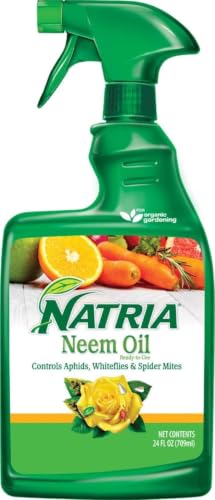
PLANT DISEASE CONTROL: Natria Neem Oil acts as an insecticide and fungicide in one convenient spray; Ready-to-use trigger sprayer requires no mixing
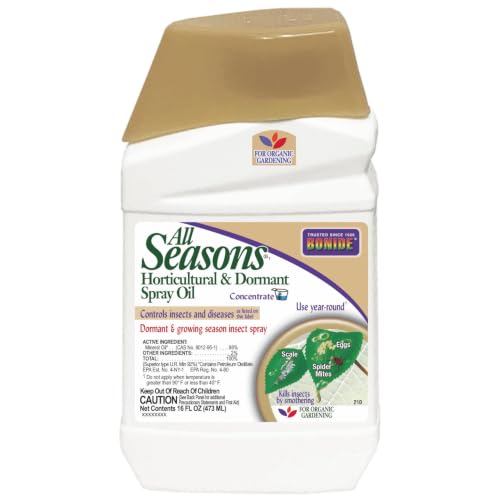
Control insects & diseases in your home garden with All Seasons Horticultural & Dormant Spray Oil Concentrate; use year-round to control listed insects and diseases
Neem Oil
Neem oil is a widely used organic pest control option derived from the seeds of the neem tree. It disrupts the life cycle of pests, making it effective against aphids, spider mites, and caterpillars.
- Mix the Solution: Combine 2 tablespoons of neem oil with 1 gallon of water and a few drops of liquid soap. The soap helps the neem oil emulsify.
- Apply Thoroughly: Use a spray bottle to apply the mixture on all parts of the tree, focusing on the undersides of leaves where pests often hide.
- Repeat Treatments: Spray every 7-14 days until you notice a reduction in pest activity.
Insecticidal Soap
Insecticidal soap is another natural spray that targets a variety of soft-bodied pests. It’s made from natural fats and oils and is effective against aphids, mealybugs, and whiteflies.
- Prepare the Mixture: Combine 2-5 tablespoons of insecticidal soap per gallon of water.
- Spray on Affected Areas: Generously spray on infested areas. Ensure you coat both sides of the leaves.
- Reapply as Needed: Treat your trees every 5-7 days, especially after rain, until pests are under control.
Both neem oil and insecticidal soap offer effective, environmentally friendly solutions for pest management on fruit trees. Regular applications combined with vigilant monitoring can significantly enhance your fruit trees’ health.
Chemical Sprays for Effective Treatment
Chemical sprays serve as an option for treating pest infestations on fruit trees. These products often deliver quick results, effectively reducing pest populations when used properly.
Recommended Products

No chemical exposure to applicator or the environment

Controls a number of insects including Aphid, Psyllids and more. See label for full list of insects.

KILLS LISTED FRUIT & CITRUS TREE INSECTS: Controls Asian Citrus Psyllid, Whiteflies, Aphids Thrips, Citrus Leafminers, Leafhoppers, Blackfly, Mealybugs, Scales, Avocado Lacebugs, Oriental Beetles, Flea Beetles, Sharpshooters, and Spittlebugs
Synthetic Insecticides
Synthetic insecticides consist of man-made chemicals designed to target various pests. Products like Pyrethroids and Neonicotinoids are well-known in this category. Pyrethroids disrupt the nervous system of insects, providing quick knockdown, while Neonicotinoids affect nerve transmission, leading to death in pests like aphids and whiteflies.
- Application Timing: Apply synthetic insecticides during the early morning or late evening. This timing minimizes the risk to beneficial insects that are active during the day.
- Mixing Instructions: Follow the manufacturer’s instructions for mixing ratios. Using too much can harm your trees and surrounding flora.
- Safety Precautions: Wear protective gear, such as gloves and masks, during application to prevent inhalation or skin contact.
Systemic Insecticides
Systemic insecticides work by being absorbed into the tree’s vascular system. As the tree absorbs these chemicals, they circulate throughout, making the tree’s sap toxic to pests. Common products include Imidacloprid and Acetamiprid.
- Application Method: Apply systemic insecticides via soil drench or trunk injection to ensure absorption. Follow dosage guidelines to avoid overdosing.
- Treatment Interval: Treatments typically last several weeks to months, depending on the product. Monitor your trees regularly for pest activity after application.
- Environmental Impact: Be aware of the environmental effects. Limit use near flowering plants to protect pollinators like bees.
Using chemical sprays can effectively manage pest populations and safeguard your fruit trees, ensuring a healthier harvest. Track your tree’s response to treatments and adjust your approach as needed to maintain optimal health.
Application Techniques for Spraying
Spraying fruit trees requires attention to detail for effective pest management. Proper techniques ensure optimal coverage and safety.
Recommended Products

Protect your oasis with Captain Jack’s Neem Max Ready-to-Use Spray; this multipurpose product acts as a 4-in-1 insecticide, fungicide, miticide and nematicide

An Organic Neem Oil Spray for Plants with a Powerful Essential Oil Blend (cedarwood, lemon, clove, cinnamon, eucalyptus, and rosemary) for healthier plants every time you spray. Big Leaf Energy is a multi-purpose spray for healthier, more resilient leaves and soils—and it smells amazing.

Control diseases and insects in your garden with Captain Jack’s Fruit Tree Spray Concentrate! Use on a variety of listed fruits, nuts and citrus plants.
Timing and Frequency
Choosing the right time for application enhances effectiveness. Spray in the early morning or late evening to minimize harm to beneficial insects. For preventative treatments, apply organic sprays like neem oil every 7-14 days, especially during peak pest activity. If treating an active infestation, repeat applications as directed on the product label, usually every 3-7 days, until pests are controlled. Monitor trees regularly, adjusting frequency based on pest presence.
Safety Precautions
Safety is crucial when applying sprays. Always wear protective gear, including gloves, masks, and goggles, to avoid direct contact. Read product labels carefully for specific safety instructions and recommended dosages. Avoid spraying on windy days to prevent drift to non-target plants. Keep pets and children away from treated areas until sprays dry completely. Dispose of leftover sprays according to local regulations to minimize environmental impact.
Conclusion
Taking care of your fruit trees doesn’t have to be overwhelming. With the right sprays and techniques you can effectively manage pests while keeping your trees healthy. Regular monitoring and timely action are key to preventing infestations that could ruin your harvest.
Whether you choose organic options like neem oil or more traditional chemical sprays, following the guidelines will help you protect your trees and ensure a bountiful crop. Remember to consider the timing of your applications to safeguard beneficial insects.
By combining pest control with good gardening practices you’ll create a thriving environment for your fruit trees. Enjoy the process and look forward to a fruitful season ahead!
Frequently Asked Questions
What pests commonly damage fruit trees?
Common pests that threaten fruit trees include aphids, caterpillars, spider mites, scale insects, and fruit flies. Each of these pests can significantly affect the health and yield of your trees by damaging leaves and fruit. Regular monitoring is key to early detection and management.
How can I identify pest infestations on my fruit trees?
Signs of pest infestations include wilting leaves (indicating sap-sucking pests), chewed foliage (caterpillar activity), fine webs (spider mites), sticky residue (aphids or scale insects), and rotting fruit (fruit flies). Early identification allows for prompt action to mitigate damage.
What are the benefits of neem oil for pest control?
Neem oil is an effective organic pest control option that disrupts the life cycles of pests such as aphids, spider mites, and caterpillars. It is eco-friendly and can be applied every 7-14 days to maintain healthy fruit trees.
When is the best time to spray fruit trees for pests?
The best times to spray fruit trees are during early morning or late evening. This minimizes harm to beneficial insects and maximizes the effectiveness of the sprays. Consistent timing will help manage pest populations effectively.
Should I use chemical sprays for pest management on fruit trees?
Chemical sprays can offer quick results against stubborn pest infestations. However, caution is advised to protect beneficial insects and pollinators. Always follow the product instructions and apply at recommended times to minimize environmental impact.
How do I apply insecticidal soap for pest control?
Insecticidal soap is applied directly to affected areas of the tree, targeting soft-bodied pests like aphids and mealybugs. Mix according to package instructions and spray on infested areas, ensuring full coverage. Regular applications improve effectiveness.
What preventative measures can I take for pest control?
Preventative measures include regular pruning, maintaining soil health, and practicing companion planting to naturally deter harmful insects. These strategies enhance the resilience of fruit trees against pest infestations, promoting healthier growth and yields.
