

Wondering if April’s the right time to prune your fruit trees? You’re not alone. Many gardeners face this dilemma as spring rolls in, and the urge to tidy up their trees grows stronger.
Pruning can seem tricky, especially with the changing seasons. But knowing when and how to prune can make a big difference in your fruit yield and tree health. This article will guide you through the best practices for pruning in April, helping you keep your trees thriving and productive. With a little knowledge, you can ensure your garden flourishes this season.
Key Takeaways
- Pruning fruit trees in April can enhance growth, yield, and overall tree health when done correctly.
- Different fruit trees require specific pruning timings; for example, apple and pear trees prefer late winter to early spring, while tart cherries benefit from summer pruning.
- Key pruning techniques include thinning, heading cuts, crown reduction, cleaning, and training, each serving unique purposes for tree health and fruit production.
- Essential tools for pruning include hand pruners, loppers, pruning saws, gloves, and safety goggles for protection.
- Be mindful of weather conditions, as late frosts in spring can damage freshly pruned branches, and monitor local forecasts accordingly.
- Avoid common mistakes such as over-pruning and improper cuts to ensure the longevity and vigor of your fruit trees.
Understanding Pruning
Pruning is essential for maintaining healthy fruit trees. This practice encourages growth, enhances yield, and prevents disease. Knowing when and how to prune increases your chances of a successful harvest.
Recommended Products

· ULTRA-SHARP SK5 STAINLESS STEEL - Engineered with premium SK5 stainless steel, these heavy duty pruning shears deliver razor-sharp precision and maximum hardness. The rust-resistant blades are designed to stay sharp longer, effortlessly resisting corrosion and sap buildup for smooth, friction-free garden shears performance year after year.

LONG-LASTING SHARPNESS: Japanese SK5 bypass blade with titanium coating is tested through 5,000 cuts to maintain a sharp edge and deliver clean, consistent cuts on live stems and branches

TREE GRAFTING TOOL - Efficiently prepare scion shoots and understock for grafting with our handy garden tool. This standard manual grafting tool can be used to cut stock up to 1/2” in diameter and comes with an excellent illustrated instruction manual.
Importance of Pruning Fruit Trees
Pruning boosts fruit production. It removes dead or diseased wood, allowing sunlight to reach more parts of the tree. Pruning shapes the tree, promoting better air circulation. This helps prevent fungal diseases and pest infestations. Healthier trees produce better quality fruit.
- Thinning: This method removes specific branches to increase light and air flow. Thinning reduces overcrowding, leading to larger, healthier fruit.
- Heading: Heading cuts back a branch to encourage new growth. This technique helps shape the tree and promotes bushier growth.
- Crown Reduction: This technique lowers the overall height of the tree. By cutting back the leader stems, you maintain size without harming tree health.
- Cleaning: Cleaning involves removing dead, damaged, or crossing branches. This technique minimizes disease risk and keeps the tree looking tidy.
- Training: Training methods, like espaliering, shape trees for specific growth patterns. This is especially useful in small gardens where space is limited.
Using the right techniques at the right time ensures your fruit trees thrive.
Seasonal Considerations
Pruning in April can be beneficial for certain fruit trees, but timing varies based on the type of tree. Understanding when to prune ensures optimal growth and fruit production.
Pruning Timing for Different Fruit Trees
- Apple Trees: Prune in late winter to early spring, just before new growth starts. This timing helps encourage robust growth and increases fruit yield.
- Peach Trees: Pruning in late winter or early spring is ideal for peach trees, as it promotes flowering and fruiting. Ensure you complete pruning before the buds break.
- Cherry Trees: Prune sweet cherry trees in late winter or early spring. Tart cherries benefit from summer pruning after harvest to prevent excessive bleeding.
- Pear Trees: Like apples, pear trees thrive when pruned in late winter or early spring. Timing is crucial to enhance future fruiting.
Effects of April Pruning
Pruning in April can impact tree health significantly. Proper pruning at this time can:
- Encourage Growth: Removing dead or overcrowded branches helps direct energy towards healthy growth.
- Enhance Air Circulation: Thinning out the canopy allows better air flow, reducing disease risks.
- Increase Sunlight Exposure: Pruning opens up the tree, letting sunlight reach more areas, essential for fruit development.
- Minimize Disease Spread: Cutting away diseased branches in April prevents further infections as the season progresses.
By considering the type of fruit tree and the benefits of pruning in April, you can improve your garden’s productivity and health.
Best Practices for Pruning in April
Pruning in April can enhance your fruit trees’ health and productivity when done correctly. Follow these best practices to make the most of your efforts this spring.
Recommended Products

★ 1. What you get: Professional convenient grafting tool set including a dual-use grafting pruner tool contain 2 extra replaceable blades, a wrench and a screwdriver, along with 36pcs wide rubber bands, 150 thick rubber bands and 1 grafting tape, packed in a black wallet to meet all your needs

PROFESSIONAL GARDENING GRAFTING TOOLS: Including 2 in 1 grafting pruning tools, 3 replaceable blades, a grafting knife, a screwdriver, a wrench, 2 grafting films, 160 rubber bands, 40 wide rubber bands, and 50 colorful tag cards

✂Multifunctional -2 in 1 Garden Grafting Tools-Professional grafting set allows you to pruning and grafting at the same time, saving more time and effort than traditional grafting methods, easy to use and more efficient. It allows you to trim away excess leaves and twigs and prepare the plants to be grafted. At the same time, you can make a precise cut into the grafting stock with the special grafting blade.
Tools You’ll Need
To prune effectively, gather the following tools:
- Hand Pruner: Ideal for small branches and precise cuts.
- Loppers: Useful for medium-sized branches up to 2 inches in diameter.
- Pruning Saw: Best for larger branches that require more force.
- Gloves: Protect your hands from sharp tools and thorns.
- Safety Goggles: Prevent debris from getting into your eyes.
- Tar or Wound Sealant: Optional, but beneficial for sealing larger cuts.
Step-by-Step Pruning Guide
Follow these steps to prune your fruit trees in April:
- Assess the Tree: Look for dead, damaged, or diseased branches. Focus on removing these first.
- Choose Your Cuts: Make cuts at a 45-degree angle, just above a bud or branch. This encourages new growth.
- Thin Sparingly: Remove crowded branches to improve air flow and light penetration. Aim for evenly spaced branches.
- Shorten Long Limbs: If branches are too long, cut them back to maintain a balanced shape.
- Avoid Over-Pruning: Stick to removing about 25% of the tree’s volume in a single season to minimize stress.
- Clean Up Debris: Remove all clippings and cuttings from the area. This helps prevent disease.
Practicing these best techniques will ensure your fruit trees thrive throughout the growing season.
Potential Risks and Challenges
Pruning fruit trees in April presents potential risks and challenges that can affect the health of your trees. Understanding these factors can help you make informed decisions.
Recommended Products

IDEAL BRANCH TRIMMER: 28" Steel blade garden bypass lopper that glides through up to 1.5" thick branches for easy cuts; Works well for trimming tree branches to maintain your yard and garden, and to encourage overall plant health and appearance
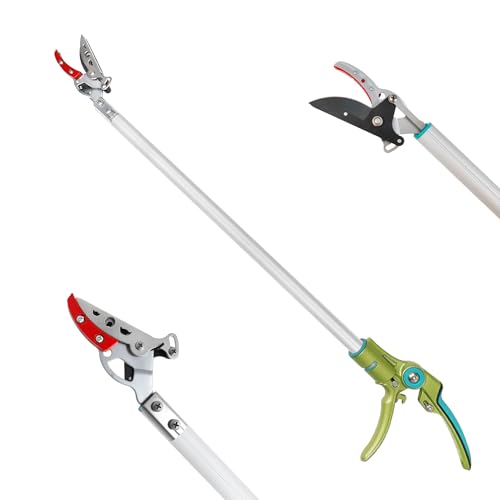
[REACH HIGH & STAY SAFE](No Ladder Required) Say goodbye to wobbly ladders! This 32inch long reach pole pruner offers an extra 30 inches of safe reach, allowing you to prune high branches or tall fruit trees while standing firmly on the ground. It’s the perfect extension tool for maintaining your backyard without the risk of falling.

Sharp saw: This pruning head with sharp saw blade and hedge clipper, easy to cut your shrubs, bushes, grass and branches, please take care of yourself in using.
Weather Conditions
Weather conditions play a crucial role in the success of April pruning. Late frosts can occur in spring, risking damage to freshly pruned branches. If temperatures drop after pruning, the exposed areas may struggle to heal, leaving trees vulnerable to diseases. Monitor local forecasts and consider postponing pruning if a cold snap is predicted. Trees such as peach may suffer if buds are trimmed before they mature, so timing is essential.
Common Mistakes to Avoid
Avoiding common mistakes is key to effective pruning. Many people prune too late into the growing season, which can hinder fruit production. Others may remove too many branches, weakening the tree’s structure and growth. Here are a few tips:
- Identify the right branches to prune, focusing on dead or crowded ones.
- Avoid making cuts too close to the trunk, as this can hinder healing.
- Don’t neglect cleanup; discarded debris can harbor pests and diseases.
By recognizing these risks and challenges, you can prune your fruit trees effectively in April, ensuring their health and productivity.
Conclusion
Pruning your fruit trees in April can be a great way to boost their health and productivity. By understanding the specific needs of your trees and following the right techniques, you can encourage growth and improve air circulation.
Just remember to keep an eye on the weather and avoid pruning during late frosts to protect your trees. With a little care and attention, you’ll set your garden up for a fruitful season ahead. Happy pruning!
Frequently Asked Questions
Is April a good time to prune fruit trees?
Yes, April can be a suitable time to prune certain fruit trees, especially if you’re aiming to enhance growth and fruit yield. However, the timing varies by tree type. It’s essential to know when to prune specific trees for the best results.
What pruning techniques should I use?
Common pruning techniques include thinning, heading, crown reduction, and cleaning. Each technique helps improve air circulation, light exposure, and the tree’s overall shape, while minimizing disease risk.
Which fruit trees should be pruned in April?
Generally, apple and pear trees are pruned in early spring. Peach trees benefit from pruning just before bud break. Sweet cherries are pruned in late winter, while tart cherries are best pruned in summer after harvest.
What tools do I need for pruning?
Essential pruning tools include hand pruners, loppers, pruning saws, gloves, safety goggles, and optionally, wound sealant. Using the right tools ensures effective and safe pruning.
How do I properly prune my fruit trees?
Begin by assessing the tree for dead or damaged branches. Make cuts at a 45-degree angle, thin branches sparingly, and avoid over-pruning. After pruning, clean up any debris to prevent disease.
What risks should I be aware of when pruning in April?
Risks of pruning in April include late frosts damaging freshly pruned branches and increasing vulnerability to diseases. It’s crucial to monitor local weather forecasts and adjust your pruning schedule accordingly.
What mistakes should I avoid while pruning?
Avoid pruning too late in the season, removing too many branches, and neglecting cleanup, as these can lead to disease and pest problems. Prune conservatively to promote healthy growth.
