

Have you ever wondered how often banana trees produce their delicious fruit? If you’ve got a green thumb or just love the idea of growing your own bananas, knowing their fruiting cycle is key. It can be frustrating to wait and wonder when you’ll finally get to enjoy those sweet, yellow treats.
Key Takeaways
- Fruiting Cycle: Banana trees typically bear fruit every 9 to 15 months, with most varieties, like Cavendish, producing within 12 months.
- Growing Conditions: Optimal growth requires warm temperatures (75°F to 95°F), full sun exposure, well-drained soil, and consistent watering practices.
- Varietal Differences: Different banana varieties, such as Dwarf Brazilian and Red Banana, have varying maturity times and characteristics.
- Signs of Ripeness: Harvest bananas when their skin changes color, appears plump, has a slight softness, and the flower dries out.
- Common Challenges: Pests, diseases, and environmental factors like temperature and sunlight can affect banana production; effective management is crucial.
- Best Harvesting Practices: Use proper tools, cut at the right angle, and handle bananas gently to ensure quality yields and plant health.
Understanding Banana Trees
Banana trees are fascinating plants, known for their vibrant foliage and delicious fruit. Understanding their characteristics and requirements is crucial for successful cultivation.
Types of Banana Trees
Several varieties of banana trees exist, each with unique features:
- Cavendish: This most common type thrives in commercial farming, producing sweet, sturdy fruit.
- Dwarf Brazilian: Smaller in stature, this variety bears fruit quickly and fits well in limited spaces.
- Red Banana: Notable for its reddish skin, this type offers a sweet, creamy taste and is typically smaller.
- Blue Java: Known as the “ice cream banana,” it produces silvery-blue fruit with a soft, sweet flavor.
Understanding the diversity of banana trees helps you choose the right variety for your growing conditions and preferences.
Growing Conditions for Banana Trees
Banana trees thrive in warm, tropical climates. Here are key factors for successful growth:
- Temperature: Aim for temperatures between 75°F and 95°F (24°C to 35°C) for optimal growth.
- Sunlight: Ensure your tree receives full sun for at least six hours a day. This promotes healthy growth and fruit production.
- Soil: Use well-drained soil with plenty of organic matter. A pH of 5.5 to 7.0 is ideal.
- Watering: Keep the soil moist but not waterlogged. Weekly watering is generally sufficient, but adjust based on rainfall and temperature.
Creating the right conditions can enhance the fruiting cycle, leading to better yields.
Fruit-Bearing Cycle of Banana Trees
Banana trees typically bear fruit once every 9 to 15 months after planting. Understanding this cycle is essential for anyone planning to grow bananas.
Recommended Products
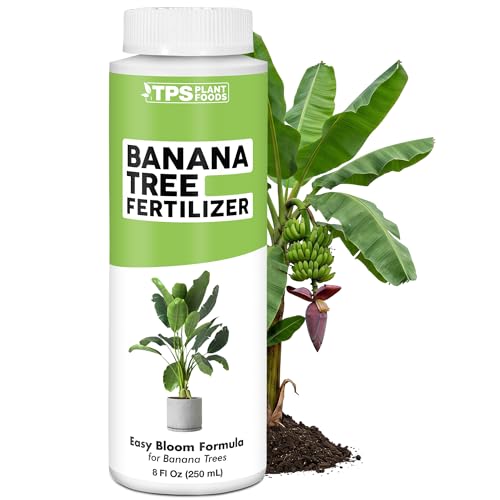
Made for Banana Trees – Specially formulated banana fertilizer designed to support the nutrient needs of banana plants.

PREMIUM FUEL LIQUID FERTILIZER: Wellspring Gardens Banana Fuel Liquid Fertilizer Concentrate provides a quality nutrient blend with minor elements that could grow your plants. Its 3-1-6 formula ratio is the ideal fertilizer ration according to University of Florida which is what our product is made of.

2X MORE VALUE: The 16 oz bottle of Banana Plant Fertilizer makes 16 gallons of banana fertilizer for fruit trees, while the bigger size 32 oz bottle makes 32 gallons for lasting care of your banana trees.
How Often Do Banana Trees Bear Fruit?
Banana plants produce a large bunch of bananas once they reach maturity. This process varies depending on the variety, climate, and care. Most varieties, like Cavendish, yield fruit within 12 months. Dwarf Brazilian varieties often produce fruit in about 9 months, while red bananas usually take up to 15 months. After harvest, the cycle restarts as the plant develops new pups, or shoots, that lead to the next generation of banana trees.
Factors Affecting Fruit Production
Several factors influence how often banana trees bear fruit:
- Climate: Warm temperatures around 80°F to 90°F (27°C to 32°C) optimize fruit production. Cold temperatures can delay growth.
- Watering: Regular watering supports healthy growth. Soil moisture should be consistent but not soggy.
- Soil Type: Well-draining, nutrient-rich soil promotes banana tree health. Soil pH between 5.5 and 7.0 is ideal.
- Sunlight: Full sun exposure for at least 6 hours per day enhances fruit development. Lack of sunlight slows growth.
- Fertilization: Balanced fertilization, with adequate potassium, strengthens fruit production. Organic fertilizers can improve soil health and yield.
By paying attention to these factors, you can boost the frequency and quality of your banana harvests.
Harvesting Banana Fruits
Harvesting banana fruits involves recognizing the signs of ripeness and following best practices to ensure quality yields. Timing plays a crucial role in enjoying the best flavor and texture of your bananas.
Recommended Products

Banana knife offers consistent flexibility without breakage

High quality 12-inch blade machete knife. Our survival knife is made of black coated 440C stainless steel which provides super sharp cutting performance and high durability, while the saw handle of machette is covered with the rubber for comfortable and continuous usage. The multifunctional sheath is made of heavy duty nylon cordura fabric.

IDEAL FOR HARVESTING: Includes (1) Fiskars Harvesting Knife with hard plastic sheath and belt loop; perfect for thick stalks and stems, ensuring clean and precise cuts with ease in vegetable gardens and orchards; backed by a Lifetime Warranty
Signs of Ripeness
Identifying when bananas are ripe is key to successful harvesting. Look for the following signs:
- Color Change: The fruit’s skin transitions from green to yellow. Some varieties may display a reddish hue when ripe.
- Puffing: The fruit will appear plump and slightly full, indicating sufficient growth.
- Softness: A gentle squeeze reveals a slight give, signaling that the bananas are ready to be picked.
- Flower Drying: The flower end, known as the “pistol,” dries out once the fruit has matured.
Checking these signs helps ensure you harvest at the right time for maximum sweetness.
Best Practices for Harvesting
Following optimal techniques for harvesting bananas can enhance your results. Consider these practices:
- Use Proper Tools: Employ a sharp knife or machete for clean cuts. Avoid damaging the stalk to ensure future growth.
- Harvest in Dry Conditions: Select a dry day for harvesting. This minimizes the risk of disease during handling.
- Handle with Care: Gently lower the bunch to avoid bruising. Place them carefully in a container or basket.
- Cut at the Right Angle: Cut the stalk at a downward angle to prevent water from pooling, which can lead to rot.
These tips ensure you enjoy fresh and delicious bananas while promoting the health of your plants for future harvests.
Common Challenges in Banana Cultivation
Banana cultivation presents various challenges that can affect fruit production. Understanding these challenges helps you manage your banana trees effectively.
Pests and Diseases
Pests and diseases significantly impact banana trees. Common pests include:
- Banana Weevil: A destructive pest that burrows into the plant’s pseudostems and corm, weakening the plant.
- Spider Mites: These tiny pests suck sap from leaves, leading to discoloration and reduced growth.
- Nematodes: Microscopic worms that attack roots and can cause significant damage.
Many diseases also threaten banana plants, such as:
- Panama Disease: A soil-borne fungus that attacks the vascular system, making it critical to plant resistant varieties like Cavendish.
- Black Sigatoka: A leaf spot disease caused by a fungus, reducing photosynthesis and overall plant health.
Implementing integrated pest management strategies—like using natural predators and resistant varieties—can help minimize these threats effectively.
Environmental Factors Influencing Yield
Environmental factors play a crucial role in banana production. Key conditions to monitor include:
- Temperature: Banana trees thrive in temperatures between 75°F and 95°F. Prolonged exposure to temperatures below 50°F can stunt growth.
- Sunlight: Adequate sunlight is essential; aim for at least 10 to 12 hours of direct light each day to promote healthy growth.
- Soil Type: Well-draining, nutrient-rich soil supports optimal growth. Aim for sandy loam or clay loam with a pH of 5.5 to 7.0.
- Watering: Consistent moisture levels help prevent stress. Water the plants weekly, especially during dry spells.
Monitoring these factors helps ensure that your banana trees remain healthy and productive.
Conclusion
Growing banana trees can be a rewarding experience when you understand their fruiting cycle. With the right care and conditions you can enjoy fresh bananas every 9 to 15 months. Keep an eye on factors like temperature sunlight and soil moisture to maximize your harvest.
Recognizing the signs of ripeness will help you pick the best fruit while taking care of your plants ensures they’ll continue to thrive. By staying mindful of pests and diseases you can protect your banana trees and enjoy a bountiful yield for years to come. Happy gardening and may your banana trees flourish!
Frequently Asked Questions
How often do banana trees produce fruit?
Banana trees typically bear fruit every 9 to 15 months after planting. Most varieties, like Cavendish, yield fruit in around 12 months, while Dwarf Brazilian varieties can produce in about 9 months, and red bananas may take up to 15 months.
What conditions are ideal for growing banana trees?
Ideal growing conditions include warm temperatures between 75°F and 95°F, 10 to 12 hours of direct sunlight daily, well-draining nutrient-rich soil, and consistent moisture. Adequate fertilization is also important for healthy growth and fruit production.
What are the signs that bananas are ripe for harvest?
Key signs of ripeness include a color change from green to yellow, puffiness of the fruit, slight softness when squeezed, and a drying flower end. Recognizing these indicators helps ensure quality yields.
How can I prevent pests and diseases in banana cultivation?
Implementing integrated pest management strategies is essential. Use natural predators, opt for resistant varieties, and monitor plants frequently for signs of pests like banana weevils and diseases such as Panama disease.
What should I do to ensure better banana yields?
To enhance yields, maintain warm temperatures, ensure consistent soil moisture, provide nutrient-rich soil, and ensure adequate sunlight. Balanced fertilization and monitoring these factors are key to successful banana cultivation.
