

Have you ever dreamed of plucking fresh fruit from your own backyard but thought you didn’t have the space? You’re not alone. Many people face the challenge of limited gardening space, but growing fruit trees in pots is a fantastic solution.
Key Takeaways
- Choose the Right Varieties: Select dwarf fruit trees like apples, figs, and citrus that thrive in pots and are suitable for your hardiness zone.
- Pot Selection and Soil: Use containers with drainage holes, at least 12-24 inches in diameter, and fill them with high-quality, well-draining potting soil.
- Proper Planting Techniques: Plant correctly by ensuring the topmost roots are even with the soil surface, packing the soil to remove air pockets, and watering thoroughly after planting.
- Regular Care and Maintenance: Establish a consistent watering and fertilizing routine, prune your trees annually, and monitor for nutrient deficiency signs.
- Harvesting at the Right Time: Recognize when your fruits are ripe by observing color, texture, and aroma, and use proper harvesting techniques to avoid damage.
- Enjoy the Process: Celebrate the joy of growing fruit trees in pots by sharing and savoring your homegrown produce, enhancing your gardening experience.
Choosing the Right Fruit Trees
Selecting suitable fruit trees is essential for success in a pot. Consider factors like size, growing conditions, and fruiting preferences. Opt for varieties that thrive in containers while producing delectable fruit.
Popular Fruit Trees for Container Growth
- Dwarf Apple Trees: These trees can produce full-sized apples in limited space. Popular varieties include ‘Honeycrisp’ and ‘Fuji’.
- Figs: Fig trees, such as ‘Brown Turkey’ and ‘Celeste’, grow well in pots and provide sweet fruit with minimal care.
- Citrus Trees: Varieties like ‘Improved Meyer Lemon’ and ‘Calamondin Orange’ flourish in pots, offering fragrant blooms along with juicy fruit.
- Cherries: Dwarf cherry trees, such as ‘Stella’, thrive in containers and yield delicious cherries, perfect for snacking or baking.
- Peaches: Varieties like ‘Contender’ can produce juicy fruit in small spaces, making them ideal for pot cultivation.
- Space Requirements: Choose varieties with manageable growth characteristics. Trees with heights between 3 to 8 feet typically fit well in most pots.
- Climate Adaptability: Select fruit trees suited to your hardiness zone. This ensures proper growth and fruit production.
- Pollination Needs: Some trees require pollinators to produce fruit. Verify if your chosen variety needs a companion plant for best yields.
- Maintenance Level: Consider your gardening experience. Some trees demand more care; for instance, citrus often needs more attention than figs.
- Growth Habit: Assess whether the tree’s growth pattern fits the available pot size. Wide-spreading varieties may require larger containers.
Choosing the right fruit tree significantly impacts your container gardening success. Prioritize trees suited to your conditions and preferences for a rewarding experience.
Essential Potting Supplies
Gathering the right supplies is key to successfully growing fruit trees in pots. You’ll need specific items to ensure healthy growth and fruit production.
Recommended Products

Made For Potted Citrus Trees: Our citrus potting soil mix is made for potted lemon, lime, orange and other citrus trees that need a lighter growing medium for repotting. We double-screen all of our raw ingredients to support a cleaner, more consistent texture for pouring and repotting potted citrus trees.

Enriched with Organic Fertilizer – This lemon tree fertilizer provides nutrients for up to 6 months, so your citrus trees stay healthy and productive with minimal upkeep.

INDOOR GROWING: Growing indoors is easy under the right conditions; Miracle-Gro Houseplant Potting Mix is an indoor plant potting soil that combines key elements container plants need to thrive
Selecting the Right Pots
Choose pots that fit the size and type of fruit tree. Use containers made of plastic, clay, or resin, all of which have their advantages. Ensure the pot is at least 12-18 inches in diameter for small trees like dwarf apples or cherries. Larger trees, such as citrus varieties, require pots between 18-24 inches. Verify that pots have drainage holes to prevent waterlogging. Consider using decorative pots with interior liners for aesthetics that still supply adequate drainage.
Soil and Drainage Requirements
Opt for high-quality potting soil designed for fruit trees. This soil should be well-draining yet moisture-retaining. Mix in perlite or coarse sand to enhance drainage, especially if using heavy soil blends. Aim for a soil pH of 6.0 to 7.0, ideal for most fruit trees. Check that the pot’s bottom is equipped with a layer of gravel or a pot shard to promote drainage and prevent clogging of holes. Regularly inspect moisture levels; soil should dry out slightly between waterings.
Planting Fruit Trees in Pots
Planting fruit trees in pots requires careful preparation and attention to detail. Follow these guidelines to ensure successful growth and fruitful harvests.
Recommended Products

Material:Made from quality plastic material,which is lightweight and reusable. The wall of the nursery pot is thin but durable to use repeatedly.

【Good Flexibility】High-quality PE seedling bags are good flexibility and not easy to break when pulled. It doesn’t fall apart when you move it from place to place.

【Package and Size】:You will receive 50pcs black deep seeding pots and 3 pcs garden tools,the quantity can meet most of your planting needs and garden tools are ideal for potted plants.The Nursery containers height is 12 inches,opening diameter 4 inch ,bottom diameter 2.3 inches,perfect size for indoor outdoor plants,vegetables and fruits etc.
Preparing the Pot and Soil
Choose a pot that’s appropriate for your fruit tree. For small trees, select pots with a diameter of at least 12-18 inches. Larger varieties need pots that are 18-24 inches wide. Ensure the pot has drainage holes to prevent waterlogging.
Use high-quality potting soil designed for container gardening. This soil should be well-draining yet capable of retaining moisture. Mix in organic matter, such as compost, to enhance nutrient availability. A layer of gravel or pot shards at the bottom of the pot improves drainage and promotes healthy root development.
Planting Techniques and Tips
Begin by positioning your pot in a location receiving full sunlight for at least six hours daily.
- Fill the pot with prepared soil, leaving about two inches at the top.
- Remove the fruit tree from its nursery container, gently loosening any tightly bound roots, as this encourages proper growth.
- Place the tree in the center of the pot, ensuring the topmost roots are level with the soil surface.
- Fill in around the roots with additional potting soil, gently pressing it down to eliminate air pockets.
- Water the tree thoroughly after planting to settle the soil and provide initial moisture.
- Apply a layer of mulch on top of the soil to help retain moisture and regulate temperature.
Consider using slow-release fertilizers during the growing season to support healthy tree development. Regularly check soil moisture, watering as necessary to keep the soil consistently damp but not soggy.
Care and Maintenance
Maintaining healthy fruit trees in pots requires attention to watering, fertilizing, pruning, and training practices. Following proper care methods enhances growth and fruit production.
Recommended Products
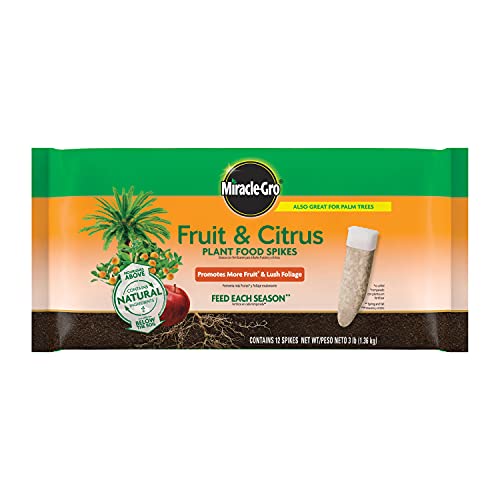
FORMULATED FOR CITRUS AND FRUIT TREES: Use these citrus fertilizer spikes on apple, orange, lemon, lime, and avocado trees; this formula is also great for feeding palm trees

★ 1. What you get: Professional convenient grafting tool set including a dual-use grafting pruner tool contain 2 extra replaceable blades, a wrench and a screwdriver, along with 36pcs wide rubber bands, 150 thick rubber bands and 1 grafting tape, packed in a black wallet to meet all your needs

[Cut & Hold Pole Pruner for Tree Trimming] This long reach cut and hold pruner makes it easy to grip and remove branches, flowers, or fruit without dropping them. Perfect as a pole fruit picker for harvesting lemons, oranges, apples, or persimmons, and for trimming shrubs and bushes without climbing a ladder.
Watering and Fertilizing
Watering fruit trees in pots requires a regular schedule. Ensure soil remains consistently moist but not waterlogged. Check soil moisture by inserting a finger about an inch deep; if it feels dry, water the tree. During warmer months, containers might need daily watering, especially if they’re exposed to full sun.
Fertilizing supports growth and fruiting. Use a balanced, slow-release fertilizer during the growing season. Apply it according to package instructions, typically every six to eight weeks. Watch for signs of nutrient deficiency, such as yellowing leaves or stunted growth, and adjust your fertilizing routine accordingly. Consider organic options like compost or fish emulsion as well for additional nutrients.
Pruning and Training Your Trees
Pruning keeps your fruit trees healthy and encourages new growth. Aim to prune in late winter or early spring. Remove dead or diseased branches first, then cut back excessive growth to encourage airflow. Maintain the tree’s shape by ensuring an open center that allows sunlight to reach all branches.
Training involves directing the growth patterns of your trees. Use stakes or trellis systems as needed to support taller varieties. Gently tie branches to structure when necessary, guiding them towards desired shapes. This practice not only supports fruit production but also enhances aesthetics, creating a beautiful patio or garden display. Regularly check for new growth and continue to adjust supports and ties as needed.
Harvesting and Enjoying Your Fruit
Harvesting fruits from your potted trees becomes an exciting reward for your gardening efforts. Understanding when and how to pick your fruit ensures maximum flavor and quality.
Recognizing Ripeness
Recognizing ripeness is crucial for enjoying the best fruit. Each type of fruit tree exhibits specific signs that indicate readiness for harvest.
- Dwarf Apple Trees: Look for a slight give when gently squeezed. The color should be vibrant and well-developed.
- Figs: Figs usually droop when ripe. A change in color signifies readiness; they shouldn’t feel firm.
- Citrus Trees: The fruit will develop a deeper color and be slightly soft. Taste testing is effective here.
- Dwarf Cherries: Look for a rich color and a firm yet gentle texture. Cherries usually detach easily from the stem when ripe.
- Peaches: Peaches emit a sweet aroma and offer slight softness near the stem.
Check your fruit regularly during its growing season, paying attention to color, texture, and aroma. A daily inspection during peak fruiting times ensures you don’t miss the perfect moment.
Best Practices for Harvesting
Implementing best practices for harvesting enhances your experience and prevents damage to the fruit and tree.
- Use Clean Tools: Sterilize your pruning shears or scissors to avoid transferring any diseases.
- Handle Gently: Grasp the fruit carefully to avoid bruising. Support it while twisting gently to detach.
- Pick at the Right Time: Harvest early in the morning for cooler temperatures, which ensures freshness.
- Store Properly: Place harvested fruits in a cool, dry location. Avoid washing them until ready to eat to prolong shelf life.
- Mulch After Harvest: Refreshing the mulch layer around your pots supports tree health during the recovery period after fruiting.
Enjoying your homegrown fruits can be a delightful experience. Share with friends, incorporate into recipes, or savor each fruit fresh from the tree. Remember, your efforts reduce the distance between source and table, making the rewards truly special.
Conclusion
Growing fruit trees in pots can bring a slice of nature right to your home. With the right selection and care you’ll not only enjoy fresh fruits but also the joy of nurturing your plants. Remember to keep an eye on their needs and make adjustments as necessary.
As you watch your trees thrive you’ll find that the effort you put in pays off with delicious rewards. So grab those pots and get started on your fruit-growing journey. Your taste buds will thank you for it!
Frequently Asked Questions
Can I grow fruit trees in pots?
Yes, you can grow fruit trees in pots. Many varieties, like dwarf apples and figs, thrive in containers, making them perfect for small spaces. Choose the right size pot and tree variety to ensure healthy growth.
What types of fruit trees are suitable for container gardening?
Dwarf varieties are ideal for containers. Popular options include dwarf apple trees, figs, citrus trees, cherries, and peaches, all of which can adapt well to pot growth.
How do I choose the right pot for my fruit tree?
Select pots that are at least 12-18 inches for small trees and 18-24 inches for larger varieties. Ensure they have drainage holes to prevent overwatering.
What type of soil is best for potted fruit trees?
Use high-quality potting soil that retains moisture while allowing for good drainage. A mix with organic matter provides essential nutrients for tree growth.
How should I care for fruit trees in pots?
Regular care includes consistent watering, fertilizing with slow-release options, and pruning. Monitor soil moisture and adjust care as needed, ensuring trees remain healthy.
When is the best time to prune fruit trees in pots?
The ideal time for pruning potted fruit trees is late winter or early spring. This helps maintain their shape and health, promoting better fruit production.
How can I tell when my fruit is ripe for harvesting?
Check for color, texture, and aroma to determine ripeness. Different fruits may have specific signs, so familiarize yourself with the characteristics of each type.
What are some best practices for harvesting fruit from potted trees?
Use clean tools to harvest gently, avoiding damage to the fruits. Store harvested fruits properly to maintain freshness and enjoy the rewards of your gardening efforts.
