
Close Menu
    Fruit Tree Hub
    • Home
    • Apple Trees
    • Lemon Trees
    • Mango Trees
    • Orange Trees
    • More Trees
      • Best Fruit Trees
      • Apricot Trees
      • Cherry Trees
      • Fig Trees
      • Lime Trees
      • Mulberry Trees
      • Peach Trees
      • Pear Trees
      • Plum Trees
      • Pomegranate Trees
    • Tips and Advice
      • Tools
    • About Us
      • Contact
      • Privacy Policy
    Fruit Tree Hub
    Home»Tips and Advice»How Long Do Persimmon Trees Bear Fruit: A Guide to Maximizing Your Harvest
    Tips and Advice

    How Long Do Persimmon Trees Bear Fruit: A Guide to Maximizing Your Harvest

    Martha JacksonBy Martha JacksonDecember 6, 20247 Mins Read
    Share Facebook Twitter Pinterest WhatsApp Email
    Share
    Facebook Twitter LinkedIn Pinterest Telegram Email

    Have you ever wondered how long it takes for a persimmon tree to start bearing fruit? If you’re thinking about planting one or already have a tree in your garden, knowing its fruit-bearing timeline can make all the difference.

    Contents show
    1 Key Takeaways
    2 Overview Of Persimmon Trees
    2.1 Characteristics
    2.2 Fruit Development
    2.3 Factors Influencing Fruit Production
    2.4 Care and Maintenance
    3 Factors Affecting Fruit Production
    3.1 Tree Age and Maturity
    3.2 Variety of Persimmon
    4 Timeline Of Fruit Production
    4.1 Initial Fruit Bearing
    4.2 Peak Production Years
    5 Maintenance For Optimal Yield
    5.1 Pruning Techniques
    5.2 Soil and Water Requirements
    6 Conclusion
    7 Frequently Asked Questions
    7.1 How long does it take for persimmon trees to bear fruit?
    7.2 What are the main types of persimmon trees?
    7.3 What factors influence fruit production in persimmon trees?
    7.4 What care do persimmon trees need for optimal fruit production?
    7.5 When is the best time to prune persimmon trees?
    7.6 How can I manage soil for persimmon trees?
    7.7 What are the characteristics of persimmon fruit?

    Key Takeaways

    • Fruit-Bearing Timeline: Persimmon trees typically start bearing fruit between three to five years after planting, with peak production occurring around ages 10 to 15.
    • Variety Matters: Asian persimmons tend to bear fruit sooner (within 3-6 years) than American persimmons, which may take longer to mature.
    • Age and Maturity: The age of the tree significantly influences fruit production; younger trees produce fewer fruits, while mature trees can yield dozens to hundreds of fruits per season.
    • Essential Care: Proper care, including consistent watering, fertilizing in early spring, and regular pruning, is crucial for maximizing yields.
    • Optimal Growing Conditions: Persimmons thrive in well-drained soils and require adequate sunlight, water, and nutrient management for healthy growth and fruiting.
    • Pruning Practices: Regular pruning during the dormant season supports tree health and enhances fruit production by improving airflow and sunlight exposure.

    Overview Of Persimmon Trees

    Persimmon trees thrive in various climates but prefer well-drained soils and full sunlight. You can choose between two main types: the American persimmon (Diospyros virginiana) and the Asian persimmon (Diospyros kaki).

    MUST READ
    Do All Fruit Trees Flower: Understanding How Different Trees Approach Fruiting

    Characteristics

    Persimmon trees can grow between 15 to 25 feet tall. The trees produce attractive yellow, orange, or red fruits that ripen in the fall. Leaves turn vibrant shades in autumn, adding beauty to your garden.

    Fruit Development

    Generally, persimmons start to bear fruit around three to five years after planting. Some trees produce sooner, while others might take longer. After establishment, trees can bear fruit for several decades, with peak production typically occurring around the age of 10 to 15 years.

    Factors Influencing Fruit Production

    Several factors impact the fruit-bearing timeline for persimmon trees:

    • Age of the Tree: Younger trees may take longer to produce fruit, while mature trees yield consistently.
    • Variety: Different varieties have varying timelines. For instance, Asian persimmons often bear fruit sooner than their American counterparts.
    • Growing Conditions: Adequate sunlight, water, and nutrients enhance fruit production.

    Care and Maintenance

    Proper care ensures better yields:

    • Watering: Regular watering during dry spells promotes healthy growth.
    • Fertilizing: Applying a balanced fertilizer in early spring supports fruit production.
    • Pruning: Regular pruning helps maintain tree health and encourages fruitful branches.

    Understanding these aspects aids your preparation for growing persimmon trees, ensuring a fruitful harvest in the years to come.

    Factors Affecting Fruit Production

    Understanding the factors that affect persimmon trees’ fruit production helps ensure a bountiful harvest. Consider these elements:

    Recommended Products

    TomorrowSeeds - Japanese Persimmon Tree Seeds - 30+ Count - for 2026 Planting Diospyros Kaki Fuyu Hachiya Asian Chinese Oriental Sharon Perennial Fruit Grow Your Own Home Farm Patio Healthy
    TomorrowSeeds - Japanese Persimmon Tree Seeds - 30+ Count - for 2026 Planting Diospyros Kaki Fuyu Hachiya Asian Chinese Oriental Sharon Perennial Fruit Grow Your Own Home Farm Patio Healthy

    Produces sweet and flavorful Kaki Persimmons that can be eaten fresh or dried
    VIEW LATEST PRICE

    As an affiliate, we earn on qualifying purchases.

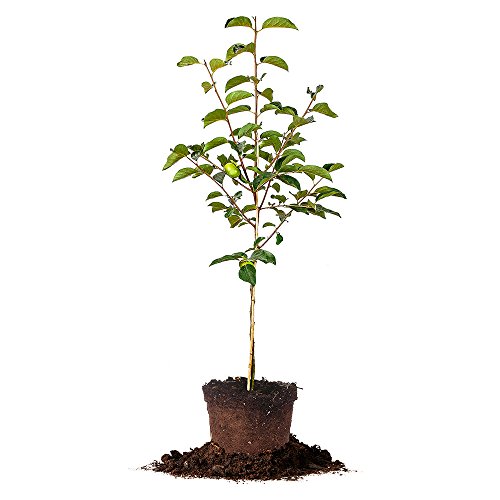
    Perfect Plants Fuyu Asian Persimmon Tree Live Plant, Produces Fruit, 3-4 ft, Self-Pollinating
    Perfect Plants Fuyu Asian Persimmon Tree Live Plant, Produces Fruit, 3-4 ft, Self-Pollinating

    The Fuyu Persimmon is a non-astringent, sweet, delicious treat

    VIEW LATEST PRICE

    As an affiliate, we earn on qualifying purchases.

    Mixrug 30+ Organic Fuyu Persimmon Seeds for Planting Outdoors,Diospyros Seeds Non-GMO Heirloom,Cold Hardy Fruit Tree Seed High Germination for Home Outdoor Garden
    Mixrug 30+ Organic Fuyu Persimmon Seeds for Planting Outdoors,Diospyros Seeds Non-GMO Heirloom,Cold Hardy Fruit Tree Seed High Germination for Home Outdoor Garden

    Cold Hardiness: Cold hardy Diospyros seeds survive temperatures down to 10°F once established; Suitable for growing in USDA zones 7-10; More tolerant of temperature fluctuations than many other fruit trees

    MUST READ
    What Fruit Did Eve Eat Off the Tree: Uncovering the Mystery Behind the Choice
    VIEW LATEST PRICE

    As an affiliate, we earn on qualifying purchases.

    Tree Age and Maturity

    Tree age plays a crucial role in fruit production. Young trees, typically between three to five years old, may produce a limited number of fruits. As trees mature, usually around ten to fifteen years, fruit yield increases significantly. Mature trees can produce dozens of fruits each season. Best practice involves patience; give your tree time to reach its full potential while providing regular care.

    Variety of Persimmon

    Different persimmon varieties also impact fruiting timelines. American persimmons (Diospyros virginiana) tend to mature more slowly compared to Asian persimmons (Diospyros kaki). Asian varieties often bear fruit within three to six years, while American types may take longer. Popular Asian varieties like Fuyu and Hachiya are known for their high yields and tastiness. When selecting a variety, consider your climate and space to optimize fruit production.

    Timeline Of Fruit Production

    Understanding the timeline of fruit production for persimmon trees helps you plan better for their care and expected harvest. The fruiting timeline varies based on tree age and variety.

    Recommended Products

    10+ Japanese Persimmon Tree Seeds Fuyu Persimmon Diospyros Kaki Fruit Seed Garden Planting
    10+ Japanese Persimmon Tree Seeds Fuyu Persimmon Diospyros Kaki Fruit Seed Garden Planting

    These fruit tree seeds for planting promise plentiful crops of delicious fruits.

    VIEW LATEST PRICE

    As an affiliate, we earn on qualifying purchases.

    Perfect Plants Fuyu Jiro Persimmon Tree 4-5 Feet | Live Fruit Trees for Outdoor Planting | Oriental Persimmons are Easy to Grow | Huge Orange Fruits for Fresh Eating or Preserves
    Perfect Plants Fuyu Jiro Persimmon Tree 4-5 Feet | Live Fruit Trees for Outdoor Planting | Oriental Persimmons are Easy to Grow | Huge Orange Fruits for Fresh Eating or Preserves

    GET FRUIT IN THE FIRST YEAR — Mature Trees Flower & Produce After 1-3 Years

    VIEW LATEST PRICE

    As an affiliate, we earn on qualifying purchases.

    Perfect Plants Hana Fuyu Persimmon Tree 4-5 Feet | Diospyros kaki Live Fruit Trees for Outdoor Planting | Sweet Orange Fruits for Fresh Eating | Beautiful Fall Colored Foliage
    Perfect Plants Hana Fuyu Persimmon Tree 4-5 Feet | Diospyros kaki Live Fruit Trees for Outdoor Planting | Sweet Orange Fruits for Fresh Eating | Beautiful Fall Colored Foliage

    SEEDLESS EDIBLE FRUIT — Exotic & Tropical Taste Tantalizes the Senses in Delight

    MUST READ
    How Long Do Papaya Trees Take to Fruit and Tips for Speeding Up the Process
    VIEW LATEST PRICE

    As an affiliate, we earn on qualifying purchases.

    Initial Fruit Bearing

    Persimmon trees typically start producing fruit between three to five years after planting. New trees may offer limited yields. For example, a three-year-old tree may bear only a few fruits. After this initial phase, as your tree matures, the quantity increases significantly. Regular care, including proper watering and fertilizing, supports early production.

    Peak Production Years

    Peak production for persimmon trees occurs around 10 to 15 years of age. During this period, mature trees can yield dozens, often up to hundreds, of fruits each season. Varieties, such as Fuyu and Hachiya, known for high yields, can produce fruit abundantly. To maximize production, continue providing your trees with appropriate care throughout the years, ensuring they thrive and remain healthy.

    Maintenance For Optimal Yield

    Maintaining persimmon trees is crucial for maximizing fruit yield. Regular care includes pruning and managing soil and water conditions.

    Recommended Products

    GARTOL 32 Inch Cut and Hold Pole Pruner - Lightweight Long Reach Tree Trimmer with Snip and Grip Technology, 1/2 Inch Cutting Capacity, One-Hand Use Fruit Picker for Roses, Persimmons & Tall Branches
    GARTOL 32 Inch Cut and Hold Pole Pruner - Lightweight Long Reach Tree Trimmer with Snip and Grip Technology, 1/2 Inch Cutting Capacity, One-Hand Use Fruit Picker for Roses, Persimmons & Tall Branches

    [REACH HIGH & STAY SAFE](No Ladder Required) Say goodbye to wobbly ladders! This 32inch long reach pole pruner offers an extra 30 inches of safe reach, allowing you to prune high branches or tall fruit trees while standing firmly on the ground. It’s the perfect extension tool for maintaining your backyard without the risk of falling.

    VIEW LATEST PRICE

    As an affiliate, we earn on qualifying purchases.

    WORKPRO W151010 Limb and Branch Pruner Tool Set, Heat-Treated Steel (1 Set)
    WORKPRO W151010 Limb and Branch Pruner Tool Set, Heat-Treated Steel (1 Set)

    Ideal for pruning flowers and other garden plants

    VIEW LATEST PRICE

    As an affiliate, we earn on qualifying purchases.

    alblinsy Fruit Tree Branch Puller Tying Machine Farm Tools New Plum Tree Open Angle Pull Branch stereotyped Branch Bending Tool Used to Support The Growth and Fruiting of Branches (M-3.15" 24PCS)
    alblinsy Fruit Tree Branch Puller Tying Machine Farm Tools New Plum Tree Open Angle Pull Branch stereotyped Branch Bending Tool Used to Support The Growth and Fruiting of Branches (M-3.15" 24PCS)

    Package Includes: Come with 24 pieces of fruit branch forms stronger branches. which can be used to pull the branches flat, and fruit trees can absorb sunlight, ventilation and fruitfulness.

    MUST READ
    When Do You Fertilize Fruit Trees in Arizona for Optimal Growth and Bountiful Harvests
    VIEW LATEST PRICE

    As an affiliate, we earn on qualifying purchases.

    Pruning Techniques

    Pruning fosters healthy growth and improves fruit production. You should prune your persimmon trees during their dormant season, typically in late winter. Focus on these steps:

    1. Remove Dead Branches: Cut away any dead or diseased branches to promote better airflow and sunlight exposure.
    2. Thin Out Crowded Areas: Trim excessive growth within the tree’s canopy. This practice allows more light to reach all parts of the tree.
    3. Shape the Tree: Maintain an open, vase-like shape. This structure helps the tree regain balance and improves fruit development.
    4. Limit Height: If your tree grows too tall, consider topping it. This technique controls growth and eases harvesting.

    Employ these pruning methods each year to support strong fruit set.

    Soil and Water Requirements

    Proper soil and water management is essential for persimmon trees. Here’s how to create the best conditions for your trees:

    1. Well-Drained Soil: Choose sandy loam or loamy soil. Ensure good drainage to prevent root rot. Amend heavy clay soils with organic matter to improve drainage.
    2. pH Levels: Maintain a pH level between 6.0 and 7.0. Conduct soil tests to monitor this. Adjust pH with lime or sulfur if necessary.
    3. Watering Practices: Water young trees weekly during dry spells. Mature trees need thorough watering every two to four weeks, depending on rainfall.
    4. Mulching: Apply mulch around the base of the tree. This practice retains moisture and suppresses weeds.

    Regular attention to these soil and water requirements ensures healthy persimmon trees and boosts fruit production.

    Conclusion

    Understanding the fruit-bearing timeline of persimmon trees can make your gardening experience even more rewarding. With patience and proper care you’ll soon enjoy the vibrant fruits of your labor. Remember that young trees need time to mature while established ones can produce abundantly.

    By following the right maintenance practices you can ensure your persimmon tree thrives and yields delicious fruit for many years. So whether you’re planting a new tree or nurturing an existing one keep these tips in mind for a fruitful harvest ahead. Happy gardening!

    MUST READ
    How to Grow Small Fruit Trees: Tips for Your Urban Garden and Tiny Spaces

    Frequently Asked Questions

    How long does it take for persimmon trees to bear fruit?

    Persimmon trees typically start producing fruit three to five years after planting. However, peak production usually occurs around 10 to 15 years of age, when trees can yield dozens to hundreds of fruits each season.

    What are the main types of persimmon trees?

    The two main types of persimmon trees are American persimmons and Asian persimmons. American varieties generally mature more slowly, while Asian varieties, like Fuyu and Hachiya, often bear fruit within three to six years of planting.

    What factors influence fruit production in persimmon trees?

    Fruit production in persimmon trees is influenced by the tree’s age, variety, and growing conditions. Younger trees may yield limited fruit, while mature trees produce significantly more. Proper care, including watering and fertilizing, also impacts yields.

    What care do persimmon trees need for optimal fruit production?

    To ensure optimal fruit production, persimmon trees require regular watering, proper fertilization, and appropriate pruning. It’s also essential to maintain well-drained soil and apply mulch to retain moisture and suppress weeds.

    When is the best time to prune persimmon trees?

    Pruning should be done during the dormant season to encourage healthy growth and improve fruit production. Important steps include removing dead branches, thinning crowded areas, and limiting the height of the tree for easier harvesting.

    How can I manage soil for persimmon trees?

    Persimmons thrive in well-drained sandy loam or loamy soil with a pH level between 6.0 and 7.0. Regular soil management practices, such as mulching and proper watering, help maintain soil health and boost fruit production.

    What are the characteristics of persimmon fruit?

    Persimmon fruit is known for its vibrant colors and sweet flavor. The fruit’s appearance varies between varieties, with some being round and others shaped like acorns. American persimmons tend to have a slightly astringent taste until fully ripe.

    Share. Facebook Twitter Pinterest LinkedIn Tumblr Email
    martha jackson
    Martha Jackson

      Martha Jackson is an accomplished freelance writer and editor with a strong interest in gardening. With a degree in English from the University of California, Berkeley, Martha has over 15 years of experience writing for a variety of publications. She is passionate about making gardening accessible to all and is always seeking out new techniques and innovations.

      Related Posts

      How Long Until Avocado Trees Bear Fruit and Tips for Faster Growth at Home

      February 20, 2025

      What Yellow Fruit Grows on Trees and Their Delicious Health Benefits

      February 20, 2025

      How to Air Layer Fruit Trees: A Step-by-Step Guide for Successful Propagation

      February 20, 2025

      When Do Grapefruit Trees Produce Fruit and How to Maximize Your Harvest

      February 20, 2025

      What Is a Fast Growing Fruit Tree: Discover Quick-Yield Options for Your Garden

      February 20, 2025

      Do Cherry Blossom Trees Have Fruit? Discover the Truth About Their Edibility and Benefits

      February 20, 2025
      Leave A Reply Cancel Reply

      Affiliate Disclosure

      As an Amazon Associate I earn from qualifying purchases.

      Recommended Reading

      Can Jujube Trees Survive in Wet Soil

      What Do You Use to Spray Fruit Trees for Healthy Growth and Bountiful Harvests

      How to Graft Nectarine into Peach Tree: Expert Tips for Successful Hybrid Fruit Production

      Can Guava Trees Survive in Wet Soil

      When to Pull Nectarines Off the Tree: A Guide to Perfect Harvesting

      Optimize Your Gardening Experience: How to Properly Fit a Pruner

      Do Banana Trees Only Produce Fruit Once: Discover the Truth Behind Their Life Cycle

      Should You Remove Fruit from Young Citrus Trees for Healthier Growth and Better Harvests?

      Best Fruit Trees for Central Virginia: A Gardener’s Guide to Thriving Orchards

      How to Make a Banana Tree Fruit: Tips for Growing Sweet Bananas in Your Backyard

      Fruit Tree Hub

      Fruit Tree Hub is a website dedicated to providing you everything you need to grow fruit trees successfully at in your own yard.

      Contact us at: [email protected]

      - AFFILIATE DISCLOSURE: As an Amazon Associate I earn from qualifying purchases.

      Latest Posts

      Can Olive Trees Grow in New Jersey? Garden State Growth Tips

      Can Star Fruit Trees Grow in Missouri? Expert Variety Guide

      How to Grow Jujube Trees in Las Vegas, NV: Desert Growth

      Mango Trees in Illinois: Indoor and Greenhouse Growth Secrets

      Growing Papaya Trees in Oklahoma: High Heat Resilience

      Tamarind Trees in a Pot in Ohio (Complete Maintenance Manual)

      Can Fig Trees Grow in Long Beach, CA? Coastal Salt Tips

      Plum Trees in District of Columbia (Urban Microclimate Tips)

      Categories
      • Almond Trees
      • Apple Trees
      • Apricot Trees
      • Best Fruit Trees
      • Blackberry
      • Cantaloupe
      • Cherry Trees
      • Crochet Ideas
      • Crochet Ideas for Beginners
      • Cucamelon
      • Easy Crochet Ideas
      • Easy Knitting Projects
      • Fig Trees
      • Grapefruit Trees
      • Grapes
      • Guava Trees
      • Honeydew
      • Jujube Trees
      • Kiwi
      • Knitting For Beginners
      • Knitting Ideas
      • Knitting Inspiration
      • Lemon Trees
      • Lime Trees
      • Loquat Trees
      • Mango Trees
      • Mulberry Trees
      • Nectarine Trees
      • Olive Trees
      • Orange Trees
      • Papaya Trees
      • Peach Trees
      • Pear Trees
      • Persimmon Trees
      • Planting
      • Plum Trees
      • Pomegranate Trees
      • Quince Trees
      • Raspberry
      • Reviews
      • Small Crochet Ideas
      • Star Fruit Trees
      • Summer Crochet Ideas
      • Tamarind Trees
      • Tangerine Trees
      • Tips and Advice
      • Tools
      • Uncategorized
      • Walnut Trees
      © 2026 Fruit Tree Hub
      • Home
      • About Us
      • Contact
      • Privacy Policy
      • Terms and Conditions
      • Disclaimer
      • Editorial Policy
      • Affiliate Disclosure

      Type above and press Enter to search. Press Esc to cancel.