

Have you ever wondered why your raspberry plants aren’t thriving as they should? Picture this: you’ve carefully planted your raspberry patch, eagerly awaiting a bountiful harvest, only to be met with disappointing results. If you’re facing challenges with your raspberries, it might be time to consider what you’re planting alongside them.
In this article, we’ll explore the crucial topic of what not to plant near your precious raspberries. By understanding which companions may hinder their growth and which ones can support them, you’ll set yourself up for success in your gardening endeavors. Stay tuned to discover the secrets that will help you create an optimal environment for your beloved raspberry bushes.
Key Takeaways
- Companion planting plays a crucial role in the growth and health of raspberry bushes by benefiting them with enhanced growth and productivity.
- Avoid planting allelopathic plants like mint and sunflowers near raspberries to prevent competition and hindered development.
- Be mindful of water and nutrient competitors such as corn and cucumbers that can compete with raspberries for essential resources.
- Proper spacing between plants is essential for optimal growth, with raspberry bushes needing at least 2-3 feet apart for healthy development.
- Choose suitable companions like chives, marigolds, lavender, clover, and yarrow to create a harmonious garden ecosystem that benefits your raspberry bushes.
Understanding Companion Planting
Companion planting is a gardening technique where different plants are grown near each other to benefit one another. When it comes to raspberries, understanding companion planting can play a crucial role in their growth and overall health.
Benefits for Raspberries
Planting certain companions near your raspberry bushes can enhance their growth and productivity. For instance, growing chives or garlic next to raspberries can help deter pests like aphids that might harm the raspberry plants. Additionally, planting nitrogen-fixing plants such as legumes nearby can improve soil fertility, benefiting the raspberries’ nutrient intake.
Risks and Challenges
On the flip side, some plants may not be suitable companions for raspberries. Avoid planting potatoes near raspberries as they can compete for nutrients in the soil, potentially impacting both crops’ growth. Similarly, blackberry bushes should not be planted close to raspberries as they are susceptible to similar diseases and pests, increasing the risk of infestation.
By being mindful of which plants you place near your raspberry bushes, you can create an environment that fosters their well-being and ensures a bountiful harvest.
What Not to Plant Near Raspberries
When considering companion planting for your raspberry bushes, it’s essential to be aware of what not to plant nearby. Certain plants can have adverse effects on raspberries, impacting their growth and overall health. Here are some key considerations:
Recommended Products

Berries have multiple uses; ideal for fresh eating, making jams, baking fillings, or dessert garnishes, providing homegrown ingredients for your family table.
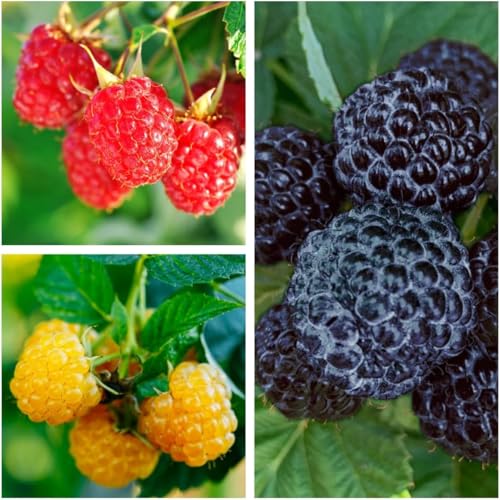
Easy to plant: Place raspberry seeds 1 inch apart on the surface of seed starting compost. Squeeze seeds. Cover seeds with a very thin layer of medium-coarse sand

Benefits of gardening: a low-cost way to become a self-sustaining family. Take care of your soil and it will take care of you. You may create a self-sufficient garden while positively impacting your physical and mental health. Be good to yourself and to the earth.
Allelopathic Plants
Certain plants release chemicals that inhibit the growth of other plants around them, a phenomenon known as allelopathy. When planting near raspberries, it’s crucial to avoid allelopathic plants that could hinder their development. Examples of allelopathic plants that should not be planted near raspberries include:
- Mint: Known for its aggressive spread and allelopathic properties.
- Sunflowers: Can release toxins through their roots that affect neighboring plants.
By avoiding these allelopathic plants near your raspberry bushes, you can prevent unwanted competition and ensure optimal growth conditions.
Water and Nutrient Competitors
Plants that are heavy feeders or require large amounts of water can compete with raspberries for essential resources like nutrients and moisture. To avoid stunting the growth of your raspberry bushes, steer clear of water and nutrient competitors such as:
- Corn: A high-demand crop that may deplete soil nutrients needed by raspberries.
- Cucumbers: Known for their extensive root systems that can compete with raspberries for water.
By being mindful of the water and nutrient needs of neighboring plants, you can create a harmonious growing environment for your raspberry bushes and maximize their productivity.
Recommended Distance Between Plants
When planting near raspberries, it’s crucial to consider the recommended distances between plants. Proper spacing ensures optimal growth and reduces competition for essential resources like nutrients and water. Here are some guidelines to help you plan your garden efficiently:
- Raspberries: Plant raspberry bushes at least 2-3 feet apart to allow for adequate airflow and sunlight penetration, promoting healthy growth.
- Companion Plants: When choosing companion plants, ensure they are placed strategically to maximize their benefits without overcrowding the raspberry bushes.
- Allelopathic Plants: Keep allelopathic plants like mint or sunflowers at a distance of 4-6 feet from raspberries to prevent any negative interactions that may hinder growth.
By following these spacing recommendations, you can create a harmonious environment for your raspberry bushes, allowing them to thrive and produce bountiful harvests.
Recommended Products

Everbearing Variety: Enjoy two harvests of sweet, delicious red raspberries each year with this Heritage variety that produces fruit in both summer and fall, providing you with an extended harvest season for fresh berries throughout the growing months

Thornless & Easy to Harvest: Joan J is a nearly thornless raspberry variety, making picking fast, comfortable, and kid-friendly.

1 Live Plant in Container fully rooted in soil and can be planted immediately upon arrival, weather permitting.
Planting Alternatives to Avoid Conflict
When planting near raspberries, it’s essential to choose companions that benefit their growth. Here are some alternatives you can consider:
- Chives: These aromatic herbs not only enhance the flavor of your raspberries but also help deter pests like aphids.
- Marigolds: Known for their pest-repelling properties, marigolds can protect your raspberry bushes from harmful insects.
- Lavender: This fragrant herb attracts pollinators, benefiting both your raspberries and surrounding plants.
- Clover: A nitrogen-fixing plant, clover enriches the soil with nutrients that promote healthy raspberry growth.
- Yarrow: Yarrow attracts beneficial insects and improves soil quality, creating a thriving environment for raspberries.
By selecting these suitable companions for your raspberry bushes, you can ensure a harmonious garden ecosystem while avoiding conflicts that may hinder their development.
Recommended Products

Long-Lasting Perennial Blooms - Unlike common annual marigolds, these perennial varieties return year after year, providing continuous vibrant color and fragrance with minimal replanting effort.

Heirloom, Organic, Non GMO, Vegetable, Fruit, Herb, Flower Garden Seeds
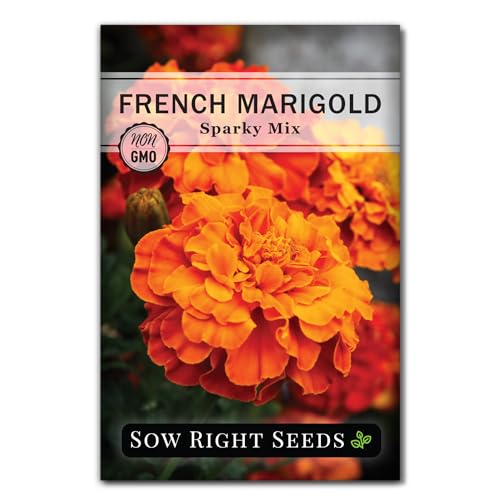
Beautiful - Large premium packet of ‘Sparky Mix’ French Marigold (Tagetes patula) seeds. This annual variety produces medium-sized flowers with wavy petals in a mix of gold, orange, red, yellow or bi-colored blossoms. Perfect for beginners and seasoned gardeners alike, these seeds allow you to effortlessly cultivate brilliant Marigolds that bloom all summer long. These lush, robust blooms also make ideal cut flowers for bouquets and arrangements. Minimum of 1g per packet ( about 350 seeds).
Conclusion
Now that you’re aware of the ideal companions for your raspberry bushes, you can create a thriving garden ecosystem. By avoiding planting incompatible species near raspberries and following proper spacing guidelines, you’ll ensure optimal growth and productivity. Embrace chives, marigolds, lavender, clover, and yarrow as your allies in promoting a healthy environment for your raspberry plants. With these simple adjustments, you can enjoy a bountiful harvest while nurturing a balanced and flourishing garden. Happy gardening!
Frequently Asked Questions
What are some companion plants that benefit raspberry bushes?
Chives, marigolds, lavender, clover, and yarrow can be beneficial companions for raspberry bushes. They help deter pests, enrich the soil, attract pollinators, and improve soil quality.
How much spacing is recommended between raspberry bushes and companion plants?
It is recommended to space raspberry bushes 2-3 feet apart from each other and keep allelopathic plants like chives or lavender at a distance of 4-6 feet to promote healthy growth and prevent negative interactions.
