
Close Menu
    Fruit Tree Hub
    • Home
    • Apple Trees
    • Lemon Trees
    • Mango Trees
    • Orange Trees
    • More Trees
      • Best Fruit Trees
      • Apricot Trees
      • Cherry Trees
      • Fig Trees
      • Lime Trees
      • Mulberry Trees
      • Peach Trees
      • Pear Trees
      • Plum Trees
      • Pomegranate Trees
    • Tips and Advice
      • Tools
    • About Us
      • Contact
      • Privacy Policy
    Fruit Tree Hub
    Home»Climbing Fruit»Cucamelon»Growing Cucamelon Plants: Tips for Cultivating Mexican Sour Gherkins
    Cucamelon

    Growing Cucamelon Plants: Tips for Cultivating Mexican Sour Gherkins

    Lucy SmithBy Lucy SmithJuly 13, 20246 Mins Read
    Share Facebook Twitter Pinterest WhatsApp Email
    Share
    Facebook Twitter LinkedIn Pinterest Telegram Email

    Have you ever dreamed of growing your own tiny, tangy cucamelons right in your backyard? Picture this: a refreshing crunch with a hint of cucumber and zesty lime, perfect for snacking or adding to salads. Imagine the satisfaction of plucking these miniature delights from vines you nurtured yourself.

    Contents show
    1 Key Takeaways
    2 Understanding Cucamelon Plants
    2.1 What Are Cucamelons?
    3 Planting Cucamelons
    3.1 Choosing the Right Soil
    3.2 Seed Starting Tips
    4 Caring for Your Cucamelon Plants
    4.1 Watering and Fertilizing
    4.2 Managing Pests and Diseases
    5 Harvesting and Using Cucamelons
    6 Conclusion
    7 Frequently Asked Questions
    7.1 What are cucamelons?
    7.2 Where do cucamelons originate from?
    7.3 How can cucamelons be used in cooking?
    7.4 What are some tips for growing cucamelons successfully?
    7.5 How should cucamelons be harvested?
    7.6 How should cucamelons be stored?

    Key Takeaways

    • Cucamelon plants are versatile and easy to grow, making them ideal for beginners or those with limited gardening space.
    • Despite their small size, cucamelon vines produce abundant fruit throughout the growing season.
    • Cucamelons offer a unique flavor profile reminiscent of cucumbers with a hint of citrus, rich in vitamins A and C, and antioxidants.
    • Proper soil selection, seed starting techniques, watering consistency, and pest management are crucial for healthy cucamelon plant growth.
    • Harvest cucamelons when they are firm to the touch and vibrant green; store them in the refrigerator for up to two weeks or pickle them for added tanginess.

    Understanding Cucamelon Plants

    Cucamelons are tiny fruits that pack a punch with their tangy flavor reminiscent of cucumber and lime. They are versatile for snacking or adding to salads, offering a unique twist to your culinary adventures.

    What Are Cucamelons?

    Cucamelons, also known as “Mexican sour gherkins” or “mouse melons,” are grape-sized fruits that look like miniature watermelons but taste like cucumbers with a hint of citrus. These adorable plants belong to the cucumber family (Cucurbitaceae) and are native to Mexico and Central America.

    1. Low Maintenance: Cucamelon plants are relatively easy to grow, making them ideal for beginners or those with limited gardening space.
    2. Prolific Yield: Despite their small size, cucamelon vines produce abundant fruit throughout the growing season.
    3. Novelty Factor: Adding cucamelons to your garden can be a conversation starter due to their unique appearance and flavor profile.
    4. Nutritional Value: Cucamelons are rich in vitamins A and C, as well as antioxidants, offering health benefits along with their delightful taste.
    5. Versatile Use: From pickling to snacking raw or incorporating into dishes, cucamelons offer various culinary possibilities for experimentation.
    MUST READ
    Planting Cucamelon Seeds: A Comprehensive Guide for Thriving Mini Watermelon-like Fruits

    By understanding the characteristics and benefits of growing cucamelon plants, you can embark on a rewarding journey of cultivating these charming mini-fruits in your own backyard.

    Planting Cucamelons

    When planting cucamelons, you want to ensure you set the right foundation for their growth. Here are essential tips to help you get started:

    Recommended Products

    BN-LINK 10" x 20.75" Seedling Heat Mat for Seed Starting Plants Germination | 1 Pack Durable Waterproof Plant Heating Pad Warming Mat for Seed Starter, Indoor Growing, Hydroponic, Greenhouse, ETL Listed
    BN-LINK 10" x 20.75" Seedling Heat Mat for Seed Starting Plants Germination | 1 Pack Durable Waterproof Plant Heating Pad Warming Mat for Seed Starter, Indoor Growing, Hydroponic, Greenhouse, ETL Listed

    IDEAL GERMINATION TEMPERATURE: The BN-LINK seedling heat mats for seed starting helps maintain temperatures around 70°F to 85°F, the optimal range for seed germination, cutting propagation, and healthy seedling growth. Achieve faster germination and higher growth rates with seed heating mat.

    VIEW LATEST PRICE

    As an affiliate, we earn on qualifying purchases.

    VIVOSUN Seedling Heat Mat 10" x 20.75" for Seed Starting Plant Germination | Durable Waterproof Warming Mat, UL & MET-Certified, for Indoor Growing, Hydroponic, Greenhouse, Kombucha Tea, Brewing
    VIVOSUN Seedling Heat Mat 10" x 20.75" for Seed Starting Plant Germination | Durable Waterproof Warming Mat, UL & MET-Certified, for Indoor Growing, Hydroponic, Greenhouse, Kombucha Tea, Brewing

    Reliable Results: The VIVOSUN professional heat mat maintains optimal temperatures around 68-86℉ (20-30℃), perfect for Seedling start and cutting propagation; Made from durable PVC material, it's designed to last
    VIEW LATEST PRICE

    As an affiliate, we earn on qualifying purchases.

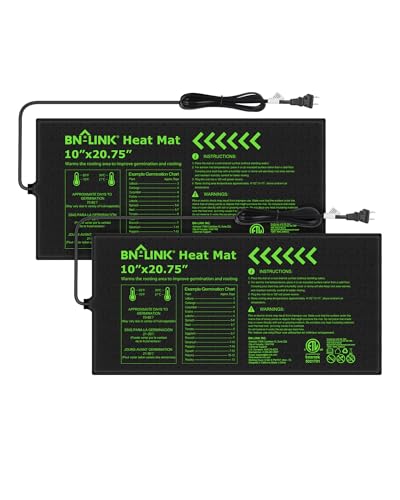
    BN-LINK 10" x 20.75" Seedling Heat Mat for Seed Starting Plants Germination | 2 Pack Durable Waterproof Plant Heating Pad Warming Mats for Seed Starter, Indoor Growing, Hydroponic, Greenhouse, ETL Listed
    BN-LINK 10" x 20.75" Seedling Heat Mat for Seed Starting Plants Germination | 2 Pack Durable Waterproof Plant Heating Pad Warming Mats for Seed Starter, Indoor Growing, Hydroponic, Greenhouse, ETL Listed

    IDEAL GERMINATION TEMPERATURE: The BN-LINK seedling heat mats for seed starting helps maintain temperatures around 70°F to 85°F, the optimal range for seed germination, cutting propagation, and healthy seedling growth. Achieve faster germination and higher growth rates with seed heating mat.

    MUST READ
    What Do Cucamelon Seeds Look Like? Unveiling Their Unique Appearance and Growing Secrets
    VIEW LATEST PRICE

    As an affiliate, we earn on qualifying purchases.

    Choosing the Right Soil

    Select well-draining soil with a pH level between 6.0 and 6.8 for optimal cucamelon growth. A mix of garden soil, compost, and sand works well. Avoid waterlogged or compacted soil as it can hinder root development.

    Seed Starting Tips

    To kickstart your cucamelon plants successfully, consider these seed starting tips:

    • Indoor Start: Begin seeds indoors about 3-4 weeks before the last frost date in your area.
    • Seed Depth: Plant seeds about 1/2 inch deep in small pots filled with a seed-starting mix.
    • Warmth & Moisture: Ensure consistent warmth (around 70°F) and moisture for germination; use a heat mat if needed.
    • Transplanting: Once seedlings have at least two sets of leaves, transplant them carefully into larger containers or outdoor garden beds.

    By following these guidelines on soil selection and seed starting, you’ll lay a solid groundwork for healthy cucamelon plants that will thrive throughout the growing season.

    Caring for Your Cucamelon Plants

    To ensure your cucamelon plants thrive, proper care is essential. Here are some key aspects to focus on:

    Recommended Products

    Doter 10 Packs Seedling Starter Trays 120 Cells, Biodegradable Seed Germination Trays Plant Starter Peat Pots for Seedlings
    Doter 10 Packs Seedling Starter Trays 120 Cells, Biodegradable Seed Germination Trays Plant Starter Peat Pots for Seedlings

    【Biodegradable Material】The seed trays are crafted from environmentally friendly materials, ensuring sustainability from seed to harvest

    VIEW LATEST PRICE

    As an affiliate, we earn on qualifying purchases.

    Patigrow 60-Cell Self-Watering Seed Starter Tray with Grow Light, Seed Starter Kit with 4.07” Humidity Dome, Indoor Seedling Starter Tray, Seed Starting Trays for Plant Germination, Seeds Growing
    Patigrow 60-Cell Self-Watering Seed Starter Tray with Grow Light, Seed Starter Kit with 4.07” Humidity Dome, Indoor Seedling Starter Tray, Seed Starting Trays for Plant Germination, Seeds Growing

    Pro Grow Lights with Advanced Chips: Equipped with 56 high-efficiency beads per tray, these LED strips simulate natural sunlight for optimal seedling growth. Adjustable brightness and timer functions let you customize lighting for every plant stage, promoting faster, healthier growth—perfect for herbs, flowers, and more
    MUST READ
    Does Cucamelon Need Full Sun? Tips to Optimize Light for Healthy Growth
    VIEW LATEST PRICE

    As an affiliate, we earn on qualifying purchases.

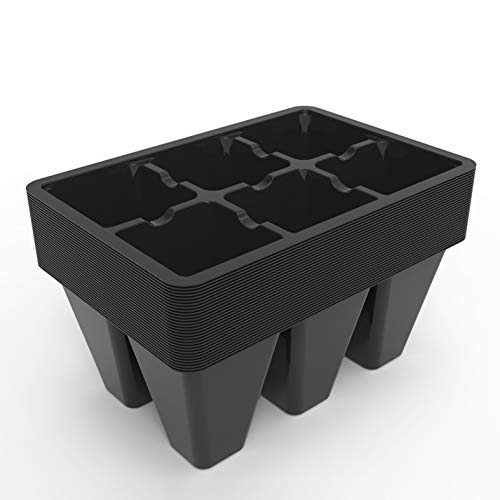
    Gardzen 30 Pack 6-Cell Seed Starting Tray for Seedlings, Plant Starter Trays with Drainage Holes for Seed Germination, 5.4x3.7 inches, Black
    Gardzen 30 Pack 6-Cell Seed Starting Tray for Seedlings, Plant Starter Trays with Drainage Holes for Seed Germination, 5.4x3.7 inches, Black

    High Quality and Durable - Our Gardzen Seed Start Trays are made from premium plastic material, ensuring long-lasting use for all your seed starting needs. These trays are designed to withstand daily wear and tear, making them perfect for avid gardeners.

    VIEW LATEST PRICE

    As an affiliate, we earn on qualifying purchases.

    Watering and Fertilizing

    When it comes to watering your cucamelon plants, consistency is key. Keep the soil consistently moist but not waterlogged. Aim to water them deeply once or twice a week, depending on the weather conditions.

    Fertilizing your cucamelons can help promote healthy growth and fruit production. Use a balanced fertilizer with equal parts nitrogen, phosphorus, and potassium. Apply the fertilizer sparingly every few weeks during the growing season.

    Managing Pests and Diseases

    Keep an eye out for common pests that may affect your cucamelon plants, such as aphids or spider mites. Regularly inspect the leaves and stems for any signs of infestation. You can use organic insecticidal soap or neem oil to treat these pests effectively.

    Prevent diseases by ensuring good air circulation around your plants. Avoid overhead watering to reduce moisture on the leaves, which can lead to fungal issues. If you notice any signs of disease, promptly remove affected plant parts to prevent further spread.

    By following these care tips for your cucamelon plants, you’ll be well on your way to enjoying a bountiful harvest of these unique fruits in your garden.

    MUST READ
    How Big Does a Cucamelon Plant Get? Cultivation Guide for Optimal Growth

    Harvesting and Using Cucamelons

    When and How to Harvest
    Harvest cucamelons when they are about the size of a grape, firm to the touch, and have a vibrant green color. Gently twist or cut them from the vine using sharp scissors or pruners. It’s best to harvest cucamelons regularly to encourage continuous fruit production throughout the growing season.

    Tips for Storing and Using Cucamelons
    After harvesting, store cucamelons in the refrigerator where they can stay fresh for up to two weeks. You can enjoy them raw as a snack, add them to salads for a refreshing crunch, or pickle them for a tangy twist. To pickle cucamelons, simply pack them into jars with vinegar, salt, and your favorite herbs or spices. Let them sit for a few days before savoring their pickled goodness on sandwiches or as an accompaniment to dishes.

    Recommended Products

    Japanese Pickling Vinegar - With Rice Vinegar, Brown Sugar, Sea Salt, and Vegetable Dashi - For Easy Pickles & Vinaigrettes - 360ml
    Japanese Pickling Vinegar - With Rice Vinegar, Brown Sugar, Sea Salt, and Vegetable Dashi - For Easy Pickles & Vinaigrettes - 360ml

    Product Size: This bottle of Japanese pickling vinegar measures 8.5 x 2.25 x 2.25 inches, fitting comfortably in standard kitchen spaces.

    VIEW LATEST PRICE

    As an affiliate, we earn on qualifying purchases.

    kent precision foods group inc w654-98425 Mrs. Wages, Gallon, Pickling/Canning Vinegar
    kent precision foods group inc w654-98425 Mrs. Wages, Gallon, Pickling/Canning Vinegar

    One gallon jug

    VIEW LATEST PRICE

    As an affiliate, we earn on qualifying purchases.

    Conclusion

    Growing cucamelons can be a rewarding experience. With the right care and attention to detail, you can enjoy a bountiful harvest of these unique fruits. Remember to provide them with the necessary nutrients, water them regularly, and protect them from pests and diseases. Harvest your cucamelons when they are firm and green for the best flavor. Whether you choose to eat them fresh or pickle them for later, cucamelons add a delightful twist to your culinary creations. So go ahead, plant some cucamelon seeds, nurture your plants, and get ready to savor the delicious taste of these miniature marvels!

    MUST READ
    What Size Pot for Cucamelon Plant: Choosing the Right Container for Healthy Growth

    Frequently Asked Questions

    What are cucamelons?

    Cucamelons are grape-sized fruits with a cucumber and lime-like tang. They are also known as “Mexican sour gherkins” or “mouse melons.”

    Where do cucamelons originate from?

    Cucamelons originate from Mexico and Central America.

    How can cucamelons be used in cooking?

    Cucamelons are versatile and can be used for pickling, raw consumption, added to salads, or pickled with vinegar, salt, and herbs for a tangy flavor.

    What are some tips for growing cucamelons successfully?

    Proper soil selection, seed starting tips, watering, fertilization, pest management, and disease prevention are essential for successful growth of cucamelons.

    How should cucamelons be harvested?

    Cucamelons should be picked when firm and green to ensure the best taste.

    How should cucamelons be stored?

    Cucamelons can be refrigerated for up to two weeks after harvesting.

    Share. Facebook Twitter Pinterest LinkedIn Tumblr Email
    lucy smith
    Lucy Smith
    • Website

    Lucy Smith is a highly experienced horticulturist with a passion for fruit tree cultivation. She holds a degree in Horticulture from the University of California, Davis, and has worked in various roles in the industry. With over 10 years of experience, Lucy is dedicated to using eco-friendly methods for sustainable gardening practices.

    Related Posts

    How Big Does a Cucamelon Grow? Cultivation Tips and Harvesting Guide

    July 14, 2024

    How to Grow Cucamelon in Pots: Cultivation Tips for Limited Spaces

    July 14, 2024

    How to Plant a Cucamelon: A Comprehensive Guide to Growing and Harvesting Mexican Sour Gherkins

    July 13, 2024

    How Big Does a Cucamelon Plant Get? Cultivation Guide for Optimal Growth

    July 13, 2024

    Where to Buy Cucamelon Seeds Near Me: A Complete Guide for Gardeners

    July 13, 2024

    Where to Buy Cucamelon Plants: Your Ultimate Guide to Sourcing Healthy Seedlings

    July 13, 2024
    Leave A Reply Cancel Reply

    Affiliate Disclosure

    As an Amazon Associate I earn from qualifying purchases.

    Recommended Reading

    How to Grow Fig Tree from Fruit: Step-by-Step Guide for Successful Cultivation

    Growing Almond Trees in Denver, CO: High Altitude Success

    When Cherry Tree Gives Fruit: Guide to Growing and Harvesting Juicy Cherries

    When to Plant Fruit Trees Zone 5: Essential Tips for a Thriving Orchard

    How to Transplant Fruit Trees for a Thriving Garden: Step-by-Step Guide and Care Tips

    Is Kiwi Grown on a Tree? Unveiling the Growth Process and Cultivation Insights

    Where to Plant Persimmon Trees for Best Fruit Production

    What Fruit Trees Grow Well in Phoenix: Top Varieties for Hot Climates and Easy Care Tips

    What Fruit Trees Are Easiest to Grow: Top Choices for Beginner Gardeners

    Mastering the Art of Growing a Tangerine Tree from Seeds: Expert Tips for Success

    Fruit Tree Hub

    Fruit Tree Hub is a website dedicated to providing you everything you need to grow fruit trees successfully at in your own yard.

    Contact us at: [email protected]

    - AFFILIATE DISCLOSURE: As an Amazon Associate I earn from qualifying purchases.

    Latest Posts

    18 Coastal Crochet Tops in White and Neutral Shades

    16 Retro Crochet Tops Built Around Multicolor Granny Squares

    16 Modest Crochet Tops Featuring Higher Necklines

    19 Cottagecore Crochet Tops With Square Necklines

    13 Ruffled Crochet Tops With Flared Hems

    19 Lace Crochet Tops Featuring Intricate Openwork

    14 Floral Crochet Tops Inspired by Botanical Motifs

    20 Boho Crochet Halter Tops for Festival Outfits

    Categories
    • Almond Trees
    • Apple Trees
    • Apricot Trees
    • Best Fruit Trees
    • Blackberry
    • Cantaloupe
    • Cherry Trees
    • Christmas Crochet Ideas
    • Crochet Bag Ideas
    • Crochet Blanket Ideas
    • Crochet Dress Ideas
    • Crochet Ideas
    • Crochet Ideas for Beginners
    • Crochet Top Ideas
    • Cucamelon
    • Easy Crochet Ideas
    • Easy Knitting Projects
    • Fall Crochet Ideas
    • Fig Trees
    • Grapefruit Trees
    • Grapes
    • Guava Trees
    • Halloween Crochet Ideas
    • Honeydew
    • Jujube Trees
    • Kiwi
    • Knitting For Beginners
    • Knitting Ideas
    • Knitting Inspiration
    • Lemon Trees
    • Lime Trees
    • Loquat Trees
    • Mango Trees
    • Mulberry Trees
    • Nectarine Trees
    • Olive Trees
    • Orange Trees
    • Papaya Trees
    • Peach Trees
    • Pear Trees
    • Persimmon Trees
    • Planting
    • Plum Trees
    • Pomegranate Trees
    • Quince Trees
    • Raspberry
    • Reviews
    • Small Crochet Ideas
    • Star Fruit Trees
    • Summer Crochet Ideas
    • Tamarind Trees
    • Tangerine Trees
    • Tips and Advice
    • Tools
    • Uncategorized
    • Walnut Trees
    • Winter Crochet Ideas
    © 2026 Fruit Tree Hub
    • Home
    • About Us
    • Contact
    • Privacy Policy
    • Terms and Conditions
    • Disclaimer
    • Editorial Policy
    • Affiliate Disclosure

    Type above and press Enter to search. Press Esc to cancel.