

Growing banana trees in New Jersey is feasible with the right techniques and care. By selecting cold-hardy varieties and implementing protective measures, gardeners can successfully cultivate these tropical plants in the Garden State.
Best Banana Tree Varieties for New Jersey
Choosing the appropriate banana tree variety is crucial for success in New Jersey’s climate. The most suitable types include the Dwarf Cavendish, which is compact and can thrive in pots, and the Blue Java, known for its cold tolerance. These varieties can withstand temperatures down to 20°F when properly cared for.
| Variety | Height | Cold Tolerance | Flavor Profile |
|---|---|---|---|
| Dwarf Cavendish | 4-6 ft | 30°F | Sweet and creamy |
| Blue Java | 10-15 ft | 20°F | Vanilla-like |
| Lady Finger | 3-5 ft | 30°F | Sweet and small |
Recommended Products
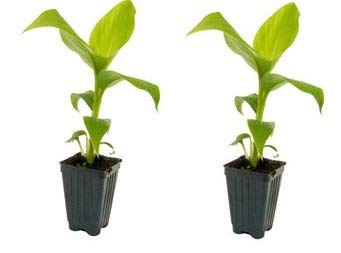
The most hardy of all Bananas!! Can go down to -20 if mulched properly. Can get up to 18 feet tall, rapid growth in hot weather Full Sun. Bananas are not edible, merely for looks! Exercise caution and use your best judgment before ordering during unusually hot or cold weather (below 32 degrees F, or in excess of 95F for shipping purposes), as these extremes may leave your plant vulnerable to damage.
![Greenwood Nursery: Live Perennial Plants - Musa Basjoo Cold Hardy Banana - [Qty: 2X Pint Pots] - (Click for Other Available Plants/Quantities)](https://m.media-amazon.com/images/I/51cl7jVVE3L._SL500_.jpg)
🌿 [INFO1] - Gives a tropical look to your garden. Grows from the Southern U.S. all the way to the southern part of Canada. A hardy Flowering Banana plant provides a tropical plant or jungle garden feel for pool landscapes, zen gardens and also makes an excellent container plant for porches, decks, patios & sunny areas of the house. The yellow orange flowers will produce small ornamental fruits that are not edible.
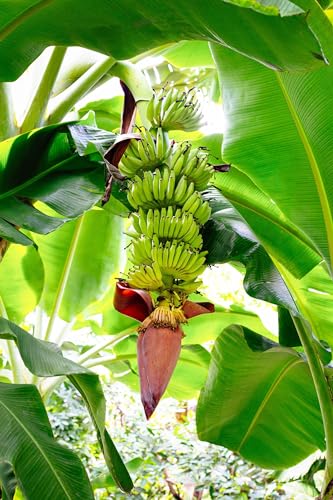
Live Plants for Planting 🌱 – Includes 4 rooted Musa basjoo banana plants, ready to plant in your garden or large pots.
Site Preparation for Banana Trees
Preparing the site for banana trees in New Jersey requires careful consideration of soil, sunlight, and drainage. Understanding these factors is essential for creating an optimal environment that supports healthy growth and fruit production. This section will guide you through the necessary steps to ensure your banana trees thrive in the Garden State.
Proper site preparation is essential for healthy banana trees. Choose a location that receives full sun for at least six hours daily.
Ensure the soil is well-draining and rich in organic matter. Amend the soil with compost or well-rotted manure to enhance fertility.
Banana Tree Soil pH and Nutrient Adjustments
Understanding the soil pH and nutrient requirements for banana trees is crucial for successful cultivation in New Jersey’s unique climate. This section delves into the specific adjustments needed to create optimal growing conditions, ensuring your banana trees thrive and produce fruit. By mastering these soil parameters, you can enhance the health and yield of your plants.
Conduct a soil test to determine pH and nutrient levels. Ideal soil pH for banana trees is between 5.5 and 7.0. Based on test results, you may need to add:
Lime to raise pH
Sulfur to lower pH
Fertilizer to boost nutrients
Optimal Timing for Banana Tree Planting
Understanding the best timing for planting banana trees in New Jersey is crucial for successful growth and fruit production. The unique climate conditions of the Garden State require careful consideration of seasonal changes to ensure that these tropical plants thrive. This section will explore the optimal planting windows to maximize your banana tree’s potential.
When planting banana trees, timing and technique matter. The best time to plant is in late spring after the last frost. Follow these steps for optimal planting:
Dig a hole twice the width of the root ball and the same depth.
Place the tree in the center of the hole, ensuring the top of the root ball is level with the soil surface.
Backfill with soil and water thoroughly to eliminate air pockets.
Apply mulch around the base to retain moisture and suppress weeds.
Banana Tree Watering and Fertilizing Guide
Successfully growing banana trees in New Jersey requires careful attention to their watering and fertilizing needs. This guide provides essential tips on how to maintain optimal moisture levels and nutrient balance, ensuring your banana trees thrive in the Garden State’s unique climate. Understanding these practices will help you cultivate healthy plants and maximize fruit production.
Regular watering is vital for banana trees. They require consistent moisture, especially during the growing season. Use the following schedule:
Water deeply once a week
Increase frequency during hot, dry spells
Fertilize every 6-8 weeks with a balanced fertilizer
Cold Protection Strategies for Banana Trees
In New Jersey, where winters can be harsh, protecting banana trees from cold is crucial for their survival and growth. Implementing effective cold protection strategies ensures these tropical plants thrive despite the region’s climate challenges, allowing gardeners to enjoy their lush foliage and potential fruit production even in a less-than-ideal environment.
New Jersey winters can be harsh, so protecting your banana trees is necessary. Use the following strategies to prevent frost damage:
Wrap trunks with burlap or frost cloth
Mulch heavily around the base to insulate roots
Move potted plants indoors or to a sheltered location
Frost Damage Indicators for Banana Trees
Understanding frost damage indicators is crucial for successfully growing banana trees in New Jersey’s unique climate. As temperatures drop, specific signs can reveal how well your plants are coping with cold conditions. Recognizing these indicators will help you take timely action to protect your banana trees and ensure their health and productivity.
Monitor your banana trees for signs of frost damage. Look for:
Browning or wilting leaves
Soft, mushy stems
Stunted growth in spring
Banana Harvesting Techniques for New Jersey
Harvesting bananas in New Jersey requires specific techniques tailored to the region’s climate and growing conditions. Understanding the optimal timing and methods for harvesting can significantly enhance yield and fruit quality. This section delves into effective strategies to ensure a successful banana harvest in the Garden State.
Once your banana trees bear fruit, harvesting is straightforward. Wait until the bananas are plump and slightly yellow.
Cut the entire bunch from the tree using a sharp knife. Allow them to ripen indoors at room temperature.
Banana Storage Techniques for Longevity
Proper storage techniques are essential for maintaining the freshness and quality of bananas, especially in a climate like New Jersey’s. Understanding how to store these tropical fruits can significantly extend their shelf life, allowing you to enjoy their flavor and nutritional benefits for longer. This section explores effective methods to keep your bananas in optimal condition.
To extend the shelf life of harvested bananas, consider these storage tips:
Store at room temperature away from direct sunlight
Refrigerate overripe bananas to slow spoilage
Freeze for smoothies or baking
Banana Tree Pest and Disease Solutions
Maintaining healthy banana trees in New Jersey requires vigilance against pests and diseases that can threaten their growth. Understanding the common challenges these trees face is essential for gardeners looking to cultivate thriving plants. This section delves into effective solutions to combat these issues, ensuring your banana trees flourish in the Garden State.
Even with careful planning, issues may arise. Common problems include pests and diseases that affect banana trees. Monitor for:
Aphids and spider mites
Fungal infections like Panama disease
Recommended Products
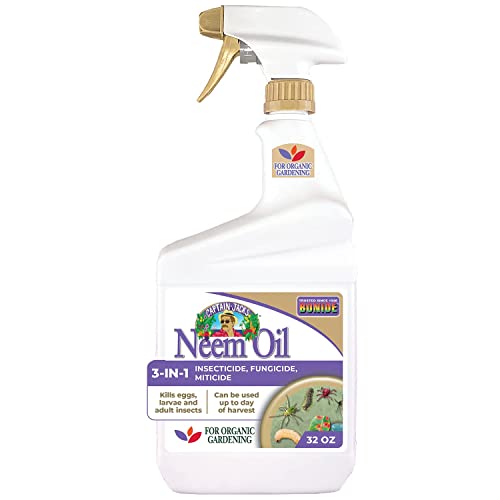
Protect your oasis with 3 garden products in 1 from Captain Jack’s; Bonide Captain Jack’s Ready-to-Use Neem Oil spray for plants is a multi-purpose fungicide, insecticide and miticide for your lawn & garden

Control diseases and insects in your garden with Captain Jack’s Fruit Tree Spray Concentrate! Use on a variety of listed fruits, nuts and citrus plants.

INSECT KILLER: Fast-acting formula kills listed insects including aphids, Japanese beetles, caterpillars, whiteflies, and other listed pests on contact
Effective Pest Management Techniques
Managing pests is crucial for the successful cultivation of banana trees in New Jersey’s unique climate. Effective pest management techniques can help protect these tropical plants from common threats, ensuring healthy growth and fruitful yields. Understanding these strategies will empower gardeners to maintain vibrant banana trees while minimizing damage from pests.
Use the following methods to manage pests effectively:
Introduce beneficial insects like ladybugs
Apply insecticidal soap for severe infestations
Practice crop rotation to minimize disease risk
New Jersey Banana Cultivation Best Practices
Successful banana tree cultivation in New Jersey requires attention to detail and proactive care. Monitor environmental conditions and adjust your care routine as needed. With patience and the right techniques, you can enjoy homegrown bananas even in the Garden State.
