

Curious about whether cucamelons thrive in full sun? Picture this: you’ve just brought home a vibrant cucamelon plant, eager to see it flourish. But wait – does it need ample sunlight to reach its full potential? In this article, we’ll explore the sunlight requirements of cucamelons and how you can ensure they bask in the right amount of sunshine for optimal growth.
By understanding the sunlight needs of cucamelons, you’ll be equipped to provide them with the ideal conditions for thriving. Whether you’re a seasoned gardener or just starting your green thumb journey, knowing how much sun these unique plants require is key to their success. Stay tuned as we uncover the importance of sunlight for cucamelons and learn how you can set them up for abundance in your garden.
Key Takeaways
- Cucamelons thrive in full sun, requiring 6-8 hours of direct sunlight daily for optimal growth and fruit production.
- Adequate sunlight is essential for robust vine development, increased fruit yield, and enhanced flavor of cucamelons.
- Best practices include planting cucamelon vines in locations with full sun exposure, using trellises to maximize sunlight, and rotating plants for even light distribution.
- Overcoming challenges like insufficient sunlight involves proper placement, avoiding shade, utilizing trellises, rotating plants, and monitoring sun patterns.
- Managing excessive sunlight can be done through shade structures, proper watering routines, mulching, and adjusting sun exposure during peak hours.
Understanding Cucamelons
Cucamelons, also known as “Mexican sour gherkins” or “mouse melons,” are tiny fruits that resemble a miniature watermelon. These grape-sized delights pack a tangy flavor punch and are often described as a mix between cucumbers and lemons, making them a unique addition to your garden.
What Are Cucamelons?
Cucamelons belong to the cucumber family but have their distinct characteristics. They feature small, vine-like plants with delicate tendrils that produce an abundance of these cute mini-fruits. With their crisp texture and refreshing taste, cucamelons can be enjoyed straight off the vine, added to salads for a zesty twist, or pickled for a flavorful snack.
Growth Habit and Characteristics
These charming plants thrive in warm climates and require well-draining soil to flourish. Cucamelon vines can reach up to 10 feet in length, so providing adequate support like trellises is essential for healthy growth. Their rapid growth rate means they can quickly cover large areas if not managed properly.
When it comes to sunlight requirements, cucamelons love basking in full sun exposure. To ensure optimal growth and fruit production, plant them in an area where they’ll receive at least 6-8 hours of direct sunlight daily. Adequate sunlight not only promotes robust vine development but also enhances fruit yield and flavor.
Sunlight Requirements for Cucamelons
To ensure the healthy growth of your cucamelons, it’s crucial to understand their sunlight needs. Here’s what you need to know:
Recommended Products

FULL SPECTRUM & NATURAL LIGHT: A19 full spectrum grow light appears 4000K white to eyes but has a red/blue light spectrum. Same as natural sun shine, perfect for tomatoes, cucumbers, peppers, leafy greens and herbs at all growth stages.
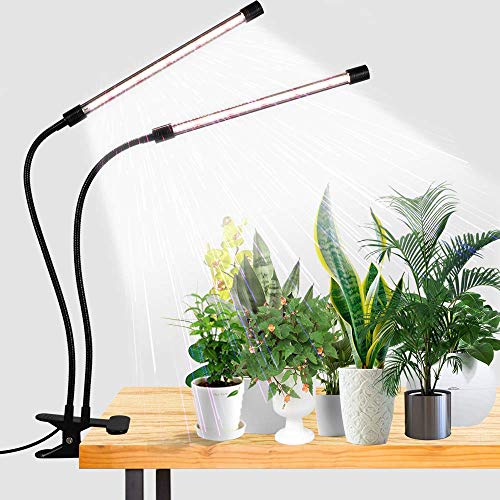
6000K White Light - equipped with 10 Red + 74 White LEDs, this growing Lamp is similar to the full-spectrum sunlight at noon,that is professionally designed for indoor garden plants.Moreover, its color rendering index is as high as 95, the light is soft and flicker-free, which is very suitable for reading lamp

6000K Daylight Full Spectrum- Packed with 40 white and 8 red LEDs, this growth light throws a crisp 6000K beam that reads like real sunshine indoors. Built for flowers, herbs, peppermint, succulents, and seed starting, and flexible enough for hanging baskets, trellises, floor pots, and bonsai alike.
How Much Sun Do Cucamelons Need?
Cucamelons thrive when they receive 6-8 hours of direct sunlight each day. This exposure is essential for their optimal growth and fruit production. Without an adequate amount of sunlight, the vines may not develop properly, leading to reduced yields.
Effects of Sunlight on Cucamelon Growth
Proper sunlight exposure plays a vital role in the development of cucamelon vines and the quantity of fruits they produce. Adequate sunlight helps in photosynthesis, enabling the plants to convert light energy into sugars that fuel their growth. Insufficient sunlight can hinder this process, resulting in stunted growth and fewer fruits.
Planting and Cultivating Cucamelons
When it comes to planting and cultivating cucamelons, ensuring they receive adequate sunlight is crucial for their healthy growth and fruit production. Here are some best practices and tips to help you optimize the sunlight exposure for your cucamelon plants.
Recommended Products

EASIER SEED STARTING: Our Burpee SuperSeed tray with 36 flexible pop-out cells is designed to simplify indoor seed starting for all your favorite vegetables, flowers and herbs. Just add seed starting mix, seeds, water and light to get growing! Rows are labeled alphanumerically for seedling identification with included Plant-o-Gram diagram. Tray dimensions: 11.5" x 10-3/8" x 2-1/4"

EASIER SEED STARTING: Our Burpee SuperSeed tray with 16 extra-large flexible pop-out cells is designed to simplify indoor seed starting. Just add seed starting mix, seeds, water and light to get growing! Rows are labeled alphanumerically for seedling identification with included Plant-o-Gram diagram.

High Germination Rate: cucamelons seeds sprout in 10-14 days at 70 °F, Full sun, Start inside 4 weeks before last frost or outdoors in warm soil. Sow 1/4" deep, space 9-12" apart – perfect climbing cucumber seeds for patio or vegetable garden.
Best Practices for Sunlight Exposure
- Sunlight Requirement: Cucamelons need 6-8 hours of direct sunlight daily.
- Optimal Placement: Plant your cucamelon vines in a location where they can receive full sun exposure throughout the day.
- Avoid Shade: Keep your cucamelon plants away from areas that may cast shadows or block sunlight, such as tall trees or buildings.
- Use of Trellises: Supporting your cucamelon vines with trellises can help maximize sunlight exposure by keeping the vines off the ground.
- Rotate Plants: If you notice certain parts of your garden receiving more sunlight during different times of the day, consider rotating your cucamelon plants to ensure even exposure.
- Monitor Sun Patterns: Regularly observe how sunlight falls on your garden to identify the best spots for planting cucamelons.
By following these best practices and tips, you can provide your cucamelon plants with the optimal amount of sunlight they need to thrive and produce an abundance of tangy fruits resembling miniature watermelons.
Common Challenges in Growing Cucamelons
When cultivating cucamelons, you may encounter specific challenges that can affect their growth and productivity. Here are some common hurdles you might face and how to address them effectively.
Recommended Products

【High Quality ,More sizes, Give you more choices】- Our Shade Cloth can resist rays and most sunlight while air can still flow through so as to create a comfortable cool and shaded place for people or plants.

Package Inclusions: including 1 patio shade cloth and 250 ties for an easy setup, making them convenient and straightforward to get your shade cloth up and running, and provide extra convenience for installation and using in your daily life, to keep your space cool and comfortable

【High Shade Rate 】- Our Shade Cloth can resist rays and most sunlight while air can still flow through so as to create a comfortable cool and shaded place for people or plants.
Overcoming Insufficient Sunlight
If your cucamelon plants are not receiving an adequate amount of sunlight, they may struggle to thrive and produce fruits. To ensure optimal growth, here’s what you can do:
- Optimal Placement: Place your cucamelon plants in an area that receives full sun for at least 6-8 hours a day. This exposure is crucial for their development.
- Avoiding Shade: Be mindful of any nearby structures or plants that could cast shadows on your cucamelons. They need direct sunlight to flourish.
- Using Trellises: Utilize trellises or other support structures to train the vines upwards, maximizing their exposure to sunlight throughout the day.
- Rotating Plants: Periodically rotate your plants to ensure all sides receive equal amounts of sunlight, promoting balanced growth.
- Monitoring Sun Patterns: Keep track of how the sun moves across your garden or growing space to adjust the placement of your cucamelon plants accordingly.
By implementing these strategies, you can help your cucamelons overcome insufficient sunlight and thrive in optimal conditions.
Managing Excessive Sunlight
On the flip side, excessive sunlight can also pose challenges for cucamelon cultivation. Here’s how you can manage this issue:
- Shade Structures: Consider using shade cloths or temporary covers during peak sun hours to protect your plants from intense heat and radiation.
- Watering Routine: Ensure adequate watering practices to prevent dehydration and heat stress caused by prolonged exposure to intense sunlight.
- Mulching: Apply mulch around the base of your plants to retain soil moisture and regulate temperature, helping them cope with excessive sun.
- Adjusting Sun Exposure: If possible, relocate containers or planters to areas with partial shade during extremely hot periods to shield them from harsh sunlight.
By taking these precautions, you can effectively manage excessive sunlight and safeguard your cucamelon plants from potential damage while promoting healthy growth.
Conclusion
You’ve now learned about the essential sunlight requirements for growing cucamelons successfully. Remember, providing adequate sunlight is crucial for these tangy delights to thrive. Whether it’s ensuring they get enough sun or protecting them from excessive heat, finding that perfect balance will lead to healthy vines and a bountiful harvest. By following the tips shared in this article, you’ll be well-equipped to give your cucamelon plants the light they need to flourish. So go ahead, apply these strategies in your garden, and watch your cucamelons soak up the sun and reward you with their delicious fruits!
Frequently Asked Questions
What are the unique characteristics of cucamelons?
Cucamelons have a tangy flavor and require warm climates, well-draining soil, and adequate sunlight. They grow like vines and benefit from support structures like trellises.
Growers may encounter issues with insufficient or excessive sunlight when cultivating cucamelons.
How can growers address insufficient sunlight for their cucamelon plants?
To overcome insufficient sunlight, place plants optimally, avoid shading, use trellises for better exposure, rotate plants regularly, and monitor sun patterns.
How can growers manage excessive sunlight for their cucamelon plants?
To manage excessive sunlight, utilize shade structures, adjust watering schedules, apply mulch to retain moisture, and consider relocating plants to partial shade areas.
