

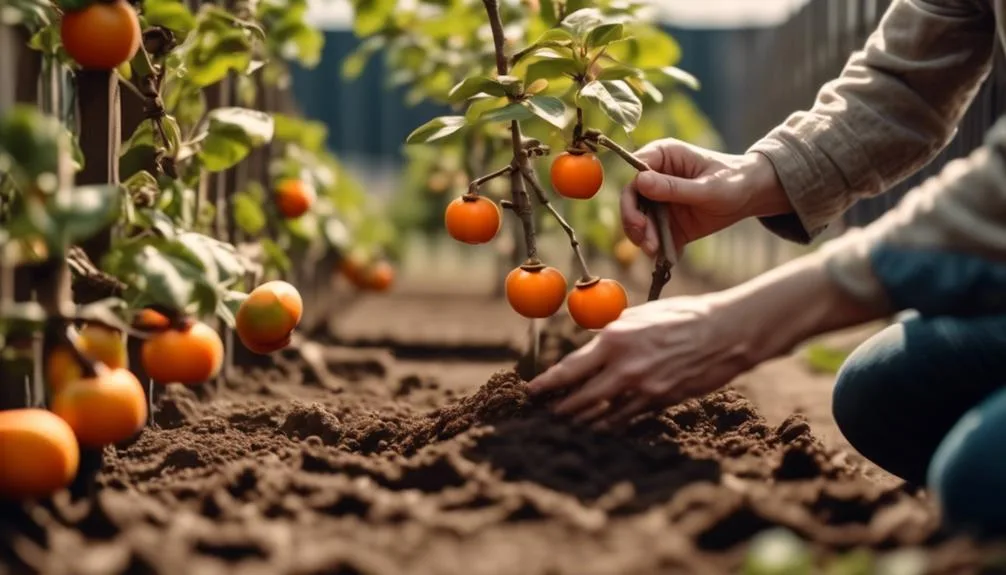
When is the best time to plant persimmon trees? The timing of planting can make a big difference in how well your tree grows. Whether you're new to gardening or have been doing it for years, knowing the right seasons to plant persimmon trees is important.
A successful planting can lead to a healthy and productive tree down the line. Let's look at the best times and conditions for planting persimmon trees to ensure a thriving orchard or landscape addition.
Key Takeaways
- Spring and early fall are the optimal times for planting persimmon trees due to favorable weather conditions and ideal soil moisture.
- Proper soil preparation, including incorporating organic matter and ensuring good drainage, is essential for successful tree growth.
- Regular watering, mulching, and spacing the trees appropriately are necessary for root establishment and maximizing fruit production.
- Late fall and early winter are ideal for tree establishment and dormancy preparation, respectively, to ensure healthy growth and protect against pests and diseases.
Spring: The Ideal Planting Season
In spring, you should aim to plant persimmon trees when the soil is moist but not waterlogged, and the weather is mild, providing the ideal conditions for healthy root development and growth.
Start by preparing the soil by digging a hole twice as wide and just as deep as the tree's root ball. Mix the removed soil with compost to improve drainage and nutrient content.
Once the hole is ready, carefully place the tree in the center and backfill with the amended soil. Water the tree thoroughly to settle the soil and eliminate air pockets.
After planting, establish a regular watering schedule to keep the soil consistently moist, but not waterlogged. This will help the newly planted persimmon tree to establish its roots and thrive in its new environment.
Recommended Products

Feed the soil not the plants - stimulate microbial activity in your soil and boost probability of success with all types of plants… like composting but faster

Enriched with Organic Fertilizer – This lemon tree fertilizer provides nutrients for up to 6 months, so your citrus trees stay healthy and productive with minimal upkeep.
🌳 PERSIMMON TREE SEEDS FOR HOME GARDENS: Persimmon tree seeds are ideal for backyard gardens, raised beds, or seed-starting before transplanting outdoors in suitable climates.
Early Fall: Another Optimal Planting Window
Considering the ideal conditions for successful planting, when is the best time to plant persimmon trees in early fall? Early fall, with its cooler temperatures and still-warm soil, provides another optimal window for planting persimmon trees. This period allows the trees to establish their roots before winter sets in, ensuring a strong start for the following growing season. When planting in early fall, it's crucial to choose a location with optimal soil drainage and sunlight exposure. Proper tree care during this time includes regular watering and mulching to help insulate the roots. To maximize fruit production, adequate tree spacing is essential. Here's a simple guide for tree spacing:
| Tree Spacing Guidelines | |
|---|---|
| Tree Type | Spacing |
| Standard Persimmon Trees | 20-25 feet |
| Dwarf Persimmon Trees | 10-15 feet |
| Semi-Dwarf Persimmon Trees | 15-20 feet |
Recommended Products


Fresh Homegrown Fruit: Grow your own persimmons at home from persimmon seeds and ensure the fresh taste of this unique fruit straight from your garden

LIVE AMERICAN PERSIMMON TREES: Includes American Persimmon live trees potted in quart pot, measuring 6-12 inches tall. Trees may arrive as a dormant plant (without leaves) depending on the season, ready for planting.
Late Winter: Planting Before Spring Growth
Wondering how to make the most of late winter for planting persimmon trees before the spring growth? Late winter is an ideal time to get your persimmon trees in the ground, allowing them to establish roots before the growing season kicks in. Here are some planting tips to ensure your persimmon trees thrive:
- Soil Preparation
- Clear the planting area of any weeds and debris.
- Loosen the soil to a depth of at least 18 inches to promote good root development.
- Incorporate organic matter such as compost to improve soil fertility and drainage.
Recommended Products

Grow the planet's most massive tree species from seed!
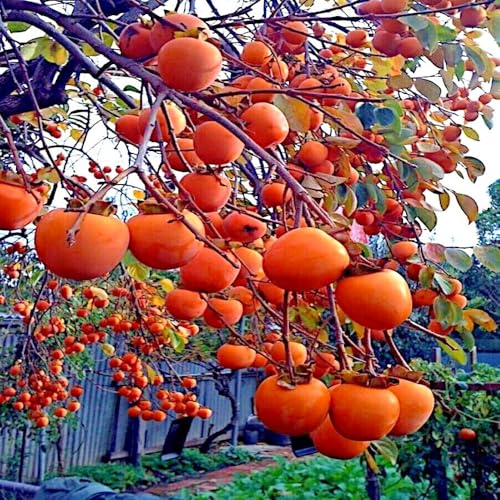
Cold Hardiness: Cold hardy Diospyros seeds survive temperatures down to 10°F once established; Suitable for growing in USDA zones 7-10; More tolerant of temperature fluctuations than many other fruit trees

Growing Diospyros Kaki Seeds: The seeds need a period of cold, moist stratification to break dormancy and encourage germination, mimicking winter conditions. Germination can take 14-28 days after planting. The seeds thrive in a moist, well-drained, fertile loam soil with a PH between 6.0 and 7.5. It prefers deep, slightly acidic loams and tolerates sandy or heavy clay soils with good drainage. Avoid waterlogged or poorly drained sites. Requires full sun exposure of at least 6 to 8 hours daily.
Late Fall: Ideal Conditions for Establishment
Late winter's preparation sets the stage for late fall to provide the ideal conditions for your persimmon trees' establishment. As late fall approaches, soil preparation becomes essential for successful tree growth. Begin by ensuring the soil is well-draining and free from any compacted areas. Incorporate organic matter, such as compost, to improve soil structure and fertility. This will provide a favorable environment for the roots to develop and establish themselves before winter sets in.
In late fall, maintaining a consistent watering schedule is crucial for the trees' establishment. While they don't require as much water as in the warmer months, it's important to ensure the soil maintains moisture. Water deeply and less frequently to encourage deep root growth.
These steps will help your persimmon trees acclimate and thrive during their first winter.
Early Winter: Preparing for Dormancy
As winter approaches, preparing your persimmon trees for dormancy is crucial for their long-term health and success. Here are some essential tasks to ensure your persimmon trees are ready for the dormant season:
- Preparing Soil
- Clear any weeds or debris around the base of the tree to prevent potential pests and diseases from overwintering.
- Loosen the soil around the tree to improve aeration and water penetration, which will benefit the tree during dormancy.
- Mulching Techniques
- Apply a layer of organic mulch, such as wood chips or straw, around the base of the tree to help regulate soil temperature and moisture levels.
- Ensure the mulch is spread evenly and doesn't touch the trunk to prevent rot and disease.
Conclusion
Get ready to plant your persimmon trees during the optimal seasons. The best times to plant are spring, early fall, late winter, late fall, or early winter. By taking advantage of these ideal planting times, you set the stage for successful tree growth and long-term flourishing.
Happy planting and here's to a bountiful harvest in the years ahead!
