
Close Menu
    Fruit Tree Hub
    • Home
    • Apple Trees
    • Lemon Trees
    • Mango Trees
    • Orange Trees
    • More Trees
      • Best Fruit Trees
      • Apricot Trees
      • Cherry Trees
      • Fig Trees
      • Lime Trees
      • Mulberry Trees
      • Peach Trees
      • Pear Trees
      • Plum Trees
      • Pomegranate Trees
    • Tips and Advice
      • Tools
    • About Us
      • Contact
      • Privacy Policy
    Fruit Tree Hub
    Home»Climbing Fruit»Cantaloupe»How to Grow Cantaloupe at Home: A Comprehensive Guide for Pesticide-Free Produce
    Cantaloupe

    How to Grow Cantaloupe at Home: A Comprehensive Guide for Pesticide-Free Produce

    Lucy SmithBy Lucy SmithJuly 20, 20247 Mins Read
    Share Facebook Twitter Pinterest WhatsApp Email
    Share
    Facebook Twitter LinkedIn Pinterest Telegram Email

    Are you craving the sweet juiciness of homegrown cantaloupe? Picture this: you step into your garden, pluck a ripe cantaloupe off the vine, and savor its fresh flavor under the sun. But how can you turn this dream into reality in your own backyard? This article is here to guide you through the simple steps of growing delicious cantaloupe right at home.

    Contents show
    1 Key Takeaways
    2 Choosing the Right Cantaloupe Variety
    2.1 Considering Climate Adaptability
    2.2 Evaluating Disease Resistance
    3 Preparing Your Garden
    3.1 Selecting the Ideal Location
    3.2 Soil Preparation and Nutrients
    4 Planting Cantaloupes
    4.1 Sowing Seeds Indoors
    4.2 Transplanting Seedlings Outdoors
    5 Caring for Your Cantaloupes
    5.1 Watering Techniques
    5.2 Managing Weeds and Pests
    6 Harvesting and Storing Cantaloupes
    6.1 Knowing When to Harvest
    6.2 Tips for Storing Cantaloupes
    7 Conclusion
    8 Frequently Asked Questions
    8.1 1. What are the key factors to consider when growing cantaloupes at home?
    8.2 2. How should I sow cantaloupe seeds for optimal growth?
    8.3 3. What care practices are essential for healthy cantaloupe plants?
    8.4 4. When is the right time to harvest cantaloupes?
    8.5 5. How can I store harvested cantaloupes to maintain freshness?

    Imagine bypassing store-bought fruits for your very own harvest, free from pesticides and full of flavor. With our easy-to-follow tips and tricks, you’ll soon be enjoying juicy cantaloupes grown with your own hands. From planting the seeds to nurturing the vines, we’ve got you covered every step of the way.

    Key Takeaways

    • Choose cantaloupe varieties based on climate adaptability and disease resistance for a successful harvest.
    • Select a sunny garden spot with well-draining soil and provide essential nutrients for optimal cantaloupe growth.
    • Start by sowing cantaloupe seeds indoors to control early growth stages before transplanting outdoors.
    • Care for cantaloupes by watering consistently, managing weeds, pests, and harvesting ripe fruits at the right time.

    Choosing the Right Cantaloupe Variety

    When it comes to choosing the right cantaloupe variety for your home garden, consider factors like climate adaptability and disease resistance. Here’s what you need to know:

    MUST READ
    How Far Apart Do You Plant Cantaloupe for a Bountiful Harvest?

    Recommended Products

    25 Minnesota Midget Cantaloupe Seeds for Planting Heirloom Non GMO 0.75+ Grams Garden Vegetable Bulk Survival Hominy
    25 Minnesota Midget Cantaloupe Seeds for Planting Heirloom Non GMO 0.75+ Grams Garden Vegetable Bulk Survival Hominy

    Cantaloupe seeds garden seeds vegetable seeds bulk
    VIEW LATEST PRICE

    As an affiliate, we earn on qualifying purchases.

    Sow Right Seeds - Hale’s Best Melon Seed for Planting Outdoor Cantaloupe
    Sow Right Seeds - Hale’s Best Melon Seed for Planting Outdoor Cantaloupe

    Beautiful - Large individual packet of Hale’s Best Melon (Cucumis melo) seeds. Grow an abundant harvest of sweet melons. Heirloom muskmelon that has been pleasing gardeners for over a century. Minimum of 1.5g per packet (about 50 seeds).

    VIEW LATEST PRICE

    As an affiliate, we earn on qualifying purchases.

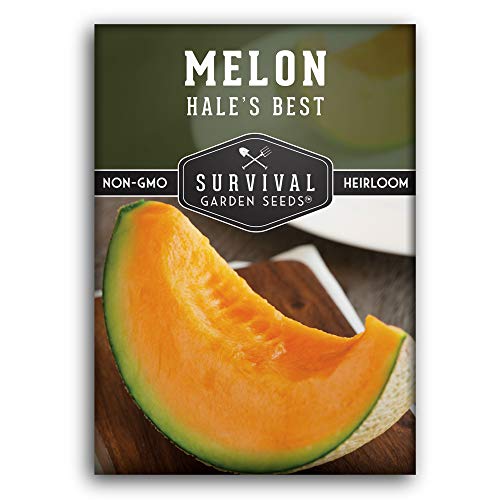
    Hale’s Best Cantaloupe Seeds for Planting, Heirloom Muskmelon - 1 Pack
    Hale’s Best Cantaloupe Seeds for Planting, Heirloom Muskmelon - 1 Pack

    HEIRLOOM CANTALOUPE SEEDS – Enjoy classic homegrown flavor with sweet, juicy orange flesh and a small seed cavity for plenty of delicious fruit in every harvest from this beloved heirloom cantaloupe

    VIEW LATEST PRICE

    As an affiliate, we earn on qualifying purchases.

    Considering Climate Adaptability

    Select a cantaloupe variety that thrives in your specific climate. Different varieties have varying temperature and sunlight requirements. For example, if you live in a cooler region, opt for cold-tolerant varieties like “Sarah’s Choice” or “Minnesota Midget.” In contrast, if you reside in a hot and sunny area, consider heat-tolerant types such as “Hales Best Jumbo” or “Athena.”

    Evaluating Disease Resistance

    To ensure a successful harvest, prioritize disease-resistant cantaloupe varieties. Common diseases affecting cantaloupes include powdery mildew, fusarium wilt, and downy mildew. Look for resistant strains like “Ambrosia,” known for its resistance to powdery mildew, or “Super 45,” which shows resilience to multiple diseases.

    By selecting the right cantaloupe variety based on climate adaptability and disease resistance, you set yourself up for a fruitful growing season with healthy plants yielding delicious fruits.

    MUST READ
    How to Plant Cantaloupe from Seeds: A Complete Guide for Growing Sweet and Juicy Melons

    Preparing Your Garden

    When it comes to growing cantaloupe at home, preparing your garden properly is crucial for a successful harvest. Here are essential steps to ensure your cantaloupe plants thrive in the ideal environment.

    Selecting the Ideal Location

    Find a sunny spot in your garden that receives at least 6-8 hours of direct sunlight daily. Cantaloupes love warmth, so choose a location with good air circulation to prevent diseases. Avoid low-lying areas where water can accumulate, as cantaloupe roots are susceptible to rot in soggy conditions.

    Soil Preparation and Nutrients

    Before planting your cantaloupe seeds or seedlings, ensure the soil is well-draining and rich in organic matter. A sandy loam soil with a pH level between 6.0-6.8 works best for cantaloupes. Incorporate compost or well-rotted manure into the soil to provide essential nutrients for healthy plant growth.

    By following these guidelines for selecting the right garden location and preparing nutrient-rich soil, you’ll create an optimal environment for your cantaloupe plants to flourish and produce delicious fruits in your own backyard.

    Planting Cantaloupes

    When it comes to planting cantaloupes, following the right steps is crucial for a successful harvest. Here’s how you can get started:

    Recommended Products

    Burpee SuperSeed 36-Cell Reusable Seed Starting Tray for Indoor Seedlings
    Burpee SuperSeed 36-Cell Reusable Seed Starting Tray for Indoor Seedlings

    EASIER SEED STARTING: Our Burpee SuperSeed tray with 36 flexible pop-out cells is designed to simplify indoor seed starting for all your favorite vegetables, flowers and herbs. Just add seed starting mix, seeds, water and light to get growing! Rows are labeled alphanumerically for seedling identification with included Plant-o-Gram diagram. Tray dimensions: 11.5" x 10-3/8" x 2-1/4"

    VIEW LATEST PRICE

    As an affiliate, we earn on qualifying purchases.

    Gardzen 30 Pack 6-Cell Seed Starting Tray for Seedlings, Plant Starter Trays with Drainage Holes for Seed Germination, 5.4x3.7 inches, Black
    Gardzen 30 Pack 6-Cell Seed Starting Tray for Seedlings, Plant Starter Trays with Drainage Holes for Seed Germination, 5.4x3.7 inches, Black

    High Quality and Durable - Our Gardzen Seed Start Trays are made from premium plastic material, ensuring long-lasting use for all your seed starting needs. These trays are designed to withstand daily wear and tear, making them perfect for avid gardeners.

    MUST READ
    How to Cantaloupe Grow: A Comprehensive Guide to Growing Juicy Melons at Home
    VIEW LATEST PRICE

    As an affiliate, we earn on qualifying purchases.

    Burpee SuperSeed 16 XL Cell Reusable Seed Starting Tray for Seedlings
    Burpee SuperSeed 16 XL Cell Reusable Seed Starting Tray for Seedlings

    EASIER SEED STARTING: Our Burpee SuperSeed tray with 16 extra-large flexible pop-out cells is designed to simplify indoor seed starting. Just add seed starting mix, seeds, water and light to get growing! Rows are labeled alphanumerically for seedling identification with included Plant-o-Gram diagram.

    VIEW LATEST PRICE

    As an affiliate, we earn on qualifying purchases.

    Sowing Seeds Indoors

    To kick off your cantaloupe growing journey, start by sowing seeds indoors. This process allows you to control the early stages of growth and ensure your plants are strong before transplanting them outdoors. Here’s what you need to do:

    1. Prepare Seed Trays: Fill seed trays with a well-draining seed-starting mix, ensuring each cell is adequately filled.
    2. Plant Cantaloupe Seeds: Place 2-3 seeds in each cell at a depth of about one inch. Water gently after planting.
    3. Provide Warmth and Light: Keep the seed trays in a warm area with plenty of sunlight or under grow lights to encourage germination.
    4. Maintain Moisture: Ensure the soil remains consistently moist but not waterlogged during the germination period.

    By sowing cantaloupe seeds indoors, you give your plants a head start and increase their chances of thriving when transplanted outside.

    Transplanting Seedlings Outdoors

    Once your cantaloupe seedlings have grown several leaves and roots, it’s time to transplant them outdoors for further growth and fruit production. Follow these steps for successful transplantation:

    1. Choose the Right Timing: Wait until all danger of frost has passed before moving your cantaloupe seedlings outside.
    2. Harden Off Seedlings: Gradually introduce your seedlings to outdoor conditions by placing them outside for increasing periods over 7-10 days.
    3. Select an Ideal Location: Pick a sunny spot with well-draining soil that receives at least 6-8 hours of sunlight daily.
    4. Space Plants Adequately: Plant seedlings at least 36 inches apart in rows or mounds to allow ample space for vine growth.
    5. Water Consistently: Keep the soil evenly moist throughout the growing season, especially during hot weather.
    MUST READ
    How to Save Seeds from a Cantaloupe: A Complete Guide for Preserving Genetic Diversity

    Caring for Your Cantaloupes

    Taking care of your cantaloupes is crucial to ensure a successful harvest. Here’s how you can properly care for your growing fruit:

    Watering Techniques

    When it comes to watering your cantaloupes, consistency is key. Make sure the soil is moist but not waterlogged. Aim to water deeply once or twice a week, providing about 1-2 inches of water each time. During hot and dry periods, you may need to increase the frequency of watering to keep the soil consistently moist.

    Managing Weeds and Pests

    To protect your cantaloupes from weeds and pests, consider mulching around the plants. Mulch helps suppress weed growth and retain soil moisture. Regularly inspect your plants for any signs of pests such as aphids or cucumber beetles. If you notice any pests, consider using organic pest control methods like handpicking or introducing beneficial insects to keep them in check.

    By following these simple yet effective techniques for watering and managing weeds and pests, you’ll be well on your way to nurturing healthy cantaloupe plants in your home garden.

    Harvesting and Storing Cantaloupes

    When it comes to harvesting cantaloupes, timing is crucial. You want to ensure they are ripe but not overripe. Here’s how you can tell when your cantaloupes are ready for picking:

    Knowing When to Harvest

    1. Check the Color: A ripe cantaloupe will have a golden or creamy color under the netting on its skin.
    2. Smell the Stem End: The area around the stem should have a sweet, fragrant smell when the fruit is ripe.
    3. Press Test: Gently press the blossom end of the cantaloupe – if it gives slightly, it’s likely ripe.
    MUST READ
    How to Grow Cantaloupe on a Trellis: A Complete Guide for Space-Saving and Bountiful Harvests

    Harvest your cantaloupes by cutting them from the vine with sharp scissors or pruners, leaving a short stem attached to each fruit.

    Tips for Storing Cantaloupes

    Proper storage can help extend the freshness of your harvested cantaloupes. Follow these tips:

    1. Room Temperature: If your cantaloupe isn’t fully ripe when picked, store it at room temperature until it reaches optimal ripeness.
    2. Refrigeration: Once fully ripe, place your cantaloupe in the refrigerator to slow down ripening and maintain freshness.
    3. Cut Cantaloupe: If you’ve cut into a ripe cantaloupe and have leftovers, wrap them tightly in plastic wrap or store in an airtight container in the fridge for up to 3 days.

    Conclusion

    You now have all the tools you need to cultivate your own juicy cantaloupes right in your backyard. From selecting the perfect variety to harvesting and storing the fruits, this guide has covered it all. Remember, a sunny spot with well-draining soil is key, along with proper care practices like watering and pest management. By following these steps, you’ll soon be enjoying sweet, pesticide-free cantaloupes that you’ve grown yourself. Happy gardening!

    Frequently Asked Questions

    1. What are the key factors to consider when growing cantaloupes at home?

    Select a sunny location, use well-draining soil, maintain proper pH levels.

    2. How should I sow cantaloupe seeds for optimal growth?

    Start seeds indoors and transplant seedlings once they develop true leaves.

    3. What care practices are essential for healthy cantaloupe plants?

    Ensure adequate spacing, watering, weed management, and organic pest control.

    4. When is the right time to harvest cantaloupes?

    Harvest ripe cantaloupes by checking color, smell, and performing a press test.

    5. How can I store harvested cantaloupes to maintain freshness?

    Store unripe cantaloupes at room temperature; refrigerate once ripe for freshness.

    Share. Facebook Twitter Pinterest LinkedIn Tumblr Email
    lucy smith
    Lucy Smith
    • Website

    Lucy Smith is a highly experienced horticulturist with a passion for fruit tree cultivation. She holds a degree in Horticulture from the University of California, Davis, and has worked in various roles in the industry. With over 10 years of experience, Lucy is dedicated to using eco-friendly methods for sustainable gardening practices.

    Related Posts

    Growing Cantaloupe in a Pot: Tips for Success in Small Spaces

    July 21, 2024

    How to Grow Sugar Cube Cantaloupe: A Comprehensive Guide for Successful Harvests

    July 21, 2024

    How Many Cantaloupe Seeds per Hole: Planting Tips for a Bountiful Harvest

    July 21, 2024

    What to Do with Cantaloupe Seeds: Creative Ways to Eat, Store, and Use Them

    July 21, 2024

    Can You Eat Cantaloupe Seeds? A Nutritional Guide and Safety Tips

    July 21, 2024

    Companion Planting Watermelon and Cantaloupe: Tips for Successful Intercropping

    July 21, 2024
    Leave A Reply Cancel Reply

    Affiliate Disclosure

    As an Amazon Associate I earn from qualifying purchases.

    Recommended Reading

    Do You Need 2 Avocado Trees to Get Fruit: Tips for Maximizing Your Harvest

    How to Identify Fruit Trees by Leaves: Easy Tips for Beginners to Boost Your Nature Knowledge

    Do I Need Two Peach Trees to Produce Fruit? Discover the Best Options for Your Garden

    Where to Find the Oldest Loquat Trees

    Olive Trees in a Pot in Texas (The Ultimate Lone Star Potting Guide)

    How to Make Apricot Tree Bear Fruit: Essential Tips for Thriving Apricot Harvests

    How Long for Citrus Trees to Fruit: Tips for Faster Growth and Bountiful Harvests

    Is Pine Mulch Good for Fruit Trees: Benefits, Drawbacks, and Effective Usage Tips

    How Much Fertilizer Do Fruit Trees Need for Optimal Growth and Fruit Production?

    How Long for a Date Tree to Produce Fruit: A Complete Timeline for Successful Growth

    Fruit Tree Hub

    Fruit Tree Hub is a website dedicated to providing you everything you need to grow fruit trees successfully at in your own yard.

    Contact us at: [email protected]

    - AFFILIATE DISCLOSURE: As an Amazon Associate I earn from qualifying purchases.

    Latest Posts

    Can Olive Trees Grow in New Jersey? Garden State Growth Tips

    Can Star Fruit Trees Grow in Missouri? Expert Variety Guide

    How to Grow Jujube Trees in Las Vegas, NV: Desert Growth

    Mango Trees in Illinois: Indoor and Greenhouse Growth Secrets

    Growing Papaya Trees in Oklahoma: High Heat Resilience

    Tamarind Trees in a Pot in Ohio (Complete Maintenance Manual)

    Can Fig Trees Grow in Long Beach, CA? Coastal Salt Tips

    Plum Trees in District of Columbia (Urban Microclimate Tips)

    Categories
    • Almond Trees
    • Apple Trees
    • Apricot Trees
    • Best Fruit Trees
    • Blackberry
    • Cantaloupe
    • Cherry Trees
    • Crochet Ideas
    • Crochet Ideas for Beginners
    • Cucamelon
    • Easy Crochet Ideas
    • Easy Knitting Projects
    • Fig Trees
    • Grapefruit Trees
    • Grapes
    • Guava Trees
    • Honeydew
    • Jujube Trees
    • Kiwi
    • Knitting For Beginners
    • Knitting Ideas
    • Knitting Inspiration
    • Lemon Trees
    • Lime Trees
    • Loquat Trees
    • Mango Trees
    • Mulberry Trees
    • Nectarine Trees
    • Olive Trees
    • Orange Trees
    • Papaya Trees
    • Peach Trees
    • Pear Trees
    • Persimmon Trees
    • Planting
    • Plum Trees
    • Pomegranate Trees
    • Quince Trees
    • Raspberry
    • Reviews
    • Small Crochet Ideas
    • Star Fruit Trees
    • Summer Crochet Ideas
    • Tamarind Trees
    • Tangerine Trees
    • Tips and Advice
    • Tools
    • Uncategorized
    • Walnut Trees
    © 2026 Fruit Tree Hub
    • Home
    • About Us
    • Contact
    • Privacy Policy
    • Terms and Conditions
    • Disclaimer
    • Editorial Policy
    • Affiliate Disclosure

    Type above and press Enter to search. Press Esc to cancel.