

Using copper fungicide on papaya trees can effectively combat common fungal diseases such as powdery mildew and anthracnose. This treatment not only protects your plants but also promotes healthier growth and fruit production when applied correctly.
Papaya Fungus Diagnosis and Treatment Summary
Identifying and treating fungal infections in papaya trees is crucial for maintaining their health and productivity. This section provides a concise overview of common fungal issues affecting papayas, along with effective treatment options using copper fungicide. Understanding these diagnoses and remedies will help ensure your papaya trees thrive despite fungal challenges.
Identifying the right treatment for your papaya trees is crucial. The following table summarizes common symptoms, primary suspects, and the difficulty level of diagnosis.
| Symptom | Primary Suspect | Difficulty (1-5) |
|---|---|---|
| Yellowing leaves | Powdery mildew | 3 |
| Dark spots on fruit | Anthracnose | 4 |
| Wilting branches | Root rot | 5 |
| White powdery residue | Powdery mildew | 2 |
Recommended Products
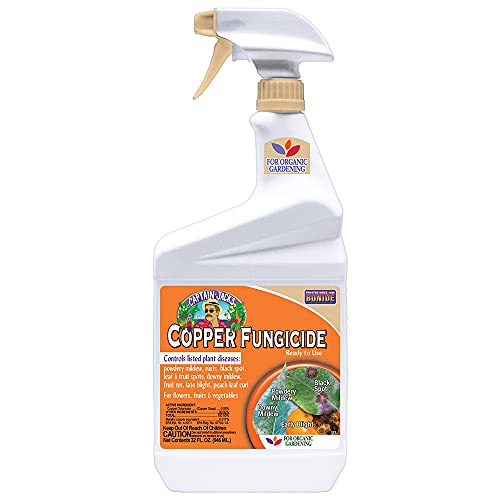
Control fungus and disease in your garden with Captain Jack’s ready-to-use Liquid Copper Fungicide!

Control fungus and disease in your garden with Captain Jack’s Liquid Copper Fungicide Concentrate!

Control fungus and disease in your garden with Captain Jack’s ready-to-spray Liquid Copper Fungicide!
Identifying Fungal Infections in Papaya Trees
Recognizing fungal infections in papaya trees is crucial for maintaining their health and productivity. Symptoms can vary, but early identification allows for timely intervention, potentially saving the crop from severe damage. Understanding these signs helps growers implement effective treatments and ensure robust growth.
Papaya trees are susceptible to various fungal diseases that can hinder their growth and fruit yield. Recognizing the symptoms early is essential for effective treatment.
Powdery mildew manifests as a white, powdery coating on leaves and stems. This fungus thrives in warm, dry conditions and can spread rapidly if not addressed.
Anthracnose appears as dark spots on leaves and fruit, leading to premature fruit drop and reduced quality. Root rot typically results from overwatering and poor drainage, causing wilting and yellowing leaves.
Fungal Infection Triggers in Papaya Trees
Understanding the triggers of fungal infections in papaya trees is essential for effective management and prevention. Various environmental factors, such as humidity and temperature, along with specific agricultural practices, can create conditions conducive to fungal growth. Identifying these triggers allows growers to implement timely interventions, ensuring the health and productivity of their papaya crops.
Fungal infections in papaya trees often stem from environmental factors and cultural practices. Key contributors include:
High humidity: Excess moisture creates a conducive environment for fungal growth.
Poor air circulation: Crowded planting can limit airflow, increasing humidity around the leaves.
Overwatering: Saturated soil can lead to root rot and other fungal diseases.
Inadequate nutrition: Nutrient deficiencies can weaken plants, making them more susceptible to infections.
Identifying these root causes will help in implementing effective prevention strategies.
Copper Fungicide Application Process for Papaya Trees
Applying copper fungicide to papaya trees can effectively manage common fungal infections that threaten their health and productivity. Understanding the proper application process is crucial for maximizing the benefits while minimizing potential harm. This section outlines the steps needed to safely and effectively apply copper fungicide to your papaya trees.
Applying copper fungicide requires careful preparation and execution to ensure maximum effectiveness. Follow these steps:
Select a suitable copper fungicide: Choose a product specifically formulated for fruit trees.
Prepare the solution: Mix the fungicide with water according to the manufacturer’s instructions.
Test on a small area: Apply the solution to a small section of the tree to check for adverse reactions.
Spray the affected areas: Use a spray bottle or garden sprayer to thoroughly coat the leaves and stems.
Repeat application: Reapply every 7-14 days, especially after rainfall, to maintain protection.
Recommended Products

DISEASE CONTROL: Disease & Fungus Control controls powdery mildew, rust, black spot, fruit rot, downy mildew, late blight, and other listed diseases

Control diseases and insects in your garden with Captain Jack’s Fruit Tree Spray Concentrate! Use on a variety of listed fruits, nuts and citrus plants.

Control fungus and disease in your garden with Captain Jack’s ready-to-spray Liquid Copper Fungicide!
Copper Fungicide Safety Measures for Papaya Trees
When using copper fungicide on papaya trees, it is essential to prioritize safety to protect both the plants and the environment. Understanding the proper application methods and precautions will help ensure effective treatment while minimizing potential risks. This section outlines key safety measures to follow when handling and applying copper fungicide to your papaya trees.
Using copper fungicide requires adherence to safety measures to protect yourself and the environment. Consider the following:
Always wear gloves and a mask during application.
Avoid spraying on windy days to prevent drift.
Keep children and pets away from treated areas until dry.
Dispose of any leftover solution according to local regulations.
Fungal Monitoring Strategies for Papaya Trees
Effective fungal monitoring is essential for maintaining the health of papaya trees, especially given their susceptibility to various fungal infections. By implementing strategic observation and assessment techniques, growers can identify early signs of fungal issues and take timely action to protect their crops. This section outlines practical methods for monitoring fungal health in papaya trees.
Regular monitoring of your papaya trees is essential for early detection of fungal issues. Check for signs of disease weekly, especially during humid weather. Maintain proper spacing between trees to enhance airflow and reduce humidity.
Implement a balanced fertilization schedule to ensure your trees receive adequate nutrients. This practice strengthens the plants, making them less vulnerable to fungal infections.
Alternative Treatments for Papaya Fungus
When dealing with fungal infections on papaya trees, exploring alternative treatments can provide effective solutions. These methods often complement traditional approaches, offering gardeners a range of options to combat common fungal issues. Understanding these alternatives can help ensure the health and productivity of your papaya trees.
In addition to copper fungicide, consider these alternative treatments for managing fungal diseases:
Neem oil: This natural pesticide can help control powdery mildew and other fungal issues.
Baking soda solution: Mixing baking soda with water can create a mild fungicide for preventive measures.
Organic compost: Improving soil health with compost can boost plant immunity against diseases.
Final Warning on Copper Fungicide Use
While copper fungicide can be an effective solution for managing fungal infections in papaya trees, its use comes with important considerations. Understanding the potential risks and proper application methods is crucial to ensure the health of your trees and the surrounding ecosystem. This section highlights key warnings to keep in mind when using copper fungicide.
Overuse of copper fungicide can lead to soil toxicity and harm beneficial microorganisms. Always follow application guidelines to avoid negative impacts on your garden ecosystem.
