

Have you ever dreamed of harvesting juicy, sweet cantaloupes right from your own garden? Picture this: on a warm summer day, walking out to your backyard and picking a perfectly ripe melon to enjoy. If you’ve been curious about how to grow these delicious fruits but aren’t sure where to start, you’re in the right place.
Imagine bypassing the grocery store’s mediocre selection and savoring the unparalleled flavor of homegrown cantaloupes. In this article, we’ll guide you through the simple steps needed to cultivate thriving cantaloupe plants in your own outdoor space. From selecting the ideal location to nurturing your plants as they flourish, we’ve got you covered.
Key Takeaways
- Cantaloupe, also known as muskmelon, is a delicious and nutritious fruit rich in vitamins A and C.
- Plant cantaloupes after the last frost date in well-draining soil with a pH level between 6.0 and 6.8 for optimal growth.
- Follow a structured planting process including timing, soil preparation, spacing, watering routine, mulching benefits, support structures, pruning practice, pollination promotion, and fruit protection for healthy plant development.
- Consistent deep watering once a week and vigilance against pests like aphids and diseases such as powdery mildew are essential for maintaining healthy cantaloupe plants.
- Harvest ripe cantaloupes based on color, smell, and texture indicators; store uncut fruits at room temperature for 2-4 days or refrigerate cut pieces tightly wrapped for up to 5 days.
Understanding Cantaloupe Basics
Cantaloupe, also known as muskmelon, is a delicious and juicy fruit that thrives in warm climates. If you’re considering growing cantaloupes in your garden, here are some essential details to help you get started.
What Is Cantaloupe?
Cantaloupe is a type of melon with a sweet orange flesh and a unique netted skin. It belongs to the Cucurbitaceae family, which includes cucumbers and pumpkins. This refreshing fruit is rich in vitamins A and C, making it a nutritious addition to your diet.
The Nutritional Benefits of Cantaloupe
Cantaloupes are not only tasty but also packed with health benefits. They are low in calories but high in essential nutrients like potassium and antioxidants. Eating cantaloupes can help improve digestion, boost immunity, and promote healthy skin due to their high water content.
By understanding the basics of cantaloupe cultivation and appreciating its nutritional value, you’ll be well-equipped to grow these delectable fruits in your own backyard.
Preparing to Plant Cantaloupe
Before diving into planting cantaloupes, it’s essential to get the groundwork right. Here are key steps to ensure your cantaloupe plants thrive from the start.
Recommended Products

Kindly NOTE: This soil tester can not be applied to test pH value of any other liquid. If the soil is too dry the indicator will not move, and water it before testing.

【4 in 1 function】This is a 4-in-1 multifunctional soil tester.Our soil tester fastly to measure soil moisture, pH, temperature and sunlight to help you take better care of flowers and plants.You can know when you need to water your soil by measuring moisture and pH & Temperature value of the soil and sunlight level of plants with it.
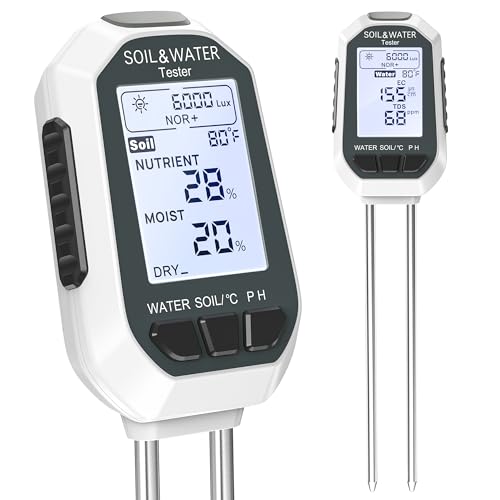
【7-in-1 Features】This is a 7-in-1 multi-function soil tester. Our soil tester quickly measures soil moisture, pH, temperature and light intensity, and its fertility function helps you take better care of your plants. With this device you can measure the soil moisture, pH, temperature and light intensity for your plants and with the EC and TDS functions you will know when it is time to water the soil.
Best Time for Planting
Plant your cantaloupes after the last frost date in your area. Cantaloupes love warmth, so choosing a time when the soil has warmed up is crucial for their growth. In most regions, this typically falls in late spring or early summer.
Choosing the Right Soil
Opt for well-draining soil with a pH level between 6.0 and 6.8 for optimal cantaloupe growth. Sandy loam soil works best as it prevents waterlogging, which can harm the plants. Adding compost or aged manure to the soil before planting can enhance its fertility and provide essential nutrients for healthy cantaloupe development.
By preparing adequately and selecting the right time and soil type, you set a solid foundation for successful cantaloupe cultivation in your garden.
The Planting Process
When it comes to planting cantaloupes, following a structured approach can set you up for success. Here’s a breakdown of the step-by-step planting guide and essential tips for ensuring healthy growth.
Recommended Products

INDOOR SEED STARTING KIT: Complete growing set includes two 36-cell planting trays, one water reservoir tray, 72 super growing pellets, and a dome greenhouse cover. An easy and efficient way to start seeds indoors! Use to grow your favorite herbs, vegetables and flowers.

Vegetable seeds variety pack: Grow 35 varieties of leafy greens, root vegetables, tomatoes, peppers, beans, peas, squash, melons, and more. Includes 16,000+ vegetable seeds for planting outdoors in raised beds, garden rows, or containers.

Graphene Seed Heat Mat for Faster Germination: Compared to traditional electric heating mats, our graphene heat mat heats up faster and more evenly, with a built-in timer for convenience. It creates the ideal environment for indoor seed starting trays, greenhouse seed germination, and hydroponic plant propagation. Designed for indoor gardening, this waterproof and reusable heat mat accelerates growth and improves seedling survival rates.
Step-by-Step Planting Guide
- Timing is Key: Wait until after the last frost date in your area before planting your cantaloupe seeds or seedlings. Cantaloupes thrive in warm soil, so timing is crucial for their growth.
- Choose the Right Spot: Select a sunny location with well-draining soil for your cantaloupe patch. These plants love sunlight and need good drainage to prevent waterlogging.
- Soil Preparation: Test your soil to ensure it has the right pH level (around 6.0-6.8) for optimal cantaloupe growth. Enhance soil fertility by incorporating compost or aged manure before planting.
- Spacing Matters: Allow adequate space between each plant to promote air circulation and prevent overcrowding, which can lead to disease issues later on.
- Planting Depth: When sowing seeds directly, plant them about an inch deep in the soil and space them according to the seed packet instructions. For seedlings, transplant them carefully into prepared mounds.
- Watering Routine: Keep the soil consistently moist but not waterlogged during the germination period. Once plants are established, water deeply but infrequently to encourage root growth.
- Mulching Benefits: Apply mulch around your plants to retain moisture, suppress weeds, and maintain even soil temperatures throughout the growing season.
- Support Structures: Consider using trellises or cages for vertical support as cantaloupe vines grow vigorously and may benefit from being kept off the ground.
- Pruning Practice: Regularly prune excess foliage and side shoots to redirect energy towards fruit production and improve air circulation within the plant canopy.
- Pollination Promotion: Encourage pollinators like bees by planting pollinator-friendly flowers nearby or hand-pollinate your cantaloupe blossoms if needed.
- Fruit Protection: Place straw or cardboard pieces under developing fruits to prevent direct contact with damp soil, reducing rotting risks.
Ongoing Care for Cantaloupe Plants
Taking care of your cantaloupe plants is crucial to ensure a bountiful harvest. Here are some essential tips to help you maintain healthy and thriving cantaloupe vines.
Recommended Products

EASIER SEED STARTING: Our Burpee SuperSeed tray with 36 flexible pop-out cells is designed to simplify indoor seed starting for all your favorite vegetables, flowers and herbs. Just add seed starting mix, seeds, water and light to get growing! Rows are labeled alphanumerically for seedling identification with included Plant-o-Gram diagram. Tray dimensions: 11.5" x 10-3/8" x 2-1/4"
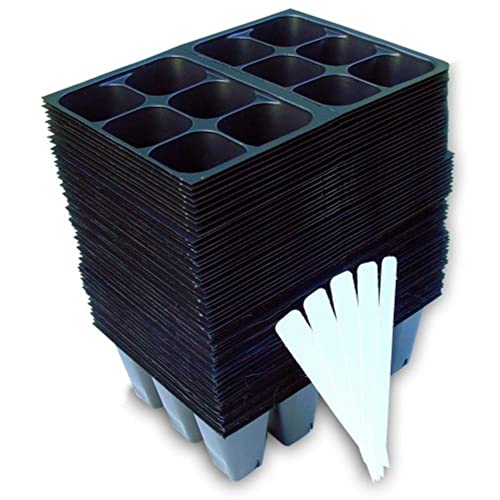
Drainage Holes: Each cell has drain holes at the bottom for proper water drainage.

Adjustable Vents: The seed trays have adjustable vents that allow you to regulate the temperature and humidity of your seedling environment for total control over the growing process.
Watering Techniques
When it comes to watering your cantaloupe plants, consistency is key. Make sure to water the plants deeply once a week, especially during dry spells or when the fruit is developing. Avoid overhead watering as it can lead to foliar diseases. Instead, aim for direct watering at the base of the plant to keep the leaves dry.
To check if your plants need water, insert your finger into the soil near the roots. If it feels dry about an inch down, it’s time to water. Remember not to overwater as this can cause root rot. Mulching around the base of the plants can also help retain moisture and reduce evaporation.
Fighting Pests and Diseases
Pests and diseases can pose a threat to your cantaloupe plants, but with proper care, you can minimize their impact. Keep an eye out for common pests like aphids, spider mites, and cucumber beetles that feed on cantaloupe vines.
Inspect your plants regularly for any signs of pest infestation or disease development such as powdery mildew or bacterial wilt. Consider using organic insecticidal soap or neem oil spray to deter pests while being mindful of beneficial insects like bees.
Practice crop rotation each season to prevent soil-borne diseases from recurring in the same area. Remove any diseased plant parts promptly and dispose of them properly to prevent further spread.
By following these watering techniques and staying vigilant against pests and diseases, you’ll be well-equipped to nurture your cantaloupe plants towards a successful harvest.
Harvesting and Storing Cantaloupe
Harvesting and storing cantaloupe is a crucial step to enjoy the fruits of your labor. Here’s how you can ensure a bountiful harvest and keep your cantaloupes fresh for longer.
Knowing When to Harvest
When it comes to harvesting cantaloupes, timing is key. To determine if your cantaloupes are ripe, look for these signs:
- Color: A ripe cantaloupe will have a golden hue under the netting.
- Smell: It should give off a sweet, musky aroma from the blossom end.
- Texture: The skin near the stem should yield slightly when pressed.
To harvest, gently twist the fruit from the vine or use sharp shears to cut it off. Remember not to pull as this can damage both the fruit and the plant.
Best Practices for Storage
Proper storage helps maintain the flavor and freshness of your harvested cantaloupes. Follow these tips:
- Room Temperature: Uncut cantaloupes can be stored at room temperature for 2-4 days.
- Refrigeration: Once cut, wrap the remaining fruit tightly in plastic wrap and store it in the refrigerator for up to 5 days.
- Freezing: You can also freeze cubed or balled cantaloupe on a baking sheet before transferring them to an airtight container in the freezer for up to 12 months.
By following these harvesting and storage guidelines, you can savor delicious homegrown cantaloupes throughout their peak freshness.
Conclusion
Growing your own cantaloupes can be a rewarding and fruitful experience. By following the planting guide and care tips provided, you can ensure healthy growth and a bountiful harvest of delicious, nutrient-rich fruits. Remember to pay attention to watering, soil quality, support structures, pollination, and pest control throughout the growing season. Harvesting at the right time and storing your cantaloupes properly will help maintain their flavor and freshness for longer periods. With dedication and proper care, you’ll soon be enjoying juicy cantaloupes straight from your garden. Happy growing!
Frequently Asked Questions
Q: What are the benefits of growing homegrown cantaloupes?
A: Homegrown cantaloupes offer superior flavor and nutritional benefits due to their high vitamin and nutrient content.
Q: When is the best time to plant cantaloupes?
A: Plant cantaloupes after the last frost date in a sunny location with well-draining soil for optimal growth.
Q: How should I care for my cantaloupe plants?
A: Provide consistent deep watering, avoid overhead watering, mulch for moisture retention, monitor soil moisture levels, and address pests promptly.
Q: How do I know when my cantaloupes are ripe for harvesting?
A: Determine ripeness by color, smell, and texture cues to ensure sweet and flavorful fruit ready for harvest.
