

Are squirrels raiding your fruit trees and leaving you frustrated? You’re not alone. Many gardeners face the same pesky problem when trying to protect their hard-earned harvests. Those furry little bandits can quickly turn your dreams of fresh fruit into a distant memory.
Key Takeaways
- Understand Squirrel Behavior: Recognizing the feeding habits and preferences of squirrels can help you develop effective strategies to deter them from your fruit trees.
- Use Physical Barriers: Implement tree guards, netting, fencing, and wire cages to create physical obstacles that prevent squirrels from accessing your trees.
- Natural Deterrents: Employ spicy sprays, predator urine, essential oils, or human hair to create an unwelcoming scent and taste that repels squirrels.
- Sound and Visual Scare Tactics: Utilize noise-making devices like wind chimes and ultrasonic repellers, along with visual devices like reflective objects and predator decoys, to scare squirrels away.
- Regular Tree Maintenance: Prune trees, inspect for damage, and remove fallen fruit to keep squirrels from being attracted to your trees.
- Provide Alternative Food Sources: Set up squirrel feeders with nuts or seeds in a different area to divert their attention away from your fruit trees, reducing damage to your harvest.
Understanding Squirrel Behavior
Squirrels often pose a challenge for gardeners due to their persistent feeding habits. By grasping their behavior, you can devise better strategies to protect your fruit trees.
Why Squirrels Target Fruit Trees
Squirrels are attracted to fruit trees because of the easy access to food. They seek ripe fruits, such as apples, peaches, and cherries. The high sugar content in these fruits makes them appealing. Additionally, squirrels store food for winter, so they may harvest fruit prematurely, further damaging your crops.
Common Squirrel Feeding Habits
Squirrels typically feed on a variety of items, including:
- Fruits: Ripe and soft fruits catch their attention first, providing essential sugars.
- Nuts: They prefer acorns and hazelnuts, which supply necessary fats and proteins.
- Seeds: Birdseed and garden seeds are also popular, especially in spring.
- Fungi: Some squirrels will forage for mushrooms, diversifying their diet.
Squirrels often feast in the morning or late afternoon. Observing these patterns helps you anticipate their visits and take preemptive action to protect your trees.
Effective Deterrents for Squirrels
You can employ various effective deterrents to keep squirrels away from your fruit trees. These methods fall into two main categories: physical barriers and natural repellents.
Recommended Products

Effective Fruit Tree Netting: Premium Garden netting creates a barrier to protect your fruit trees, blueberries, apples, tomatoes, and berries, ensure the health and...
Physical Barriers
- Tree Guards: Install tree guards around the trunk of each tree. These guards create a smooth surface that prevents squirrels from climbing. Metal or plastic guards work well.
- Netting: Use bird netting to cover low-hanging branches. Secure it tightly to avoid gaps where squirrels might enter. Consider using heavier-duty netting for better durability.
- Fencing: Erect a tall fence around your garden or fruit trees. Ensure the fence is at least 5-6 feet high. Bury the bottom 12 inches to deter digging.
- Wire Cages: Create wire cages for individual trees. Construct it with mesh wire that squirrels cannot chew through. Allow enough space for growth and sunlight.
- Spicy Sprays: Mix chili powder or hot sauce with water to create a spray. Apply it to the fruits and leaves of your trees. The strong smell and taste repel squirrels.
- Predator Urine: Purchase predator urine, such as fox or coyote, from garden stores. Apply it around the base of your trees and the surrounding area, simulating danger for squirrels.
- Essential Oils: Use peppermint or citrus essential oils to deter squirrels. Mix a few drops with water and spray it on the trees. Reapply after rain.
- Human Hair: Scatter human hair clippings around the base of the tree. The unfamiliar scent can discourage squirrels from approaching.
Implementing these strategies can significantly reduce the chances of squirrels raiding your fruit trees.
Sound and Visual Scare Tactics
Sound and visual scare tactics effectively deter squirrels from invading your fruit trees. Utilizing these methods can create an uncomfortable environment for these pesky critters.
Recommended Products
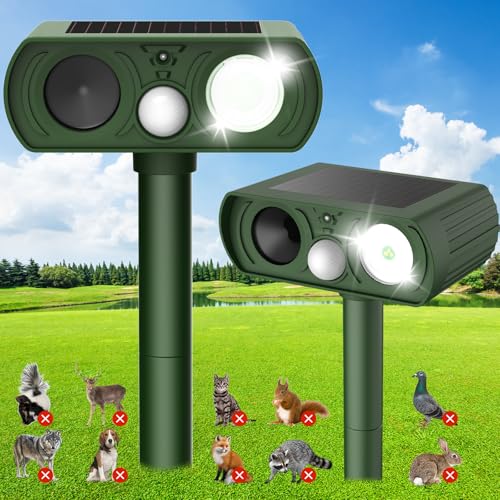
【Effectively Drive Away Animals】Once the advanced motion sensor detects animals nearby, the deer repellent devices activate, emitting strong ultrasonic sounds and flashing LED strobe lights. The ultra-powerful sonic & light scare animals away and effectively deter them from your protected area in a peaceful way.
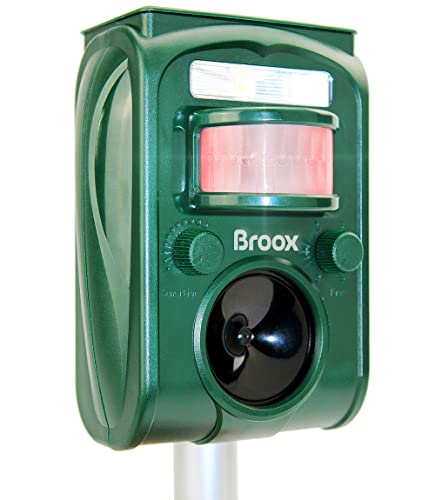
Do you have problem with unwanted animals in your area, garden, farm? Are they destroying your garden or eating the fruits? Do they bring many viruses to you? Let's start to use Broox deer Repellent to solve your problems! This effective device helps you to get rid of unwelcome animal visitors. It contains a motion detector system which detects movements and emits powerful ultrasonic sound and flashing LED light.

【Effectively Drive Away Animals】Once the advanced motion sensor detects animals nearby, the deer repellent devices activate, emitting strong ultrasonic sounds and flashing LED strobe lights. The ultra-powerful sonic & light scare animals away and effectively deter them from your protected area in a peaceful way.
Noise-Making Devices
Noise-making devices disrupt the feeding patterns of squirrels. Some effective options include:
- Wind Chimes: Install wind chimes near your trees. The random sounds can startle squirrels and deter them from approaching.
- Ultrasonic Repellers: Use ultrasonic devices that emit frequencies irritating to squirrels but inaudible to humans. Place these near your fruit trees for best results.
- Recorded Animal Sounds: Play recordings of predator calls, like hawks or foxes. This signals danger and encourages squirrels to stay away.
Visual Scare Devices
Visual scare devices create a frightening atmosphere for squirrels. Consider using the following:
- Reflective Objects: Hang old CDs, aluminum foil strips, or reflective tape. The sunlight creates flashes that can scare away squirrels.
- Predator Decoys: Place decoy animals, like owls or snakes, in the vicinity of your trees. The sight of these predators often keeps squirrels at a distance.
- Colorful Flags or Streamers: Attach bright flags or colorful streamers to branches. The movement in the wind catches the squirrels’ attention and can be perceived as a threat.
Implementing these sound and visual scare tactics can significantly reduce squirrel activity around your fruit trees, helping protect your precious harvest.
Maintaining a Squirrel-Free Environment
Creating a squirrel-free environment around your fruit trees involves regular maintenance and strategic planning. You can effectively reduce the chances of squirrels raiding your trees by following some simple practices.
Recommended Products

Size: Deer netting size 7 feet x 100 feet; garden netting mesh size 3/4"; color: black; Easy to use accessories included: 10pcs installation nails & 50pcs cable ties

STOPS DAMAGE FAST – Contains powerful ingredients that prevent squirrels from chewing & gnawing on wires, plants, outdoor furniture, and more

Unlike the Squirrel Baffle, our squirrel spikes can be easily bent and wrapped around a variety of types and sizes of surfaces, including bird feeder poles, trees, fences, and pipes.
Tree Maintenance Tips
Regular tree maintenance plays a vital role in keeping squirrels at bay. Here are some tips to consider:
- Prune Trees: Keep branches trimmed and away from structures like fences or roofs. This discourages squirrels from easily accessing your trees.
- Inspect for Holes: Check for any holes or signs of damage in the bark. Healthy trees are less appealing to squirrels.
- Remove Fallen Fruit: Clean up any dropped fruit promptly. Fallen fruit attracts squirrels and other pests.
- Water Regularly: Ensure your trees receive enough water. Healthy trees produce better fruit and may deter squirrels seeking food sources.
Alternative Food Sources
Providing squirrels with alternative food sources can divert their attention from your fruit trees. Here’s how you can do it:
- Feeders: Set up squirrel feeders in a different area of your yard. Fill them with nuts and seeds to keep squirrels occupied and away from your trees.
- Plant Shrubs: Grow low-maintenance shrubs that produce berries or nuts, serving as a distraction for squirrels.
- Position Feeders: Place squirrel feeders at a distance from fruit trees to ensure squirrels focus on these sources instead of your harvest.
By maintaining your trees properly and offering alternative food options, you can significantly reduce the presence of squirrels in your garden.
Conclusion
Keeping squirrels away from your fruit trees doesn’t have to be a daunting task. By understanding their habits and preferences you can implement a mix of strategies that work for your garden. Whether it’s using physical barriers or natural repellents you’ve got plenty of options to choose from.
Regular maintenance and offering alternative food sources can also make a big difference. With a little effort and creativity you can protect your precious harvest and enjoy the fruits of your labor. Happy gardening and may your trees thrive without squirrel interference!
Frequently Asked Questions
Why do squirrels raid fruit trees?
Squirrels are attracted to fruit trees primarily for their sweet, ripe fruits, such as apples, peaches, and cherries. They may also harvest fruit early to store it for winter, which can lead to significant damage to the trees and reduce your harvest.
How can I protect my fruit trees from squirrels?
You can protect your fruit trees using physical barriers like tree guards and netting, along with natural repellents such as spicy sprays or essential oils. Combining these methods will create a less inviting environment for squirrels.
When are squirrels most active around fruit trees?
Squirrels typically feed in the morning and late afternoon. By watching for their activity patterns, you can implement deterrents at the most effective times to keep them away from your trees.
What are some natural repellents for squirrels?
Natural repellents include spicy sprays, predator urine, essential oils, and even human hair. These substances can make your garden less appealing to squirrels, encouraging them to look for food elsewhere.
How can tree maintenance help keep squirrels away?
Regular tree maintenance, such as pruning branches and removing fallen fruit, can deter squirrels by reducing easy access to your fruit. Keeping the area around trees clean helps eliminate potential attractions.
Is it effective to use sound and visual scare tactics against squirrels?
Yes, using sound-making devices like wind chimes and ultrasonic repellers, along with visual scare tactics like reflective objects or decoys, can disrupt squirrels’ feeding behaviors and make them wary of your garden.
