

Have you ever dreamed of stepping into your backyard and picking fresh, juicy blackberries straight from the vine? Picture this: the sun-kissed berries glistening in the morning light, ready to be enjoyed at your fingertips. If you’ve been longing to cultivate your own bountiful blackberry bushes but aren’t sure where to begin, you’re in the right place.
Key Takeaways
- Choose blackberry varieties based on climate adaptability and fruit characteristics for a successful harvest tailored to your preferences.
- Prepare your backyard by testing soil acidity, clearing weeds, and selecting a sunny location with good air circulation for optimal blackberry growth.
- Plant blackberries in well-draining soil, provide adequate sunlight, space them properly, use support systems like trellises, and apply mulch for moisture retention.
- Maintain your blackberry plants by watering consistently, pruning dead canes, training growth on trellises, and monitoring pests and diseases regularly.
- Harvest ripe blackberries early in the morning, handle them gently to avoid damage, cool them promptly after picking, store in shallow containers lined with paper towels without washing until consumption.
Choosing the Right Blackberry Varieties
When selecting blackberry varieties for your backyard, it’s essential to consider factors like climate adaptability and fruit characteristics. Here’s what you need to know:
Recommended Products

THORNLESS & SAFE TO HARVEST: 6 Healthy seedlings that are ready to plant. Thornless stems prevent scratches and make picking berries easier. Perfect for families and gardeners of all experience levels.
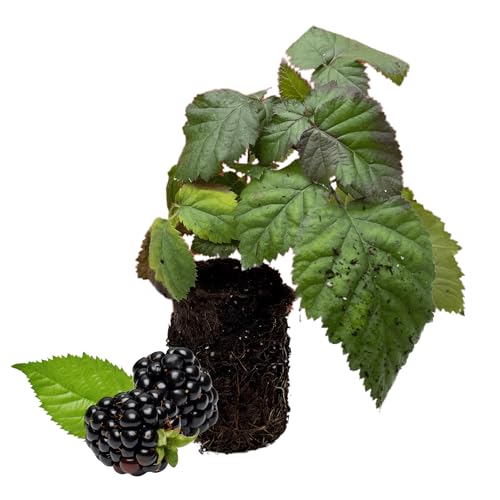
Popular variety that produces large, sweet, and firm berries

Sweet & Nutritious Berries:The berries have a sweet taste, rich in various vitamins, minerals such as calcium, iron and zinc, as well as amino acids and essential dietary fiber. They are suitable for fresh eating or making jams and desserts, meeting the needs of a healthy diet.
Consider Climate Adaptability
Blackberries thrive in various climates, but it’s crucial to choose a variety that suits your specific region. Different cultivars have varying temperature and soil requirements. For instance, thornless blackberries are often more adaptable to colder climates, while erect varieties may do better in warmer regions.
Assess Fruit Characteristics
Before deciding on a blackberry variety, think about the fruit characteristics you prefer. Some varieties produce large, sweet berries ideal for fresh eating, while others are better suited for baking or preserving. Consider factors like berry size, flavor intensity, and harvest time to ensure you select a variety that aligns with your preferences.
By considering climate adaptability and fruit characteristics when choosing blackberry varieties for your backyard, you can cultivate a fruitful harvest tailored to your preferences and growing conditions.
Preparing Your Backyard for Planting
To ensure successful blackberry growth in your backyard, proper preparation is key. Here’s how you can get your outdoor space ready for planting blackberries:
Recommended Products

Quick, at home results for Soil pH, Nitrogen, Phosphorous and Potash Innovative and inexpensive soil test kit features an easy-to-use capsule system and patented color comparators

Kindly NOTE: This soil tester can not be applied to test pH value of any other liquid. If the soil is too dry the indicator will not move, and water it before testing.

KNOW BEFORE YOU GROW | Grow the healthiest, sustainable lawn and garden with the most accurate and easy to use professional soil test kit on the market
Soil Preparation
Start by testing the soil acidity level in your backyard using a simple pH test kit. Blackberries thrive in slightly acidic soil with a pH range of 5.5 to 7. If necessary, adjust the soil pH by adding amendments like sulfur to lower it or lime to raise it.
Next, clear the planting area of any weeds, rocks, or debris that may impede blackberry growth. Loosen the soil to a depth of at least 12 inches using a garden fork or tiller to improve drainage and root penetration.
Choosing the Right Location
Select a sunny spot in your backyard for planting blackberries as they require full sun exposure to produce abundant fruit. Ensure there is good air circulation around the plants to prevent diseases.
Consider proximity to water sources for irrigation purposes and ease of access for maintenance tasks like pruning and harvesting. Avoid low-lying areas where water may pool, as excessive moisture can lead to root rot.
By following these steps and preparing your backyard adequately, you’ll create an ideal environment for growing flavorful blackberries right at home.
Planting and Spacing Guidelines
When planting blackberries in your backyard, follow these guidelines to ensure optimal growth and a plentiful harvest.
Recommended Products

🌹2 in 1 Garden Trellis -- Our plant trellis can be configured into 2 types of trellising (panel trellis & plant cage), and you also can place 2 or most panels together to form a larger trellis panel or cage. Adjustable structure plant stakes can meet your different plant supports need.

4pack Fiberglass Material Raspberry Cross Stake System with Adjustable Cross-bars, Height Adjustable

High-quality material: Our tomato twist stake trellis is made of high-quality steel wire with coating on the surface, smooth to the touch, and not easy to rust after long-term use. Sturdy steel wire is not easy to break and bend, enough to provide stable support for plants
Selecting the Right Location
Choose a sunny spot in your yard with good air circulation and well-draining soil. Blackberries thrive in full sun, so aim for at least 6-8 hours of sunlight per day. Adequate sunlight helps the plants produce sweet and juicy berries.
Soil Preparation Tips
Before planting, test the acidity levels of your soil to ensure it falls within the ideal range for blackberries, which is typically between pH 5.5 and 7. If needed, amend the soil with organic matter like compost to improve its quality and drainage.
Planting Techniques
When planting blackberry bushes, space them about 3-6 feet apart to allow room for growth and proper airflow between plants. Dig a hole slightly larger than the root ball of each plant, ensuring they are planted at the same depth as they were in their containers.
Support Systems
Consider installing trellises or stakes to support your blackberry plants as they grow. This will help keep the canes upright and make harvesting easier by preventing them from sprawling on the ground.
Mulching Benefits
After planting, apply a layer of mulch around the base of your blackberry bushes to retain moisture, suppress weeds, and regulate soil temperature. Organic mulches like straw or wood chips work well for blackberries.
By following these planting and spacing guidelines, you’ll set up your blackberry bushes for success and enjoy a bountiful harvest of delicious fruits right from your backyard.
Maintaining Your Blackberry Plants
Taking care of your blackberry plants is essential to ensure a thriving harvest. Here are some key aspects to focus on:
Watering Techniques
When it comes to watering your blackberry plants, consistency is key. Make sure the soil remains consistently moist but not waterlogged. During dry spells, you may need to water more frequently, especially in the early stages of growth. A good practice is to water at the base of the plant to avoid wetting the leaves, which can lead to disease.
Pruning and Training
Pruning and training your blackberry plants help promote healthy growth and maximize fruit production. Start by removing dead or damaged canes in late winter or early spring. Regularly thin out excess canes to improve air circulation and sunlight exposure. Consider using a trellis system to support the growing canes and make harvesting easier.
Controlling Pests and Diseases
To protect your blackberry plants from pests and diseases, monitor them regularly for any signs of trouble. Common pests include aphids, spider mites, and Japanese beetles, while fungal diseases like powdery mildew can also affect your plants. Consider using natural remedies or organic pesticides if needed, but always follow instructions carefully to avoid harming beneficial insects or bees that pollinate your berries.
By following these tips on watering, pruning, and pest control, you’ll be well-equipped to maintain healthy blackberry plants in your backyard garden.
Harvesting and Storing Blackberries
Harvesting and storing blackberries is a rewarding process that allows you to enjoy the fruits of your labor. Here are some best practices for harvesting and tips for storing your freshly picked blackberries:
Best Practices for Harvest
- Timing: Blackberries are at their best when they are fully ripe, which is indicated by their deep color and plumpness. It’s recommended to harvest them early in the morning when they are cool.
- Gentle Handling: Handle the berries carefully to avoid damaging them, as they can be quite delicate. Use a pair of scissors or pruning shears to cut the berries from the plant without squishing them.
- Immediate Cooling: After harvesting, it’s essential to cool blackberries promptly to maintain their freshness. Place them in the refrigerator as soon as possible.
- Proper Containers: Store blackberries in shallow containers or trays lined with paper towels to absorb excess moisture and prevent mold growth.
- Avoid Washing: Only wash blackberries right before consuming them, as washing them before storage can cause them to spoil faster.
By following these guidelines for harvesting and storing blackberries, you can ensure that you savor the delicious taste of home-grown berries all season long.
Conclusion
Growing blackberries in your backyard can be a rewarding experience. By selecting the right varieties suited to your climate and preferences, preparing the soil adequately, and providing proper care throughout the growing season, you can enjoy a bountiful harvest of delicious berries. Remember to maintain consistent watering, implement pruning techniques for healthy growth, and monitor for pests and diseases. Harvest your blackberries when fully ripe, handle them gently, and store them properly to savor the fruits of your labor all season long. With dedication and attention to detail, you’ll soon be enjoying fresh blackberries picked straight from your own backyard – a truly satisfying way to connect with nature and indulge in home-grown goodness.
Frequently Asked Questions
What are some key factors to consider when selecting blackberry varieties?
When selecting blackberry varieties, it is crucial to consider climate adaptability and fruit characteristics. Factors like temperature requirements and berry attributes play a significant role in choosing varieties suited to your region and preferences.
Why is soil preparation important before planting blackberries?
Soil preparation before planting blackberries is essential as it helps in testing acidity levels, clearing the area of impediments, and creating an ideal environment for growth. Choosing a sunny location with good air circulation and proper drainage ensures successful cultivation of flavorful berries at home.
What guidelines should be followed for planting and spacing blackberries?
For planting and spacing blackberries, it is advised to select sunny spots, test soil acidity, use proper planting techniques, install support systems like trellises, and apply mulch for optimal growth. Following these guidelines will help ensure a bountiful harvest of delicious fruits from your backyard.
How can you maintain healthy blackberry plants?
To maintain healthy blackberry plants, practice proper watering techniques to keep the soil consistently moist, employ pruning and training methods for healthy growth and maximum fruit production, and monitor pests and diseases using natural remedies or organic pesticides.
What are some best practices for harvesting and storing blackberries?
When harvesting blackberries, pick fully ripe berries early in the morning, handle them gently, cool them promptly after picking, store them in appropriate containers without washing until consumption to maintain freshness throughout the season.
