Close Menu
    Fruit Tree Hub
    • Home
    • Apple Trees
    • Lemon Trees
    • Mango Trees
    • Orange Trees
    • More Trees
      • Best Fruit Trees
      • Apricot Trees
      • Cherry Trees
      • Fig Trees
      • Lime Trees
      • Mulberry Trees
      • Peach Trees
      • Pear Trees
      • Plum Trees
      • Pomegranate Trees
    • Tips and Advice
      • Tools
    • About Us
      • Contact
      • Privacy Policy
    Fruit Tree Hub
    Home»Climbing Fruit»Raspberry»Do You Need to Wash Raspberries? Essential Guide for Safe Consumption
    Raspberry

    Do You Need to Wash Raspberries? Essential Guide for Safe Consumption

    Lucy SmithBy Lucy SmithSeptember 2, 20246 Mins Read
    Share Facebook Twitter Pinterest WhatsApp Email
    Share
    Facebook Twitter LinkedIn Pinterest Telegram Email

    Have you ever picked up a punnet of fresh raspberries at the store, eager to enjoy their juicy sweetness, only to wonder – do you need to wash raspberries before eating them? Picture this: You’re about to indulge in these vibrant red berries, but a nagging doubt creeps in about potential pesticides or dirt. In this article, we’ll address your concerns and provide clarity on whether washing raspberries is necessary.

    Contents show
    1 Key Takeaways
    2 Understanding Raspberries and Contaminants
    2.1 What Are Raspberries?
    2.2 Common Contaminants on Raspberries
    3 The Importance of Washing Raspberries
    3.1 Health Benefits of Washing Raspberries
    3.2 Risks of Not Washing Raspberries
    4 How to Properly Wash Raspberries
    4.1 Step-by-Step Guide to Washing Raspberries
    5 Alternatives to Washing Raspberries
    5.1 Using Vinegar Solutions
    5.2 Commercial Produce Washes
    6 Conclusion
    7 Frequently Asked Questions
    7.1 Why is washing raspberries important before eating them?
    7.2 How should I wash raspberries properly?
    7.3 Are there alternative methods for cleaning raspberries effectively?

    Key Takeaways

    • Raspberries may contain contaminants like pesticides, dirt, bacteria, and mold, making washing them crucial for food safety.
    • Washing raspberries with cold water helps remove potential harmful substances and ensures clean consumption.
    • Skipping the washing step increases the risk of ingesting pesticides or contaminants that might lead to health issues.
    • Properly wash raspberries by gently swishing them in cold water, rinsing under running water, and patting dry before eating or storing.

    Understanding Raspberries and Contaminants

    Raspberries are delicate, flavorful fruits that belong to the rose family. They are known for their vibrant red color and sweet-tart taste. When it comes to raspberries, understanding their characteristics and potential contaminants is essential for safe consumption.

    What Are Raspberries?

    Raspberries are small, juicy berries with a rich nutritional profile. They are packed with vitamins, antioxidants, and dietary fiber. These berries come in various colors such as red, black, purple, or gold, each offering a unique flavor experience.

    MUST READ
    Do Raspberries Grow in Shade? Tips for Successful Cultivation

    Common Contaminants on Raspberries

    Common contaminants found on raspberries include pesticides, dirt, bacteria, and mold. Pesticides may be present due to farming practices aimed at protecting the crops from pests. Dirt can accumulate during harvesting or transportation processes. Bacteria and mold can grow on raspberries if they are not handled or stored properly.

    Remember that washing raspberries before consuming them is crucial to remove any potential contaminants and ensure food safety. By rinsing the berries gently under cold water just before eating or using them in recipes, you can enjoy your raspberries without worrying about harmful substances.

    The Importance of Washing Raspberries

    When it comes to raspberries, washing them before consumption is crucial for your health and safety. Let’s explore why washing these delicious berries is so important.

    Recommended Products

    Swirling Berry Washing Bowl, Self-Spinning Fruit & Vegetable Washer with Drain, 360° Vortex Cleaning, Rapid Wash Multipurpose Kitchen Colander, Ideal Gift for Fruit Lovers (3D printed version)
    Swirling Berry Washing Bowl, Self-Spinning Fruit & Vegetable Washer with Drain, 360° Vortex Cleaning, Rapid Wash Multipurpose Kitchen Colander, Ideal Gift for Fruit Lovers (3D printed version)

    360 degree spin cleaning, saving time and effort: gently shake or rotate the bowl, and the water flows through the precision holes to form a vortex, washing every berry, grape or tomato in all directions without stirring by hand, without damaging the skin.

    VIEW LATEST PRICE

    As an affiliate, we earn on qualifying purchases.

    RUINXXT Self Spinning Berry Washing Bowl, Ceramic Berry Bowl with Drain Holes, Fruit Washer Spinner with Strainer and Colander, Handmade Multipurpose Bowl for Washing Berries, Fruits and Vegetables
    RUINXXT Self Spinning Berry Washing Bowl, Ceramic Berry Bowl with Drain Holes, Fruit Washer Spinner with Strainer and Colander, Handmade Multipurpose Bowl for Washing Berries, Fruits and Vegetables

    Effortless Gentle Cleaning: This self spinning berry bowl creates generates a dynamic natural water flow, allowing the fruit to rotate and clean itself, achieving a deep clean without scrubbing.

    VIEW LATEST PRICE

    As an affiliate, we earn on qualifying purchases.

    Berry Bowls with Holes Ceramic,Berry Washing Bowl,For Raspberries,Grapes
    Berry Bowls with Holes Ceramic,Berry Washing Bowl,For Raspberries,Grapes

    【High Temperature Ceramic】Crafted from premium clay fired at extreme temperatures, this sturdy 647g colander offers a safe, plastic-free option for your kitchen, ensuring a clean and pleasant food preparation experience

    MUST READ
    Discovering Wild Raspberries: Where Do They Grow and How to Find Them
    VIEW LATEST PRICE

    As an affiliate, we earn on qualifying purchases.

    Health Benefits of Washing Raspberries

    Washing raspberries helps remove potential contaminants like pesticides, dirt, bacteria, and mold that may be present on the surface. By rinsing them with cold water, you can reduce the risk of ingesting harmful substances and ensure that you’re consuming clean and safe berries.

    Risks of Not Washing Raspberries

    If you skip washing raspberries before eating or using them in recipes, you could be exposing yourself to pesticides or other contaminants that may have been sprayed or accumulated on the fruit during farming and handling. Consuming unwashed raspberries increases the chances of ingesting harmful chemicals or pathogens, potentially leading to health issues.

    Remember, taking a few moments to wash your raspberries thoroughly can go a long way in safeguarding your well-being and enjoying these nutritious fruits without any worries about unwanted residues.

    How to Properly Wash Raspberries

    When it comes to enjoying raspberries, ensuring they are clean is essential for your well-being. Here’s a simple guide on how to properly wash raspberries and some tips to help you avoid damaging them in the process.

    Recommended Products

    Full Circle The Ring Bamboo Produce Scrub Brush, Removes Dirt from Veggies
    Full Circle The Ring Bamboo Produce Scrub Brush, Removes Dirt from Veggies

    VERSATILE, EFFECTIVE CLEANING POWER: Crafted from sustainable bamboo with recycled plant fiber and plastic bristles, The Ring Veggie Brush is a perfect choice for scrubbing vegetables and fruits, such as potatoes, carrots, mushrooms, and more.

    VIEW LATEST PRICE

    As an affiliate, we earn on qualifying purchases.

    Vegetable Brush Potato Scrubber Brush Non Slip Comfortable Fruit Cleaning Tools for Washing Fruit Mushrooms Carrot or Tough-Skinned Vegetables (1 Pack Grey)
    Vegetable Brush Potato Scrubber Brush Non Slip Comfortable Fruit Cleaning Tools for Washing Fruit Mushrooms Carrot or Tough-Skinned Vegetables (1 Pack Grey)

    High quality materials: Our vegetable scrubber is made of plastic, sturdy and durable, not easily deformed, with hard and soft bristles that can penetrate deep into the gaps between fruits and vegetables, effectively removing dirt and stains

    MUST READ
    When to Prune Raspberry Bushes: Expert Tips for Optimal Growth and Fruit Yield
    VIEW LATEST PRICE

    As an affiliate, we earn on qualifying purchases.

    Aodaer 4 Pieces Vegetable Brush Potato Scrubber Brush Silicone Hard and Soft Side Fruit Cleaning Tools for Delicate or Tough-Skinned Vegetables
    Aodaer 4 Pieces Vegetable Brush Potato Scrubber Brush Silicone Hard and Soft Side Fruit Cleaning Tools for Delicate or Tough-Skinned Vegetables

    Package includes: each set comes with 4 pieces of vegetable brushes, each in blue, rose red, yellow, green respectively, sufficient for daily using and replacing

    VIEW LATEST PRICE

    As an affiliate, we earn on qualifying purchases.

    Step-by-Step Guide to Washing Raspberries

    1. Preparation: Before washing raspberries, fill a bowl with cold water.
    2. Place Raspberries: Gently place the raspberries in the water-filled bowl.
    3. Swish and Soak: Lightly swish the berries around in the water and let them soak for a few minutes.
    4. Rinse: After soaking, rinse the raspberries under cold running water while gently rubbing them with your fingers.
    5. Drain Excess Water: Once rinsed, drain the excess water by placing the berries on a paper towel or colander.
    6. Pat Dry: To remove any remaining moisture, pat the raspberries dry with a paper towel before consumption or storage.
    • Be Gentle: Handle raspberries delicately to prevent bruising or crushing them during washing.
    • Avoid Prolonged Soaking: Limit soaking time to prevent berries from becoming too soft or losing flavor.
    • Use Cold Water: Always wash raspberries with cold water as hot water can cause them to lose their shape and texture.
    • Inspect for Mold: Before washing, check for any moldy or damaged berries and discard them to maintain freshness.
    • Wash Just Before Use: It’s best to wash raspberries just before eating or using them in recipes rather than in advance to preserve their quality.
    MUST READ
    Growing Raspberries in a Pot: Tips for Successful Harvests

    By following these simple steps and tips, you can enjoy delicious and clean raspberries without compromising their taste or nutritional value.

    Alternatives to Washing Raspberries

    If you’re looking for alternative methods to washing raspberries, here are a couple of options you can consider:

    Recommended Products

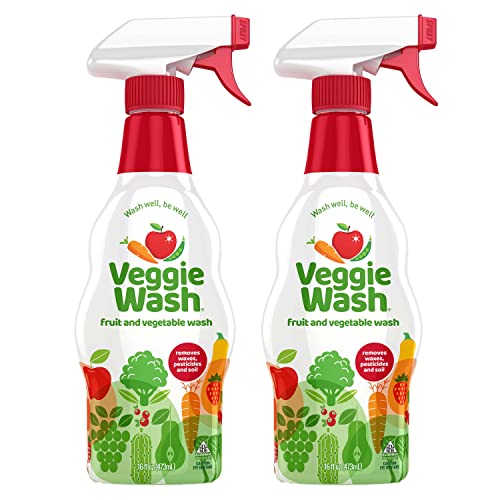
    Veggie Wash Fruit and Vegetable Wash, 16 Fluid Ounce, Pack of 2
    Veggie Wash Fruit and Vegetable Wash, 16 Fluid Ounce, Pack of 2

    WASH WELL, BE WELL: safely removes wax, soil, agricultural chemicals, and handling residue found on both standard and organic fruits and veggies

    VIEW LATEST PRICE

    As an affiliate, we earn on qualifying purchases.

    ATTITUDE Fruit & Vegetable Wash, Unscented Food-Safe Produce Wash to Remove Dirt, Wax & Residue, Vegan Plant-Based Produce Cleaner, 27.1 Fl Oz
    ATTITUDE Fruit & Vegetable Wash, Unscented Food-Safe Produce Wash to Remove Dirt, Wax & Residue, Vegan Plant-Based Produce Cleaner, 27.1 Fl Oz

    CLEAN INGREDIENTS: This fruit and vegetable cleaner is made with clean ingredients and is free from harsh and potentially harmful chemicals. It contains no ammonia, alcohol, SLES, or EDTA.

    VIEW LATEST PRICE

    As an affiliate, we earn on qualifying purchases.

    Rebel Green Fruit & Veggie Clean, Plant-Derived Produce Cleaner
    Rebel Green Fruit & Veggie Clean, Plant-Derived Produce Cleaner

    EFFECTIVE FRUIT AND VEGETABLE CLEAN WASH: This natural produce wash stands out for its quality and effectiveness. It uses clean ingredients you can trust to refresh produce from delicate berries to crisp apples, ensuring each bite is pure and fresh.

    VIEW LATEST PRICE

    As an affiliate, we earn on qualifying purchases.

    Using Vinegar Solutions

    Try using a vinegar solution as an alternative to water when cleaning your raspberries. You can make a simple vinegar rinse by mixing one part white vinegar with three parts water. Place the raspberries in this solution for about 5 minutes, then rinse them thoroughly with cold water before consuming. The acidity of the vinegar can help remove any contaminants on the berries.

    Commercial Produce Washes

    Another option is to use commercial produce washes specifically designed for fruits like raspberries. These washes are formulated to safely clean produce and remove residues effectively. Follow the instructions on the product label for the best results. Remember to rinse the raspberries with cold water after using the commercial wash to ensure they are ready to eat.

    MUST READ
    Preserving Fresh Picked Raspberries: Storage Tips and Long-Term Solutions

    By exploring these alternatives, you can find different ways to clean your raspberries effectively while ensuring their safety and freshness for consumption.

    Conclusion

    You now understand the importance of washing raspberries before enjoying them. By following simple steps like being gentle, using cold water, and checking for mold, you can ensure your berries are clean and safe to eat. Remember, it’s best to wash them right before eating to maintain freshness. If you prefer alternative methods like vinegar solutions or produce washes, go ahead and use those to guarantee a thorough cleaning process. Keep these tips in mind next time you reach for those delicious raspberries – a little wash goes a long way in keeping you healthy!

    Frequently Asked Questions

    Why is washing raspberries important before eating them?

    Washing raspberries is crucial to remove contaminants like pesticides, dirt, bacteria, and mold that can be present on the surface of the berries. This helps ensure food safety and reduces potential health risks associated with consuming unwashed produce.

    How should I wash raspberries properly?

    To wash raspberries properly, gently rinse them under cold water just before consumption. Avoid prolonged soaking, which can lead to loss of flavor and texture. Inspect for any mold or spoilage before washing, and handle the berries delicately to prevent damage.

    Are there alternative methods for cleaning raspberries effectively?

    Yes, you can use vinegar solutions or commercial produce washes as alternative methods for cleaning raspberries. These solutions can help remove contaminants more efficiently while ensuring that the berries remain safe and fresh for consumption.

    Share. Facebook Twitter Pinterest LinkedIn Tumblr Email
    lucy smith
    Lucy Smith
    • Website

    Lucy Smith is a highly experienced horticulturist with a passion for fruit tree cultivation. She holds a degree in Horticulture from the University of California, Davis, and has worked in various roles in the industry. With over 10 years of experience, Lucy is dedicated to using eco-friendly methods for sustainable gardening practices.

    Related Posts

    Discovering Raspberry Growth Maps: Unveiling Ideal Cultivation Regions Worldwide

    September 7, 2024

    Companion Planting Blackberries and Raspberries: Tips for Successful Growth

    September 7, 2024

    When to Transplant Black Raspberries for Healthy Growth and Fruit Production

    September 7, 2024

    How to Grow Raspberries in Ohio: A Complete Guide for Successful Harvests

    September 7, 2024

    What Type of Soil Do Raspberries Need? Tips for Healthy Growth and Bountiful Harvests

    September 7, 2024

    Companion Planting Strawberries, Blueberries, and Raspberries: Tips for a Thriving Berry Garden

    September 7, 2024
    Leave A Reply Cancel Reply

    Affiliate Disclosure

    As an Amazon Associate I earn from qualifying purchases.

    Recommended Reading

    What Fruit Trees Don’t Need Pollinators: A Guide to Self-Pollinating Varieties for Your Garden

    19 Creative Decorative Knitting Stitches For A Fresh New Look

    Can You Use Sevin Spray on Fruit Trees for Effective Pest Control and Safety Tips

    How Long for Banana Tree to Bear Fruit: Essential Tips for Faster Growth and Care

    Persimmon Trees in a Pot in South Carolina: Southern Growth Secrets

    Why is My Meyer Lemon Tree Dropping Fruit: Tips to Prevent Premature Loss and Boost Harvest

    Can Fig Trees Grow in Indianapolis, IN? Midwestern Tips

    How Old is an Apple Tree Before It Bears Fruit: Essential Tips for Successful Growth

    How Are Pomegranates Grown

    Extend Fiskars Tree Pruner Stick Safely: Expert Tips Inside

    Fruit Tree Hub

    Fruit Tree Hub is a website dedicated to providing you everything you need to grow fruit trees successfully at in your own yard.

    Contact us at: [email protected]

    - AFFILIATE DISCLOSURE: As an Amazon Associate I earn from qualifying purchases.

    Latest Posts

    Can Olive Trees Grow in New Jersey? Garden State Growth Tips

    Can Star Fruit Trees Grow in Missouri? Expert Variety Guide

    How to Grow Jujube Trees in Las Vegas, NV: Desert Growth

    Mango Trees in Illinois: Indoor and Greenhouse Growth Secrets

    Growing Papaya Trees in Oklahoma: High Heat Resilience

    Tamarind Trees in a Pot in Ohio (Complete Maintenance Manual)

    Can Fig Trees Grow in Long Beach, CA? Coastal Salt Tips

    Plum Trees in District of Columbia (Urban Microclimate Tips)

    Categories
    • Almond Trees
    • Apple Trees
    • Apricot Trees
    • Best Fruit Trees
    • Blackberry
    • Cantaloupe
    • Cherry Trees
    • Crochet Ideas
    • Crochet Ideas for Beginners
    • Cucamelon
    • Easy Crochet Ideas
    • Easy Knitting Projects
    • Fig Trees
    • Grapefruit Trees
    • Grapes
    • Guava Trees
    • Honeydew
    • Jujube Trees
    • Kiwi
    • Knitting For Beginners
    • Knitting Ideas
    • Knitting Inspiration
    • Lemon Trees
    • Lime Trees
    • Loquat Trees
    • Mango Trees
    • Mulberry Trees
    • Nectarine Trees
    • Olive Trees
    • Orange Trees
    • Papaya Trees
    • Peach Trees
    • Pear Trees
    • Persimmon Trees
    • Planting
    • Plum Trees
    • Pomegranate Trees
    • Quince Trees
    • Raspberry
    • Reviews
    • Small Crochet Ideas
    • Star Fruit Trees
    • Summer Crochet Ideas
    • Tamarind Trees
    • Tangerine Trees
    • Tips and Advice
    • Tools
    • Uncategorized
    • Walnut Trees
    © 2026 Fruit Tree Hub
    • Home
    • About Us
    • Contact
    • Privacy Policy
    • Terms and Conditions
    • Disclaimer
    • Editorial Policy
    • Affiliate Disclosure

    Type above and press Enter to search. Press Esc to cancel.