

Have you ever wondered how to space your blackberry plants for optimal growth? Picture this: you’ve just brought home a batch of vibrant blackberry bushes, eager to see them flourish in your garden. But the question lingers – how far apart should they be planted for the best results?
In this article, we’ll explore the ideal spacing for blackberries, ensuring that your plants have ample room to thrive and yield bountiful harvests. By understanding the proper distance between each bush, you’ll set the stage for healthy growth, robust fruit production, and an overall flourishing blackberry patch.
Stay tuned as we uncover the simple yet crucial guidelines for spacing your blackberry plants effectively. With this knowledge in hand, you’ll be well-equipped to create a thriving environment that allows your blackberries to reach their full potential.
Key Takeaways
- Proper spacing between blackberry plants is crucial for their health, growth, and productivity.
- Factors like variety, growing conditions, training system, and future growth influence the recommended spacing.
- Erect blackberries should be spaced 2-3 feet apart within a row, while trailing blackberries need 4-6 feet of space to thrive.
- Prepare the planting site with well-draining soil, adequate sunlight exposure, and consistent moisture levels for optimal growth.
- Follow variety-specific recommendations for spacing to ensure each plant receives enough sunlight and airflow.
- Implement maintenance practices like pruning, fertilization, and watering schedules to support healthy blackberry development.
Understanding Blackberry Plant Spacing
When it comes to planting blackberries, understanding the proper spacing is crucial for their growth and productivity. Here’s a breakdown of why spacing matters and what factors influence the recommendations.
Importance of Proper Spacing
Ensuring adequate space between blackberry plants is essential for their overall health and yield. Proper spacing allows each plant to receive sufficient sunlight, air circulation, and nutrients from the soil. It also helps prevent overcrowding, which can lead to competition for resources and increased susceptibility to diseases.
Factors Influencing Spacing Recommendations
Several factors influence the recommended spacing between blackberry plants:
- Variety: Different blackberry varieties may require specific spacing based on their growth habits and size at maturity.
- Growing Conditions: Consider the soil quality, drainage, and sun exposure in your planting area when determining the ideal distance between plants.
- Training System: The type of trellis or support system you plan to use can impact how closely or far apart you space your blackberries.
- Future Growth: Anticipating how much space each plant will need as it matures is vital for preventing overcrowding in later stages of growth.
By understanding these factors and following appropriate spacing guidelines, you can create an optimal environment for your blackberry plants to thrive and produce abundant fruit.
Ideal Spacing for Different Blackberry Varieties
When planting blackberries, the spacing between plants is crucial to ensure proper growth and optimal fruit production. Here’s the ideal spacing for different blackberry varieties:
Recommended Products
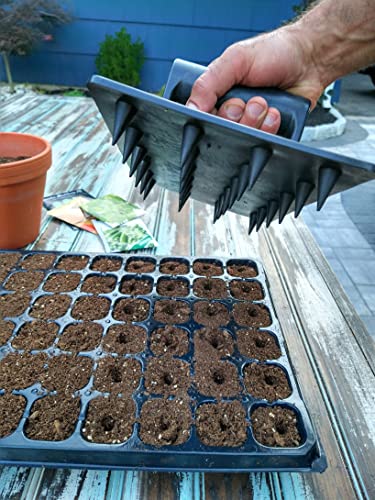
Efficiently start seeds indoors by creating perfect planting holes in 72-cell seed trays

Innovative Razor Design - Our blackberry picker is equipped with a sharp razor that cuts through fruit and stems with ease, ensuring a safe and painless picking process that protects your hands from the thorns in the bushes and makes picking easy and enjoyable
Erect Blackberries
For erect blackberries, it’s recommended to space the plants about 2-3 feet apart within a row. This distance allows each plant to have ample room for growth while preventing overcrowding that can hinder airflow and increase the risk of disease.
Trailing Blackberries
Trailing blackberries require a bit more space compared to their erect counterparts. Aim to plant trailing blackberries around 4-6 feet apart in rows. This wider spacing accommodates their sprawling nature, giving each plant adequate space to spread out and develop without competing with neighboring plants.
By following these spacing guidelines based on the type of blackberry variety you’re planting, you’ll promote healthy growth, efficient harvesting, and overall success in your blackberry cultivation endeavors.
Preparing the Planting Site
When preparing the site for planting your blackberries, there are key factors to consider to ensure the optimal growth and productivity of your plants.
Recommended Products

Quick, at home results for Soil pH, Nitrogen, Phosphorous and Potash Innovative and inexpensive soil test kit features an easy-to-use capsule system and patented color comparators

Kindly NOTE: This soil tester can not be applied to test pH value of any other liquid. If the soil is too dry the indicator will not move, and water it before testing.

KNOW BEFORE YOU GROW | Grow the healthiest, sustainable lawn and garden with the most accurate and easy to use professional soil test kit on the market
Soil Preparation
Before planting your blackberries, it’s crucial to prepare the soil adequately. Blackberries thrive in well-draining soil with a pH level between 5.5 and 6.5. You can test the soil using a kit available at garden centers or seek advice from local agricultural extensions for recommendations on adjusting the pH if needed.
To enhance soil quality, consider adding organic matter such as compost or well-rotted manure. This improves drainage, promotes root development, and provides essential nutrients for healthy plant growth. Work the organic matter into the soil before planting to create a favorable environment for your blackberry plants.
Sunlight and Water Considerations
Blackberries require ample sunlight to flourish. Choose a planting site that receives at least 6-8 hours of sunlight per day for optimal growth and fruit production. Ensure that there are no tall structures or trees shading the area where you plan to plant your blackberries.
In terms of water requirements, blackberry plants need consistent moisture levels, especially during the growing season and fruit development stages. While they prefer well-drained soil, make sure to water them regularly, especially during dry spells. Mulching around the plants can help retain moisture in the soil and reduce weed competition.
By preparing your planting site with these considerations in mind, you set a strong foundation for successful blackberry cultivation. Remember that proper soil preparation, adequate sunlight exposure, and appropriate watering practices play crucial roles in supporting healthy plant growth and bountiful harvests of delicious blackberries.
Planting Techniques for Optimal Growth
To ensure your blackberry plants thrive, it’s crucial to follow best practices for spacing and avoid common mistakes that can hinder their growth. Here are some guidelines to help you achieve optimal results:
Recommended Products

Physical Characteristics: Blackberry plants are known for their arching green canes, textured foliage, and delicate clusters of white or pale pink flowers. As the season progresses, blossoms give way to plump berries that turn from red to deep black when ripe. This cycle of foliage, bloom, and fruit ensures year-round visual appeal in the landscape.
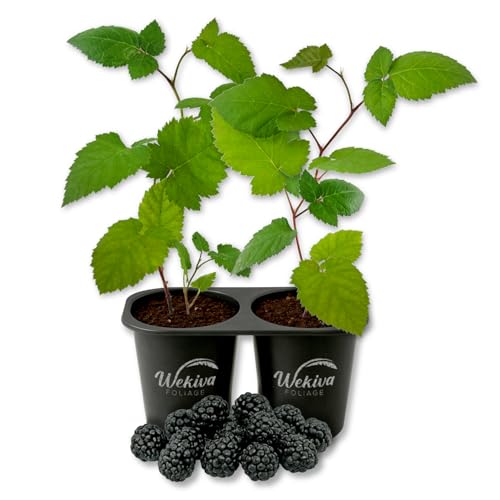
Physical Characteristics: Blackberry plants are known for their arching green canes, textured foliage, and delicate clusters of white or pale pink flowers. As the season progresses, blossoms give way to plump berries that turn from red to deep black when ripe. This cycle of foliage, bloom, and fruit ensures year-round visual appeal in the landscape.

Heavy-duty Carbon Steel Trellis: 2-pack high-density carbon steel dragon fruit trellis, designed for supporting fruiting vines such as pitaya and raspberry, perfectly fit the climbing needs of vines, help them grow healthily upward, and can easily cope with the weight of fruits and growth pressure.
Best Practices for Spacing
- Follow Variety-Specific Recommendations: Different blackberry varieties have varying space requirements. Erect blackberries should be planted 2-3 feet apart within rows, while trailing varieties need 4-6 feet of space between plants. Maintaining the correct distance ensures each plant receives adequate sunlight and airflow, promoting healthy growth.
- Consider Future Growth: When spacing your blackberry plants, envision how they will fill out over time. Providing ample room between plants not only prevents overcrowding but also facilitates easier maintenance tasks such as pruning and harvesting.
- Utilize Trellises or Support Systems: To optimize space utilization and promote better fruit production, consider using trellises or support systems for trailing blackberries. These structures help manage plant growth and prevent sprawling, allowing you to maintain an organized planting layout.
- Planting Too Closely: One common mistake is planting blackberry bushes too close together. This can lead to competition for resources like sunlight and nutrients, resulting in stunted growth and lower yields. Ensure you adhere to the recommended spacing guidelines for your specific variety.
- Neglecting Air Circulation: Inadequate spacing between plants restricts air circulation, creating a favorable environment for diseases to spread among the foliage. Properly spaced plants allow air to flow freely through the canopy, reducing the risk of fungal infections and other issues.
- Ignoring Maintenance Needs: Failure to space blackberry plants properly can make routine maintenance tasks challenging. Overcrowded plantings make it difficult to access individual bushes for pruning, training, or pest management activities. By maintaining optimal spacing from the beginning, you’ll save yourself time and effort in the long run.
By implementing these planting techniques and avoiding common pitfalls in spacing your blackberry plants, you’ll set them up for success with ample sunlight exposure, proper airflow, and room for healthy development.
Maintenance and Care for Healthy Blackberries
When it comes to maintaining healthy blackberry plants, proper pruning techniques, fertilization, and watering schedules play a crucial role in ensuring optimal growth and fruit production. Here’s how you can care for your blackberries to help them thrive:
Pruning Techniques
Pruning is essential for blackberry plants as it helps promote new growth, improve air circulation, and increase sunlight exposure to the plant’s canopy. By removing dead or diseased canes and cutting back lateral branches, you can stimulate the plant’s productivity.
- Tip: Prune your blackberry plants annually during the dormant season to remove old canes and shape the plant for optimal growth.
- Example: Trim back any canes that have already fruited to encourage new growth for next season.
Fertilization and Watering Schedules
Proper fertilization and watering are key components of blackberry care. Providing the right nutrients at the correct times ensures healthy plant development and robust fruit production.
- Tip: Fertilize your blackberry plants in early spring before new growth starts using a balanced fertilizer to support overall plant health.
- Tip: Maintain consistent soil moisture by watering deeply but infrequently, especially during dry periods to prevent water stress.
Remember, by following these maintenance practices diligently, you’ll set your blackberry plants up for success with bountiful harvests year after year.
Conclusion
Ensuring the correct spacing between your blackberry plants is crucial for their growth and productivity. By following the recommended guidelines for spacing based on variety, you provide your plants with the necessary room to thrive. Remember that factors such as soil quality, sunlight exposure, and proper maintenance play vital roles in the health of your blackberry bushes. Regular pruning, fertilization, and watering are essential practices to maintain robust fruit production. With attention to detail and care throughout the growing season, you can enjoy a bountiful harvest from your blackberry plants year after year. Happy planting!
Frequently Asked Questions
What is the importance of spacing blackberry plants correctly?
Properly spacing blackberry plants ensures adequate sunlight, air circulation, and access to nutrients, promoting optimal growth and productivity.
What factors influence the recommended spacing for blackberry plants?
The variety of blackberry, soil quality, climate conditions, and intended management practices are key factors influencing the recommended spacing for blackberry plants.
How should I prepare the soil for planting blackberry bushes?
Before planting blackberry bushes, ensure well-drained soil rich in organic matter with a pH level between 5.5-6.5 to support healthy growth.
When is the best time to prune blackberry plants?
Prune blackberry plants during their dormant season in late winter or early spring to remove old canes and encourage new growth for better fruit production.
How often should I fertilize my blackberry bushes?
Fertilize your blackberry bushes annually in early spring before new growth begins using a balanced fertilizer to promote healthy development.
