

Are your thornless blackberry bushes looking a bit unruly after the winter months? Wondering how to get them back in shape for a bountiful harvest this spring? Picture this: you step into your garden, eager to tend to your plants, but you’re not quite sure where to begin with those sprawling blackberry canes.
Key Takeaways
- Pruning thornless blackberry bushes in spring is essential for plant health, new growth, and increased fruit production.
- Understanding the biennial growth cycle of thornless blackberries helps in knowing when to prune for a continuous harvest.
- Prune thornless blackberries in early spring while they are still dormant, before buds start to swell, and considering local weather conditions.
- Signs that indicate your thornless blackberry bushes need pruning include overcrowding, weak growth, and diseased canes.
- Essential tools for pruning thornless blackberries include pruning shears, loppers, and gloves for protection.
- After pruning, clean up debris around the plants, apply mulch for moisture retention, water adequately throughout the growing season, and fertilize with balanced fertilizer for healthy growth.
Understanding the Basics of Thornless Blackberries
Pruning your thornless blackberry bushes is crucial for ensuring a healthy and productive harvest in the upcoming spring. Let’s delve into why pruning is essential and explore the growth cycle of these plants to help you better care for them.
Why Pruning Is Essential
Pruning thornless blackberries is vital as it helps maintain plant health, promotes new growth, and increases fruit production. By removing old canes that have already borne fruit, you make room for fresh canes to flourish. This process also allows better airflow and sunlight penetration, reducing the risk of diseases and ensuring optimal berry development.
Growth Cycle of Thornless Blackberries
Thornless blackberries follow a biennial growth cycle. During the first year, known as the primocane year, new canes emerge from the ground. These canes grow vegetatively without producing fruit. In the second year, called the floricane year, these same canes bear flowers and fruits before dying off. To ensure a continuous harvest each season, it’s essential to prune out the spent floricanes after they have finished fruiting.
By understanding these basics of thornless blackberries’ growth cycle and the importance of pruning, you’ll be equipped to care for your plants effectively and enjoy a plentiful bounty of delicious berries come springtime.
When to Prune Thornless Blackberries
Knowing the right time to prune your thornless blackberries is crucial for their health and productivity. Here’s how you can determine the optimal timing for pruning in spring:
Recommended Products

CLEAN CUTS FOR LIVE GROWTH: Bypass blade design is ideal for pruning delicate flower stems and green growth, helping reduce crushing and plant damage while cutting stems and small branches up to 5/8” in diameter

Reduce Hand Strain: These micro tip snips are made to reduces hand fatigue which makes them great for those with arthritis, carpal tunnel, hand or wrist issues; Comfortable “grip” handles will make it easy to work for long-time use without making you feel hand pain

DUAL CUTTING POWER: VERSATILE PRUNING COMBO --- With both Pruning Shears and Pruning Snip, this combo delivers unmatched versatility. Whether you're delicately trimming flowers and shrubs, tackling thicker tree branches, or tending to your vegetable and fruit garden, our combo pack excels in all areas. They're also perfect for landscaping projects and maintaining the health and appearance of indoor plants. With this pack, you have a versatile tool that simplifies your gardening tasks.
Identifying the Right Time in Spring
In early spring, when your thornless blackberry bushes are still dormant, it’s the perfect time to start pruning. Look for these indicators to know it’s time to grab your pruners:
- Dormant Stage: Check if your blackberry plants have not yet started showing signs of new growth. This period offers an ideal window for pruning without causing stress to the plants.
- Before Bud Break: Prune before you see buds starting to swell on the canes. This ensures that you trim at a time when the plant can efficiently allocate resources for new growth.
- Weather Conditions: Consider local weather patterns as well. Aim to prune when there’s no risk of frost damage after cutting back canes.
Signs That Your Blackberries Need Pruning
To keep your thornless blackberry bushes in top shape, watch out for these signs indicating they need pruning attention:
- Overcrowding: If the canes look densely packed or tangled, it’s a sign that air circulation and sunlight penetration are restricted, requiring thinning out through pruning.
- Weak Growth: Stunted or weak-looking canes signify the need for removal to encourage stronger growth on healthier branches.
- Diseased Canes: Any canes showing signs of disease or pest infestation should be promptly pruned off to prevent spreading and maintain plant vigor.
How to Prune Thornless Blackberries in Spring
To effectively prune your thornless blackberries in spring, you’ll need a few essential tools and a clear step-by-step process. Here’s what you need to get started:
Tools You Will Need
- Pruning Shears: Use sharp pruning shears to make clean cuts without damaging the plant.
- Loppers: For thicker canes, loppers are handy for cutting with ease.
- Gloves: Protect your hands with sturdy gloves to avoid scratches from any remaining thorns.
- Identify Dead Canes: Begin by identifying any dead or damaged canes from the previous season. These canes will not produce fruit again and should be removed.
- Remove Weak Canes: Look for thin or weak canes that are unlikely to bear fruit; these should also be pruned out to encourage healthier growth.
- Trimming Spent Floricanes: Locate spent floricanes that have already produced fruit in the previous year. Trim them back to ground level as they won’t bear fruit again.
- Prune New Growth: Trim the lateral branches of new canes (primocanes) by about 12-18 inches from their tips. This encourages branching and supports better fruit production.
- Thin Out Excess Growth: If the bushes are overcrowded, thin out some of the canes to improve air circulation and sunlight penetration, promoting overall plant health.
- Dispose of Pruned Material: After pruning, dispose of all removed canes properly to prevent disease spread and maintain a clean gardening environment.
Aftercare and Maintenance
After you’ve pruned your thornless blackberry bushes in spring, it’s crucial to provide them with proper aftercare and maintenance to ensure healthy growth and a fruitful harvest. Here are some essential steps to follow:
Recommended Products

🌱 4 LIVE FREEDOM BLACKBERRY STARTER PLANTS – Receive healthy, vigorous live plants for planting, ready to thrive in your garden and produce delicious berries.

Caddo blackberry plants are known to produce consistently high yields of flavorful high quality blackberries!
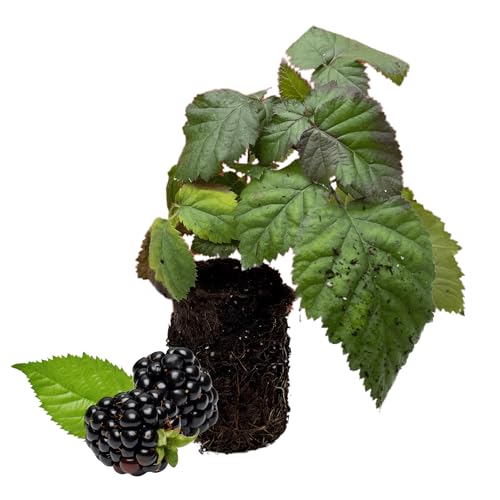
Popular variety that produces large, sweet, and firm berries
Post-Pruning Care for Blackberries
After pruning, it’s important to clean up the area around the plants by removing any debris or cuttings. This helps prevent diseases and pests from taking hold. Additionally, consider applying a layer of mulch around the base of the plants to retain moisture, suppress weeds, and provide nutrients as it breaks down.
Tips for Encouraging Healthy Growth
To promote healthy growth in your thornless blackberries post-pruning, make sure they receive adequate water throughout the growing season. Aim for about 1 inch of water per week, either from rainfall or irrigation. Fertilize your plants with a balanced fertilizer in early spring to support new growth.
By following these post-pruning care tips and encouraging healthy growth practices, you’ll set your thornless blackberry bushes up for success in producing a bountiful harvest later in the season.
Conclusion
You’ve learned the importance of pruning thornless blackberries in spring for a fruitful harvest. By following the step-by-step guide provided, you can ensure your bushes are healthy and ready to produce an abundance of delicious berries. Remember to remove dead canes, trim spent floricanes, and thin out excess growth to promote optimal plant health. After pruning, don’t forget to clean up the area, apply mulch, water adequately, and fertilize for robust growth. With proper care and attention post-pruning, you’ll set the stage for a successful blackberry season ahead. Happy pruning!
Frequently Asked Questions
When is the best time to prune thornless blackberry bushes?
Prune thornless blackberry bushes in late winter or early spring before new growth emerges.
Why is pruning important for thornless blackberry bushes?
Pruning promotes plant health, increases fruit yield, and maintains manageable growth.
How do I know if my thornless blackberry bushes need pruning?
Look for overcrowding, diseased canes, weak growth, and spent floricanes that should be removed.
What are the steps to effectively prune thornless blackberries in spring?
Identify dead canes, remove weak canes, trim spent floricanes, prune new growth, thin out excess growth, and dispose of pruned material properly.
What aftercare is needed post-pruning for thornless blackberry bushes?
Clean up the area, apply mulch around plants, ensure adequate watering, and fertilize for healthy growth.
