

Have you ever dreamed of picking fresh avocados right from your backyard? Growing avocado trees that bear fruit might seem challenging, but with the right tips and care, you can enjoy a bountiful harvest. Imagine stepping outside and grabbing a perfectly ripe avocado for your morning toast or guacamole.
Key Takeaways
- Understanding Avocado Trees: Recognize the three main types of avocado trees (Mexican, Guatemalan, and West Indian) to select the best fit for your climate and desired fruit characteristics.
- Ideal Growing Conditions: Ensure your avocado trees receive at least 6 hours of sunlight daily, are planted in well-draining soil, and maintained in temperatures between 60°F and 85°F.
- Planting Techniques: Carefully prepare the planting site, choose between starting from seed or purchasing a nursery tree, and follow proper planting steps to promote robust growth.
- Care and Maintenance: Implement consistent watering practices, use balanced fertilizers during the growing season, and perform annual pruning for optimal tree health and fruit production.
- Promoting Fruit Production: Enhance avocado pollination by planting both A-type and B-type trees and manage pests and diseases through natural controls and sustainable practices.
- Soil and Environmental Management: Use well-draining, nutrient-rich soil and maintain good air circulation to prevent root rot and ensure healthy tree growth.
Understanding Avocado Trees
Understanding avocado trees is crucial for successful cultivation. With their unique needs and characteristics, you can enhance your ability to grow flourishing trees that bear fruit.
Types of Avocado Trees
Choose from three main avocado tree types:
- Mexican (Persea americana var. drymifolia): Known for their cold resistance, these trees thrive in cooler climates and often produce fruit earlier.
- Guatemalan (Persea nubigena): Adapted to warmer environments, they offer larger fruits but require a warmer growing season.
- West Indian (Persea americana var. americana): Ideal for tropical climates, these trees produce sweet, creamy avocados but are the least frost-resistant.
By selecting the right type, you set a strong foundation for successful fruit production.
Ideal Growing Conditions
Creating the right environment boosts avocado tree growth. Focus on these key conditions:
- Sunlight: Avocado trees prefer full sun, requiring at least 6 hours daily. Placing them in a south-facing location enhances growth.
- Soil: Well-draining soil is essential. Mix sandy loam or compost to improve drainage and nutrient supply.
- Watering: Regular watering keeps trees healthy. Ensure the soil dries slightly between watering sessions to prevent root rot.
- Temperature: Ideal temperatures range from 60°F to 85°F. Protect trees from frost with mulch or frost cloth when necessary.
By meeting these growing conditions, you encourage healthy avocado trees that produce abundant fruit.
Preparing for Planting
Preparing for planting avocado trees involves selecting the right location and ensuring the soil meets specific requirements. Following these steps leads to successful growth and fruit production.
Recommended Products
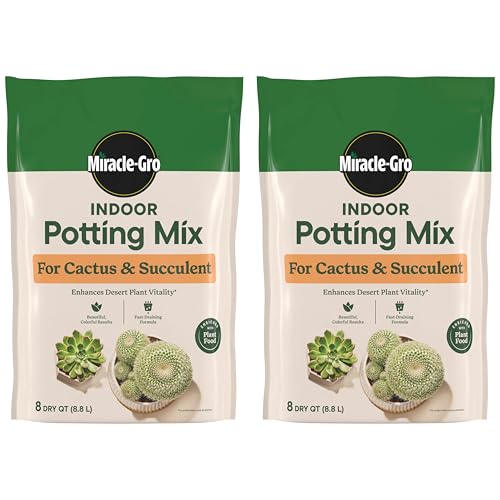
Miracle-Gro Indoor Potting Mix for Cactus and Succulent is enriched with Miracle-Gro Plant Food and enhances desert plant vitality (vs unfed plants when used as directed)

All-Natural: Special blend for growing avocados in containers or as houseplants

INDOOR POTTING SOIL MADE FOR HOUSEPLANTS: A premium potting soil for indoor plants that replaces dense, generic potting mix and bagged dirt. This houseplant soil holds gentle moisture while letting roots breathe, so pothos, snake plant, peace lily, monstera and other house plants grow fuller and greener.
Selecting the Right Location
Choose a location that receives full sunlight, ideally at least six hours a day. This promotes healthy growth. Look for a spot with good air circulation to reduce the risk of diseases. Avoid low-lying areas where frost might settle, especially in colder climates. If possible, plant the tree near a south-facing wall for additional warmth and protection.
Soil Requirements
Ensure the soil is well-draining to prevent root rot. Avocado trees thrive in sandy-loam or loamy soil with a pH between 6 and 7. Conduct a soil test to determine its pH and nutrient levels. If the soil is too compact or clay-heavy, amend it with organic matter, like compost or well-rotted manure, to enhance drainage. You can also mix in perlite or sand to improve soil structure. Properly prepared soil sets the foundation for a fruitful avocado tree.
Planting Your Avocado Tree
Planting an avocado tree involves careful consideration of various factors to ensure successful growth and fruit production. Follow these guidelines to get started.
Seed vs. Nursery Tree
Choosing between starting from a seed or purchasing a nursery tree affects how quickly you see fruit.
- Seed: Growing from a seed takes time. Expect it to take 5 to 13 years before your tree produces fruit. Start by removing a seed from a ripe avocado, washing it, and inserting three toothpicks into the seed. Suspend it over a jar of water, with the broader end submerged. Keep it in a warm area, and roots will develop. Once roots appear, plant it in well-draining soil.
- Nursery Tree: Purchasing a nursery tree provides quicker results. Nursery trees typically take 2 to 3 years to bear fruit. Look for a healthy tree, ideally grafted to ensure the variety’s quality. Many nurseries provide trees specifically bred for your area’s climate.
Planting Techniques
Use these steps for optimal planting results.
- Choose the Right Location: Pick a spot with full sunlight and good air circulation. Avoid areas prone to frost.
- Prepare the Soil: Loosen the soil in the planting area. Ensure it’s sandy-loam or loamy. If the soil is dense or clay-heavy, mix in organic compost.
- Dig the Hole: Dig a hole twice the width and the same depth as the root ball. This allows roots to spread easily.
- Plant the Tree: Remove the tree from its container while being gentle with the roots. Place it in the center of the hole, spreading the roots out gently.
- Backfill the Hole: Fill in the hole with the loosened soil, making sure the soil level matches the tree’s original position. Firm the soil gently around the base.
- Water Thoroughly: Water the tree immediately after planting. Keep the soil moist but not soggy during the first few months to help establish the roots.
By following these steps, you promote healthy growth, leading to vibrant and fruitful avocado trees.
Care and Maintenance
Caring for your avocado trees ensures they produce healthy fruit. Regular attention to watering, fertilization, and pruning promotes growth and maximizes your harvest.
Recommended Products
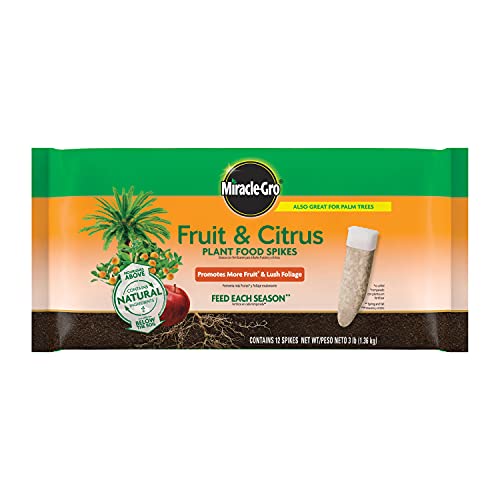
FORMULATED FOR CITRUS AND FRUIT TREES: Use these citrus fertilizer spikes on apple, orange, lemon, lime, and avocado trees; this formula is also great for feeding palm trees
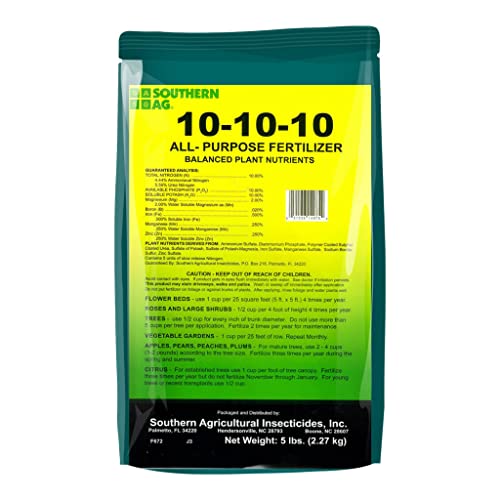

Made for Avocado Plants - This tomato fertilizer is formulated to support healthy growth and fruiting for tomato plants in gardens and containers.
Watering Practices
Water avocado trees once a week during dry spells. Ensure deep watering, soaking the soil to encourage strong root development. Check the soil moisture level by sticking your finger into the soil; if it feels dry an inch down, water the tree. Avoid overwatering, as avocado trees are sensitive to root rot. During the growing season, increasing watering frequency may be necessary, especially in hot weather.
Fertilization Tips
Use a balanced fertilizer every 4 to 6 weeks during the growing season for optimal health. Look for a fertilizer high in nitrogen, phosphorus, and potassium, such as a 10-10-10 ratio. Apply the fertilizer around the tree’s drip line, where the roots spread out. Spread the fertilizer evenly and water it in gently to aid absorption. Adjust fertilization if you notice nutrient deficiencies, indicated by yellowing leaves or stunted growth.
Pruning for Health and Productivity
Prune your avocado trees annually to promote air circulation and light penetration. Focus on removing dead or unhealthy branches and thinning crowded areas to improve airflow. Make cuts just above a leaf node or a branching point to encourage new growth. Aim to maintain an open canopy shape, allowing sunlight to reach all parts of the tree. Regular pruning fosters overall tree health and increases the production of fruit.
Promoting Fruit Production
To promote fruit production in avocado trees, focus on effective pollination and managing potential pests and diseases. These factors significantly impact the quality and quantity of fruit your trees produce.
Recommended Products
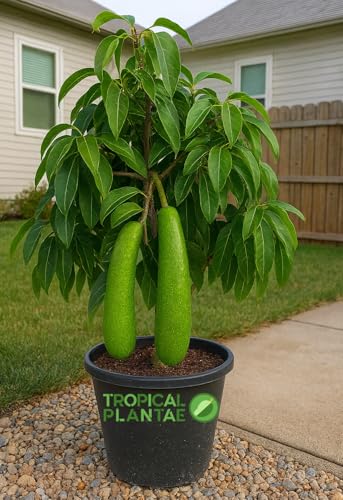
Choosing a variety like this adds something special to your home: a tree that grows tall, elegant, and impressive… a tree that becomes part of your environment and part of your everyday life.

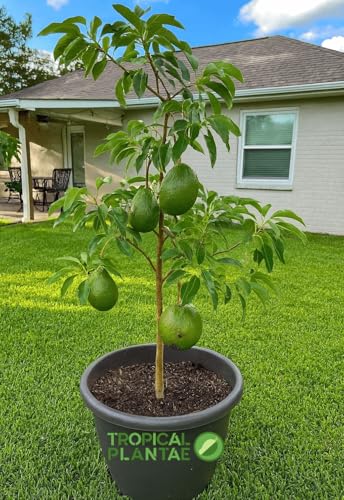
Picture this: months from now, your outdoor space looks completely different because you decided to plant this Marcus Pumpkin avocado tree today. The tree grows, fills your yard with shade, greenery, and life—and suddenly your home feels more relaxing, more inviting, more yours.
Pollination Considerations
Pollination plays a vital role in avocado trees’ fruit set. Avocado trees are unique because they feature both male and female flowers, but they typically do not open simultaneously. To enhance pollination, consider planting both A-type and B-type avocado trees. A-type trees flower in the morning, while B-type trees flower in the afternoon. This overlapping flowering period fosters cross-pollination, increasing fruit yield.
To further encourage pollination, attract pollinators such as bees. You can do this by planting flowering plants nearby that produce nectar. Additionally, avoid using pesticides during flowering, as these can harm beneficial insects critical for pollination.
Managing Pests and Diseases
Maintaining healthy avocado trees involves proactive pest and disease management. Monitor your trees regularly for common pests, including mites, aphids, and whiteflies. For effective control, introduce beneficial insects such as ladybugs that naturally suppress these pests. You may also use insecticidal soap or neem oil, applying it in the early morning or late evening to minimize harm to pollinators.
Prevent diseases like root rot and anthracnose by practicing proper cultural techniques. Ensure well-draining soil to prevent excess moisture around the roots. Rotate planting areas and remove any fallen leaves or debris to reduce disease spores. If disease symptoms appear, applying a fungicide specifically formulated for avocados can help manage the problem. Always follow the manufacturer’s instructions for application rates and timing.
By focusing on pollination and careful pest management, you can enhance the productivity of your avocado trees and enjoy a bountiful harvest.
Conclusion
Growing avocado trees can be a rewarding experience that brings fresh flavors to your kitchen. With the right care and attention you can nurture your trees to produce delicious fruit year after year.
Remember to provide them with plenty of sunlight and the proper soil conditions. Regular watering and fertilization will keep them healthy and thriving.
Don’t forget about the importance of pollination and pest management to maximize your harvest. With a little patience and dedication you’ll soon be enjoying the fruits of your labor. Happy growing!
Frequently Asked Questions
Can I grow avocado trees in my backyard?
Yes, you can grow avocado trees in your backyard with the right conditions and care. They thrive in well-draining soil, full sunlight, and temperatures between 60°F and 85°F.
What are the different types of avocado trees?
There are three main types: Mexican (cold-resistant), Guatemalan (thrives in warm climates), and West Indian (ideal for tropical areas). Each type has unique characteristics and fruit yield.
How long does it take for avocado trees to produce fruit?
If you grow an avocado from a seed, it can take 5 to 13 years to bear fruit. Nursery trees typically produce fruit in about 2 to 3 years.
What is the best soil for avocado trees?
Avocado trees prefer well-draining sandy-loam or loamy soil with a pH between 6 and 7. Amend compact or clay-heavy soils with organic matter to improve drainage.
How often should I water my avocado tree?
Water your avocado tree deeply once a week during dry spells. Always check the soil moisture first to avoid overwatering and prevent root rot.
Do avocado trees need fertilization?
Yes, use a balanced fertilizer high in nitrogen, phosphorus, and potassium every 4 to 6 weeks during the growing season to promote healthy growth and fruit production.
How can I improve pollination for avocado trees?
Plant both A-type and B-type avocado trees to enhance cross-pollination. Attract pollinators by planting flowering plants nearby and avoiding pesticides during flowering.
What pests should I watch out for on avocado trees?
Common pests include aphids, spider mites, and scale. Regularly monitor your trees and introduce beneficial insects for natural pest control.
How do I maintain my avocado tree?
Maintain your avocado tree through regular watering, fertilization, and annual pruning to promote air circulation and light penetration, encouraging healthy growth and fruit yield.
What should I do if my avocado tree gets diseased?
If your avocado tree exhibits signs of disease, ensure it’s well-draining and remove any debris around it. Apply a fungicide specifically designed for avocados if necessary.
