

Ever wondered how a fig tree produces those delicious fruits? If you’ve ever enjoyed a fresh fig, you might be curious about the fascinating process behind its growth. Fig trees are unique not just for their tasty offerings but also for their intriguing reproductive methods.
Key Takeaways
- Fig Tree Varieties: Familiarize yourself with different types of fig trees, including Common Fig, Smyrna Fig, Caprifig, and Little Ruby Fig, each with distinct characteristics and cultivation requirements.
- Optimal Growth Conditions: Fig trees thrive in well-drained, loamy soil with at least 6 hours of direct sunlight daily. Proper watering and balanced fertilization are crucial for healthy growth and fruitful yields.
- Unique Pollination Process: Understand the symbiotic relationship between fig trees and fig wasps, which is essential for successful pollination and fruit development, highlighting the interdependence in nature.
- Development Stages: Recognize the two main phases of fig fruit development: the blooming phase, where flowers form, and the fruit development phase, where fertilized flowers grow into ripe figs.
- Environmental Influences: Various environmental factors, including temperature, sunlight, and moisture, significantly affect fig trees’ fruit production, making monitoring and care essential.
- Maintenance Practices: Regular pruning, appropriate fertilization, and pest management are vital for maximizing fig tree health and fruit output, ensuring a successful harvest.
Overview of Fig Trees
Fig trees are remarkable for their ability to produce unique fruits, thriving in various environments. Understanding the different types and growth conditions of fig trees enhances your appreciation for their culinary and ecological importance.
Types of Fig Trees
- Common Fig (Ficus carica): This variety is the most widely cultivated. You’ll find it across warm regions, producing sweet, edible figs for fresh eating and drying.
- Smyrna Fig: This type requires pollination from a specific wasp species. It offers large, flavorful figs, making it a favorite in commercial production.
- Caprifig: This tree provides flowers that play a crucial role as a pollinator for Smyrna figs. Caprifigs produce inedible fruits but are essential for fig cultivation.
- Little Ruby Fig: A smaller variety often grown in containers. It features ornamental foliage and produces small, tasty figs, perfect for limited spaces.
Growth Conditions
Fig trees flourish in well-drained soil with good sunlight. Aim for a location with at least six hours of direct sunlight daily.
- Soil: Use loamy or sandy soil enriched with organic matter. Avoid heavy clay, which retains excess moisture.
- Watering: Water deeply but infrequently. Allow the soil to dry out between sessions to prevent root rot.
- Climate: Enjoy warm, temperate climates. Most fig varieties withstand light frost, but extreme cold may damage younger trees.
- Fertilization: Apply a balanced, slow-release fertilizer in spring to support healthy growth. Too much nitrogen can reduce fruit quality, so moderation is key.
Following these guidelines leads to healthy fig trees that bear abundant fruit.
The Biology of Fig Fruit Production
Fig fruit production involves a unique process that combines pollination and a symbiotic relationship with fig wasps. Understanding these components clarifies how fig trees yield their distinctive fruits.
Pollination Process
Pollination in fig trees is essential for fruit development. Many fig species rely on specific pollinators, primarily fig wasps, to fertilize their flowers. Figs contain both male and female flowers, with the female flowers developing into fruit. As a fig wasp enters a fig, it carries pollen from another fig. This pollen fertilizes the female flowers inside. This mutual relationship ensures successful pollination and fruit maturation.
Role of Fig Wasps
Fig wasps play a crucial role in the fig’s lifecycle. Female wasps enter a fig to lay eggs inside the male flowers. While doing this, they transfer pollen, allowing fertilization. After laying their eggs, the female wasps die inside the fig. The male wasps, born inside, mate with the females before emerging to find new figs. This cycle continues, supporting fig reproduction. Without fig wasps, many fig varieties cannot reproduce, highlighting this interdependence in nature.
Stages of Fig Development
Fig development involves two main phases: the blooming phase and the fruit development phase. Understanding these stages clarifies how fig trees transform from blossoms into the tasty fruits you enjoy.
Recommended Products


Let our professionally formulated plant food help your fruit tree grow healthy, strong AND abundantly producing
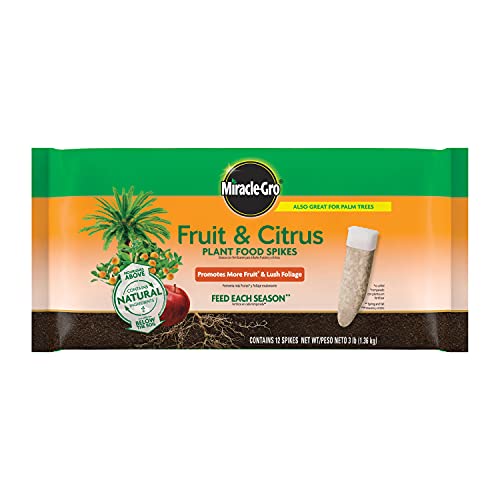
FORMULATED FOR CITRUS AND FRUIT TREES: Use these citrus fertilizer spikes on apple, orange, lemon, lime, and avocado trees; this formula is also great for feeding palm trees
Blooming Phase
During the blooming phase, fig trees produce flowers inside the syconium, a unique structure that resembles a small fruit. Each fig variety has specific blooming periods, typically occurring in late spring. Inside the syconium, male and female flowers exist. Male flowers primarily facilitate pollination by producing pollen, while female flowers develop into the figs.
You might observe this phase by looking for small green structures on the tree. These structures will eventually mature into figs. Timing is critical here; proper environmental conditions, like warm temperatures and sufficient moisture, are essential for successful blooming.
Fruit Development Phase
After successful pollination, the fruit development phase begins. Female flowers, fertilized by pollen from male flowers, start to swell and grow. This phase occurs throughout summer, with fruit maturation taking several weeks.
As figs develop, they change from green to their characteristic color—either deep purple, green, or yellow, depending on the variety. It’s vital to ensure consistent watering and nutrients during this phase, as these factors influence the quality and sweetness of the figs.
Monitoring for pests and diseases during this time also helps maintain healthy growth. Harvest occurs when figs feel soft to the touch and emit a fruity aroma, signaling they’re ripe and ready for picking.
Factors Influencing Fruit Production
Several factors impact how fig trees produce their fruit. Understanding these influences can improve your cultivation practices and enhance yields.
Environmental Conditions
Environmental conditions play a crucial role in fig fruit production. Fig trees thrive in warm, temperate climates. Ideal temperatures range between 75°F and 100°F during the growing season. Additionally, figs require plenty of sunlight, needing at least 6 to 8 hours daily for optimal growth.
Water contributes significantly as well. During dry spells, ensure consistent moisture without waterlogging. Irrigation methods, such as drip irrigation, help maintain the right moisture level. Soil also affects fruit output, with well-drained, loamy soil providing the best nutrient availability.
Pest control and disease management are essential to preserve healthy growth. Regularly inspect for signs of pests such as aphids and spider mites, which can damage leaves and fruit.
Care and Maintenance
Care and maintenance practices directly impact your fig tree’s fruit production. Regular pruning helps promote airflow, reduce disease, and encourage new growth. Aim to prune in late winter or early spring before the growing season.
Appropriate fertilization supports vigorous growth. Use a balanced fertilizer twice during the growing season, once in early spring and again in mid-summer. Monitor for deficiencies; yellowing leaves can indicate a lack of nutrients.
Additionally, mulching around the base of the tree helps retain moisture and suppress weeds, contributing to healthier plants. Finally, be mindful of the tree’s spacing. Allow enough room for the branches to expand, ensuring proper sunlight exposure and airflow, ultimately leading to better fruit harvests.
Conclusion
Understanding how fig trees bear fruit is truly a journey into the wonders of nature. From the unique relationship with fig wasps to the careful balance of environmental conditions you need to nurture, growing figs is both an art and a science.
With the right care and attention you can enjoy the sweet rewards of your labor. Whether you’re planting a fig tree in your garden or simply appreciating the fruit at your local market, you’re now equipped with the knowledge to appreciate the intricate process behind every delicious fig. Happy gardening and enjoy those tasty treats!
Frequently Asked Questions
What are fig trees known for?
Fig trees are known for their unique reproductive methods and delicious fruits. They can thrive in various environments and produce different fig varieties, each with distinct characteristics, making them a fascinating addition to both gardens and orchards.
How do fig trees reproduce?
Fig trees reproduce through a fascinating process that involves pollination by specific pollinators, primarily fig wasps. Female wasps enter the fig to lay their eggs and, while doing so, transfer pollen to fertilize female flowers, leading to fruit development.
What are the different types of figs?
Some popular types of figs include the Common Fig, Smyrna Fig, Caprifig, and Little Ruby Fig. Each variety has unique traits and plays a specific role in fig cultivation, contributing to the diversity of flavors and textures available.
What conditions are ideal for growing figs?
Ideal conditions for growing fig trees include well-drained soil, full sunlight (6 to 8 hours daily), and consistent moisture, especially during dry spells. Warm temperatures between 75°F and 100°F also promote healthy growth and fruit production.
How do I care for my fig tree?
Care for fig trees includes regular pruning to improve airflow, using balanced fertilizers for nutrition, and mulching to retain moisture. Additionally, proper spacing of trees ensures adequate sunlight exposure, essential for a healthy fig harvest.
When is the best time to harvest figs?
Figs are best harvested when they are soft and aromatic, usually in late summer to early fall. Timing may vary by variety and location, so regular checking for ripeness is important to enjoy the fruit at its peak flavor.
