

Are your fruit trees becoming a buffet for local wildlife? You’re not alone. Many gardeners face the frustrating challenge of keeping animals away from their prized fruits. Whether it’s squirrels, deer, or birds, these hungry critters can quickly ruin your hard work.
This article will share practical tips and tricks to help protect your trees and ensure a bountiful harvest. From simple barriers to natural deterrents, you’ll discover effective methods to keep those pesky animals at bay. With a little effort, you can enjoy the fruits of your labor without sharing with unwanted guests.
Key Takeaways
- Identify Common Pests: Recognize the main animals that target fruit trees, including squirrels, deer, birds, and rabbits, to develop effective deterrent strategies.
- Utilize Physical Barriers: Implement solutions like fencing, tree guards, and netting to create a protective barrier around your fruit trees, shielding them from wildlife.
- Employ Natural and Commercial Repellents: Use natural options like castor oil and cayenne pepper, along with commercial deterrents such as repellent sprays and motion-activated devices, to keep animals at bay.
- Incorporate Behavioral Modifications: Train pets and employ scare tactics, like reflective objects and motion-activated devices, to deter animals naturally.
- Conduct Regular Maintenance: Perform consistent inspections of your trees for signs of damage and adjust your protective strategies based on observed wildlife activity.
- Adapt Strategies Over Time: Continuously tweak your methods by evaluating seasonal changes and the effectiveness of different deterrents to optimize protection for your fruit trees.
Understanding The Problem
Animals often target fruit trees, causing frustration for gardeners. Knowing which creatures are involved and the potential damage they inflict is essential for effective prevention strategies.
Common Animals That Target Fruit Trees
- Squirrels: Squirrels are notorious for invading gardens. They chew through branches and devour ripe fruit.
- Deer: Deer often browse on young trees and tender fruit. They can strip leaves and even damage tree bark.
- Birds: Birds such as crows and sparrows can quickly consume fruits. They may peck at ripe produce, creating holes that lead to spoilage.
- Rabbits: Rabbits frequently nibble on the lower branches and bark of young fruit trees. Their chewing can weaken trees and stifle growth.
Impact on Fruit Production
Animal damage can significantly reduce your fruit harvest. For instance, squirrels may eat half of a tree’s ripe apples overnight. Preventive measures are vital for ensuring crop sustainability.
Tree damage may also lead to increased susceptibility to pests and diseases. When animals strip leaves, the tree faces stress, which affects fruit quality. Ensuring the tree’s health mitigates impacts from wildlife.
Understanding the specific animals and their behaviors helps in formulating appropriate protection strategies for your fruit trees.
Effective Physical Barriers
Using physical barriers is one of the most efficient ways to keep animals away from your fruit trees. These barriers can effectively protect your plants from common pests and ensure a fruitful harvest.
Recommended Products

Size: Deer netting size 7 feet x 100 feet; garden netting mesh size 3/4"; color: black; Easy to use accessories included: 10pcs installation nails & 50pcs cable ties
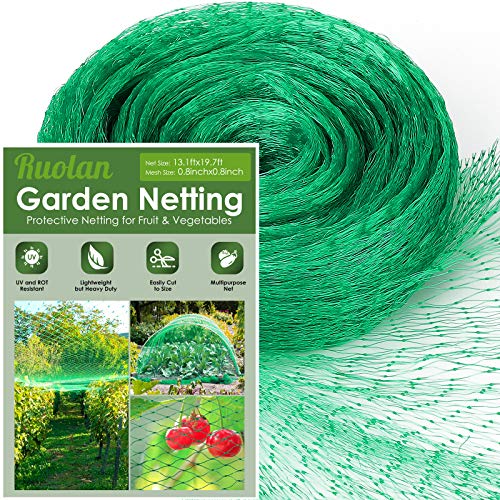
【Perfect size】(Garden Netting size 13ftX20ft, Mesh Size 0.8inchX0.8inch), Protect fruit tree plant blueberry strawberry from animals
Fencing Options
Fencing creates a strong defense against larger animals. Here are some effective fencing options:
- Wire Fencing: Use 48-inch-high wire fencing for small to medium animals. Bury the bottom at least 6 inches deep to prevent digging.
- Electric Fencing: Install a low-voltage electric fence, particularly effective against deer and larger wildlife. Position wires at different heights for maximum efficiency.
- Garden Fencing: Consider using metal garden fencing for a taller barrier. Choose solid materials to deter jumping.
Ensure gates close securely to prevent uninvited visitors. Regularly check for damages to keep your fence intact.
Tree Guards and Netting
Tree guards and netting provide additional protection for your fruit trees. Here’s how to use them effectively:
- Plastic Tree Guards: Wrap young trees with plastic guards to shield trunks from rodents and deer. These guards should reach the ground and end about 3 feet high.
- Mesh Netting: Use fine mesh netting to cover trees during fruiting season, preventing birds from pecking at your fruit. Secure the edges with stakes to keep the net tight.
- Hardware Cloth: Layer hardware cloth around the base of trees to stop rabbits and other small animals from chewing through the bark.
Check tree guards and netting weekly for signs of wear or gaps. Prompt repairs help maintain their protective functions.
Repellents and Deterrents
Utilizing repellents and deterrents effectively reduces the risk of animals damaging your fruit trees. Here’s how you can manage wildlife interference with natural and commercial options.
Recommended Products

Humane Lawn & Garden Protection - Help protect lawns, gardens, flower beds, and landscaping from unwanted animal visitors with a motion-activated sprinkler that responds with a burst of water.

Motion Activated Sprinkler: Experience the innovative motion activated sprinkler that combines a sudden water spray and flashing lights to deter unwanted animals. This powerful deterrent is designed to teach deer, cats, raccoons, and other pests to stay away from your yard and garden.
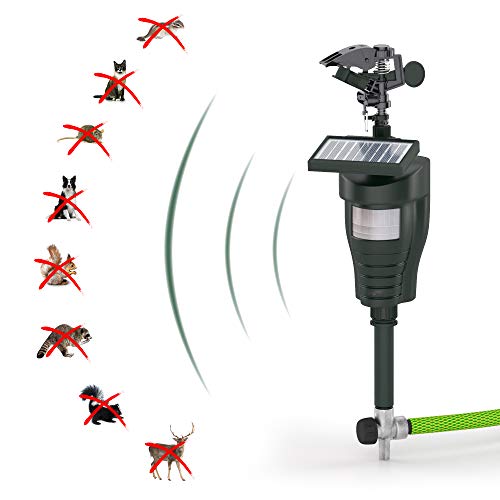
-PEST CONTROL ENGINEERED TO WORK | Cobra-Jet Sprayer Device Provides Dependable 24/7 Defense Against Deer, Rabbits, Foxes, Squirrels, Raccoons, Birds, Bears, Cats, Dogs, Rodents & Other Outdoor Lawn, Yard, Plant & Garden Threats
Natural Repellents
Natural repellents serve as a safe method to deter animals. Consider these options:
- Castor Oil: Mix castor oil with water and spray it around the tree base. The scent repels animals like squirrels and deer.
- Cayenne Pepper: Sprinkle cayenne pepper around the tree trunks. Its strong smell and flavor deter many types of animals.
- Garlic Spray: Blend garlic with water, then spray on tree leaves. The odor keeps pests away while being harmless to the trees.
- Essential Oils: Use peppermint or citronella oils. Mix them with water and spray to create an aromatic barrier against animals.
Commercial Deterrents
Commercial deterrents offer a convenient option to protect your fruit trees. Here are some effective products:
- Repellent Sprays: Look for animal repellent sprays specifically designed for fruit trees. These contain scents that discourage animals while being safe for plants.
- Motion-Activated Sprinklers: Install sprinklers that activate with motion. They surprise animals and help keep them off your trees.
- Ultrasonic Repellents: Use devices emitting high-frequency sounds. These sounds deter animals without disturbing humans.
- Fences with Taste Aversion: Apply a bitter coating to fences or tree trunks. Animals associate the taste with the unpleasant experience of getting close to your trees.
Combine these natural and commercial strategies for the best results. Regularly reapply repellents and check for efficacy to maintain a barrier against intrusive wildlife.
Behavioral Modifications
Behavioral modifications can effectively deter animals from accessing your fruit trees. Implementing simple strategies can help protect your trees while fostering a wildlife-friendly environment.
Training Pets to Avoid Trees
Training pets to avoid fruit trees requires patience and consistency. Use these strategies to guide your pets away:
- Establish Boundaries: Define a boundary around your trees using physical markers or barriers. Encourage your pets to stay outside this area during walks and playtime.
- Positive Reinforcement: Reward your pets with treats and praise when they stay away from the trees. This reinforces the desired behavior and helps them understand what’s off-limits.
- Discourage Boredom: Provide plenty of toys and activities for your pets. Engaged pets are less likely to wander towards the trees in search of entertainment.
Using Scare Tactics
Scare tactics leverage animals’ natural instincts to help keep them away from your fruit trees. Consider these methods:
- Motion-Activated Devices: Install motion-activated sprinklers or noise-making devices. These triggers startle animals, discouraging them from approaching your trees.
- Reflective Objects: Hang shiny materials, such as aluminum foil strips or reflective tape, around the trees. The light reflections and movements can scare animals away.
- Natural Predators: Introduce decoys, like plastic owls or hawks, to mimic predators. These figures may intimidate smaller animals and keep them at bay.
Using behavioral modifications can play a significant role in protecting your fruit trees from wildlife interference. Implement these methods and adapt them to suit your specific situation for optimal effectiveness.
Maintenance and Monitoring
Maintaining and monitoring your fruit trees is essential for keeping animals away and ensuring the best possible harvest. Regular checks and adjustments can greatly enhance the effectiveness of your protective strategies.
Regular Inspections
Conducting regular inspections allows you to identify any signs of wildlife activity or damage. Check for:
- Nibbled Leaves: Look for any bite marks on leaves, which may indicate animal presence.
- Broken Branches: Inspect branches for signs of chewing or damage, especially from squirrels and deer.
- Witness Tracks: Look for animal footprints around the base of trees to assess which species might be nearby.
- Scattered Fruit: Examine the ground for fallen fruit as it can attract animals.
Perform these inspections at least once a week during the growing and harvesting seasons. Ensure to document any changes to track patterns of damage or animal activity over time.
Adjusting Strategies Over Time
Adjusting your strategies based on your inspection findings optimizes your protection efforts. Follow these steps:
- Identify Problem Animals: If certain animals cause significant damage, tailor your strategies to target those specific pests.
- Change Deterrents: If a repellent or barrier loses effectiveness, experiment with different commercial products or natural solutions.
- Monitor Seasonal Changes: Adapt your methods based on the season. For example, increase netting during peak fruiting times when birds are most active.
- Evaluate the Environment: If nearby landscaping attracts animals, consider altering it or using repellents in those areas.
By consistently monitoring and adjusting your tactics, you create a dynamic approach to protecting your fruit trees, effectively reducing the risks of wildlife interference.
Conclusion
Protecting your fruit trees from wildlife doesn’t have to be a daunting task. By combining physical barriers natural deterrents and behavioral modifications you can create a safe haven for your precious fruits. Regular monitoring and adapting your strategies based on what you observe will keep those pesky animals at bay.
Remember it’s all about finding what works best for your specific situation. With a little patience and creativity you can enjoy a bountiful harvest while keeping your garden thriving. Happy gardening and may your fruit trees flourish!
Frequently Asked Questions
What types of wildlife damage fruit trees the most?
Various animals can damage fruit trees including squirrels, deer, birds, and rabbits. Squirrels chew through branches and eat ripe fruit, while deer strip leaves and can injure the bark. Birds may peck at the fruit causing spoilage, and rabbits weaken young trees by nibbling on lower branches and bark.
How can I protect my fruit trees from animals?
You can protect your fruit trees by using physical barriers like wire fencing and tree guards. Additionally, applying natural repellents such as garlic spray or cayenne pepper helps deter animals. Combining these methods increases your chances of safeguarding your trees effectively.
What are some effective physical barriers for fruit trees?
Effective physical barriers include wire and electric fencing, metal garden fencing, and fine mesh netting. Tree guards, particularly plastic ones for young trees, also provide good protection. Ensure regular maintenance to check for damage and maintain effectiveness.
What natural repellents can I use to deter wildlife?
Natural repellents include castor oil, garlic spray, and cayenne pepper. These can be safely applied around the trees and can help deter animals without causing harm. Regular reapplication enhances their effectiveness.
How can behavioral modifications help protect fruit trees?
Training pets to avoid trees, using scare tactics like motion-activated devices, and hanging reflective objects can deter wildlife from approaching fruit trees. These modifications help create a protective barrier while promoting a wildlife-friendly atmosphere.
How often should I inspect my fruit trees for wildlife damage?
It’s advisable to inspect your fruit trees at least once a week during the growing and harvesting seasons. Look for signs of wildlife activity, such as nibbled leaves or broken branches, to adjust your protective strategies accordingly.
What should I do if I find signs of wildlife damage?
If you notice signs of damage, immediately assess which animals are causing it. Then, adjust your protective measures accordingly by enhancing barriers, changing repellents, or incorporating behavioral strategies to reduce wildlife interference effectively.
